Right now, while you're reading this, there's a good chance your business data is being packaged and sold on underground marketplaces. It's not a question of if your data will be targeted: it's when, and whether you'll discover it before criminals capitalize on it.
The dark web operates as a 24/7 marketplace where stolen business credentials, customer databases, and financial information change hands for pennies on the dollar. What makes this particularly dangerous for small businesses is that many breaches go undetected for months. By the time you realize what's happened, your data has already been weaponized against you, your customers, and your vendors.
Here's what every business owner needs to know about recognizing the warning signs and taking immediate action.
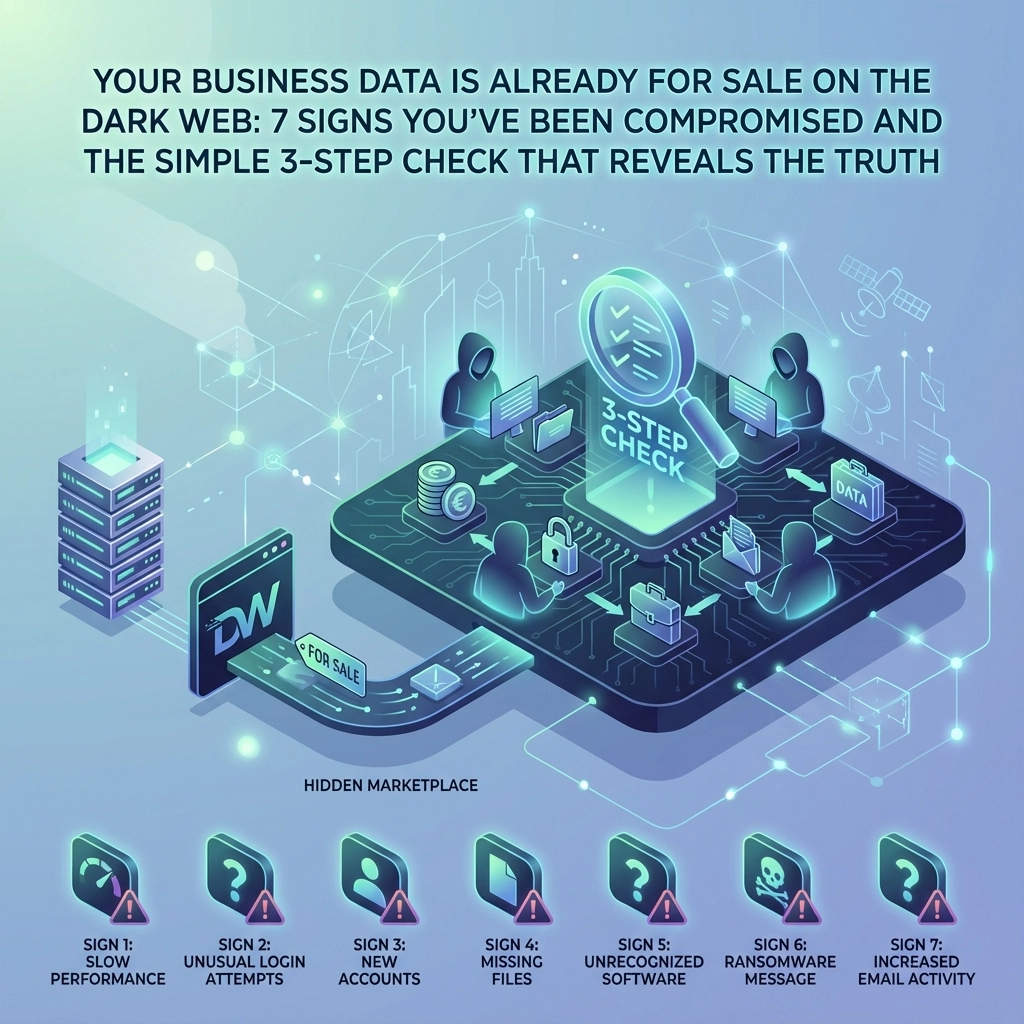
7 Clear Signs Your Business Data Has Been Compromised
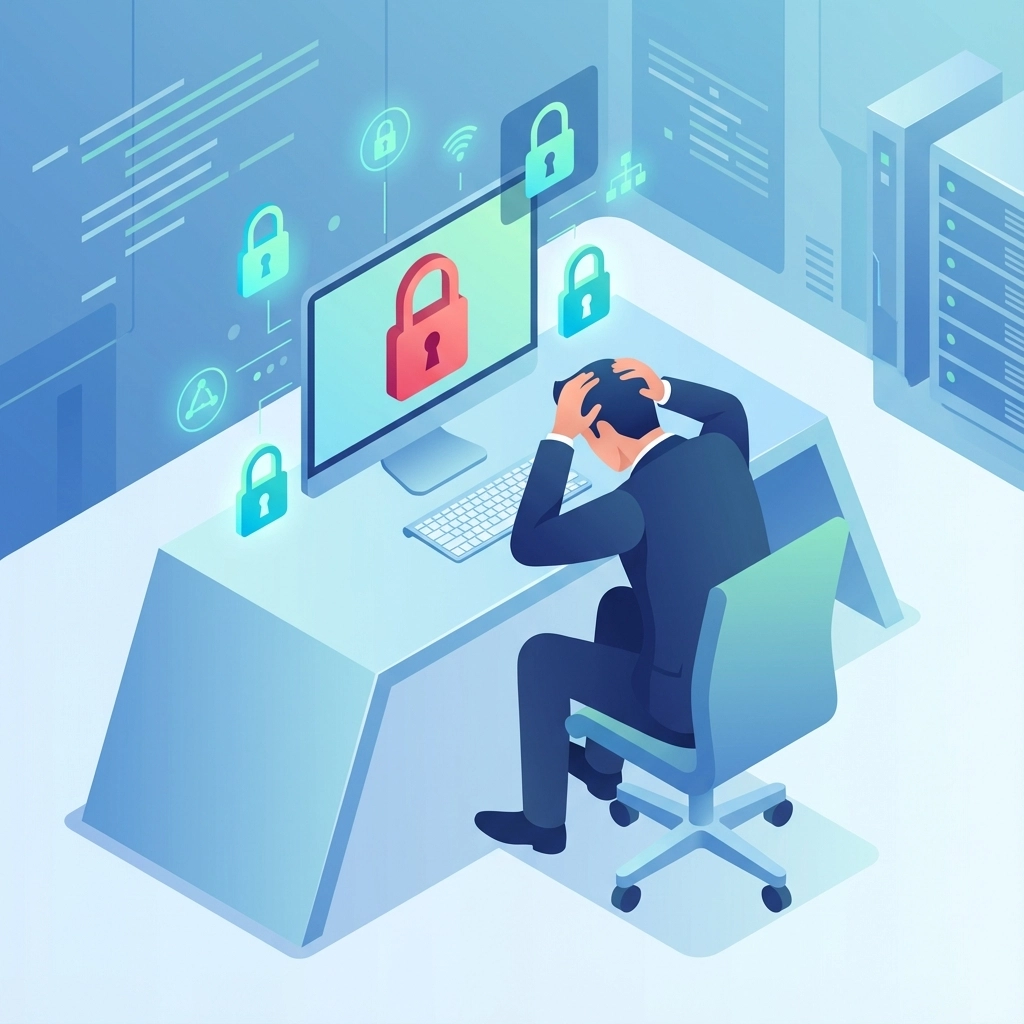
1. Employees Are Suddenly Locked Out of Critical Accounts
When employees start reporting that they can't access email, cloud storage, or business applications: and they're certain their passwords are correct: this often signals that attackers have changed credentials after gaining entry. This isn't about forgotten passwords or system glitches. It's typically the first sign that someone else now controls your accounts.
Pay attention to patterns: multiple employees affected simultaneously, or lockouts occurring outside normal business hours when no one should be accessing systems.
2. Login Attempts From Unfamiliar Locations
Your security logs showing login attempts from countries where your business doesn't operate, or access during unusual hours, indicates stolen credentials are being tested. Attackers often use automated tools to test compromised passwords across multiple systems.
Modern businesses can track this through admin consoles in Google Workspace, Microsoft 365, or other business platforms. Look for successful logins from IP addresses that don't match your known office locations or remote work arrangements.
3. Surge in Targeted Phishing and Spam
When your company suddenly receives a wave of sophisticated phishing emails that reference internal projects, vendor relationships, or specific employee names, it suggests attackers already possess detailed information about your operations. They're using this intel to craft believable messages that can fool even security-aware employees.
These aren't generic spam emails: they're precision attacks using your own data against you.
4. Your Domain Appears in Breach Databases
Public breach notification sites like Have I Been Pwned maintain databases of compromised email addresses and domains. When your business domain appears in these databases, it means credentials associated with your company have been part of a documented data breach.
This is often the tip of the iceberg. If your domain appears in one breach, there's a high likelihood your information is circulating in multiple criminal networks.
5. Unknown Devices Accessing Company Systems
Business platforms typically maintain device logs showing what phones, computers, and tablets have accessed your accounts. Unknown devices that persist even after password changes indicate that attackers have established persistent access to your systems.
This is particularly concerning because it suggests sophisticated attackers who understand how to maintain long-term access rather than quick hit-and-run operations.

6. Unexplained Financial Activity
Small, seemingly random charges appearing on business credit cards or unusual transactions in bank accounts often indicate that financial data has been compromised. Attackers frequently test stolen payment information with small purchases before executing larger fraudulent transactions.
Don't dismiss unusual financial activity as processing errors. In the context of other warning signs, these transactions often confirm that your payment data is actively being exploited.
7. Your Company Name on Criminal Marketplaces
The most serious indicator is discovering your business name, domain, or specific employee credentials being advertised on underground forums, Telegram channels, or ransomware leak sites. Criminal groups often announce compromised victims before publishing full datasets, sometimes providing proof-of-access screenshots and countdown timers.
This level of exposure means your data breach has progressed beyond initial compromise to active criminal monetization.
The Simple 3-Step Dark Web Check
You don't need expensive monitoring tools or IT expertise to start investigating whether your business data is compromised. Here's a practical approach any business owner can implement immediately:
Step 1: Check Public Breach Databases (5 Minutes)
Start with Have I Been Pwned (haveibeenpwned.com) and search for your business domain and key employee email addresses. This free service maintains records of major data breaches dating back over a decade.
Search not just your primary domain, but any email addresses your business uses for vendor relationships, online accounts, or customer communications. Make note of which breaches appear and when they occurred.
Step 2: Review Recent Account Activity (10 Minutes)
Log into your business email admin console, cloud storage admin panel, and any business software you use. Look specifically for:
- Login locations that don't match known employee locations
- Access times during off-business hours
- Unknown devices or applications requesting access
- Failed login attempts from foreign IP addresses
Most business platforms provide this information in security or audit logs, usually found in admin settings.
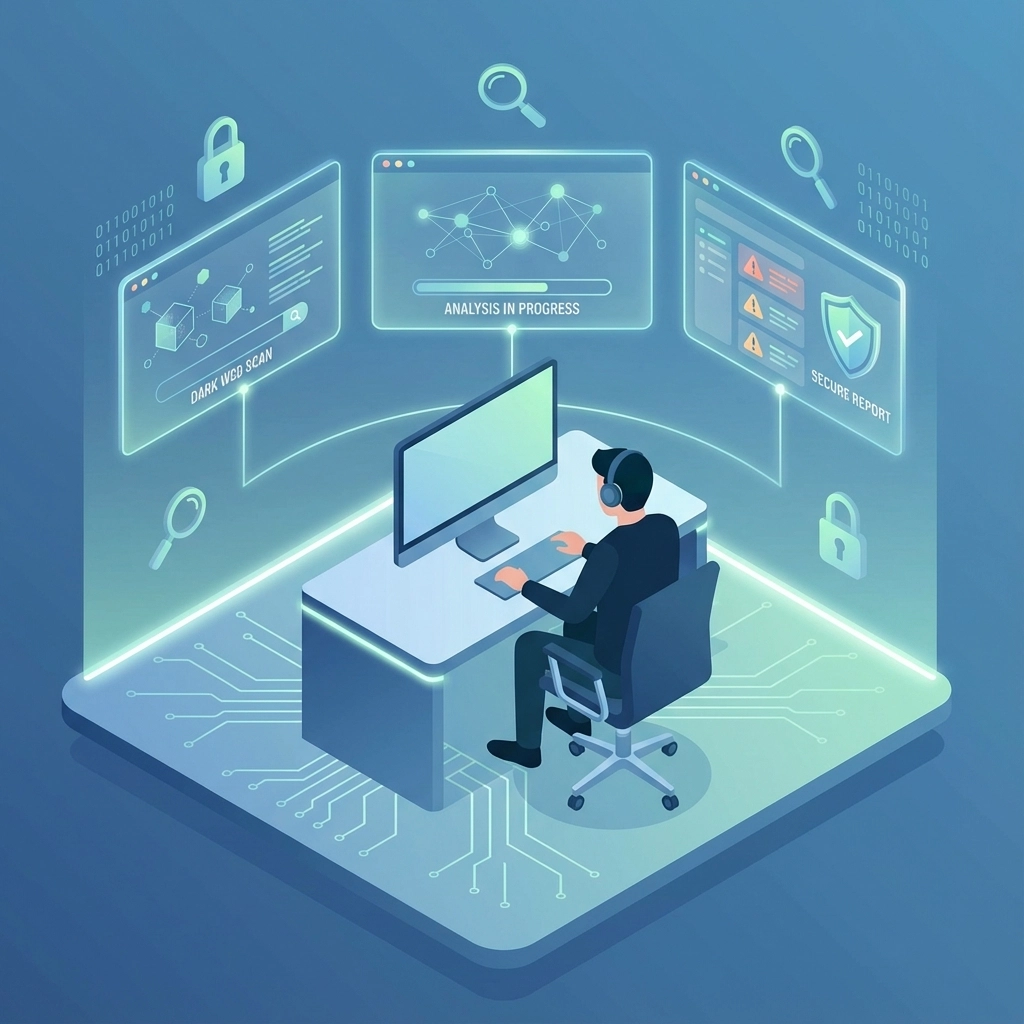
Step 3: Conduct Targeted Dark Web Searches (15 Minutes)
Several legitimate services offer limited dark web monitoring for free. Experian's Dark Web Scan provides basic visibility into whether your information appears in compromised databases. While not comprehensive, it can reveal if your business data has appeared in documented criminal marketplaces.
For more thorough monitoring, professional dark web scanning services can search for your specific company name, domain, and key personnel across underground forums and marketplaces.
What to Do When You Discover Compromised Data
Finding your data on the dark web isn't the end of the world: it's the beginning of damage control. The speed of your response determines whether this becomes a minor inconvenience or a business-threatening crisis.
Immediate Actions (First 24 Hours):
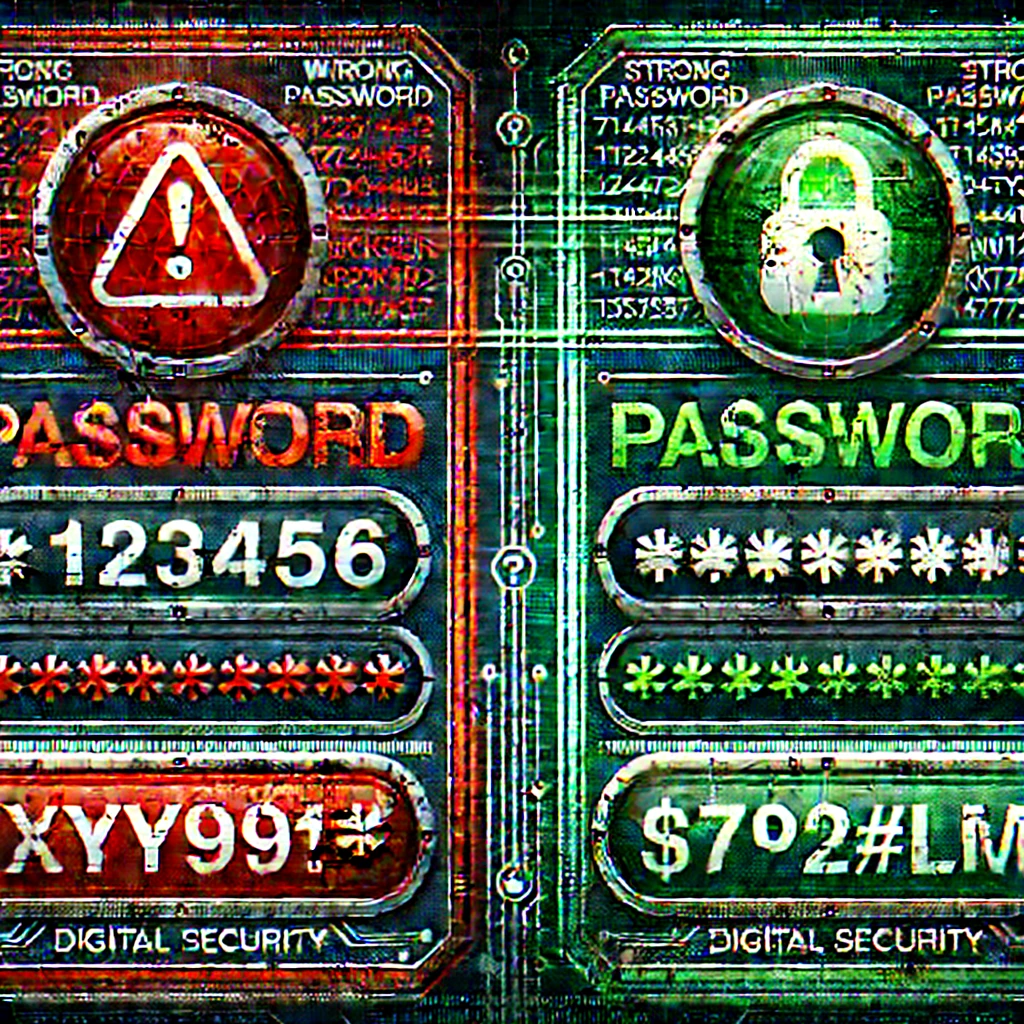
- Change all passwords for affected accounts
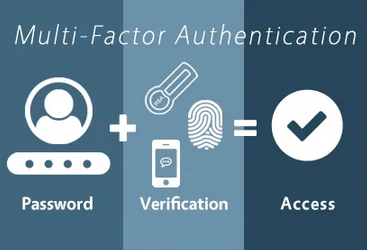
- Enable multi-factor authentication on all business systems
- Review and revoke access for any unknown devices or applications
- Alert your bank and credit card companies if financial data may be compromised
- Document everything for potential insurance claims
Follow-up Actions (First Week):
- Conduct a comprehensive security audit of all business systems
- Review vendor access and third-party integrations
- Consider engaging a cybersecurity professional for forensic investigation
- Evaluate whether customer notification is required based on the type of data exposed
The reality is that most small businesses lack the resources to conduct thorough dark web monitoring and incident response on their own. The criminal ecosystem moves too quickly, and the technical expertise required is beyond what most business owners can reasonably manage while running their operations.
Moving Forward with Professional Support
Dark web monitoring and incident response require specialized tools and expertise that go far beyond basic password changes and security software. Professional cybersecurity services can provide continuous monitoring, rapid threat detection, and coordinated response plans that actually stop criminal exploitation of your data.
If you've discovered signs that your business data may be compromised, or if you want to establish proactive monitoring before an incident occurs, B&R Computers offers comprehensive dark web monitoring and cybersecurity services designed specifically for small businesses. Our approach focuses on practical protection and rapid response rather than complex enterprise solutions that don't fit your operational reality.
The dark web threat isn't going away: but with the right monitoring and response capabilities, you can detect compromises early and minimize the damage to your business and customers.