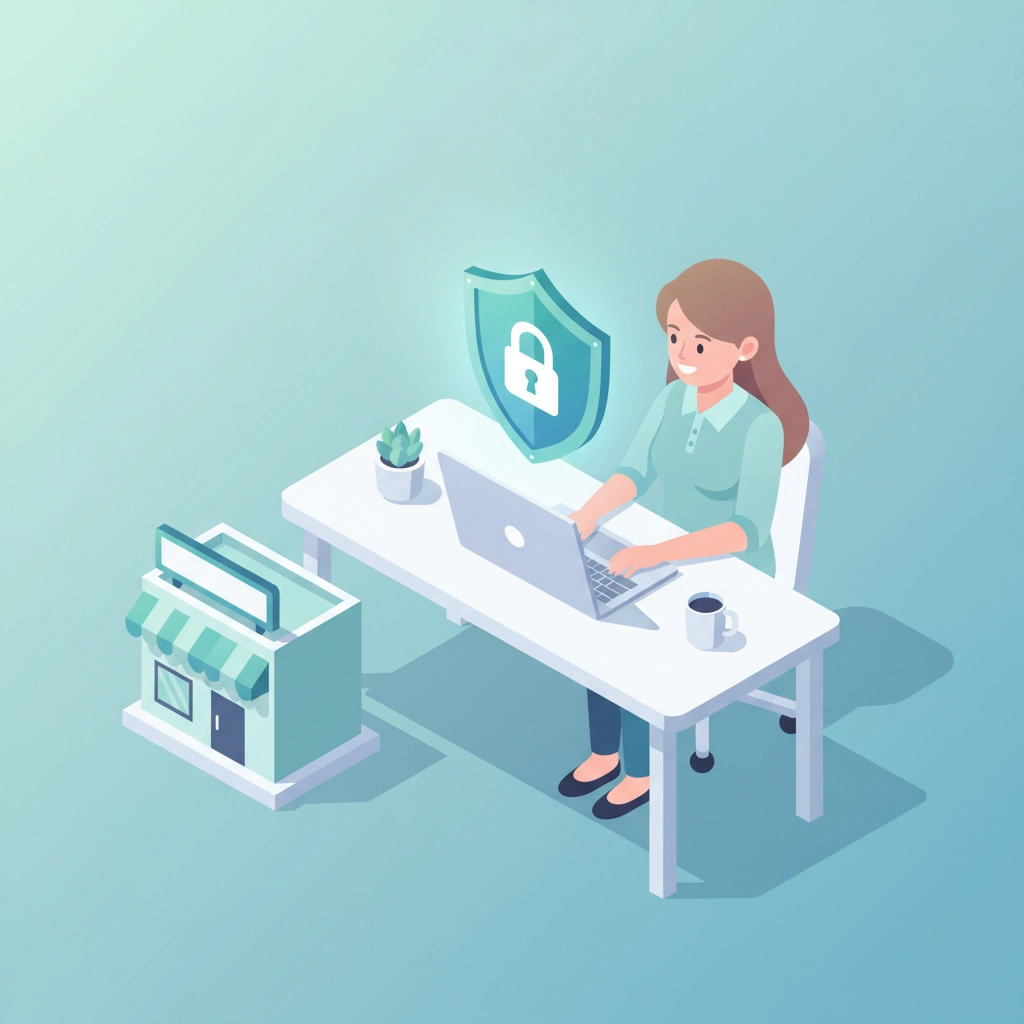
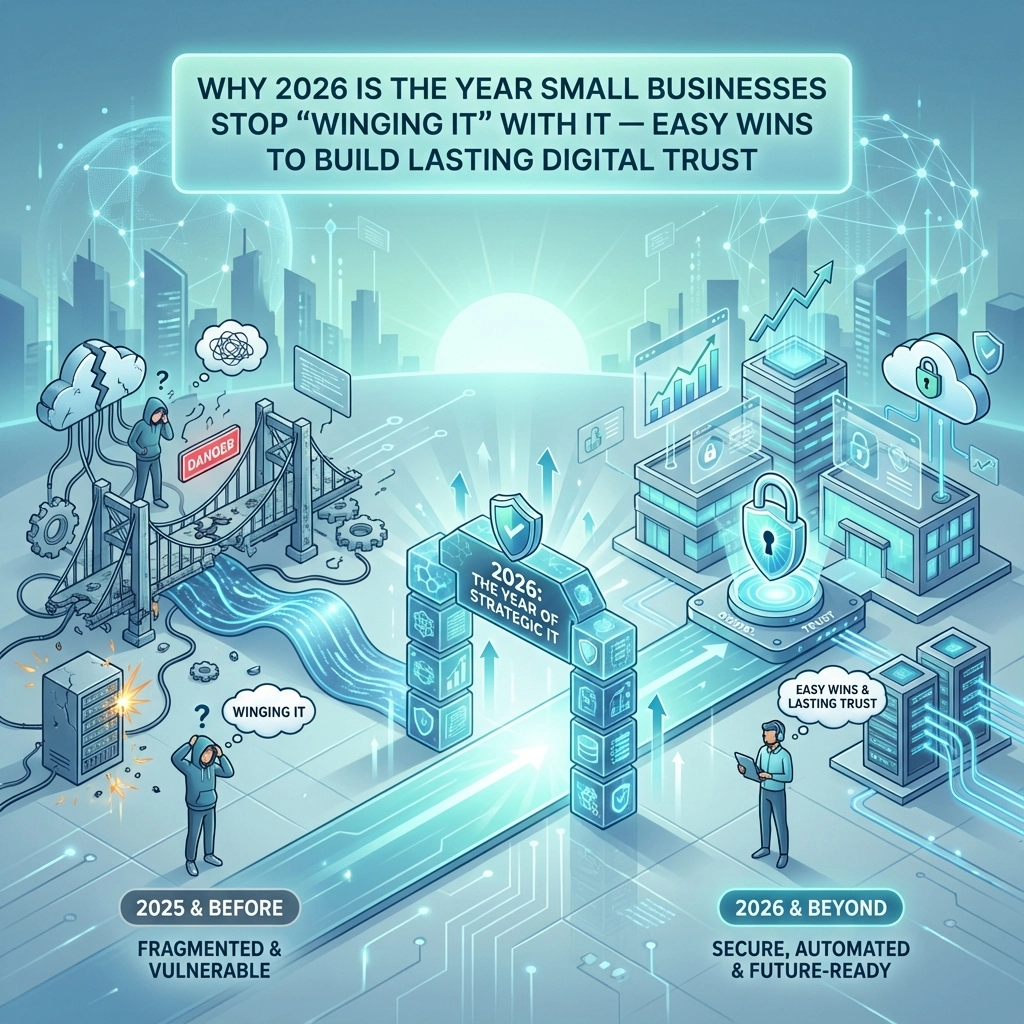
Let's have an honest conversation. You know that feeling when your computer crashes right before a big deadline, or when you realize you haven't backed up your files in… well, longer than you'd care to admit? That pit in your stomach isn't just about the immediate problem, it's about the growing realization that "figuring it out as we go" isn't a sustainable IT strategy anymore.
Here's the thing: 2026 isn't just another year. It's the year when winging it with technology becomes a genuine business risk that goes way beyond technical glitches. We're talking about your reputation, your customer relationships, and ultimately, whether people trust you enough to do business with you.
The Numbers Don't Lie: Small Businesses Are Ready for Change
Before you roll your eyes thinking this is another "you must digitize or die" lecture, let's look at what's actually happening out there. Recent research shows that 81% of small business leaders feel optimistic about the future, and 76% of those who increased their tech spending last year saw real growth. That's not corporate speak, that's your peers getting results.
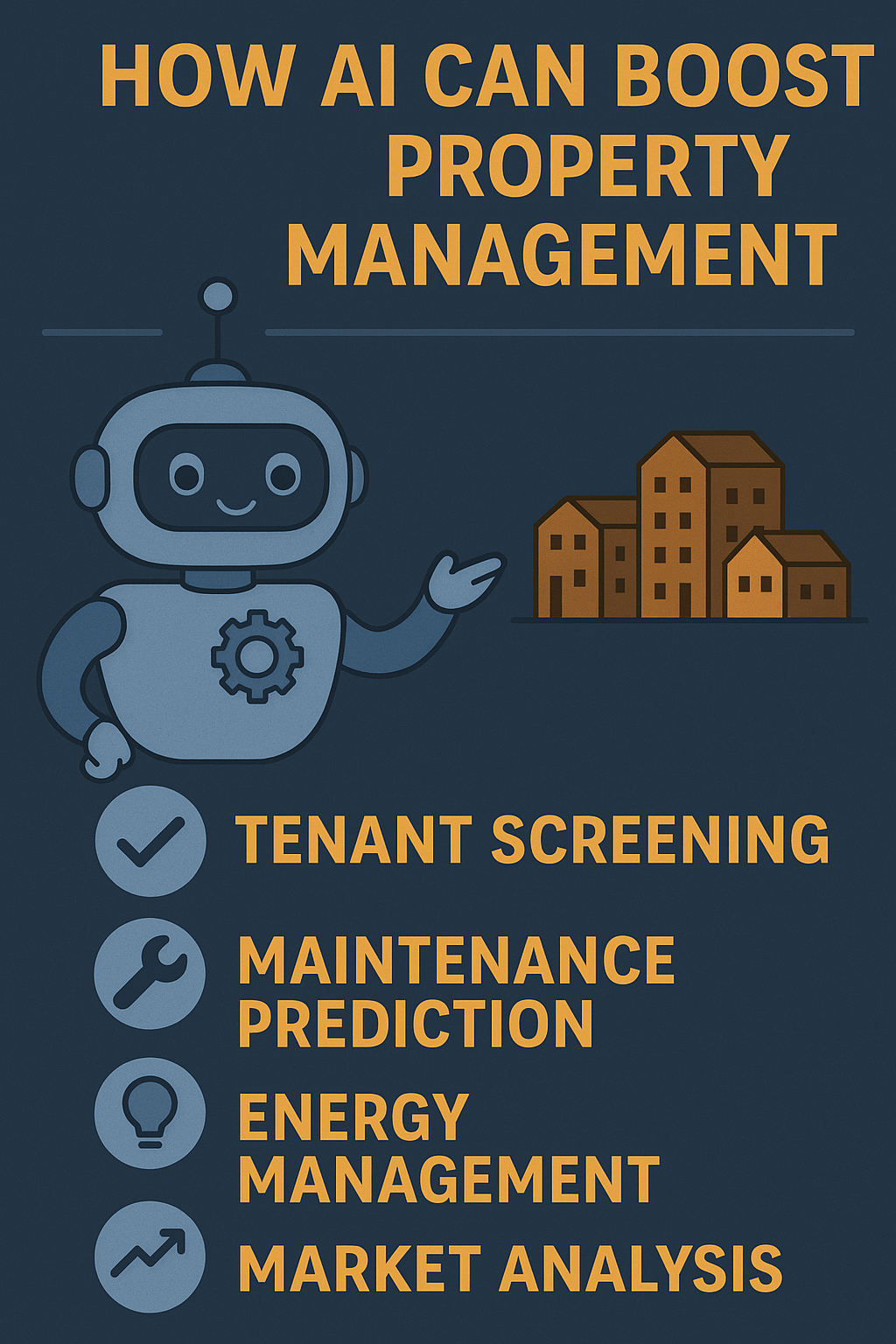
Even more telling? Nearly 60% of small businesses are already using some form of artificial intelligence. Not because they're tech companies, but because they've discovered these tools actually make their daily work easier, not harder.
The shift isn't coming from Silicon Valley boardrooms telling you what to do. It's happening because business owners like you are finding that structured approaches to technology deliver real, measurable benefits. And frankly, customers are starting to expect it.
The Real Cost of "Winging It" in 2026
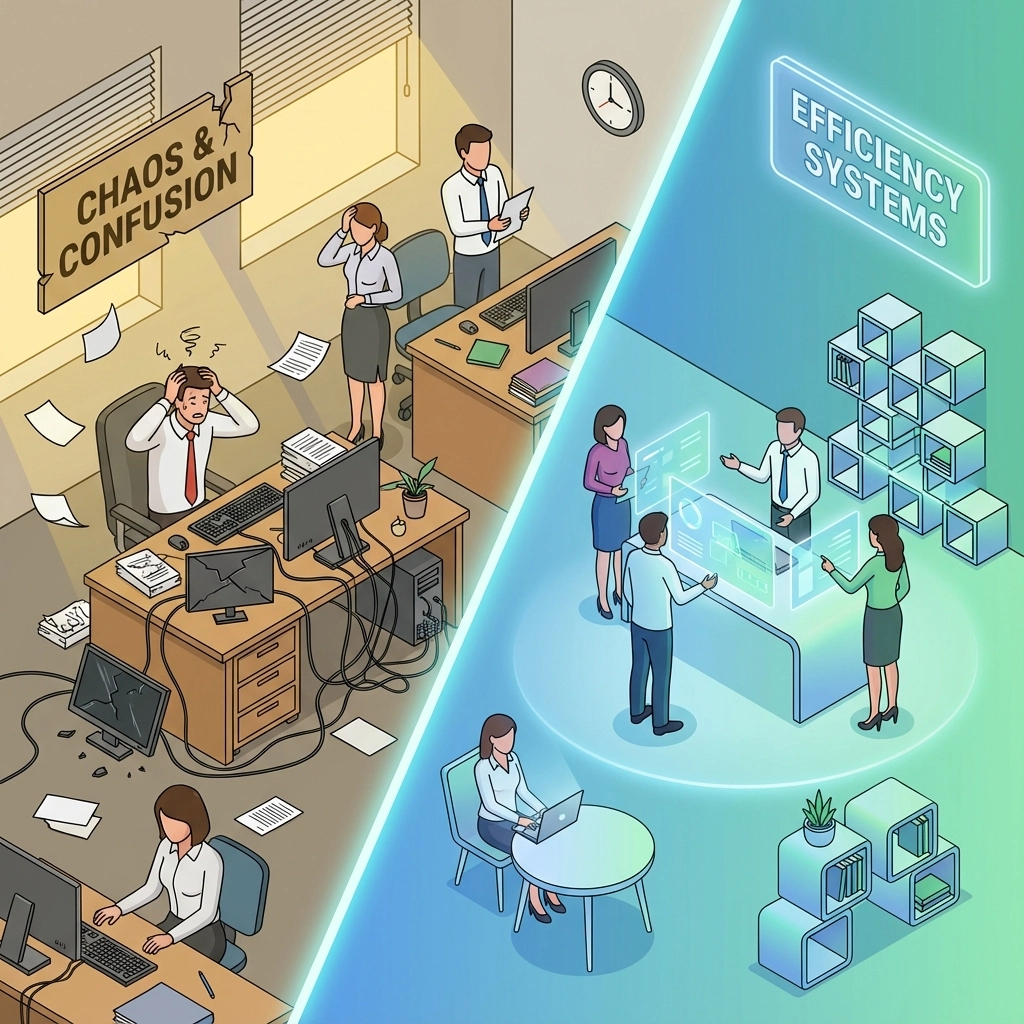
Let's be brutally honest about what "winging it" actually costs you, beyond the obvious technical headaches.
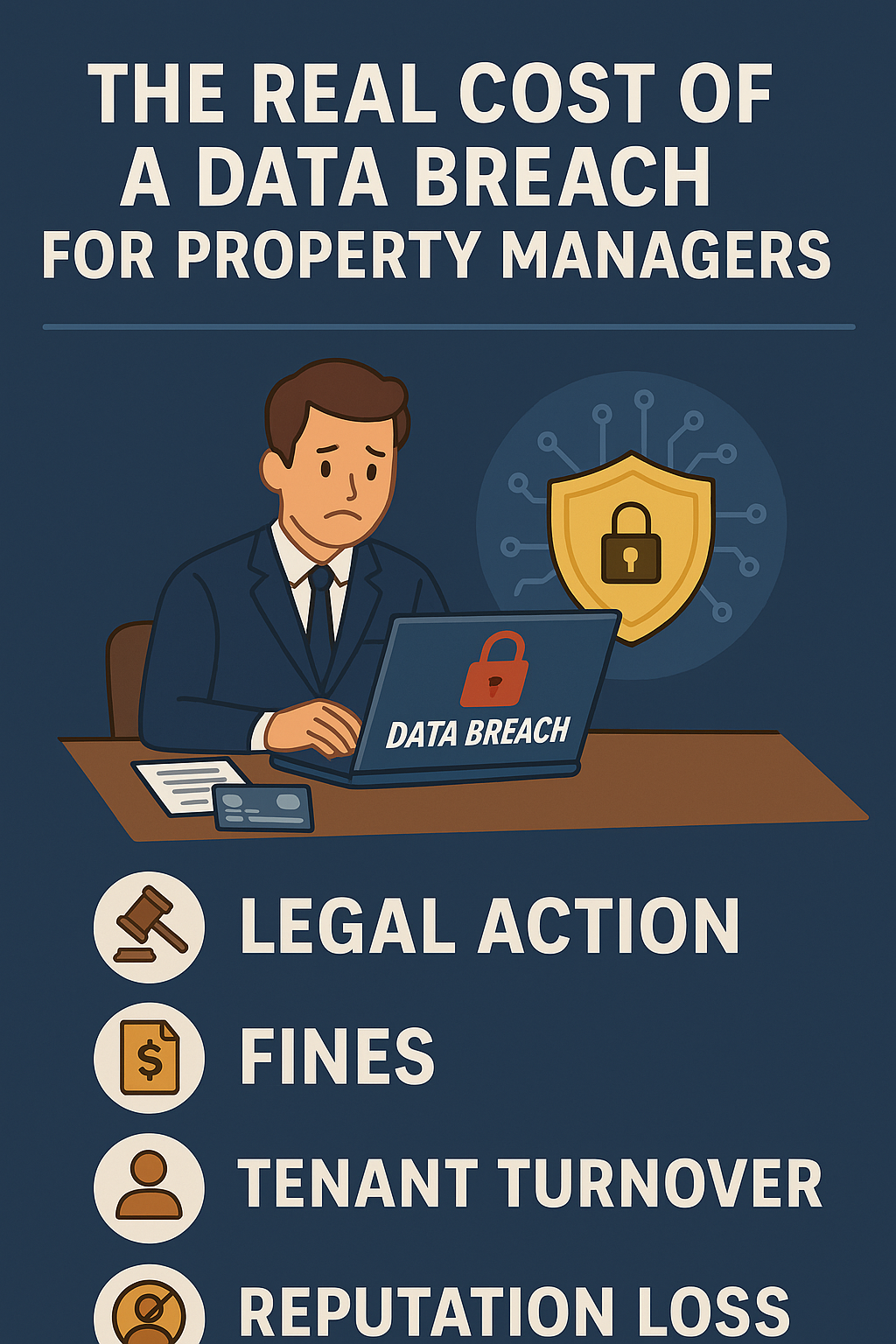
Your reputation takes hits you don't even see. When your email goes down for half a day, customers don't just think "technical problems happen." They wonder if you're organized enough to handle their business. When you lose a client's information because your filing system is a mix of sticky notes and random folders, that story gets told to other potential customers.
You're working harder, not smarter. How much time do you spend each week hunting for files, recreating documents you know you saved somewhere, or manually doing tasks that should be automated? That's time you could be growing your business instead of just keeping it afloat.
Trust erosion happens gradually, then suddenly. Customers today expect businesses to handle their information securely, respond quickly, and deliver consistently. When your ad hoc systems let you down, and they will, you're not just losing one sale. You're losing the confidence that drives repeat business and referrals.
Easy Wins That Don't Require a Computer Science Degree
Here's where this gets practical. Building digital trust doesn't mean transforming into a tech company overnight. It means making smart, incremental improvements that compound over time.
Start with what you already use. If you're using Microsoft Office, you likely already have access to AI features that can summarize emails, help write proposals, and organize your data. QuickBooks now categorizes transactions automatically and suggests tax deductions. Google Workspace can transcribe meetings and help draft responses. These aren't new systems to learn, they're upgrades to tools you already know.
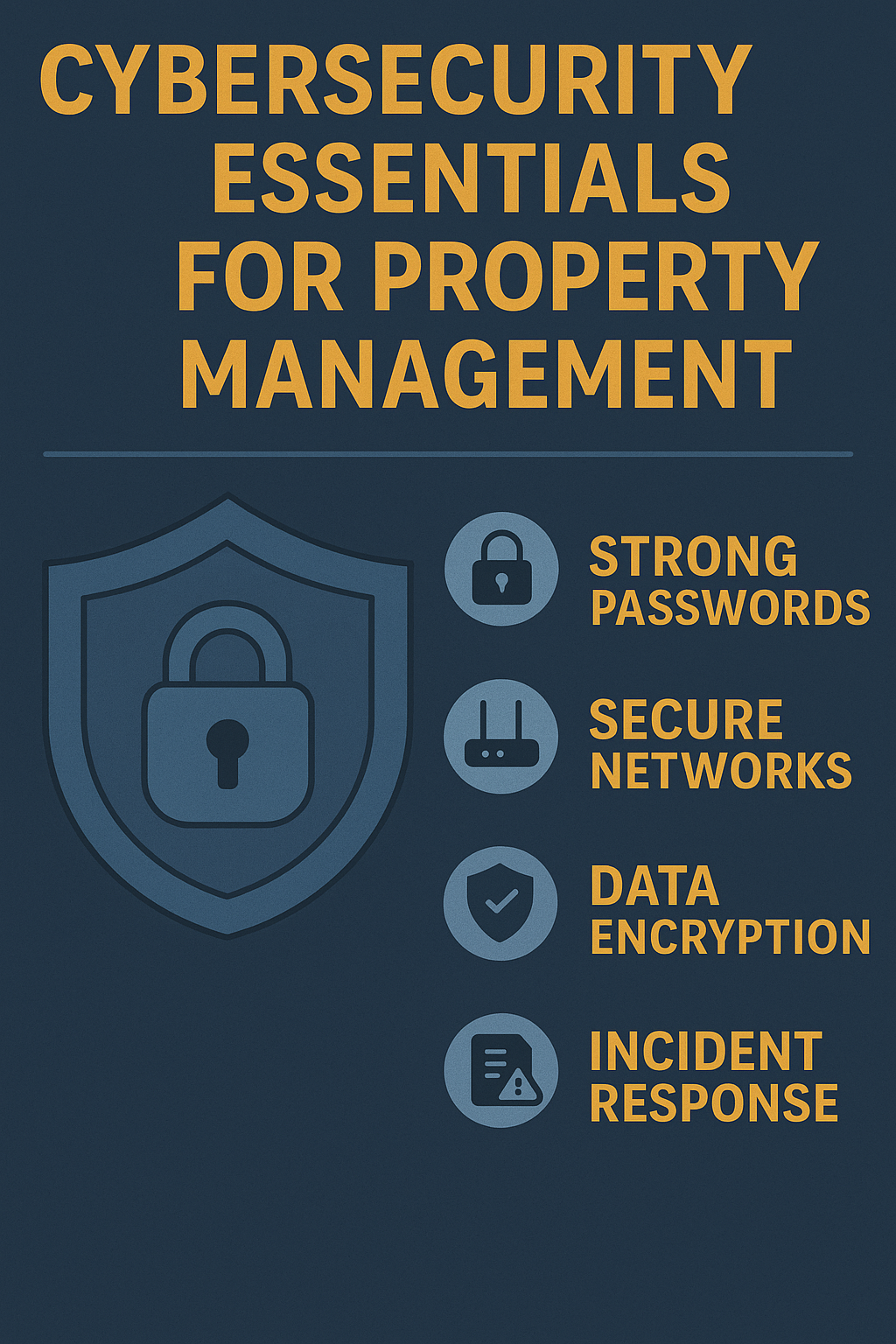
Get your backup game together. This one's non-negotiable. Automatic cloud backups aren't complicated or expensive anymore, but they're the difference between a minor inconvenience and a business-ending disaster. Set it up once, and you'll sleep better knowing your work is protected.
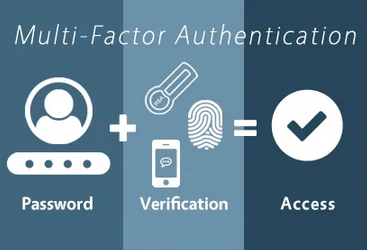
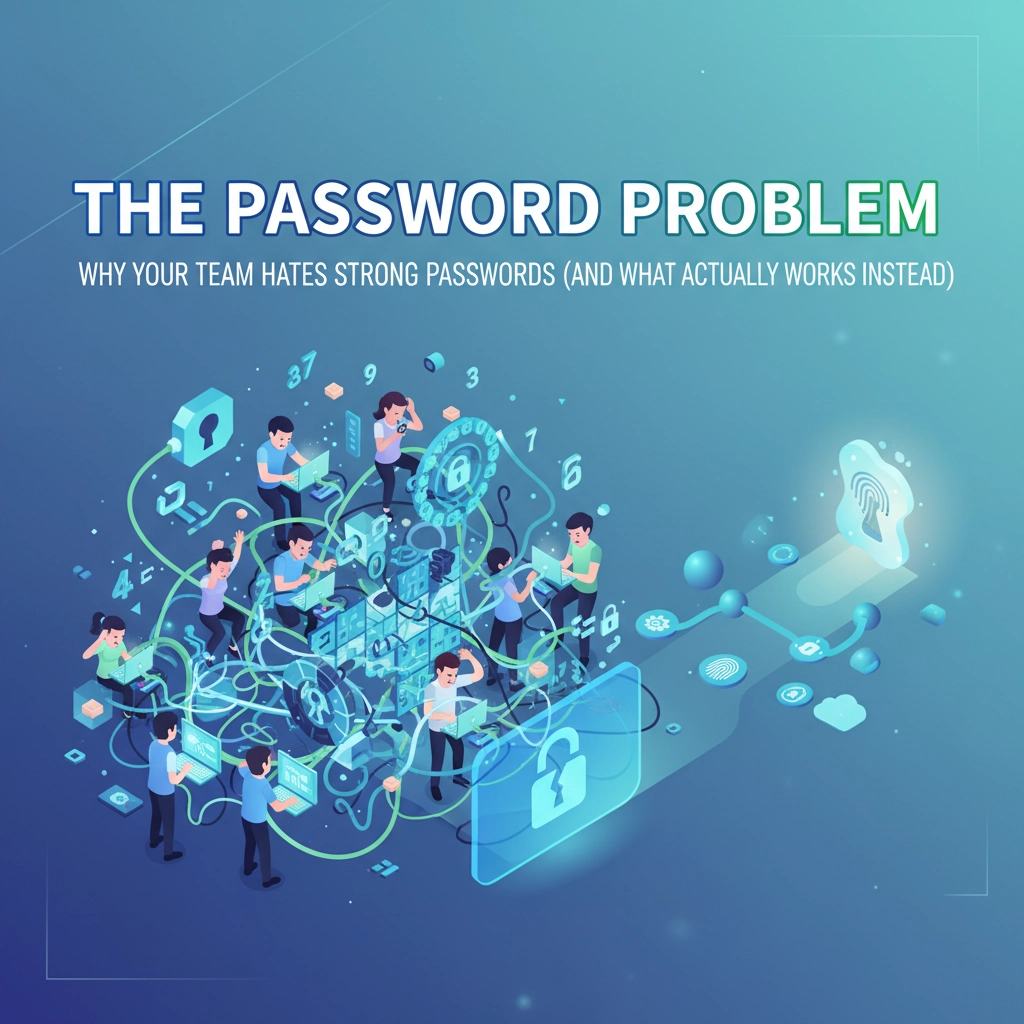
Password management made simple. Yes, "password123" needs to go. But you don't need to memorize 50 complex passwords. A good password manager creates and remembers strong passwords for everything. You just need to remember one master password. That's it.
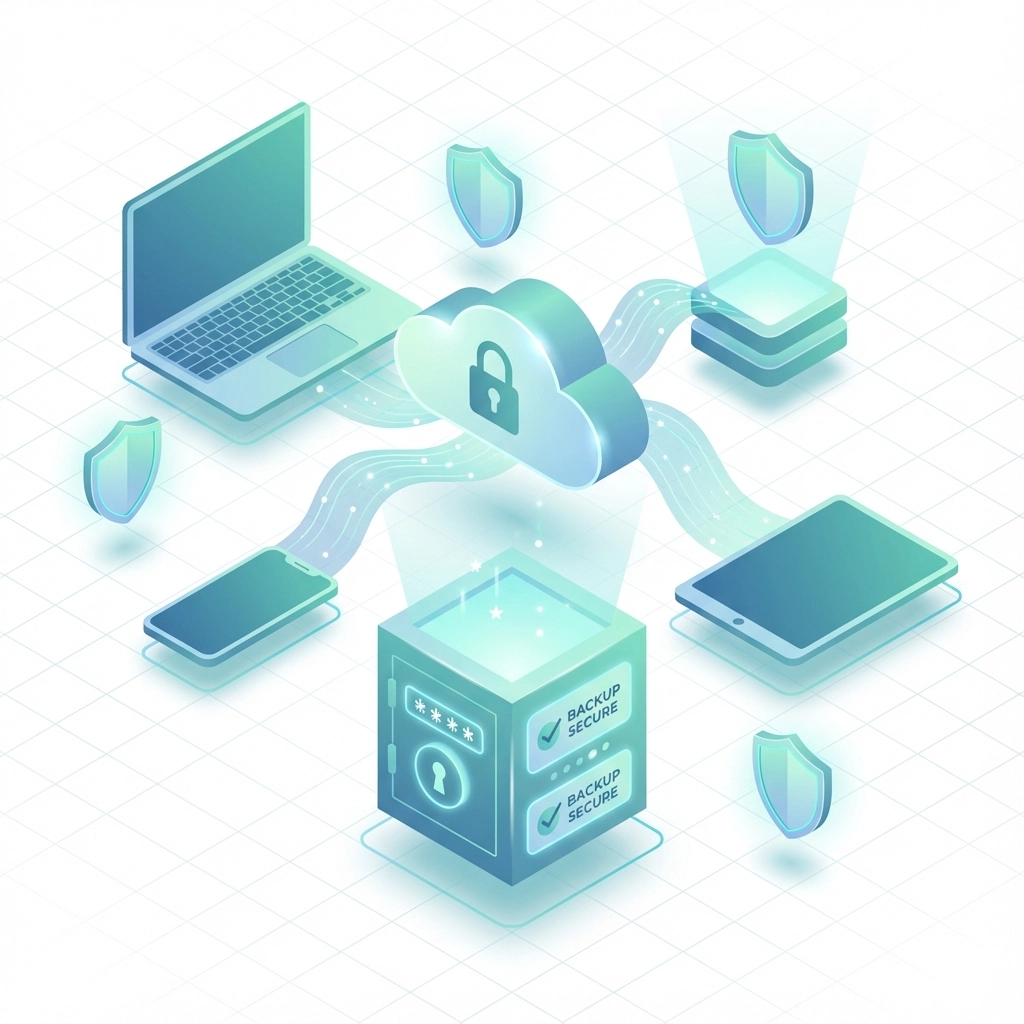
Cloud storage that actually makes sense. Moving to cloud-based file storage isn't about following trends: it's about being able to access your work from anywhere, share files securely with clients, and never again worry about whether you saved something on your work computer or home laptop.
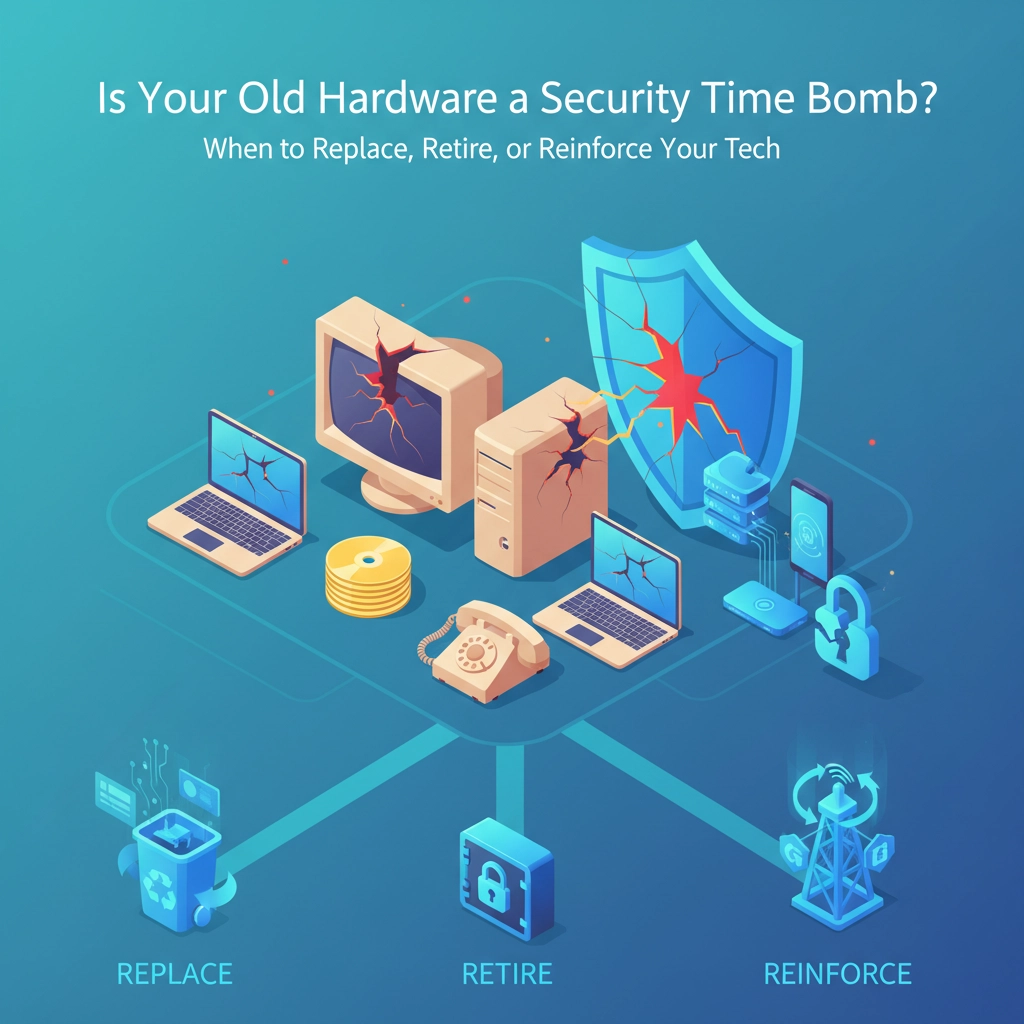
Regular system checkups. You wouldn't ignore your car's maintenance schedule, but many businesses run their computers until they literally won't turn on. Regular updates and checkups prevent 90% of the dramatic tech failures that stress you out.
Building Digital Trust: The Competitive Advantage You Didn't Know You Had
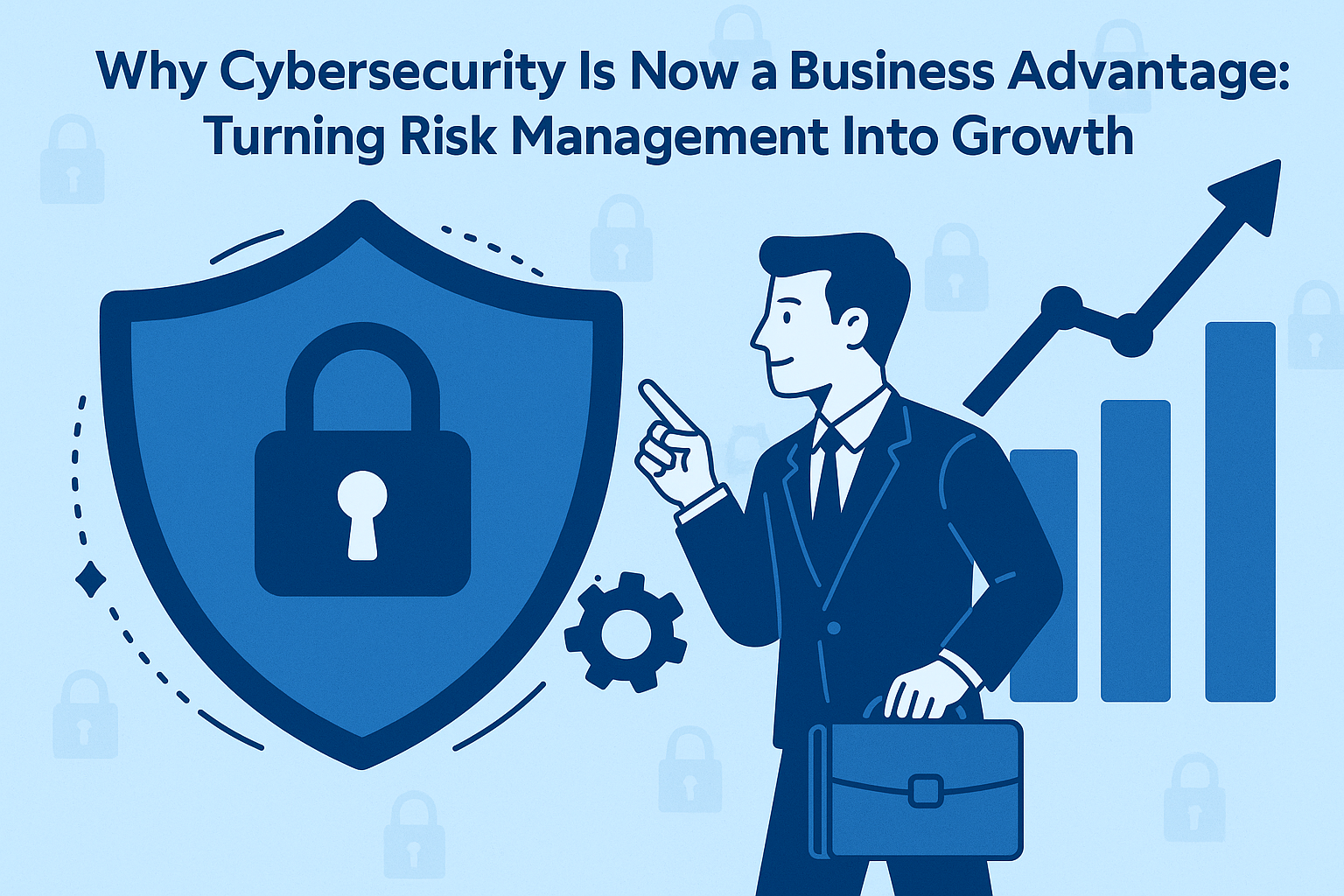
Here's what most small businesses miss: when you get your digital house in order, you're not just avoiding problems: you're creating a competitive advantage.
Customers notice when you respond to emails quickly and consistently. They remember when you can easily find their previous orders or project details. They talk about businesses that make working together feel smooth and professional.
Consistency builds confidence. When your systems work reliably, you can make and keep commitments. When clients know they can reach you, that their information is safe with you, and that you deliver what you promise when you promise it, trust follows naturally.
Transparency becomes easy. Good systems make it simple to keep clients updated, share project progress, and provide clear documentation. This transparency doesn't just prevent misunderstandings: it demonstrates professionalism that sets you apart from competitors who are still winging it.

Scaling becomes possible. Here's the hidden benefit: when your systems work, growth doesn't break them. You can take on more clients, handle larger projects, or expand your services without everything falling apart. The businesses still winging it hit a ceiling where adding more work just creates more chaos.
The Mindset Shift That Changes Everything
The real transformation isn't technical: it's mental. It's moving from "I'll deal with that when it breaks" to "I'll set this up so it doesn't break." It's changing from "we're too small to need real systems" to "we're too small to survive without them."
This isn't about becoming a technology company. It's about being a professional business that uses technology well. There's a huge difference.
The businesses thriving in 2026 won't be the ones with the most advanced systems: they'll be the ones whose systems actually work reliably and support their goals instead of creating constant friction.
Your Next Steps Don't Have to Be Giant Leaps
If you're reading this thinking "this all sounds great, but I don't know where to start," you're in good company. The key is picking one area and improving it before moving to the next.
Maybe it's finally setting up proper backups. Maybe it's organizing your files so anyone on your team can find what they need. Maybe it's implementing a simple customer relationship management system so you stop losing track of important conversations.
The specific starting point matters less than actually starting.
The businesses that will thrive in 2026 and beyond aren't the ones with perfect systems: they're the ones that stopped making excuses and started making improvements. Small, consistent steps in the right direction beat grand plans that never get implemented.
Your customers are ready for you to be more organized, more responsive, and more reliable. Your competition is probably still winging it, which means there's an opening for you to stand out simply by having your act together.
The tools are available, affordable, and easier to use than ever. The only question is whether you're ready to stop winging it and start building the kind of digital trust that turns one-time customers into lifelong advocates.
If you're feeling overwhelmed by where to begin, that's completely normal. Sometimes the smartest move is getting an outside perspective on what would make the biggest difference for your specific situation. At B&R Computers, we've helped hundreds of small businesses make this transition without the stress or complexity you might be imagining. Give us a call for a no-pressure conversation about what simple improvements could have the biggest impact on your business.