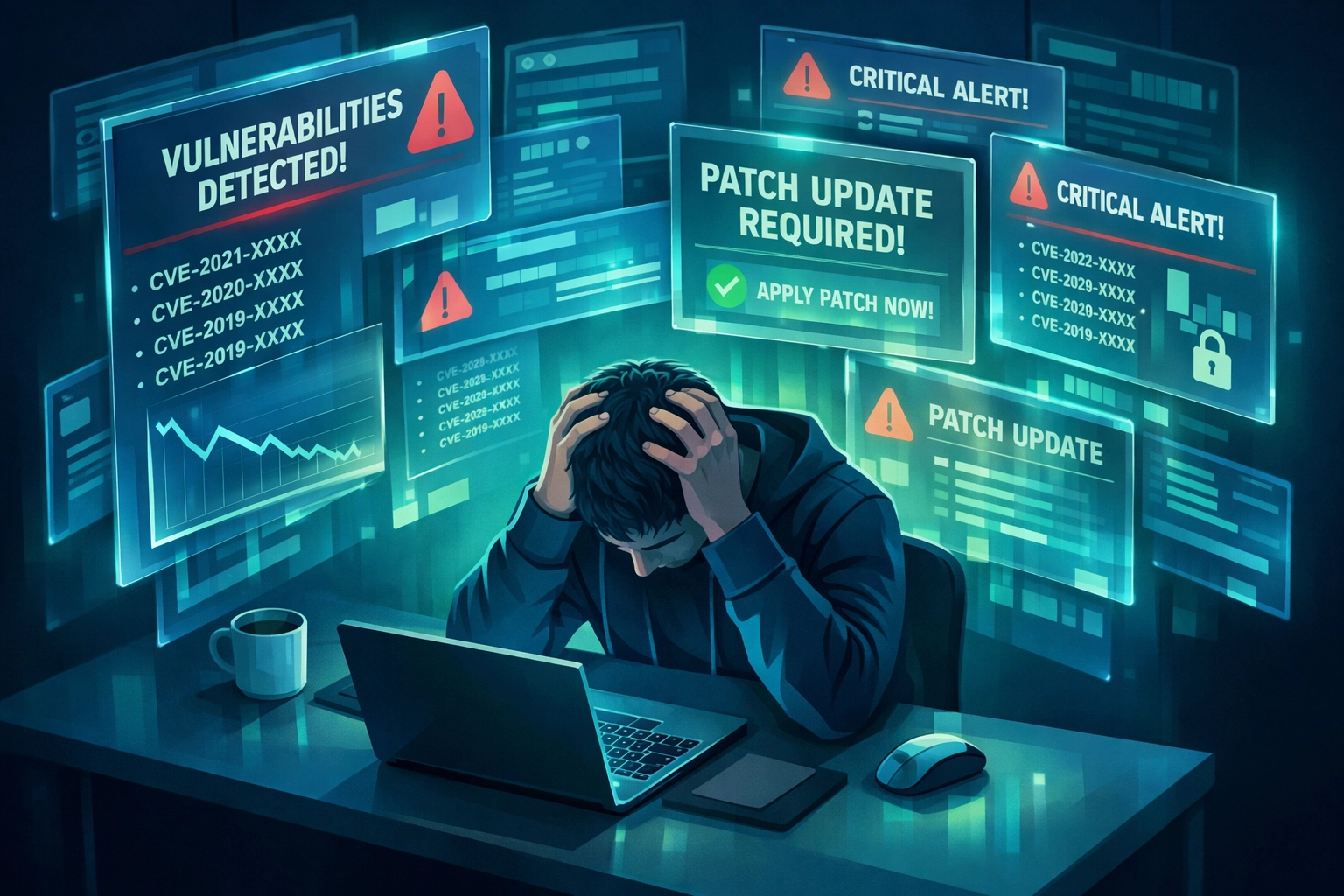
Your security scanner just flagged 247 vulnerabilities. Your patching window is tomorrow night. Your IT team consists of two people who also handle help desk tickets, software deployments, and keeping the printers working.
This is the reality for most small and mid-sized businesses. The volume of security updates, software patches, and vulnerability alerts has become completely unsustainable. In 2024, over 28,000 new CVEs (Common Vulnerabilities and Exposures) were published: the highest yearly total on record. That's more than 76 new vulnerabilities disclosed every single day.
You cannot patch everything. Trying to will burn out your team, disrupt operations, and still leave critical gaps in your defenses.
The solution isn't working harder. It's working smarter with a risk-based prioritization framework that focuses your limited resources on the vulnerabilities that actually matter to your business.
The Patch Fatigue Trap
When everything is labeled "critical," nothing is critical. More than 52% of all published vulnerabilities are scored as "High" or "Critical" severity. If you tried to treat every high-severity finding as an emergency, you'd be in perpetual crisis mode.
This leads to a dangerous cycle: Your team becomes desensitized to alerts. Patching gets delayed. Updates pile up. And when a genuinely dangerous vulnerability emerges: one that's actively being exploited in real-world attacks: it gets lost in the noise.
Meanwhile, research shows that only 2-7% of published vulnerabilities are ever exploited in the wild. That means the vast majority of "critical" patches on your list will never be used in an actual attack against your business.
The problem isn't that your team is lazy or incompetent. The problem is that traditional vulnerability management treats all findings equally and relies too heavily on technical severity scores that don't account for your specific environment, assets, or threat landscape.
What Risk-Based Prioritization Actually Means
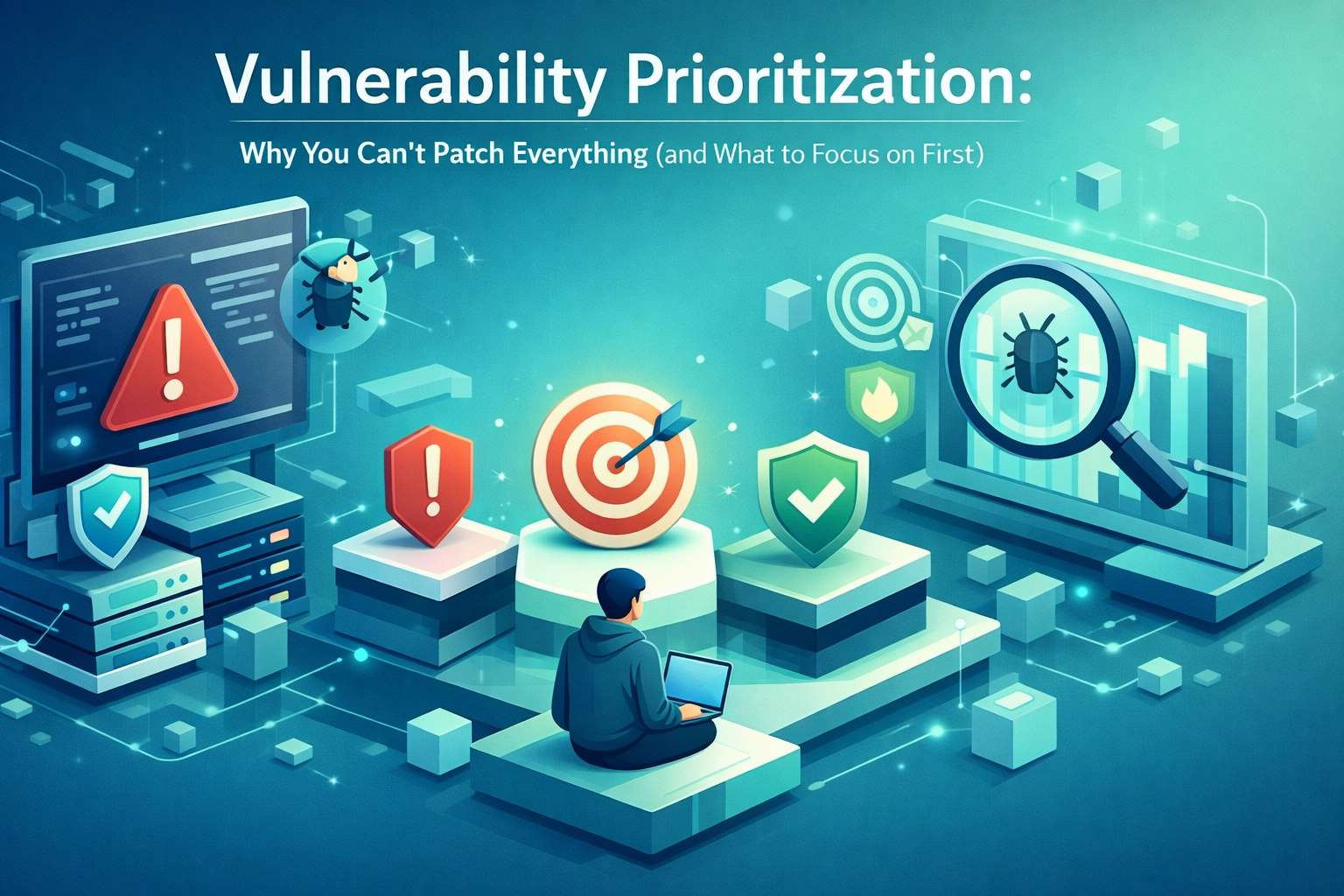
Risk-based vulnerability prioritization shifts the question from "How severe is this vulnerability?" to "What is the actual risk to our business if this vulnerability is exploited?"
This framework considers three critical dimensions:
Exploitability: Is this vulnerability being actively exploited in the wild? Are public exploit tools available? Has the security community observed threat actors targeting this specific flaw?
Asset Criticality: Does this vulnerability exist on a system that's essential to your operations? Is it on a public-facing application? Does it touch customer data or financial systems?
Business Impact: If this vulnerability were exploited, what would happen to your business? Data breach? System downtime? Regulatory violation? Reputational damage?
A medium-severity vulnerability on your payment processing server that's being actively exploited deserves immediate attention. A critical-severity vulnerability in an isolated lab environment that's not exposed to the internet and has no known exploits can wait.
Start with CISA's Known Exploited Vulnerabilities Catalog
The single most effective way to prioritize patching efforts is to focus on vulnerabilities that are already being used in real attacks.
The Cybersecurity and Infrastructure Security Agency (CISA) maintains a Known Exploited Vulnerabilities (KEV) catalog: a curated list of CVEs that have been observed in active exploitation. These aren't theoretical risks. These are vulnerabilities that threat actors are currently using to breach organizations.
If a vulnerability appears on the KEV list, it should immediately move to the top of your remediation queue regardless of its CVSS score.
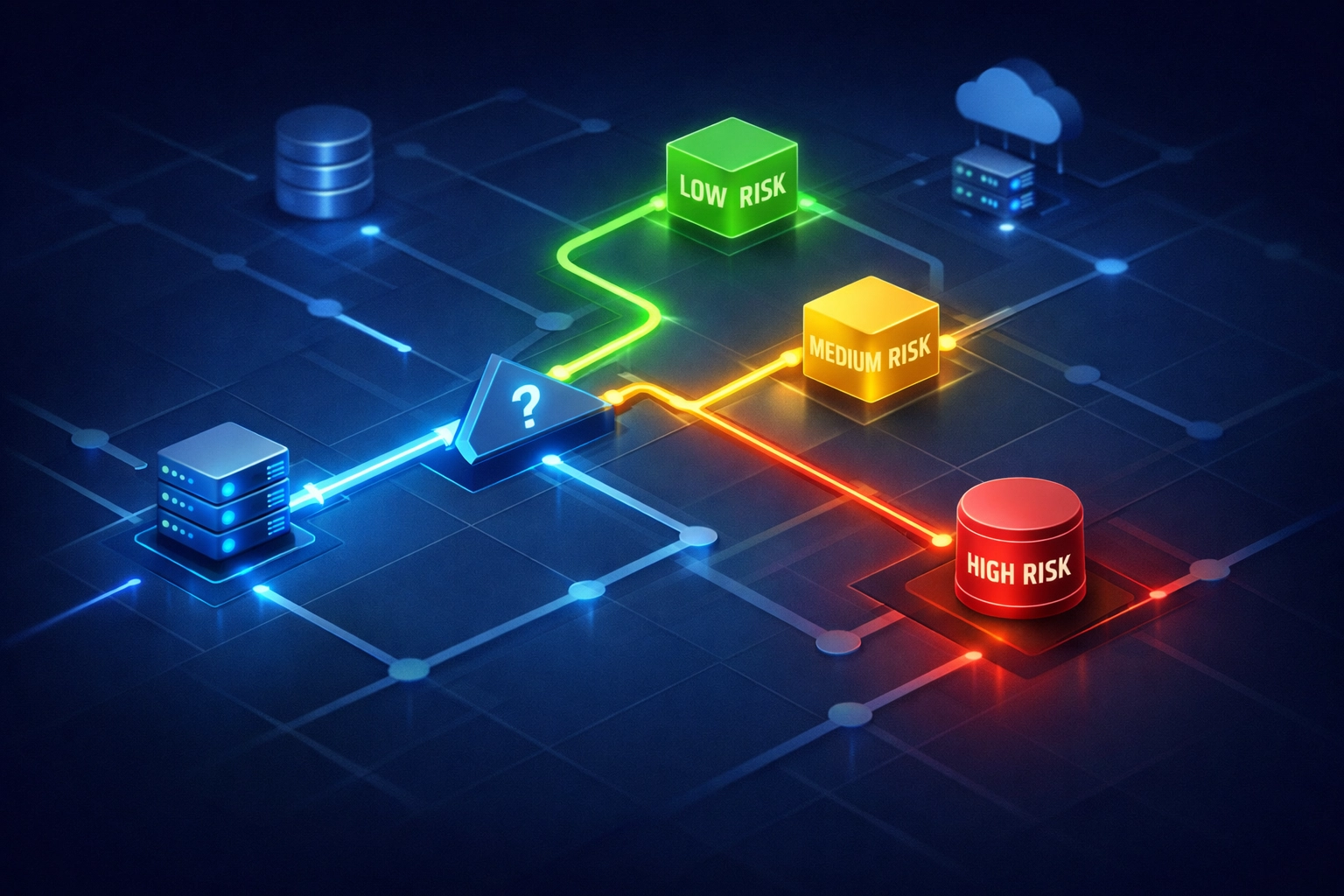
This is where small businesses have a significant advantage over enterprises. You have fewer systems, which means you can move faster. When CISA adds a new vulnerability to the KEV catalog, you should be able to identify affected systems and deploy patches within days: not weeks or months.
Federal agencies are required to patch KEV vulnerabilities within 15 days. That's a reasonable benchmark for your organization as well.
Asset Criticality: Not All Systems Are Equal
A vulnerability scanner doesn't understand your business. It can't tell the difference between a critical payment gateway and a decommissioned test server that's still plugged in somewhere.
You need to build an asset inventory that categorizes systems based on their business criticality:
Tier 1 (Critical): Systems essential to operations, customer-facing applications, financial systems, databases containing sensitive information, authentication servers.
Tier 2 (Important): Internal applications, file servers, email systems, productivity tools.
Tier 3 (Low): Development environments, test systems, isolated lab equipment.
A high-severity vulnerability on a Tier 1 asset requires immediate action. The same vulnerability on a Tier 3 asset can be scheduled for the next maintenance window.
This approach also helps you allocate resources appropriately. If your team can only patch 50 systems this week, make sure those 50 systems are the ones that actually matter.
Moving Beyond CVSS Scores
The Common Vulnerability Scoring System (CVSS) is useful for understanding technical severity, but it's a terrible tool for prioritization decisions.
CVSS tells you how easy it is to exploit a vulnerability and what the potential impact might be under perfect conditions. It doesn't tell you whether anyone is actually exploiting it, whether your environment is vulnerable to that specific attack vector, or whether the affected system matters to your business.
A more effective prioritization matrix combines multiple factors:
- CVSS Score: Technical severity baseline
- Exploitability: Public exploits available? Active exploitation observed?
- Asset Value: Business criticality of affected systems
- Threat Intelligence: Are threat actors targeting organizations like yours?
- Exposure Level: Is the vulnerable system accessible from the internet?
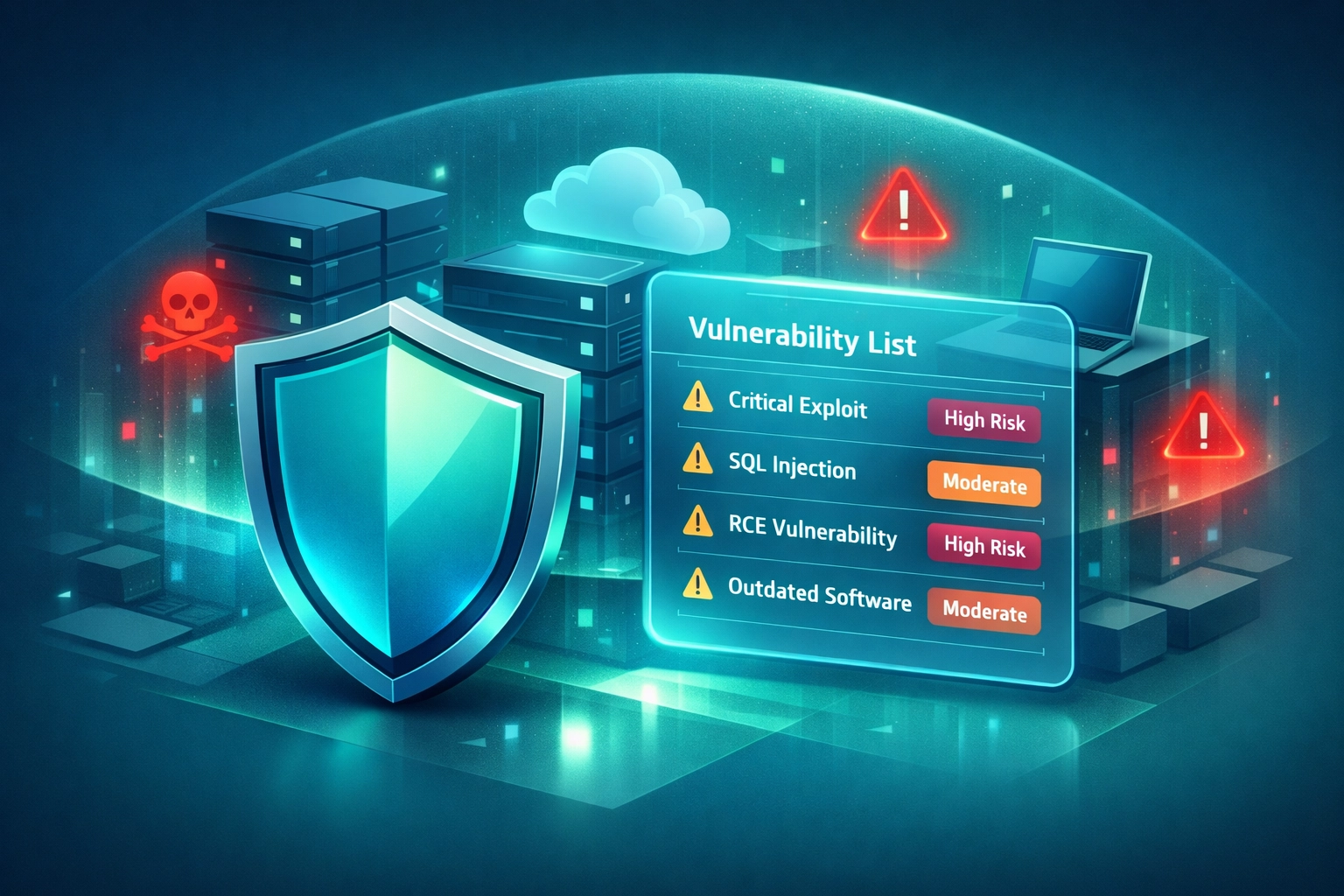
This multi-dimensional approach ensures you're not just chasing severity scores but actually reducing risk to your organization.
Automate the Easy Patches, Manually Vet Critical Infrastructure
Not every patch requires the same level of scrutiny and testing.
Web browsers, productivity applications, and endpoint software should be patched automatically and quickly. These applications are frequently targeted, updates are generally stable, and the risk of a bad patch causing operational disruption is low.
Critical infrastructure: servers, databases, authentication systems, custom applications: requires more careful handling. Test patches in a non-production environment first. Schedule updates during maintenance windows. Have rollback procedures ready.
This two-tier patching strategy allows you to maintain velocity on low-risk updates while still exercising appropriate caution on high-risk systems.
Building a Sustainable Vulnerability Management Program
Effective vulnerability prioritization isn't a one-time project. It's an ongoing process that requires:
Continuous Scanning: Your environment changes constantly. New systems come online, configurations shift, and software gets updated. Automated vulnerability scanning should run weekly at minimum.
Threat Intelligence Integration: Subscribe to threat intelligence feeds and security advisories relevant to your industry. When a new attack campaign targets your sector, you need to know immediately.
Weekly Prioritization Reviews: Dedicate time each week to review new vulnerabilities, reassess priorities based on emerging threats, and adjust your remediation schedule accordingly.
Metrics That Matter: Track mean time to patch for KEV vulnerabilities, percentage of Tier 1 assets fully patched, and reduction in exploitable vulnerabilities over time. Ignore vanity metrics like total vulnerabilities found.
The goal isn't zero vulnerabilities. That's impossible. The goal is zero exploitable paths to your most critical assets.
Getting Expert Help When You Need It
For small businesses without dedicated security teams, building and maintaining a risk-based vulnerability management program can feel overwhelming.
B&R Computers provides continuous vulnerability monitoring and risk-based patching strategies tailored to small businesses, tax professionals, financial firms, healthcare practices, and property management companies. We focus on protecting your most critical assets without disrupting your workflow: so your team can focus on running your business, not chasing vulnerability reports.
If you're drowning in patch alerts and struggling to separate signal from noise, let's talk about how we can help.