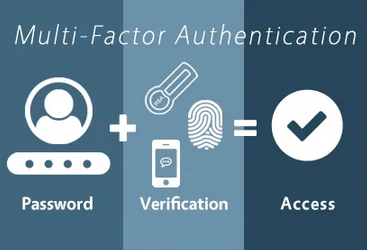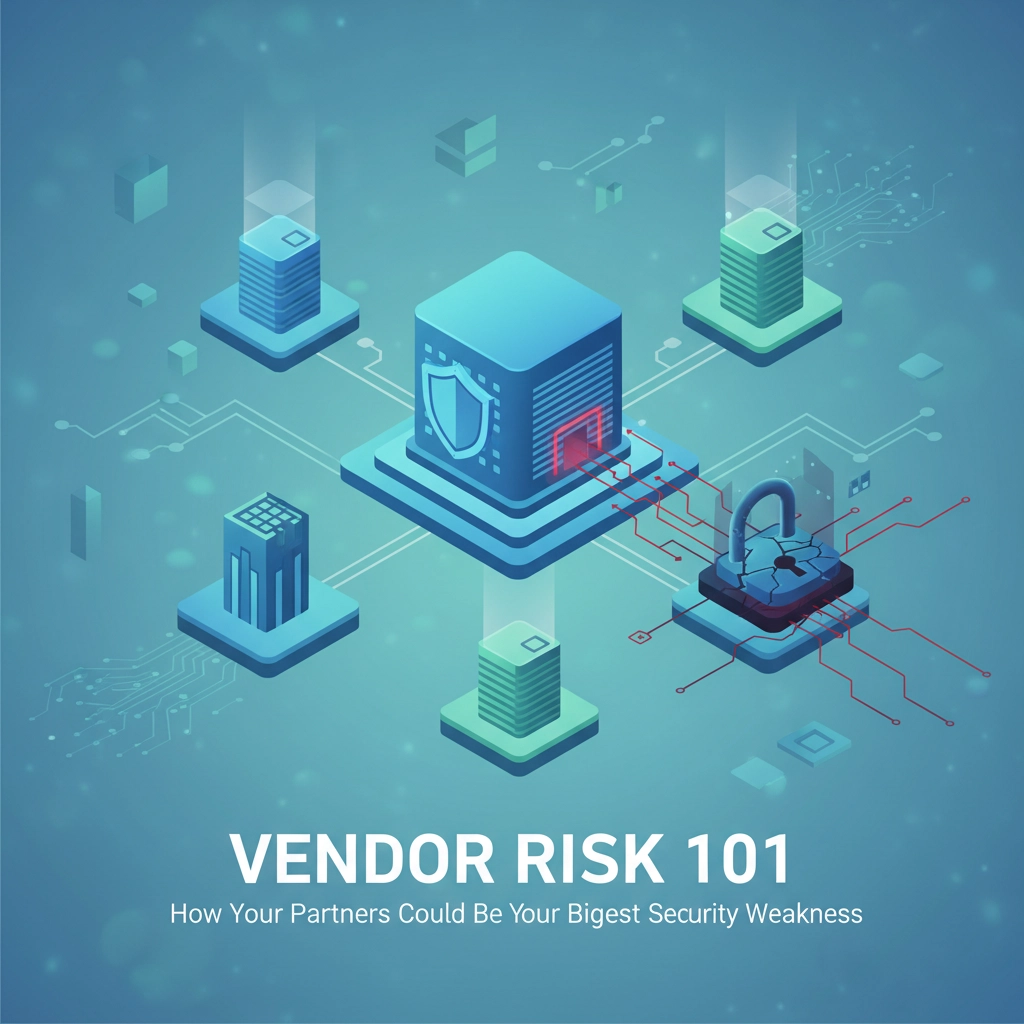
Your firewall is configured. Your employees completed security awareness training. You've implemented multi-factor authentication across all internal systems. But here's the uncomfortable truth: your most significant cybersecurity vulnerability likely sits outside your organization entirely: in the hands of a vendor you trust with your data.
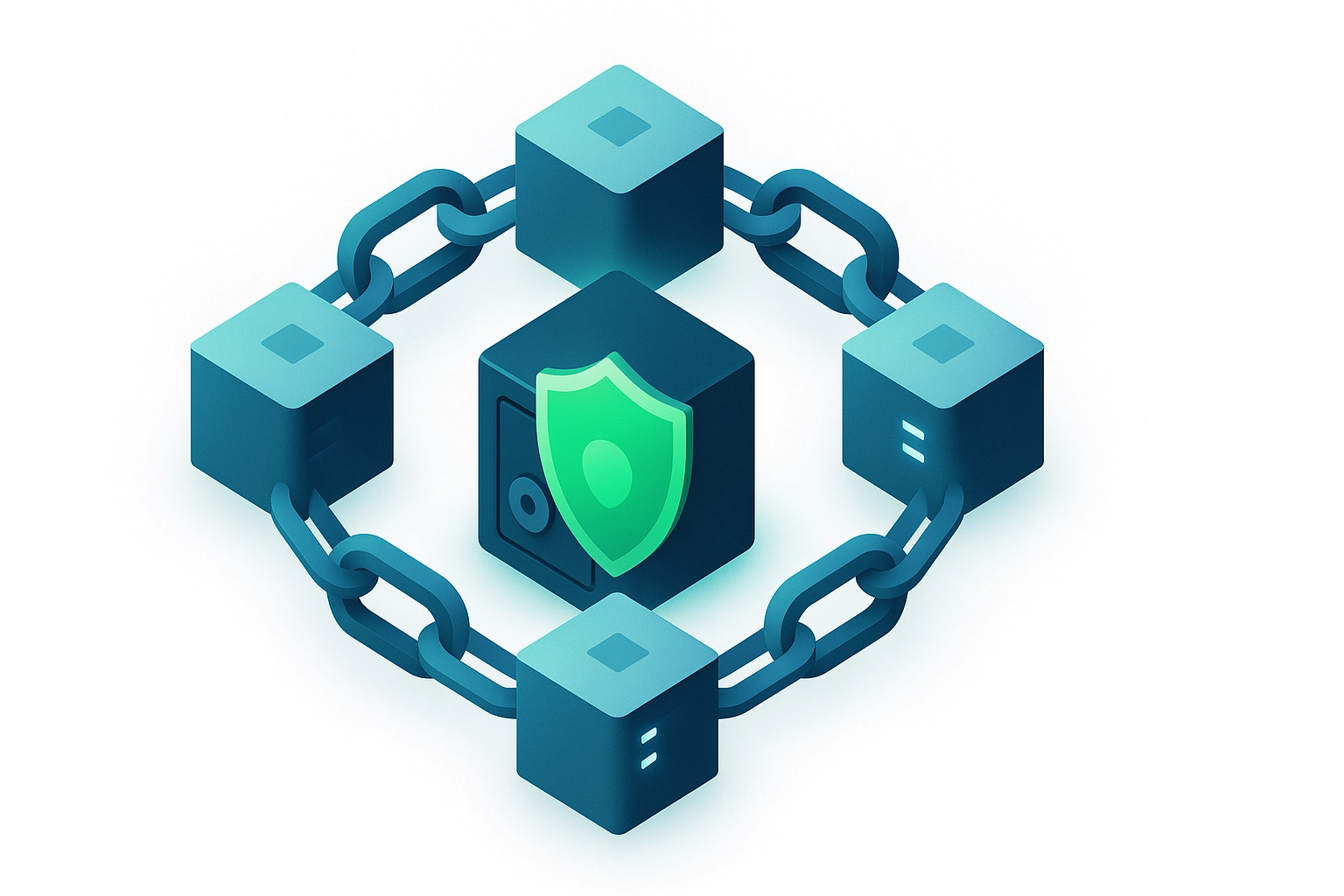
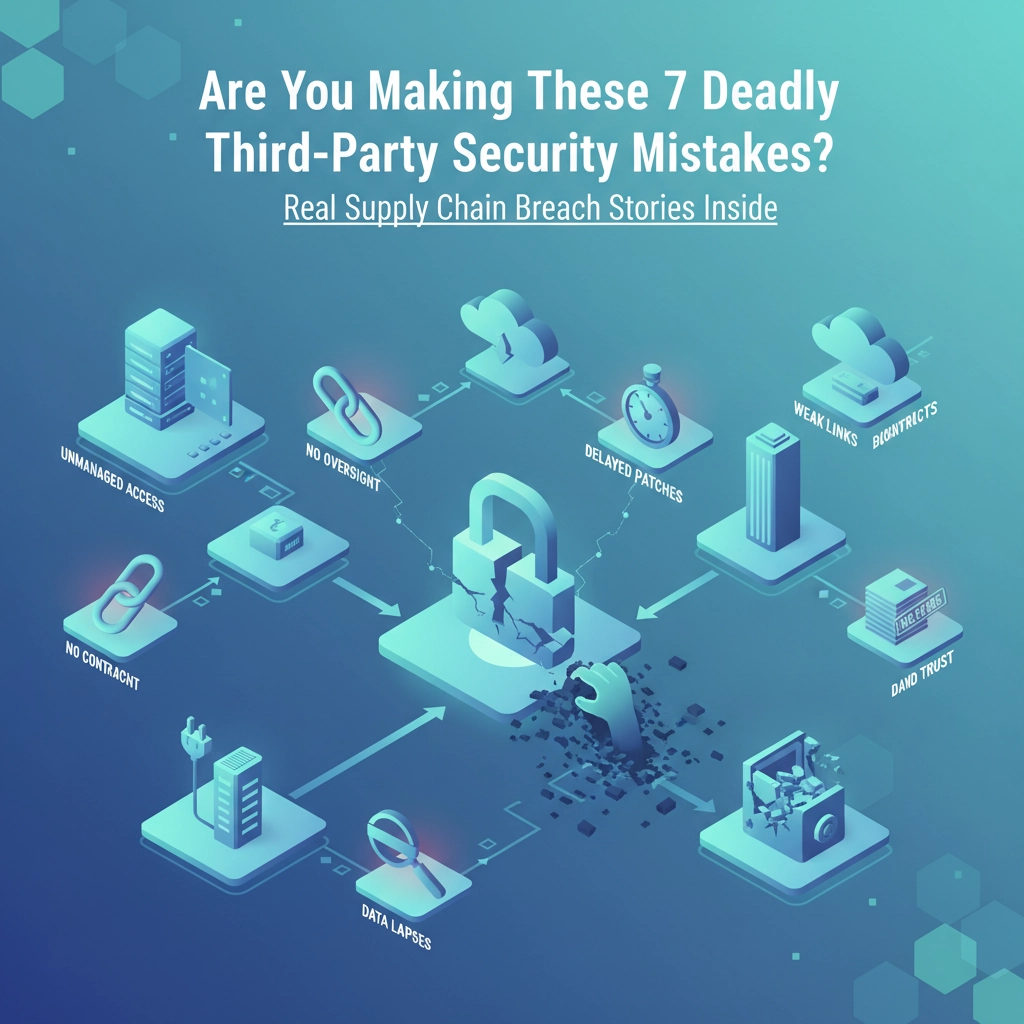
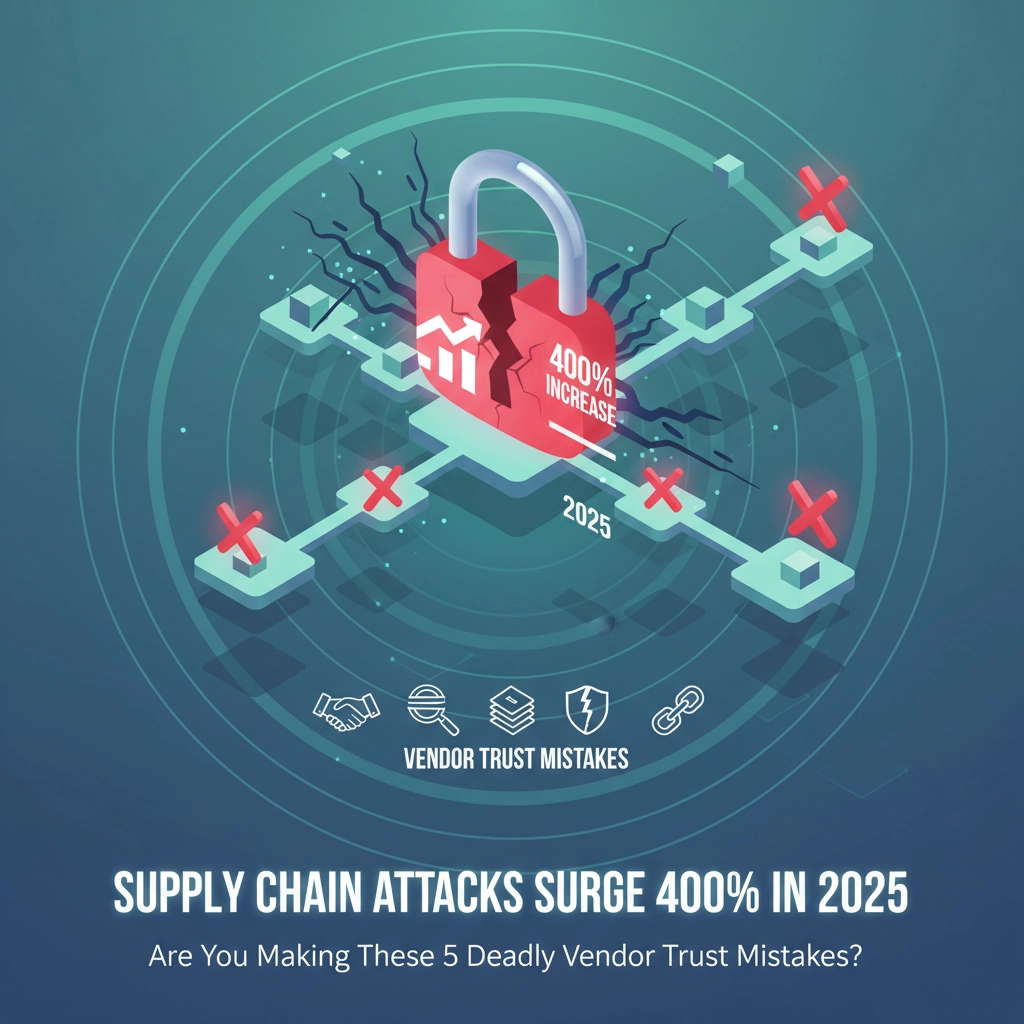
Third-party breaches have become the silent epidemic of modern cybersecurity. While headlines focus on direct attacks, the reality is that threat actors increasingly bypass hardened defenses by exploiting the weakest link in your digital ecosystem: your supply chain.
You Own the Data: Even When You Don't Control It
Small businesses and financial firms often operate under a dangerous misconception: if a vendor loses your client data, that's the vendor's problem. This couldn't be further from the truth.
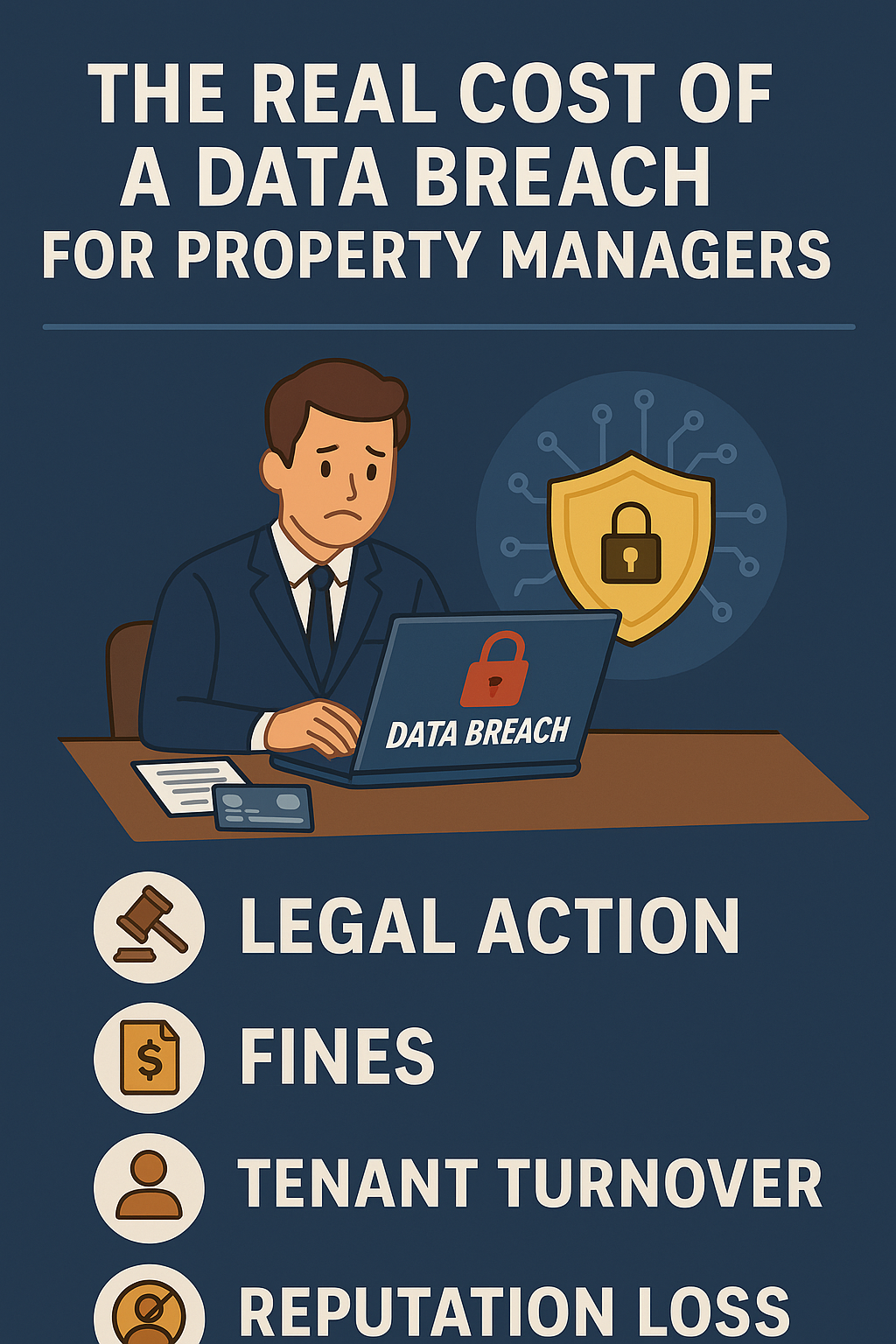
Under regulations like GLBA, HIPAA, and state privacy laws, you remain legally responsible for protecting the data you collect: regardless of where it lives or who manages it. When a cloud accounting platform, payroll processor, or document management system suffers a breach, your clients don't sue the vendor. They sue you. Regulatory bodies don't fine the SaaS company. They fine you.
This legal reality demands a fundamental shift in how you think about cybersecurity. Your security perimeter doesn't end at your office door or your network edge. It extends to every vendor, contractor, cloud service, and software tool that touches your data.
The Supply Chain Attack Surface Is Massive: and Growing
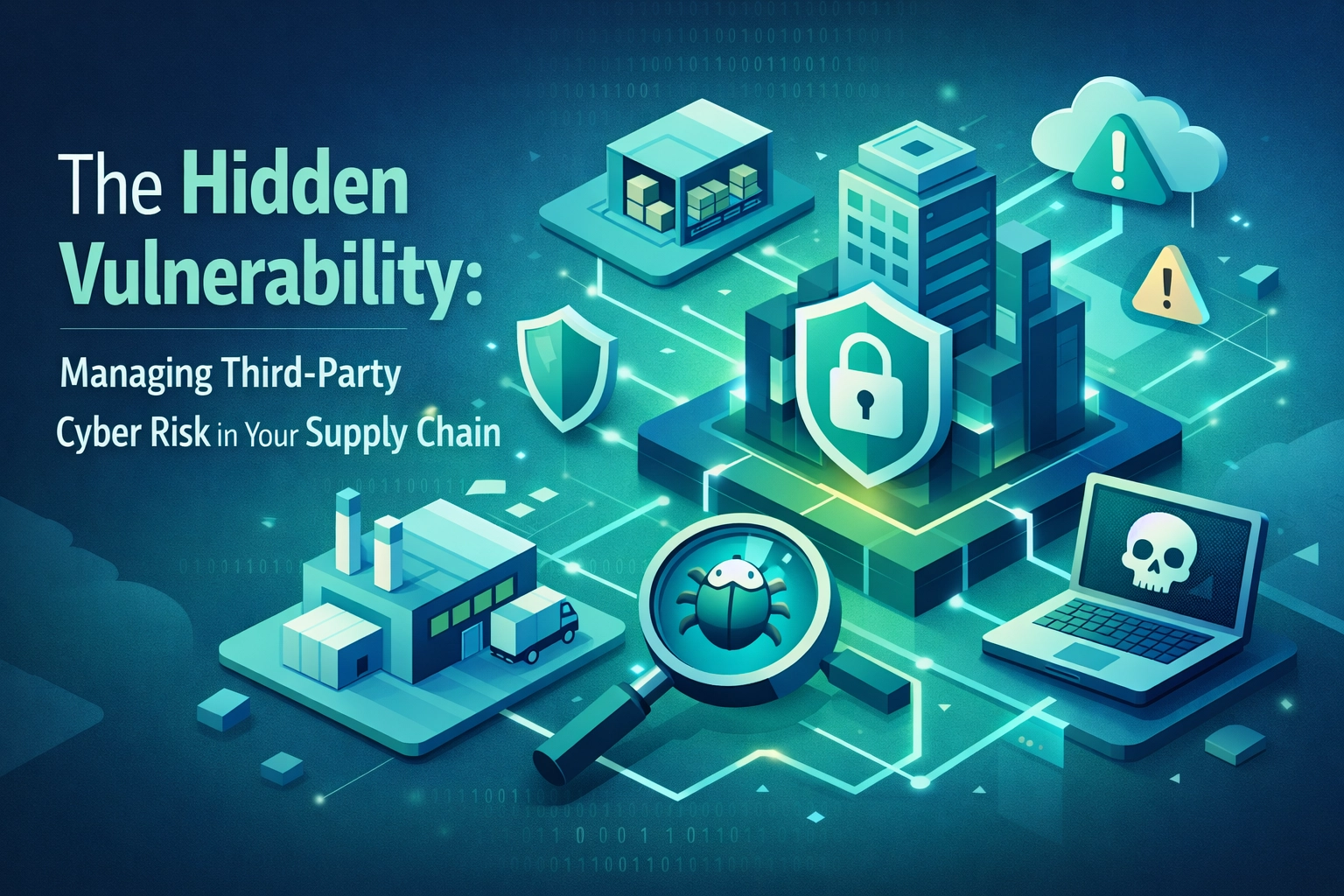
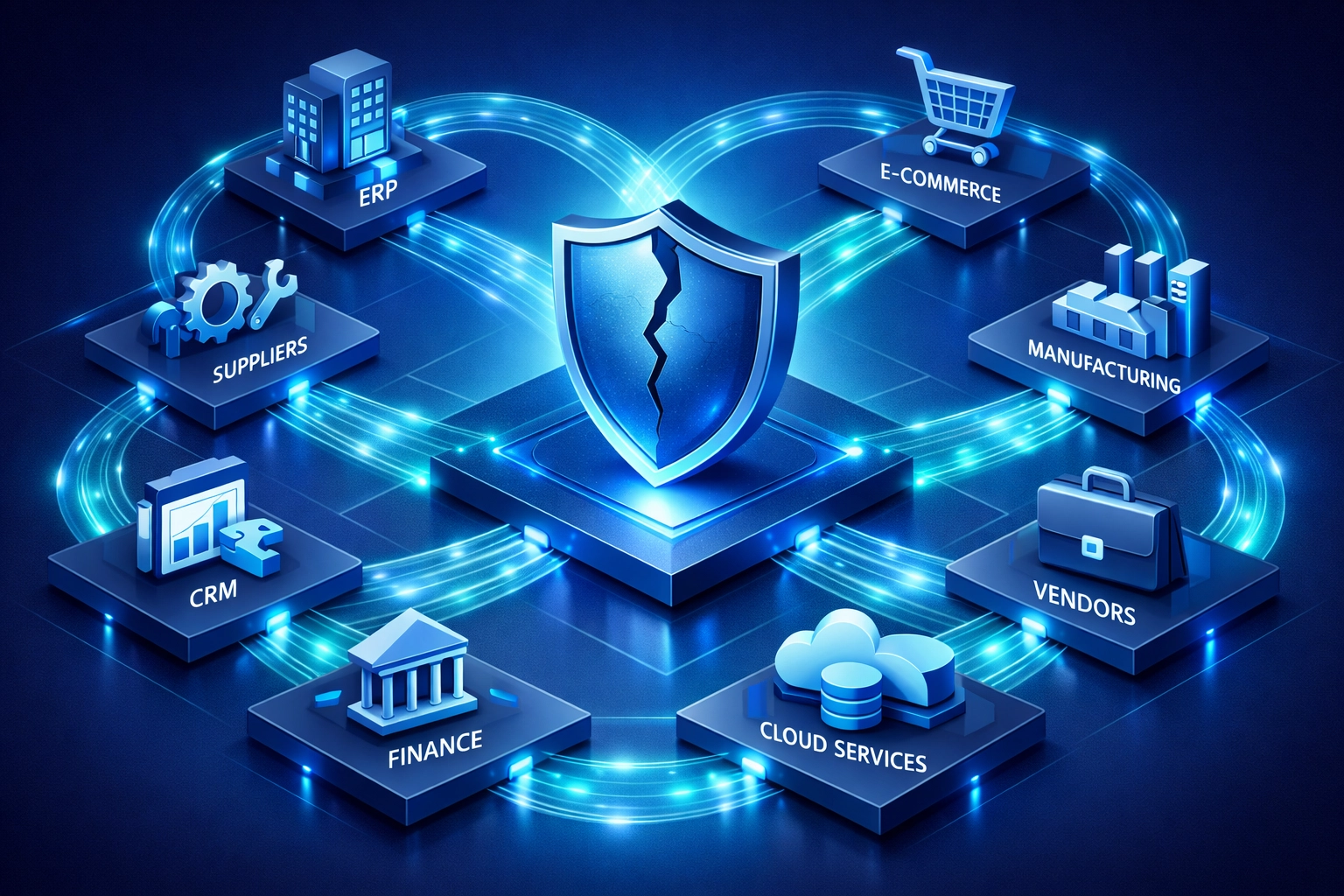
Consider the average small financial firm's digital ecosystem: accounting software, tax preparation platforms, secure file sharing services, CRM systems, email providers, backup solutions, payment processors, and potentially dozens of other specialized tools. Each vendor represents a potential entry point for attackers.
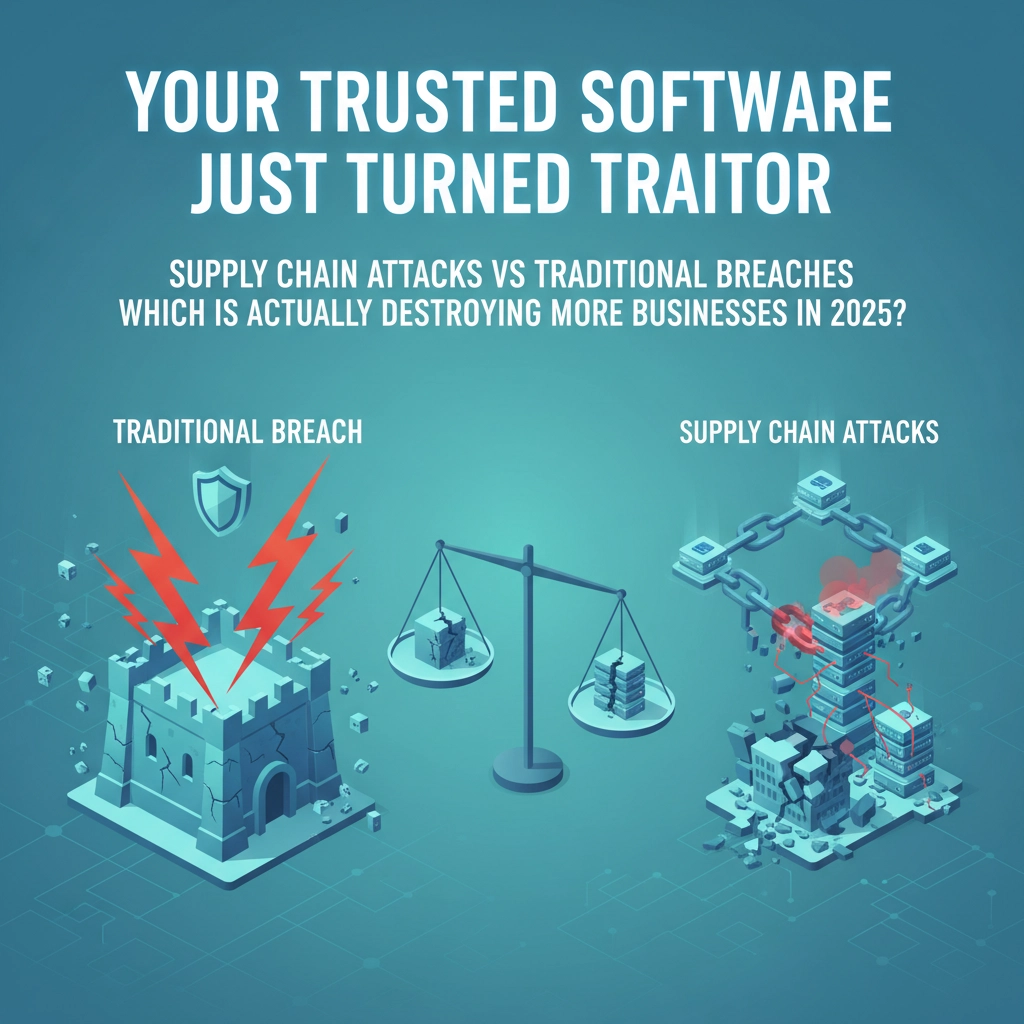
Recent attack patterns reveal a disturbing trend: sophisticated threat actors no longer need to breach your defenses directly. They compromise a trusted vendor: often a software provider or managed service provider: and use that access as a springboard into hundreds or thousands of downstream customers simultaneously.
The math is simple from an attacker's perspective: why spend resources targeting individual small businesses when compromising one vendor grants access to their entire client base? This is why third-party breaches have become a leading cause of data exposure for organizations that lack robust vendor management processes.
The Critical Vulnerabilities in Your Supply Chain
Several interconnected weaknesses make supply chain security particularly challenging for small businesses:
Limited visibility. Most organizations can't answer basic questions about their vendor ecosystem: How many third parties have access to our data? What data does each vendor actually access? How secure are their systems? Without this visibility, you're managing risk blind.
Inconsistent security maturity. Your organization might have excellent security practices, but that means nothing if a critical vendor operates with minimal safeguards. The security of your entire operation is only as strong as your weakest vendor's controls.
Single points of failure. Heavy reliance on one or two critical vendors creates concentration risk. If that accounting platform goes down due to a ransomware attack, can your business continue operating?
Poor information sharing. Many vendors resist disclosing security incidents or vulnerabilities, leaving you unaware that your data has been compromised until it's too late: or never knowing at all.
Practical Steps to Secure Your Digital Supply Chain
Managing third-party cyber risk doesn't require enterprise-scale resources. It requires systematic thinking and disciplined execution of several key practices.
Build and Maintain a Vendor Inventory
Start with visibility. Create a comprehensive inventory of every vendor, contractor, cloud service, and software tool that accesses, stores, or processes your data. This inventory should document:
- What data each vendor accesses
- How they access it (API, direct login, file transfer, etc.)
- Where the data is stored
- What security certifications they maintain
- When you last reviewed their security posture
This isn't a one-time exercise. Treat it as a living document that gets updated whenever you add new services or vendors.
Implement a Tiered Risk Assessment Model
Not all vendors present equal risk. A document scanning tool with read-only access to public filings poses different risks than your core accounting platform that houses every client's financial records.
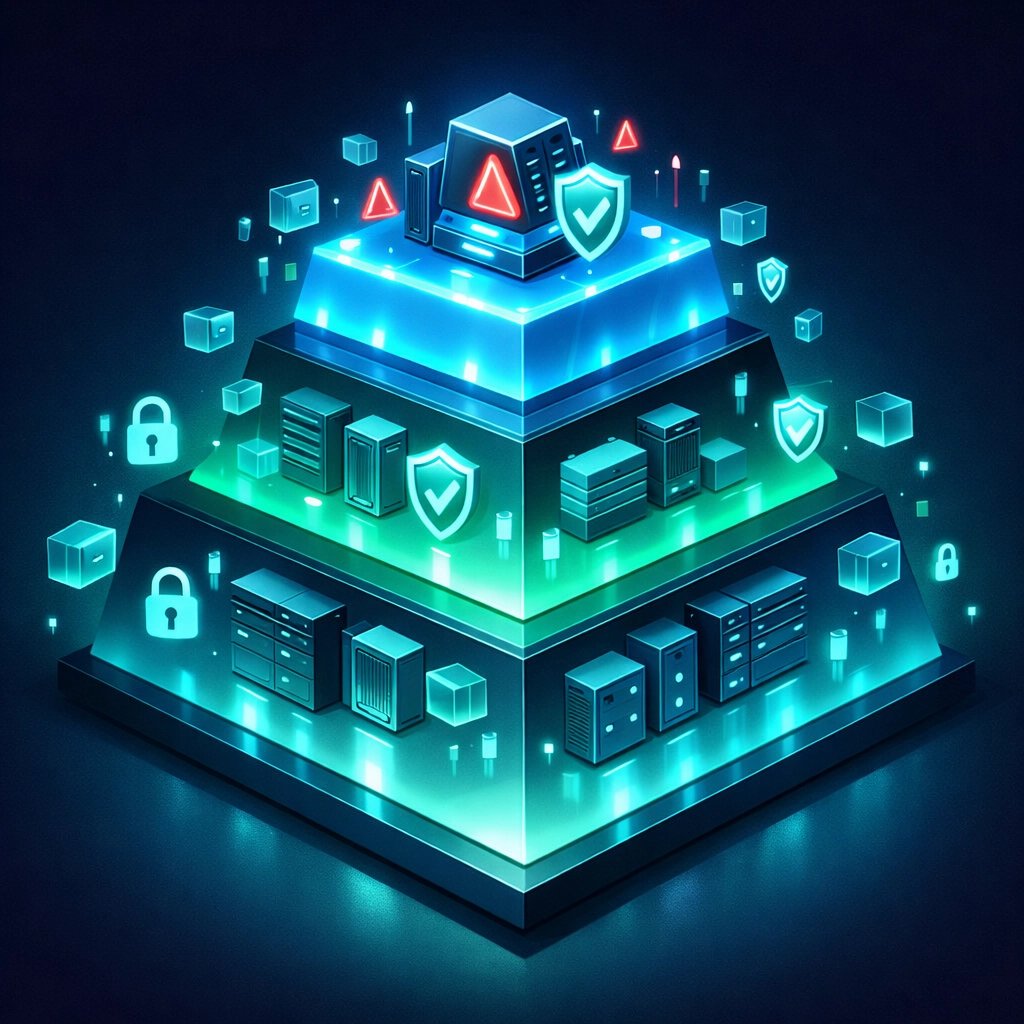
Categorize vendors into risk tiers based on the sensitivity of data they access and the criticality of their services to your operations. High-risk vendors deserve intensive scrutiny. Low-risk vendors still need review, but less frequently and with lighter-touch assessments.
Demand: and Review: Security Documentation
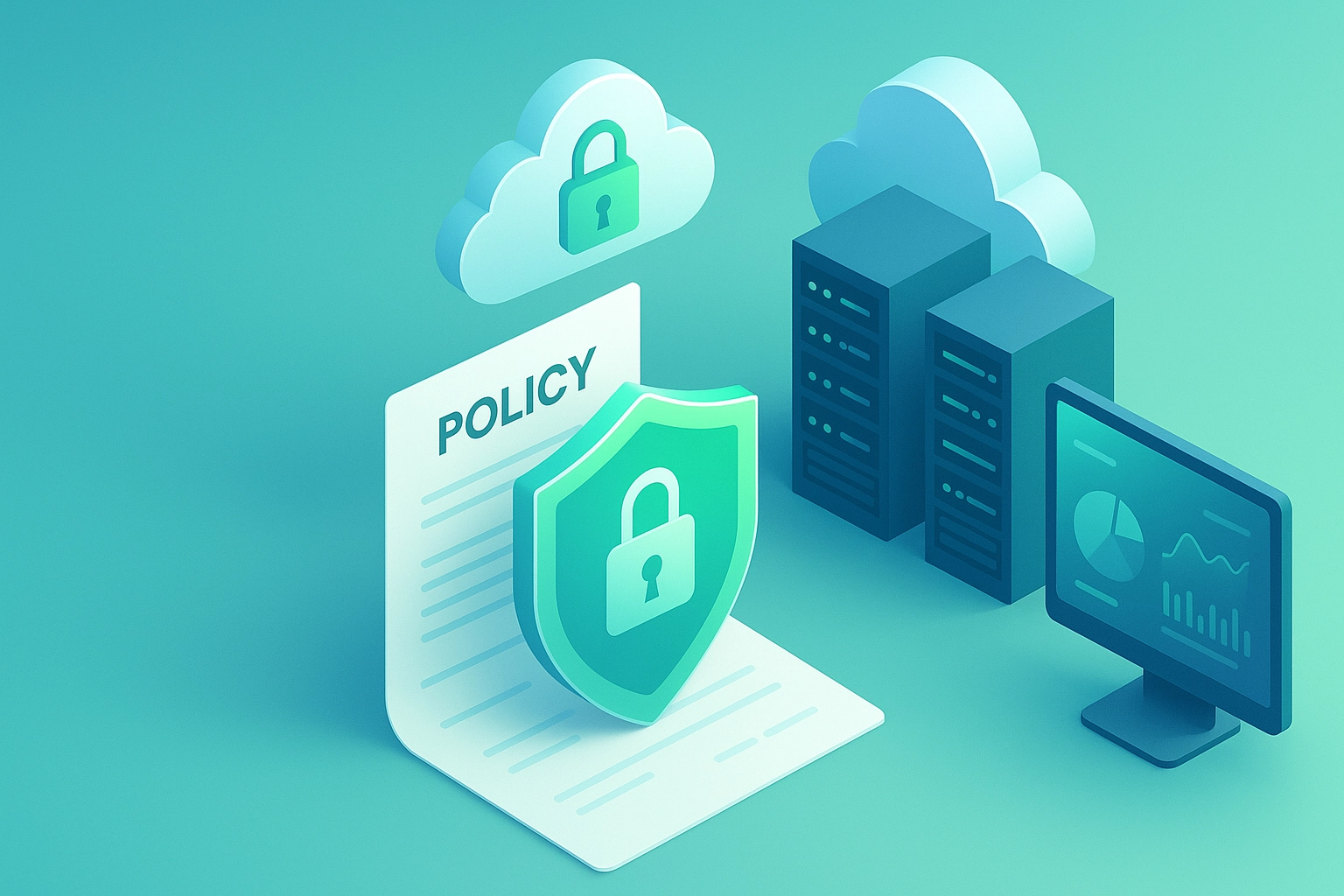
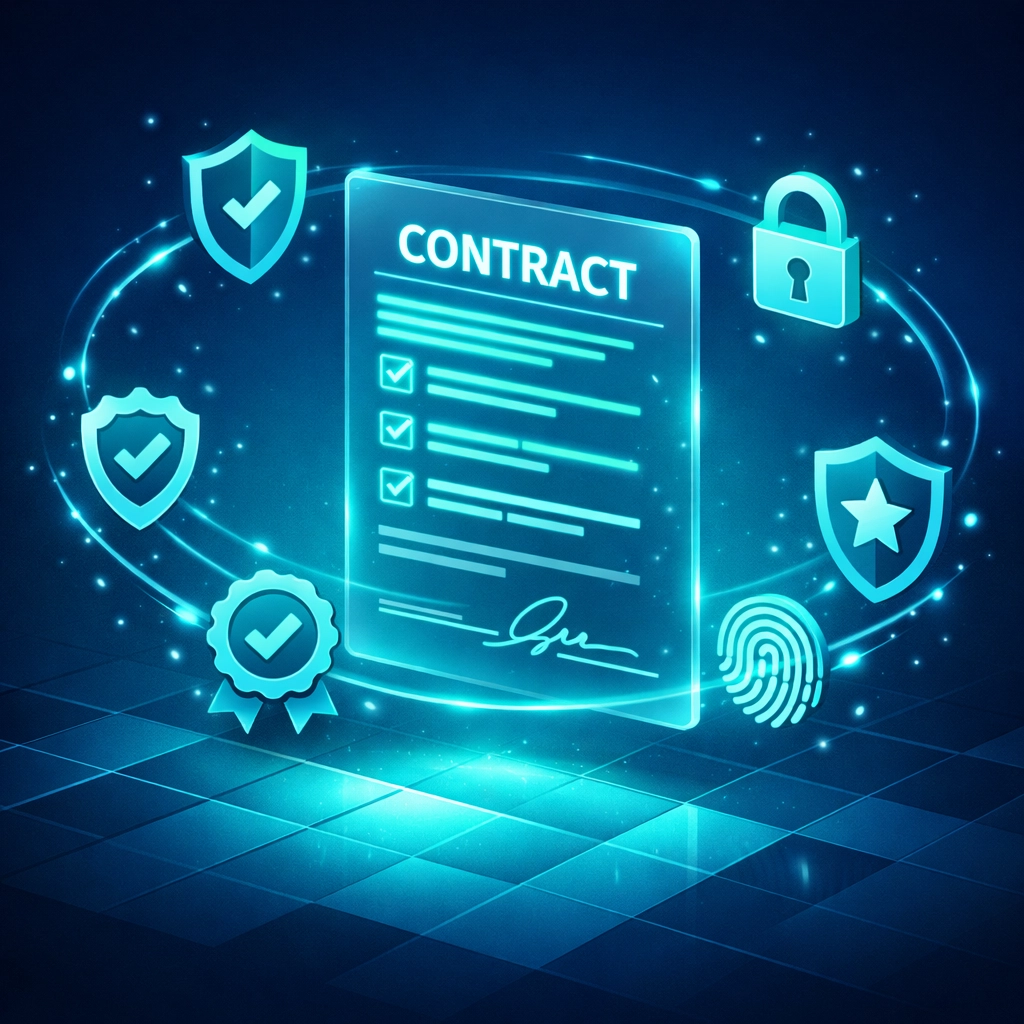
For any vendor handling sensitive data, request and actually review their SOC 2 Type II reports. These independent audits verify that the vendor maintains effective security controls over time, not just at a single point in time.
If a vendor can't provide SOC 2 documentation, that's a red flag. For critical services, consider it a disqualifying factor. The cost and effort of obtaining SOC 2 certification demonstrates a vendor's commitment to security: and provides you with third-party verification of their claims.
Don't just collect these reports and file them away. Review the scope of what's covered, examine any exceptions or qualifications, and understand what controls the auditor actually tested.
Build Security Into Contracts
Security requirements shouldn't be an afterthought negotiated after you've already selected a vendor. They need to be explicit contract terms from the beginning.
Include specific clauses that address:
- Security standards. Require vendors to maintain specific security controls and certifications
- Incident notification. Mandate notification within a defined timeframe (24-48 hours) if they experience a breach affecting your data
- Right to audit. Reserve your right to review their security practices, either directly or through a third-party assessor
- Data handling. Specify exactly what they can do with your data: and what they absolutely cannot do
- Termination and data return. Define what happens to your data if you terminate the relationship
These contract terms create accountability and establish clear expectations from day one.
Apply Least Privilege to Vendor Access
The principle of least privilege: granting only the minimum access necessary to perform a function: applies equally to vendors as it does to employees.
Don't give vendors blanket administrative access when limited user access would suffice. Don't allow access to all client data when they only need specific records. Don't grant permanent access when temporary, time-limited access would work.
Implement technical controls where possible: use API keys with limited scopes instead of full credentials, create separate service accounts for vendor access that can be easily monitored and revoked, and require multi-factor authentication for any vendor accessing your systems directly.
Establish Vendor Monitoring Processes
Annual vendor reviews are better than nothing, but they're insufficient for high-risk vendors. Implement continuous monitoring where practical:
- Set up alerts for any security incidents or breaches involving your vendors
- Review vendor access logs quarterly for anomalies
- Track vendor security certifications and require notification when they lapse
- Conduct spot checks on vendor security practices
This ongoing oversight ensures you catch problems early rather than discovering them months later during an annual review.
The Real-World Impact of Vendor Security Failures
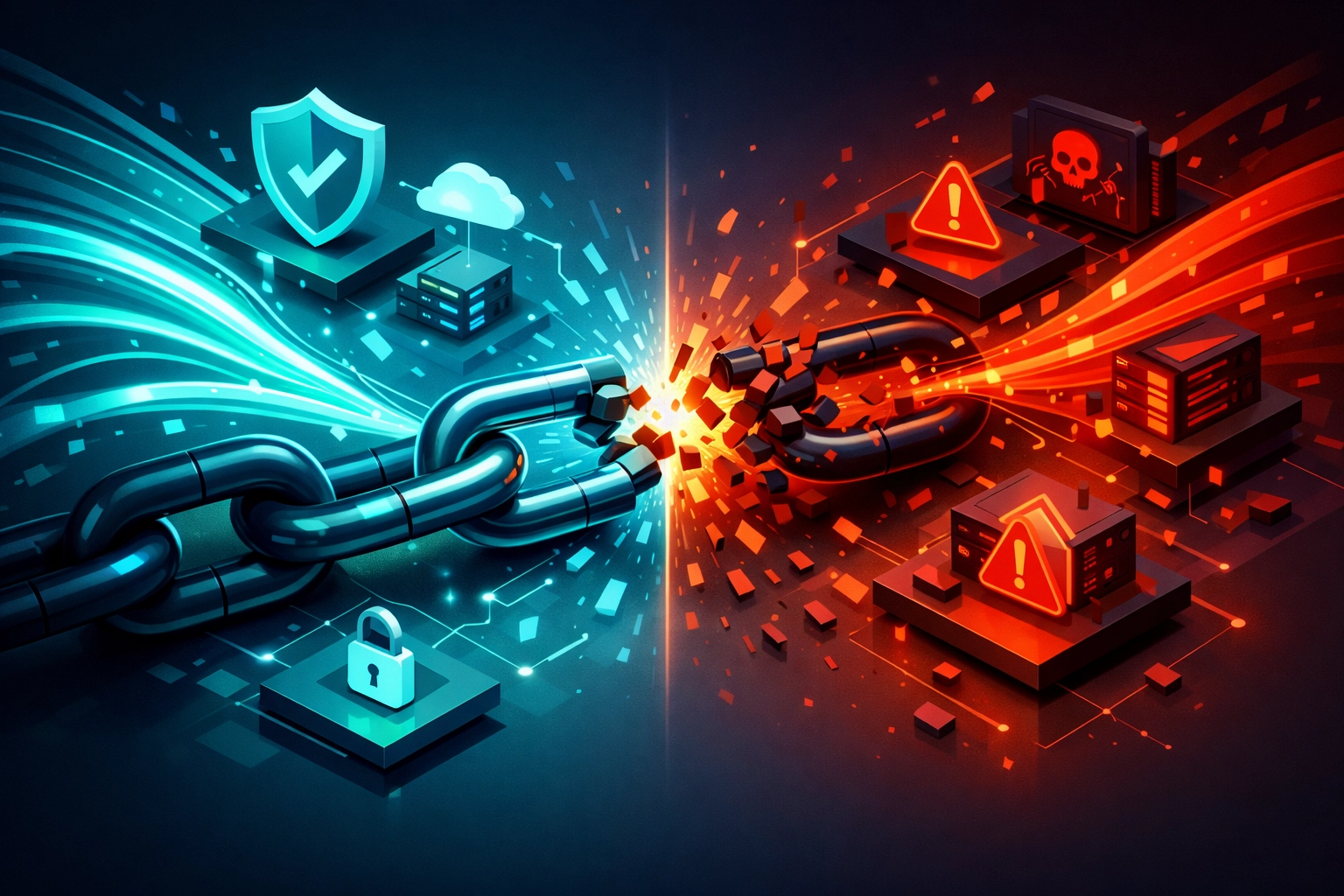
Consider a common scenario: a small accounting firm uses a cloud-based tax preparation platform. The firm has excellent internal security: strong passwords, MFA, regular training, network monitoring. But the tax software vendor gets breached through a vulnerability in their third-party payment processing integration.
Suddenly, thousands of client tax returns: containing Social Security numbers, income data, bank account information: are exposed. The accounting firm didn't do anything wrong with their own security. But they're still responsible for notifying affected clients, potentially facing regulatory penalties, dealing with reputation damage, and managing the fallout.
This isn't a hypothetical. Similar scenarios play out regularly across small businesses and financial firms that trusted vendors without verifying their security practices.
Moving Beyond Compliance to Strategic Risk Management
The goal isn't simply checking boxes on a compliance checklist. It's fundamentally reducing the risk that a vendor compromise becomes your crisis.
This requires thinking about vendor security as an integral component of your overall security strategy: not a separate procurement issue or legal concern. It means involving security considerations in vendor selection from the beginning, not after contracts are signed. It means ongoing monitoring and assessment, not annual reviews that quickly become outdated.
Most importantly, it means recognizing that managing third-party risk is an investment in business continuity and client trust, not just a regulatory burden.
Take Control of Your Supply Chain Security
Your vendors are part of your security perimeter whether you've formally acknowledged it or not. The question is whether you're managing that expanded perimeter proactively or waiting to discover vulnerabilities after they've been exploited.
B&R Computers specializes in helping small businesses and financial firms evaluate their digital supply chains and implement robust third-party risk management strategies that prevent back-door breaches. We work with you to identify high-risk vendors, establish practical assessment processes, and build ongoing monitoring programs that fit your organization's size and resources: without requiring enterprise-scale budgets or dedicated security teams.
Don't wait for a vendor breach to expose your clients' data and your business to liability. The time to secure your supply chain is before the attack, not after. Contact us to discuss how we can help you take control of third-party cyber risk.