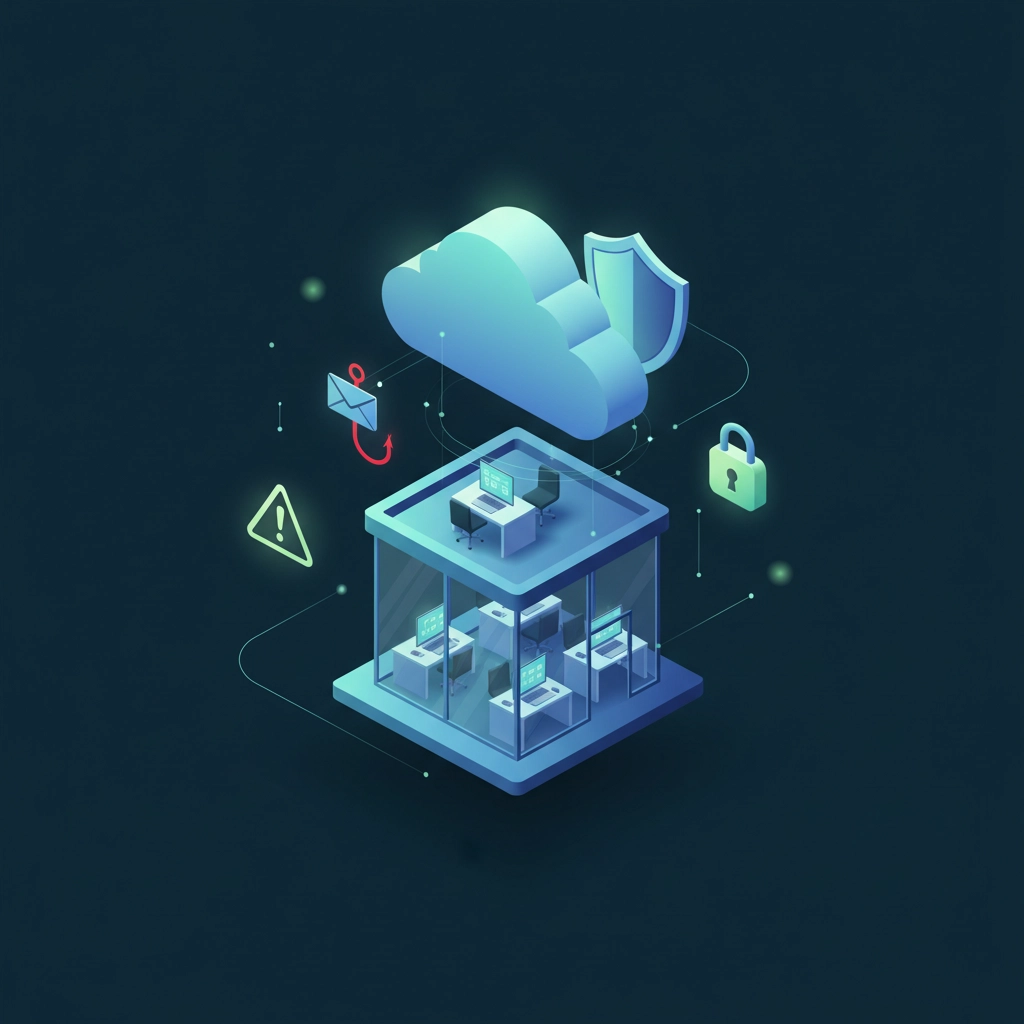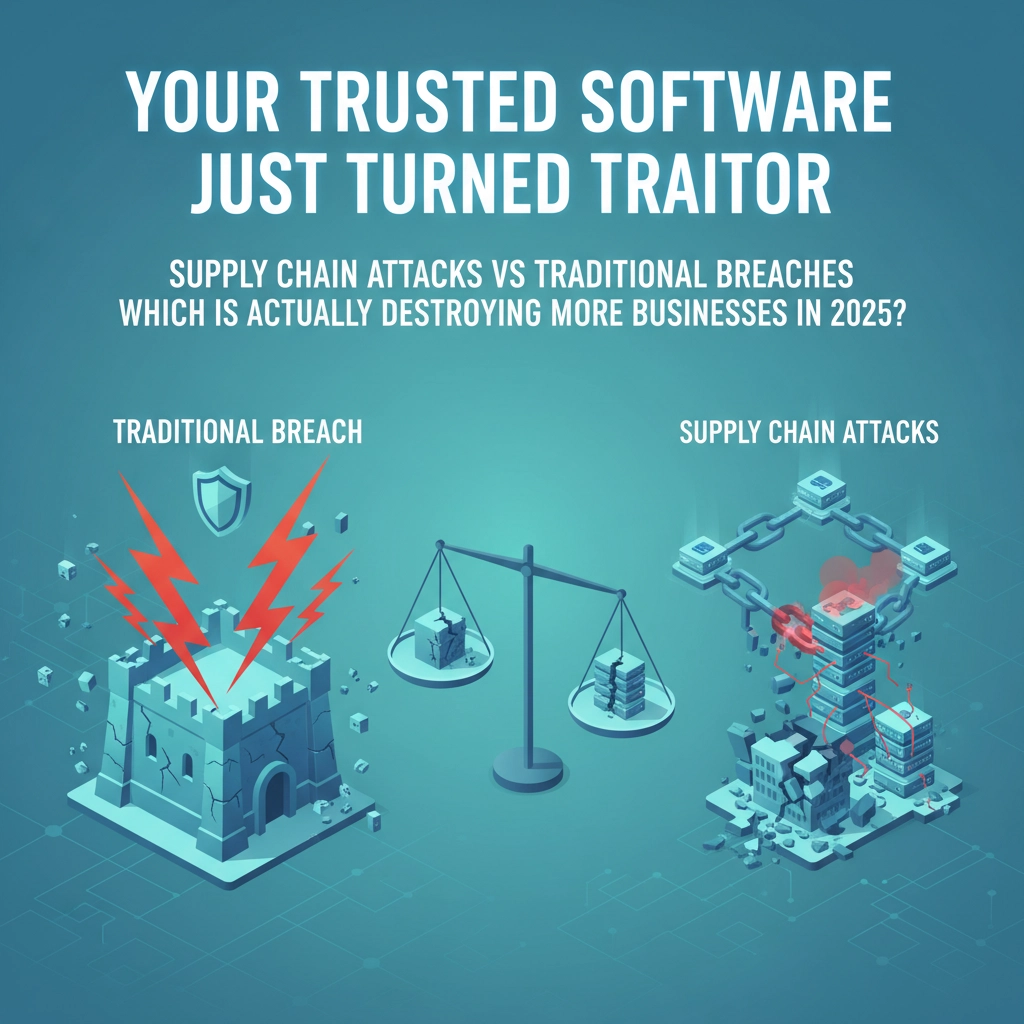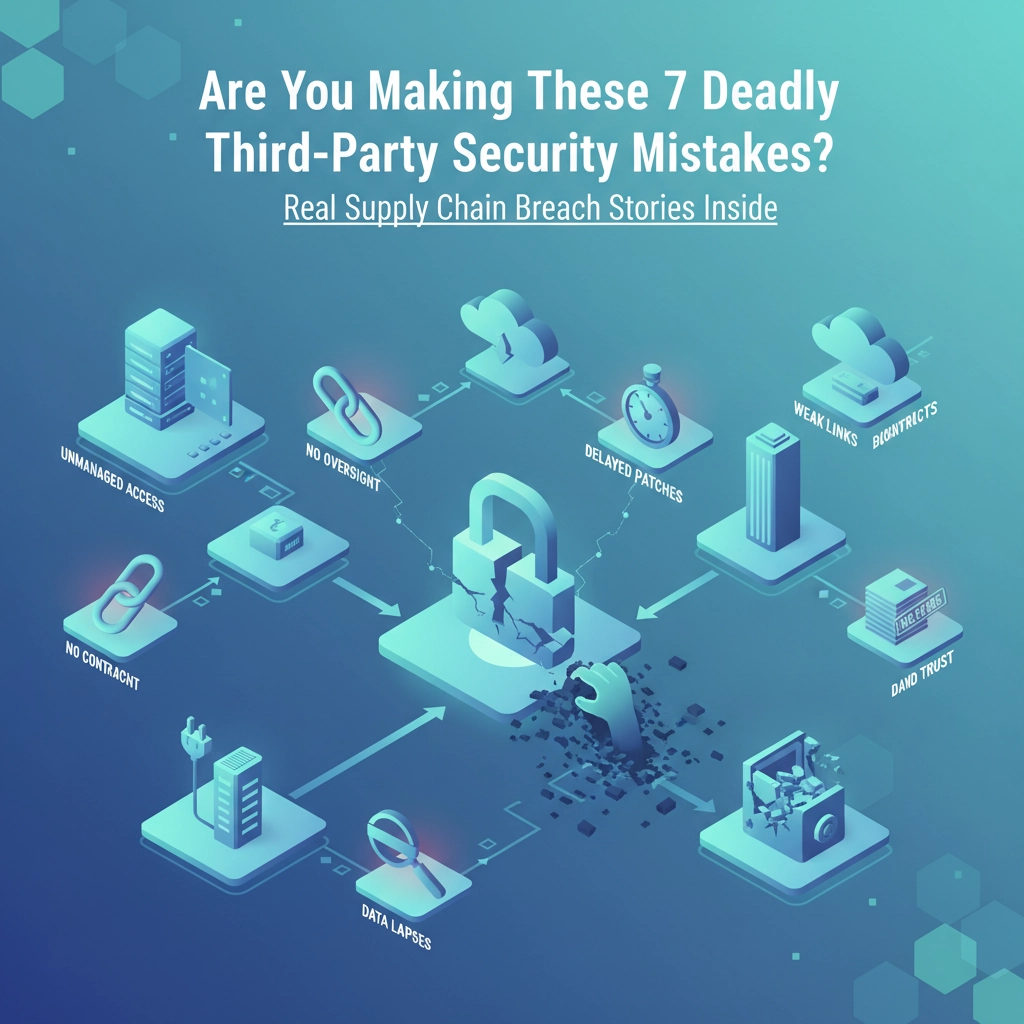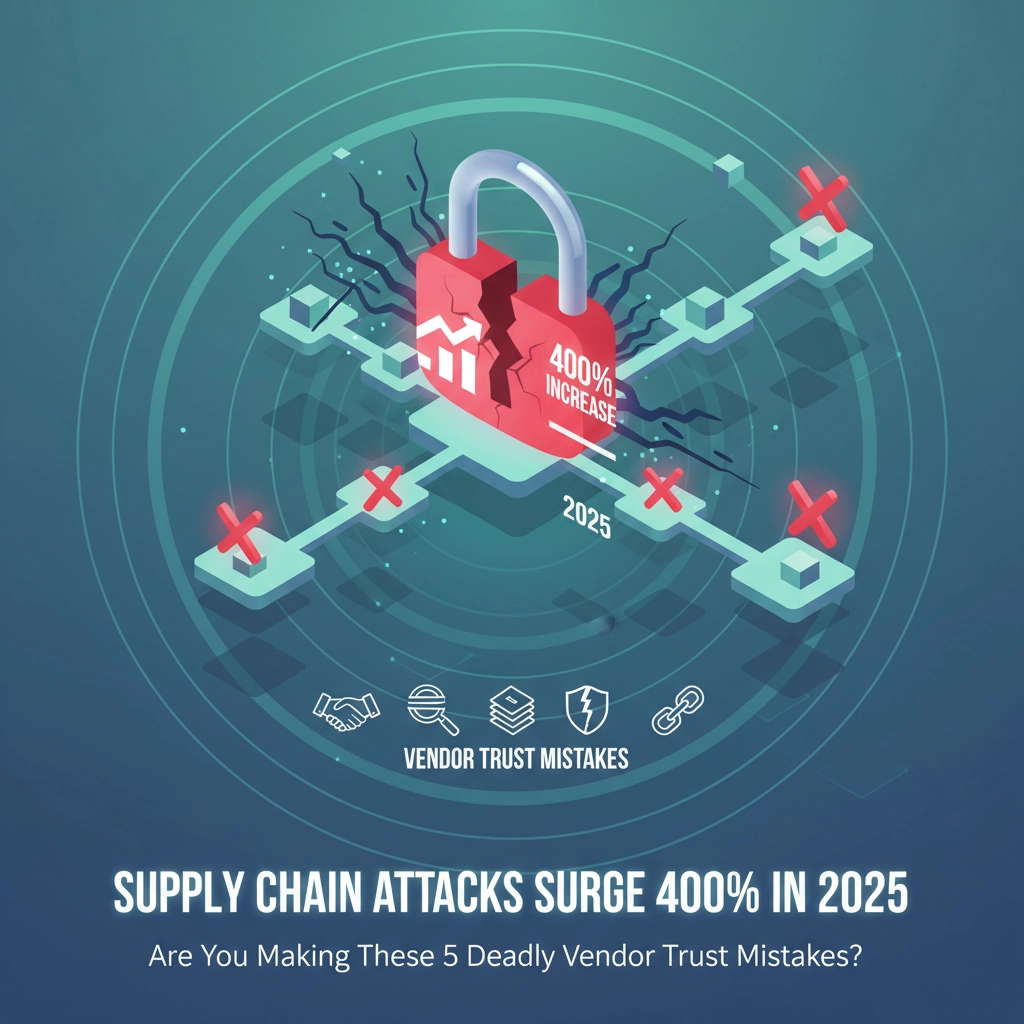
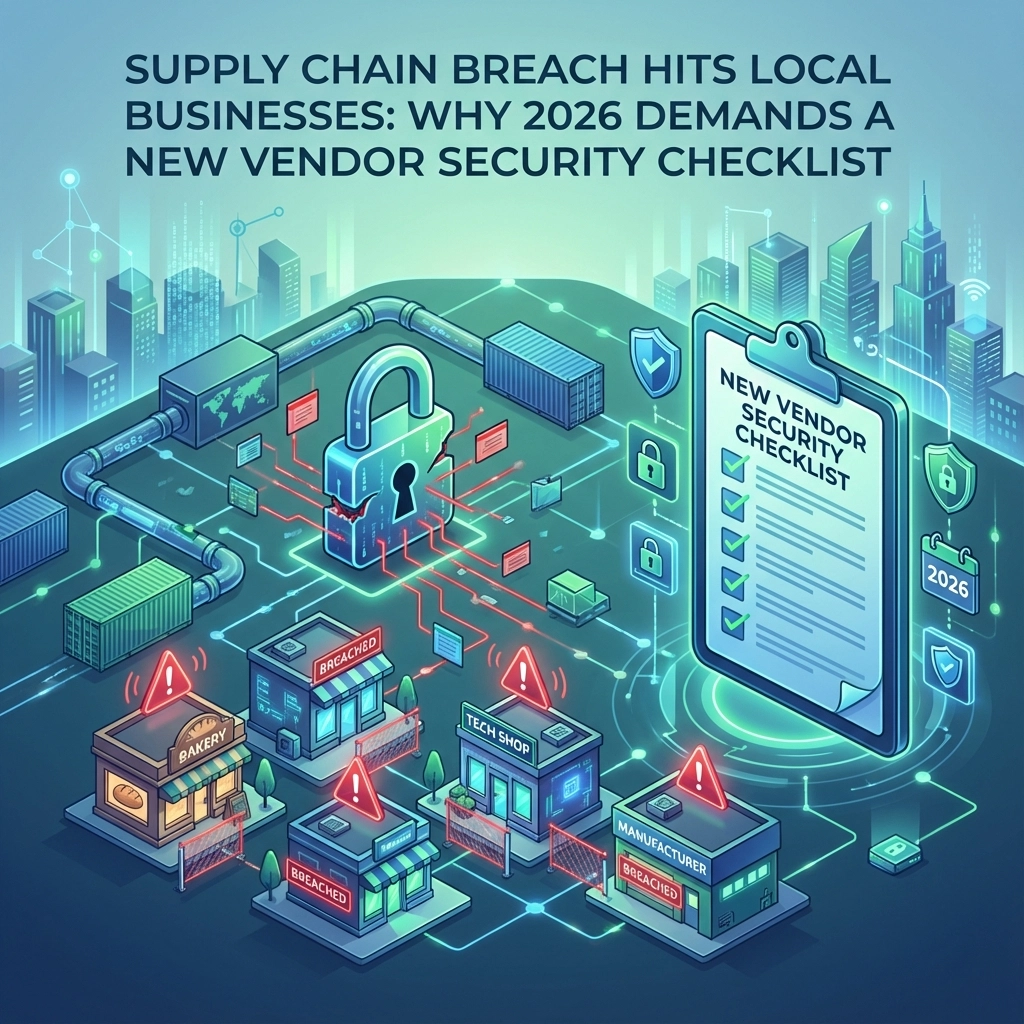
Just three weeks into 2026, we're already seeing the devastating ripple effects of supply chain breaches that dominated headlines in late 2025. The Marks & Spencer attack in May 2025: where cybercriminals exploited a single third-party contractor through social engineering: didn't just disrupt one retailer. It cascaded through their entire logistics network, ultimately costing £300 million in operating profit and affecting dozens of smaller suppliers and local businesses that depended on that supply chain.
This wasn't an isolated incident. The September 2025 Asahi brewery attack paralyzed 30 production plants, while the March 2025 National Defense Corporation breach showed how attackers infiltrate lower-tier suppliers to gain visibility into broader supply networks. What's alarming? Most of these breaches started with small, overlooked vendors: exactly the type of third-party relationships that local businesses rarely scrutinize.
If you think your Buffalo area business is too small to worry about supply chain security, think again. The new reality is that cybercriminals are specifically targeting smaller suppliers because they know these businesses often lack the security controls of larger enterprises, yet they hold the keys to much more valuable targets.
What Supply Chain Breaches Really Mean for Small Businesses
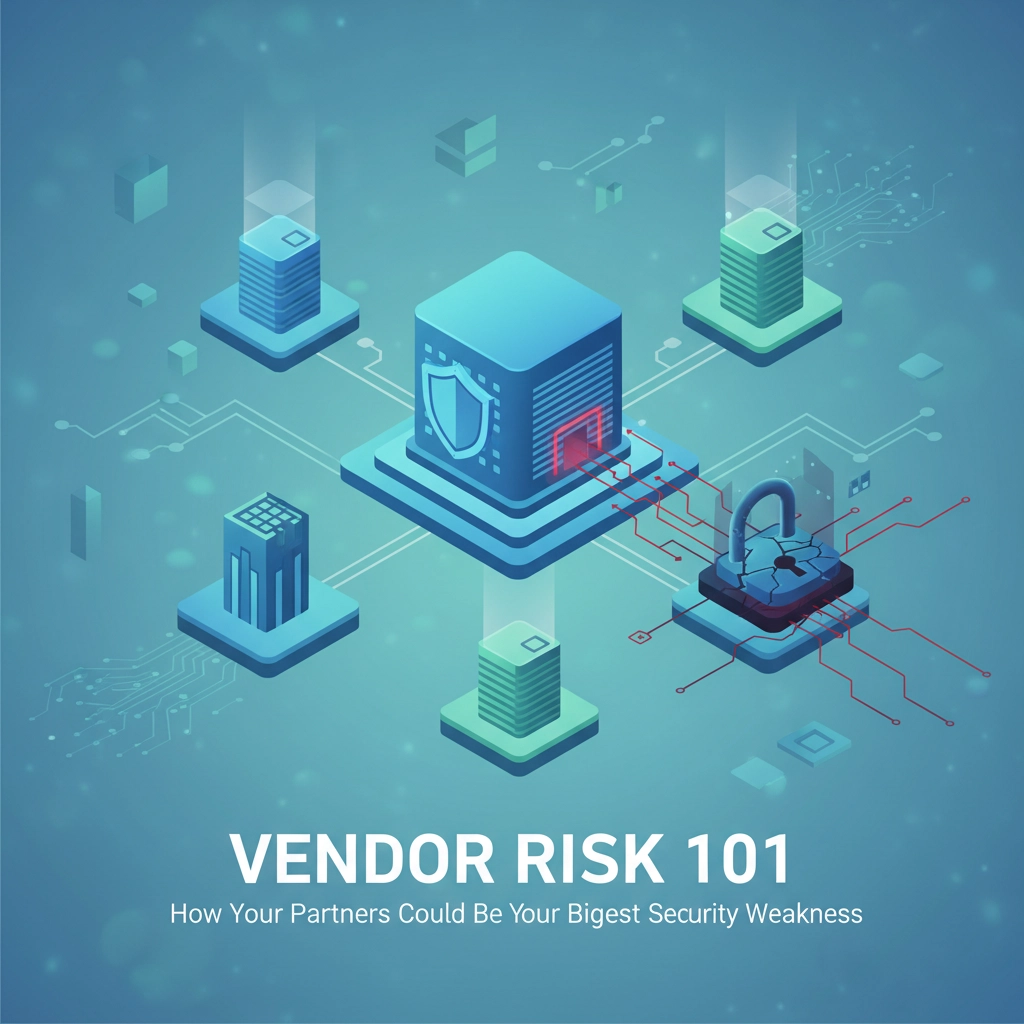
A supply chain breach occurs when cybercriminals compromise one organization to gain access to its customers, partners, or the broader network of connected businesses. Unlike traditional cyberattacks that directly target your systems, these breaches exploit the trust relationships between businesses.
Here's why this matters more than ever for small businesses:
You're Both Target and Vector: Small businesses are simultaneously potential victims and unwitting accomplices. Attackers might breach your systems not for your data, but to use your trusted access to attack your larger clients. Conversely, a breach at your vendor can expose your business data or disrupt your operations entirely.
Limited Visibility, Maximum Impact: Most small businesses have little to no visibility into their vendors' security practices. You might carefully secure your own systems while leaving the back door wide open through a poorly protected contractor, cloud service provider, or managed IT vendor.
Cascading Operational Damage: Modern supply chain attacks don't just steal data: they paralyze operations. When your key software provider, payment processor, or logistics partner goes down, your business stops generating revenue immediately.

The 2025 breach patterns reveal that attackers are increasingly sophisticated in how they leverage these supply chain relationships. They're not just looking for data anymore; they're targeting operational technology to extract ransoms and create maximum business disruption.
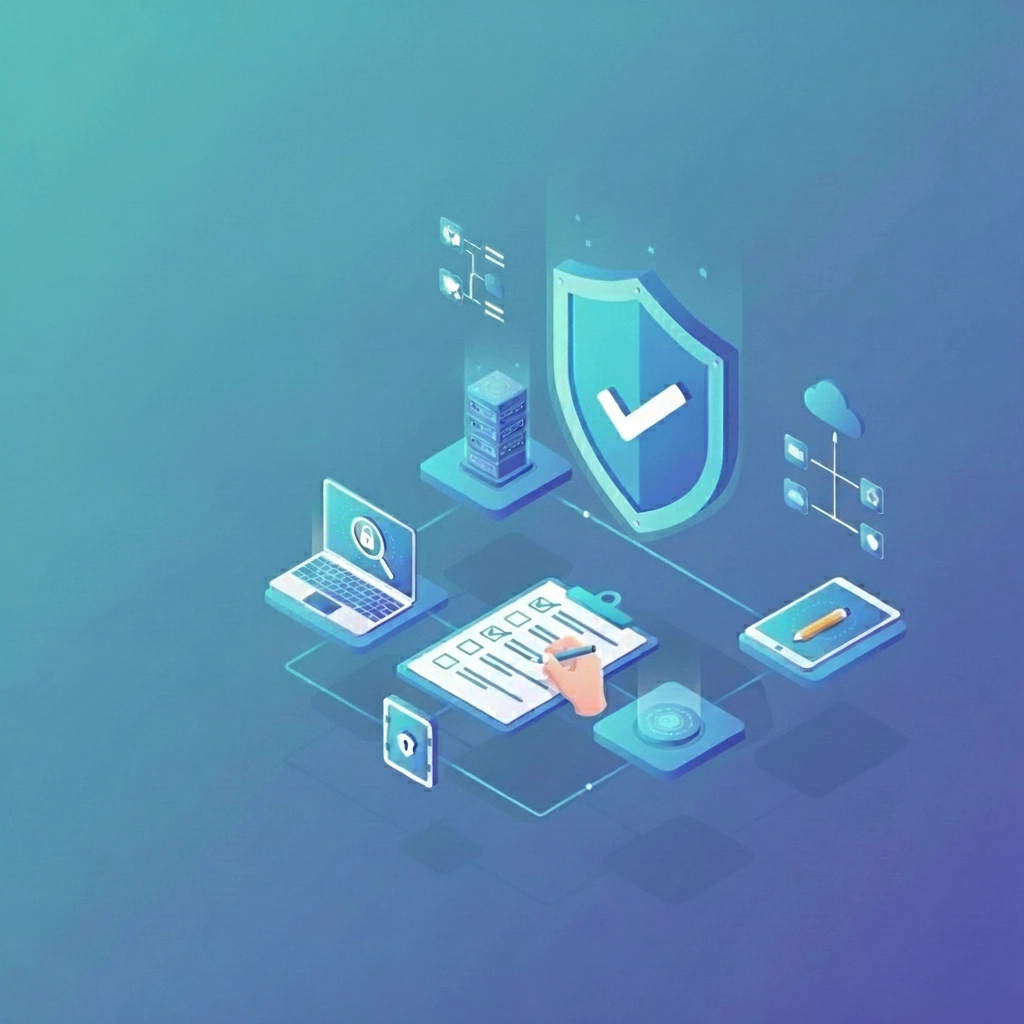
The Five-Point Vendor Security Checklist Every Business Needs
Based on the attack patterns we've seen and the vulnerabilities they exploit, here's your essential vendor security checklist for 2026:
1. Map and Inventory All Vendor Access Points
Start with a complete inventory of every vendor that has any level of access to your systems, data, or facilities. This includes:
- Cloud and software service providers
- Managed IT service providers
- Contractors with remote access capabilities
- Third-party payment processors
- Any vendor with physical access to your premises
For each vendor, document exactly what they can access and when. Many breaches happen because businesses lose track of old vendor accounts that were never properly deactivated.
2. Demand Security Compliance Documentation
Don't just take a vendor's word that they're secure. Request and review actual compliance reports and attestations for relevant frameworks like SOC 2, ISO/IEC 27001, or industry-specific standards.
Key questions to ask:
- When was their last security audit conducted?
- Do they have cyber insurance, and what does it cover?
- How do they handle security incidents affecting their customers?
- What's their policy for notifying customers of breaches?
If a vendor can't or won't provide this documentation, that's a red flag worth investigating further.
3. Establish Contractual Security Requirements
Your vendor contracts should include specific security clauses, not just general liability terms. Essential elements include:
- Mandatory notification timelines for any security incidents (within 24-48 hours)
- Requirements for encryption of any data they handle
- Prohibition on storing your data in certain jurisdictions if relevant
- Regular security assessment requirements
- Clear termination procedures that include secure data deletion
4. Implement Vendor Access Controls and Monitoring
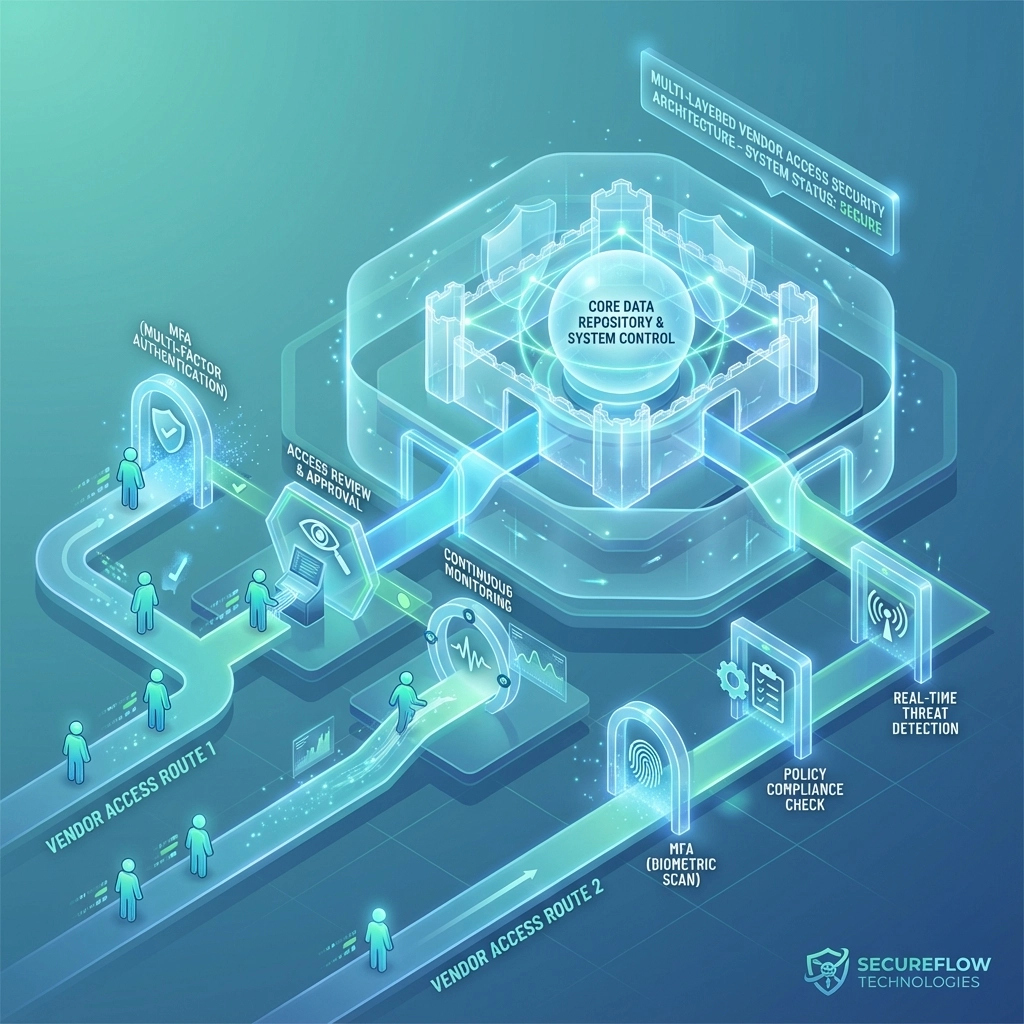
Apply the principle of least privilege to all vendor access. Vendors should only have access to the specific systems and data they need to do their job, nothing more.
Essential controls include:
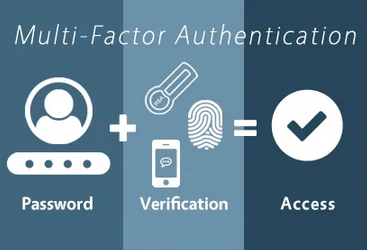
- Multi-factor authentication for all vendor accounts
- Regular access reviews (quarterly minimum)
- Time-limited access credentials where possible
- Activity logging and monitoring for vendor accounts
- Immediate access revocation procedures when contracts end
5. Develop Coordinated Incident Response Plans
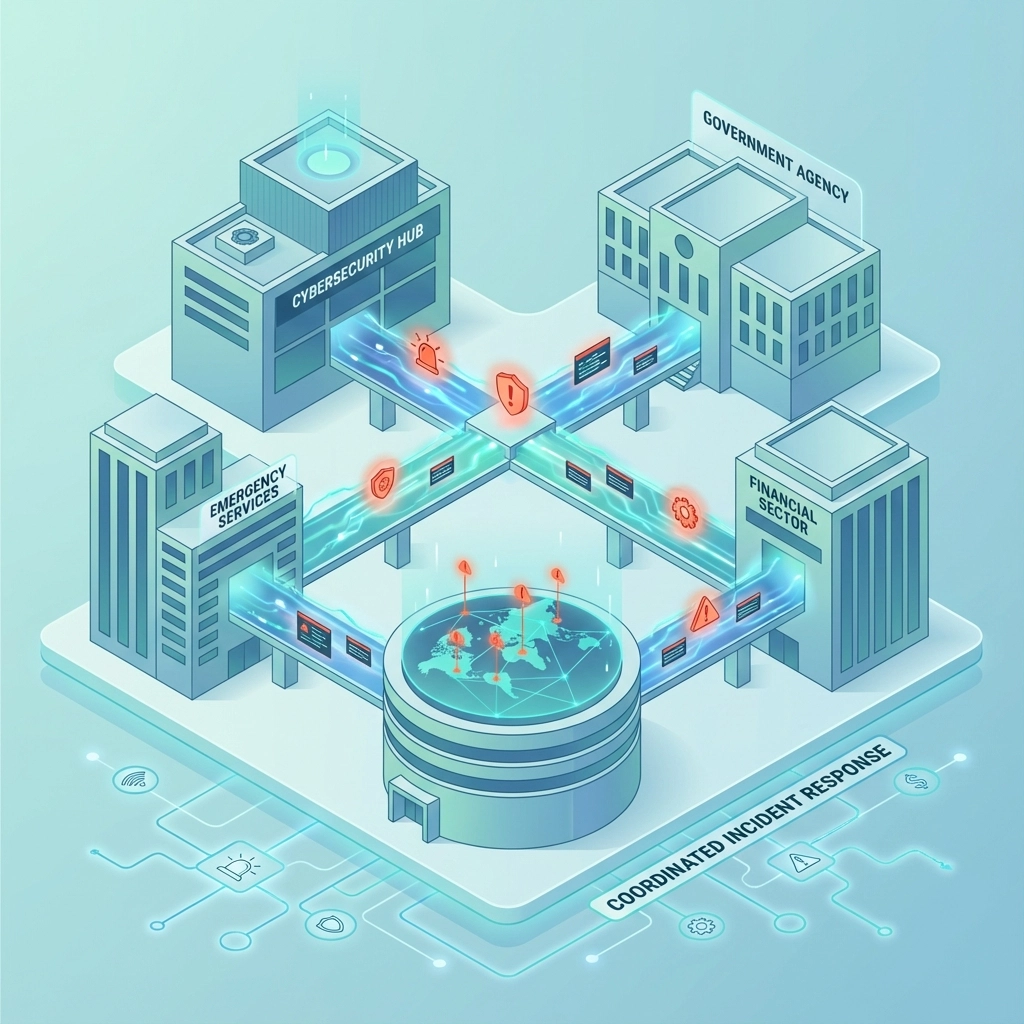
One of the biggest failures in supply chain security is poor coordination during incidents. Establish clear incident response procedures with each critical vendor before you need them.
Your plan should address:
- Who contacts whom when an incident occurs
- What information needs to be shared immediately
- How business continuity will be maintained
- Alternative vendor options if primary systems are compromised
- Communication protocols for customer notification
Many businesses discover during a crisis that their vendor's incident response plan assumes the customer will handle all customer communications: a dangerous assumption if you're not prepared.
Beyond the Checklist: Building Supply Chain Resilience
The checklist above covers the fundamentals, but building true supply chain resilience requires ongoing vigilance. Consider these additional strategies:
Diversify Critical Dependencies: Avoid putting all your eggs in one basket. For critical services, maintain relationships with backup vendors who can step in if your primary provider is compromised.
Monitor Threat Intelligence: Stay informed about emerging threats to your industry and key vendors. Many supply chain attacks follow predictable patterns once you know what to look for.
Regular Security Assessments: Don't just assess vendors once during onboarding. Conduct periodic reviews, especially for vendors with high-privilege access to your systems.
The Cost of Inaction
The businesses hit hardest by supply chain breaches are those that treated vendor security as someone else's problem. The May 2025 M&S attack affected dozens of smaller suppliers who suddenly found their largest customer's systems compromised, disrupting their own operations for weeks.
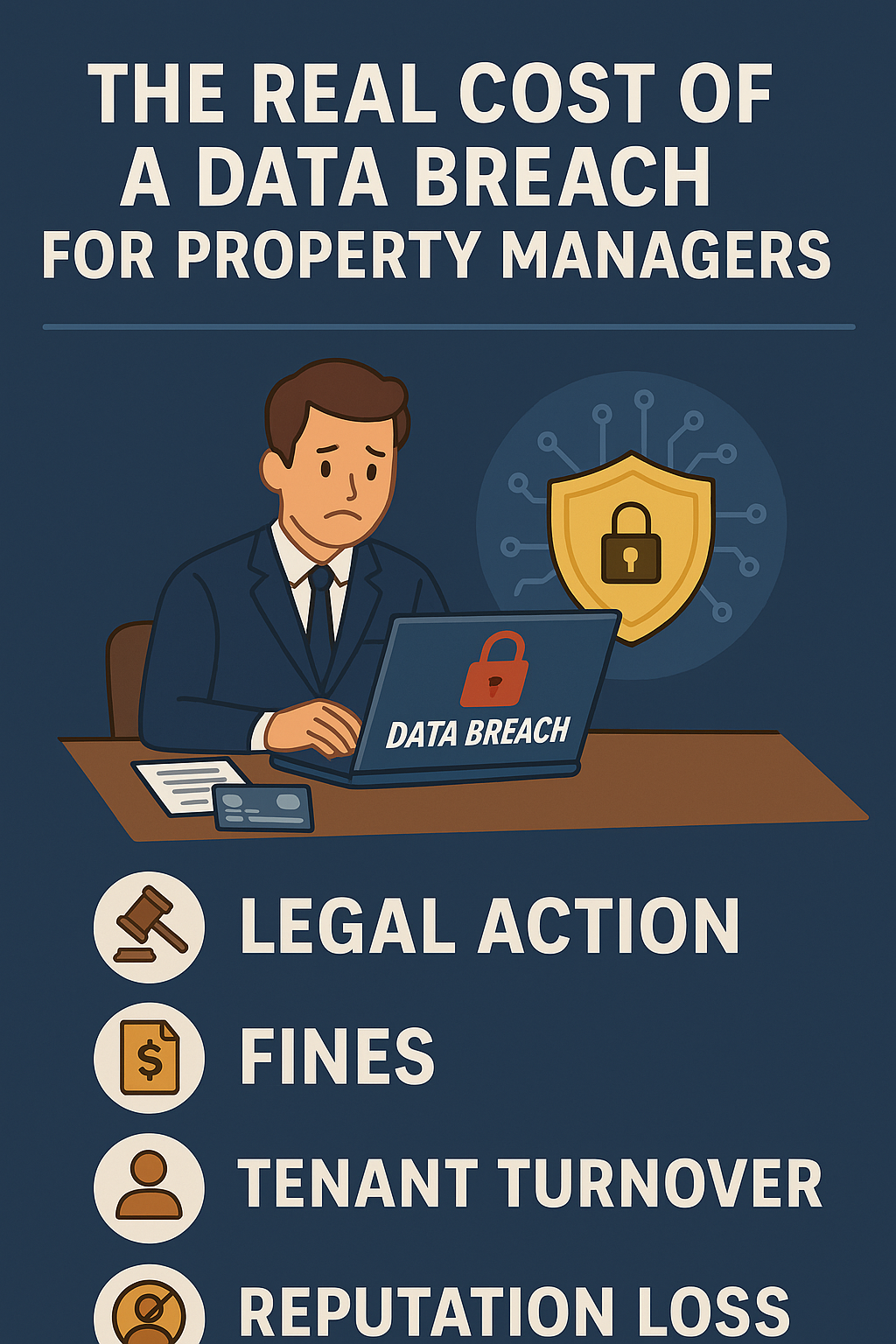
For small businesses, a single supply chain incident can mean:
- Immediate revenue loss from operational disruptions
- Regulatory fines if customer data is compromised through a vendor
- Damage to customer relationships and business reputation
- Expensive emergency response and recovery costs
- Potential legal liability if the breach affects your customers
The businesses that weathered these incidents best were those that had already implemented vendor security protocols and maintained clear communication channels with their supply chain partners.
Taking Action in 2026
Supply chain security isn't just an IT issue: it's a business continuity imperative. The interconnected nature of modern business means that your security is only as strong as your weakest vendor link.
Start with your most critical vendors and work through the checklist systematically. Don't try to tackle everything at once, but don't wait for the next major breach to make headlines either.
Ready to strengthen your vendor security posture? Contact B&R Computers for a comprehensive vendor security review. We'll help you identify vulnerabilities in your supply chain relationships and implement practical controls that protect your business without disrupting your operations. Our team specializes in translating complex cybersecurity requirements into actionable steps that make sense for your business and budget.
The attacks of 2025 taught us that supply chain security can't be an afterthought. Make 2026 the year your business gets ahead of this critical risk.