
Your company data is for sale. Right now. While you're reading this, cybercriminals are actively trading stolen business information on dark web marketplaces, and there's a good chance some of it belongs to your organization.
This isn't fear-mongering: it's reality. Dark web marketplaces are thriving in 2026, with corporate credentials selling for $10-$150 each, customer data dumps containing millions of records being bundled and sold in bulk, and compromised network access being auctioned to the highest bidder.
The question isn't whether your data might be out there. The question is: do you know if it is, and what are you doing about it?
What Business Data Is Actually Being Sold

Understanding what's at stake helps you prioritize your response. Here's what we're seeing sold on dark web marketplaces every day:
Corporate Credentials: Email addresses, passwords, and login credentials for your business accounts. These aren't just individual employee accounts: they're often admin-level access that can unlock your entire digital infrastructure.
Customer Data Dumps: Complete databases containing customer names, addresses, phone numbers, email addresses, and in many cases, credit card information and social security numbers. These are sold in massive bundles, often containing data from multiple breaches.
Intellectual Property: Trade secrets, proprietary software code, product designs, financial reports, and strategic business plans. Your competitors might be buying your most sensitive information without you knowing it.
Network Access: Initial access brokers sell direct entry points into corporate networks. Think of it as selling the keys to your digital front door to ransomware groups and other cybercriminals.
Business Banking Information: Account numbers, routing information, and access to business financial accounts that can be used for fraud or money laundering operations.
The scariest part? Most businesses don't know their data is being sold until it's too late.
The 5-Minute Dark Web Check Every CEO Should Do
You don't need to become a cybersecurity expert to get a baseline understanding of your exposure. Here's a simple check you can do right now:
Step 1: Check for Breached Credentials (2 minutes)
Go to haveibeenpwned.com and enter your business email addresses: starting with executive accounts, IT admin accounts, and any service accounts your business uses. This free service checks against known data breaches.
Don't just check your own email. Test:
- All C-level executive emails
- IT administrator accounts
- Customer service email addresses
- Any shared accounts (info@, admin@, support@)
If any of these show up in breaches, those credentials are likely circulating on dark web marketplaces.
Step 2: Search for Your Domain (1 minute)
Still on haveibeenpwned.com, use the domain search feature to see if any emails from your company domain have appeared in data breaches. This gives you a broader view of your organization's exposure.
Step 3: Check Business Information Exposure (2 minutes)
Search for your business name, key executives' names, and your company's physical address on public breach databases. While not exactly dark web monitoring, this shows you what information about your business is already publicly available and potentially being packaged for sale.
Quick Assessment Questions:
- Are executive emails showing up in multiple breaches?
- When were these breaches discovered versus when they actually occurred?
- How sensitive was the information in those specific breaches?
This five-minute check won't give you a complete picture, but it will tell you if you have an immediate problem that needs attention.
What to Do If You Find Your Data
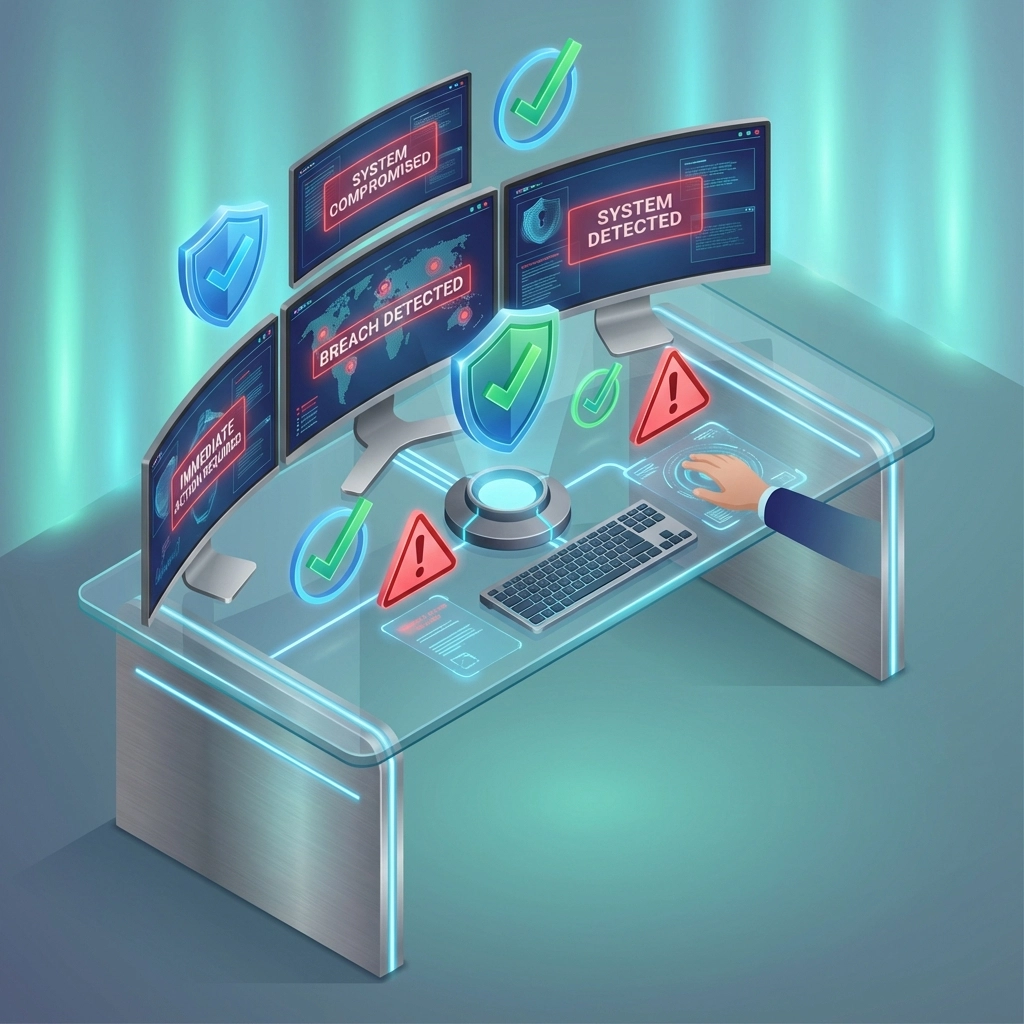
Finding your business information in breach databases isn't the end of the world: it's the beginning of taking control. Here's your immediate action plan:
Within 24 Hours:
- Force password resets on all compromised accounts
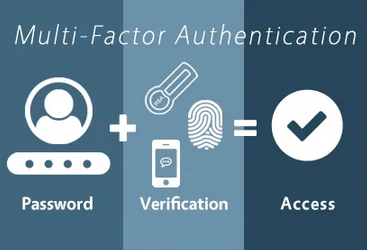
- Enable multi-factor authentication on every account that showed up in the check
- Review recent account activity for signs of unauthorized access
- Document what you found for your cybersecurity team or provider
Within One Week:
- Conduct a more comprehensive security audit of your systems
- Review access permissions for all employee accounts
- Update your incident response plan
- Consider professional dark web monitoring services
Ongoing:
- Implement regular credential monitoring
- Establish a routine for checking new breaches
- Train your team on recognizing and reporting suspicious activity
- Plan for supply chain security reviews
The key is speed. The longer compromised credentials remain active, the more damage cybercriminals can do with them.
Why 2026 Makes This More Urgent
The dark web marketplace has evolved significantly. What used to be disorganized forums have become sophisticated marketplaces with customer service, quality guarantees, and even refund policies for stolen data that doesn't work.
AI-powered tools are making it easier for cybercriminals to:
- Automate credential testing across thousands of accounts
- Create more convincing phishing campaigns using stolen business information
- Scale social engineering attacks using compromised employee data
- Combine multiple data sources to build comprehensive attack profiles
Ransomware groups are operating like businesses, maintaining public websites where they auction stolen data with countdown timers if companies refuse to pay. They're not hiding anymore: they're advertising.
Building Defense Beyond the 5-Minute Check

This quick check is just the starting point. Real protection requires a comprehensive approach:
Immediate Wins:
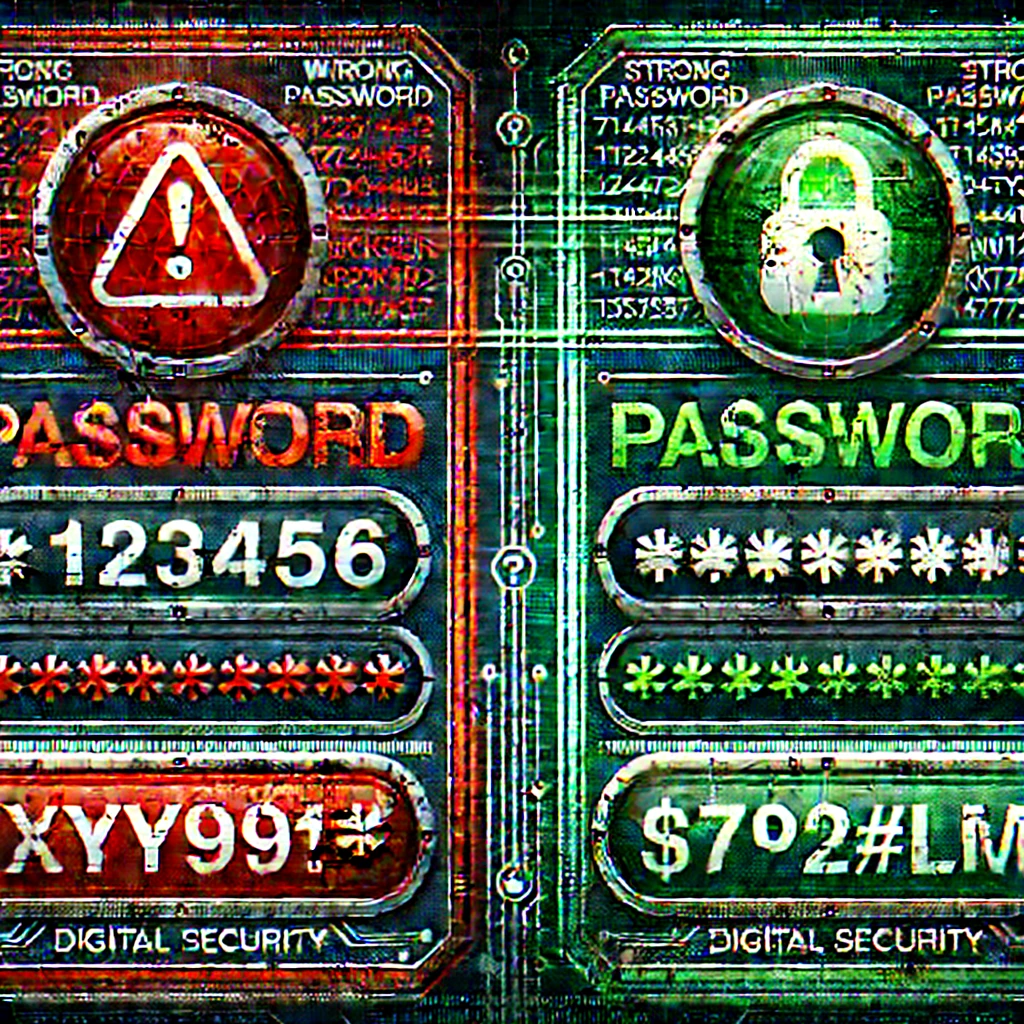
- Implement password managers across your organization
- Enable multi-factor authentication on all business accounts
- Establish employee security awareness training
- Create an incident response plan
Medium-Term Strategy:
- Deploy professional dark web monitoring
- Implement zero-trust security architecture
- Establish vendor security requirements
- Regular penetration testing and vulnerability assessments
Long-Term Protection:
- Develop a comprehensive cybersecurity program
- Establish relationships with cybersecurity professionals
- Create regular security audits and updates
- Build security into your business processes from the ground up
The businesses that survive and thrive in 2026 are the ones that treat cybersecurity as a business strategy, not an IT problem.
Professional Dark Web Monitoring Makes the Difference
While the 5-minute check gives you immediate insight, professional monitoring services provide continuous protection. These services scan dark web marketplaces, forums, and communication channels 24/7, alerting you the moment your business information appears for sale.
At B&R Computers, we've seen businesses discover their data was being sold months before they would have found it themselves. Early detection means faster response, less damage, and better outcomes.
Professional monitoring also provides context: understanding not just what data is compromised, but how it's being sold, who's buying it, and what they're likely to do with it. This intelligence helps you prioritize your response and protect what matters most.
Take Action This Week
Your business data security can't wait for the next quarterly review or annual budget planning. The dark web operates 24/7, and so should your awareness of what's happening with your information.
Start with the 5-minute check this week. If you find your business information in breach databases, or if you want professional dark web monitoring and comprehensive cybersecurity protection, we're here to help.
Contact B&R Computers for a confidential consultation about dark web monitoring and cybersecurity protection tailored to your business needs. Because knowing your data is safe shouldn't keep you awake at night.