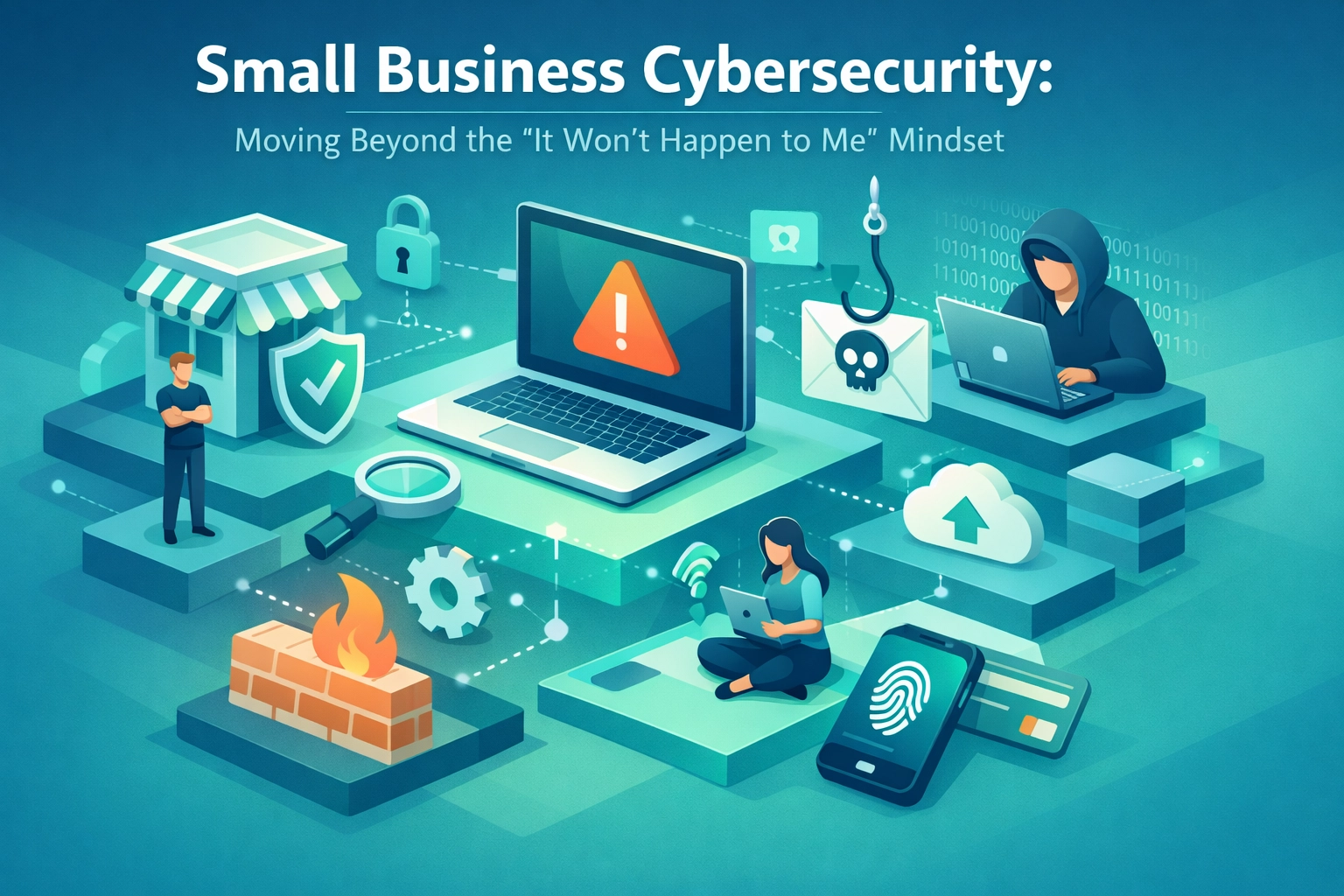
Every week, another small business owner learns the hard way that cybercriminals don't care about company size. They care about opportunity. And small businesses? They're full of it.
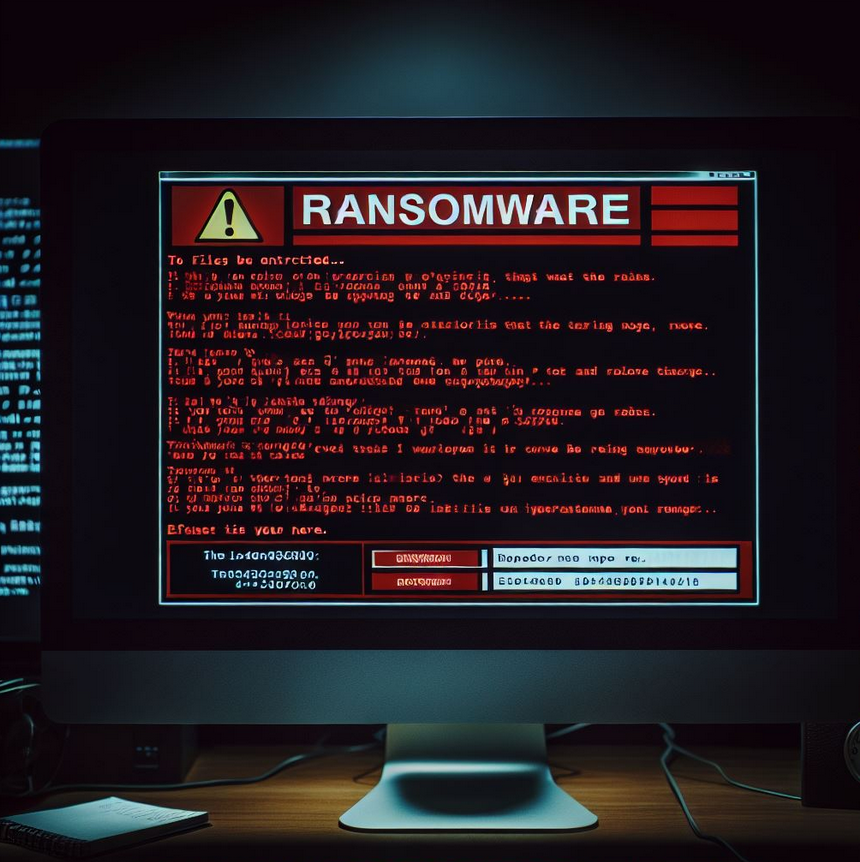
The "it won't happen to me" mindset has become the most expensive assumption in modern business. It's the reason ransomware payments continue to climb, why wire fraud schemes succeed, and why countless small operations close their doors within months of a serious breach.
Here's the reality: if you're connected to the internet, you're a target. Period.
Why Small Businesses Are Prime Targets
Large enterprises have dedicated security teams, six-figure security budgets, and layers of protection that make breaching them time-consuming and difficult. Small businesses typically have none of that.
Attackers know this. They're not looking for the biggest prize: they're looking for the easiest one.
Small businesses often operate with:
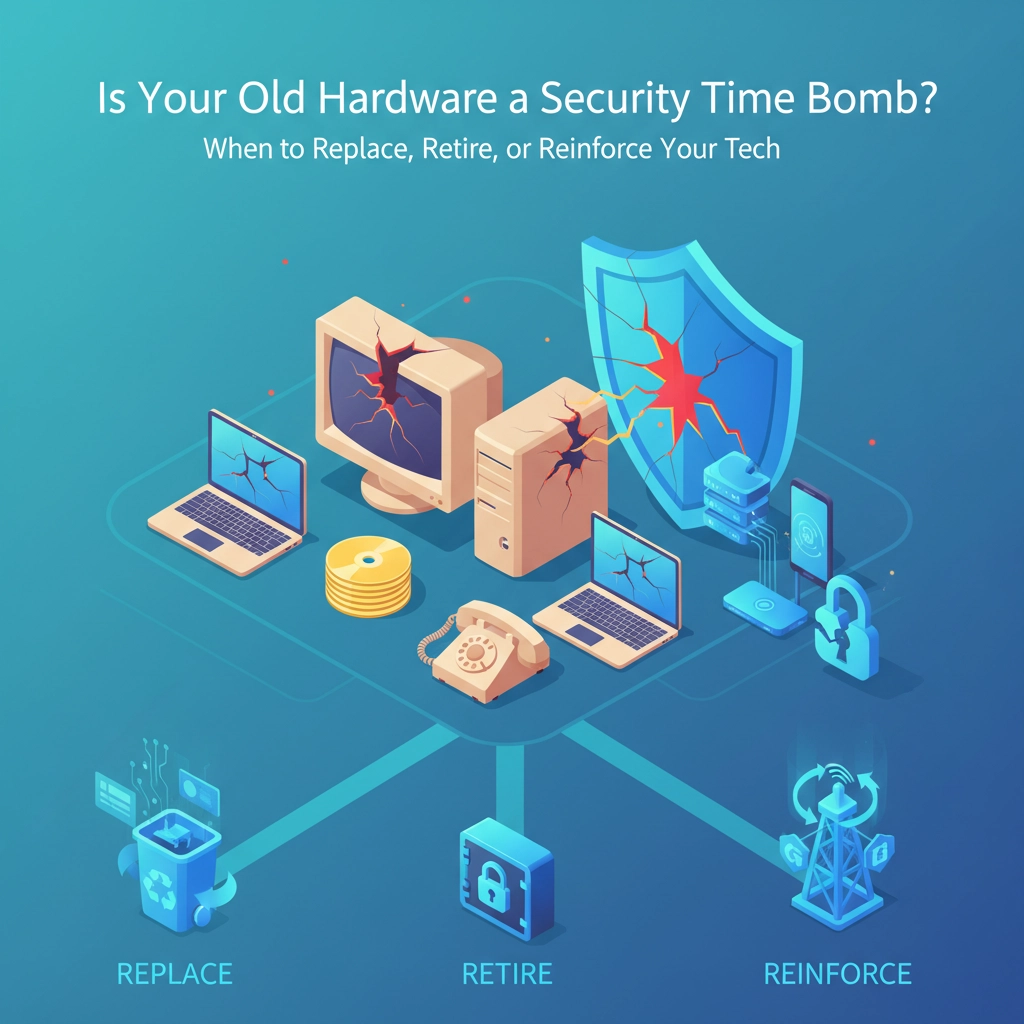
- Outdated software and operating systems
- Minimal or no employee security training
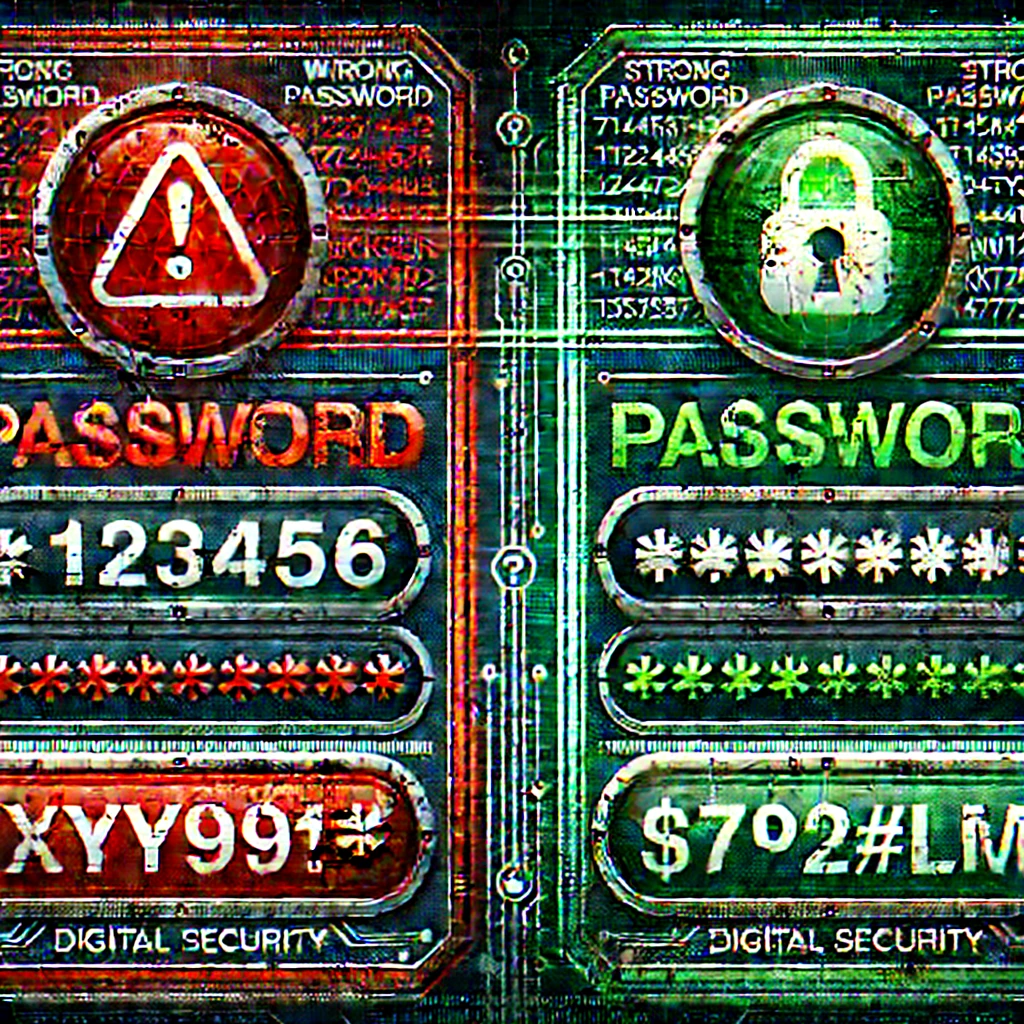
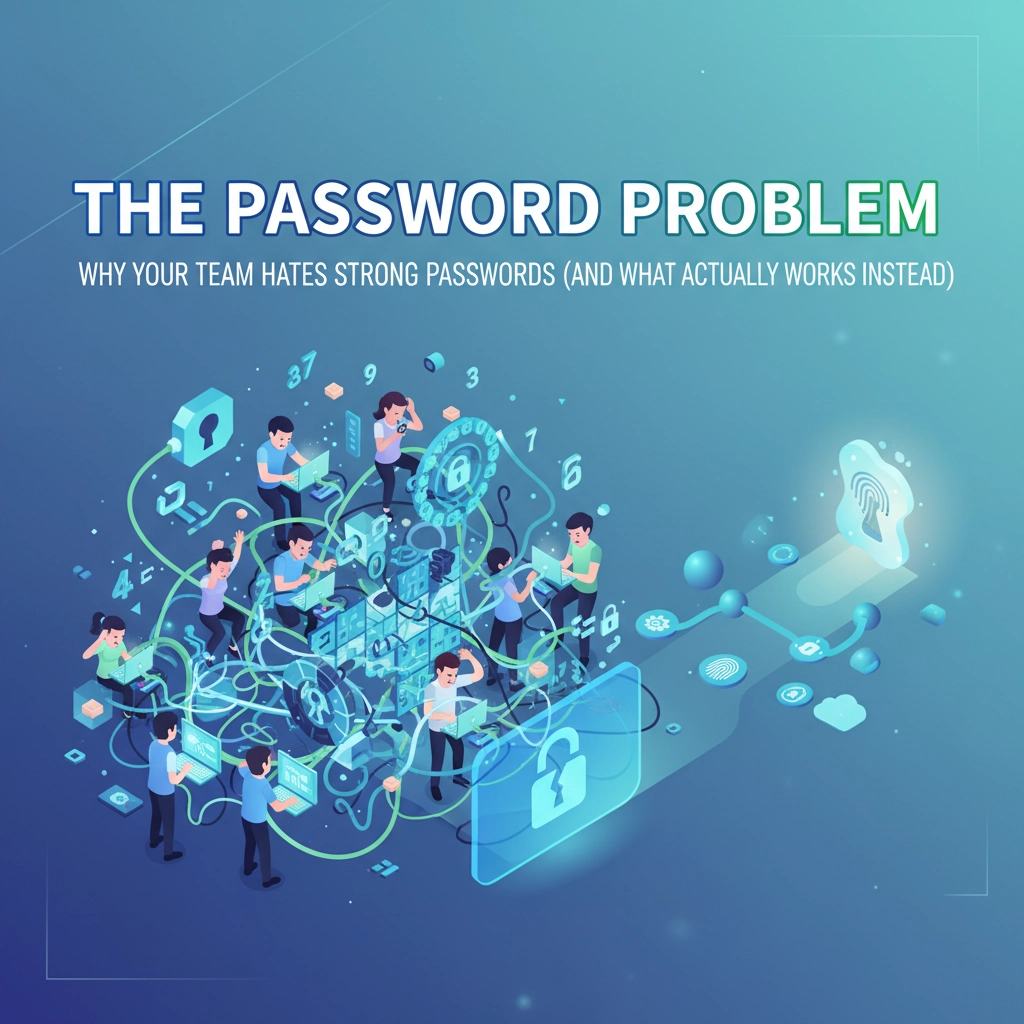
- Weak password policies
- No multi-factor authentication
- Limited backup systems
- Flat network architectures with no segmentation
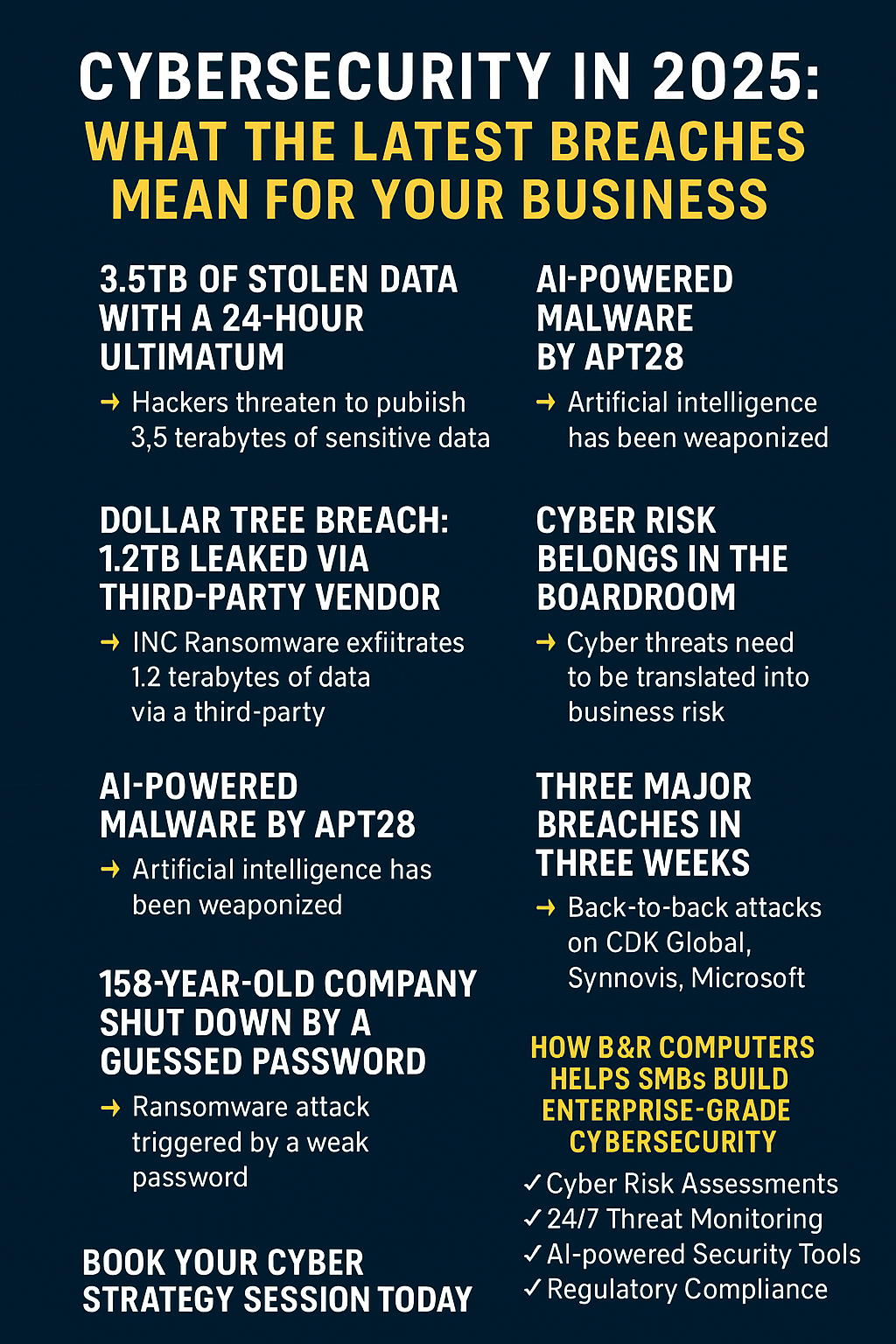
This combination creates a soft target. And with over 80% of successful hacks tied to outdated software alone, most breaches don't require sophisticated techniques. They exploit the basics that small businesses neglect.
The Automation Factor: Why Size Doesn't Matter
Many small business owners believe they fly under the radar. "Why would a hacker waste time on us when they could go after a Fortune 500 company?"
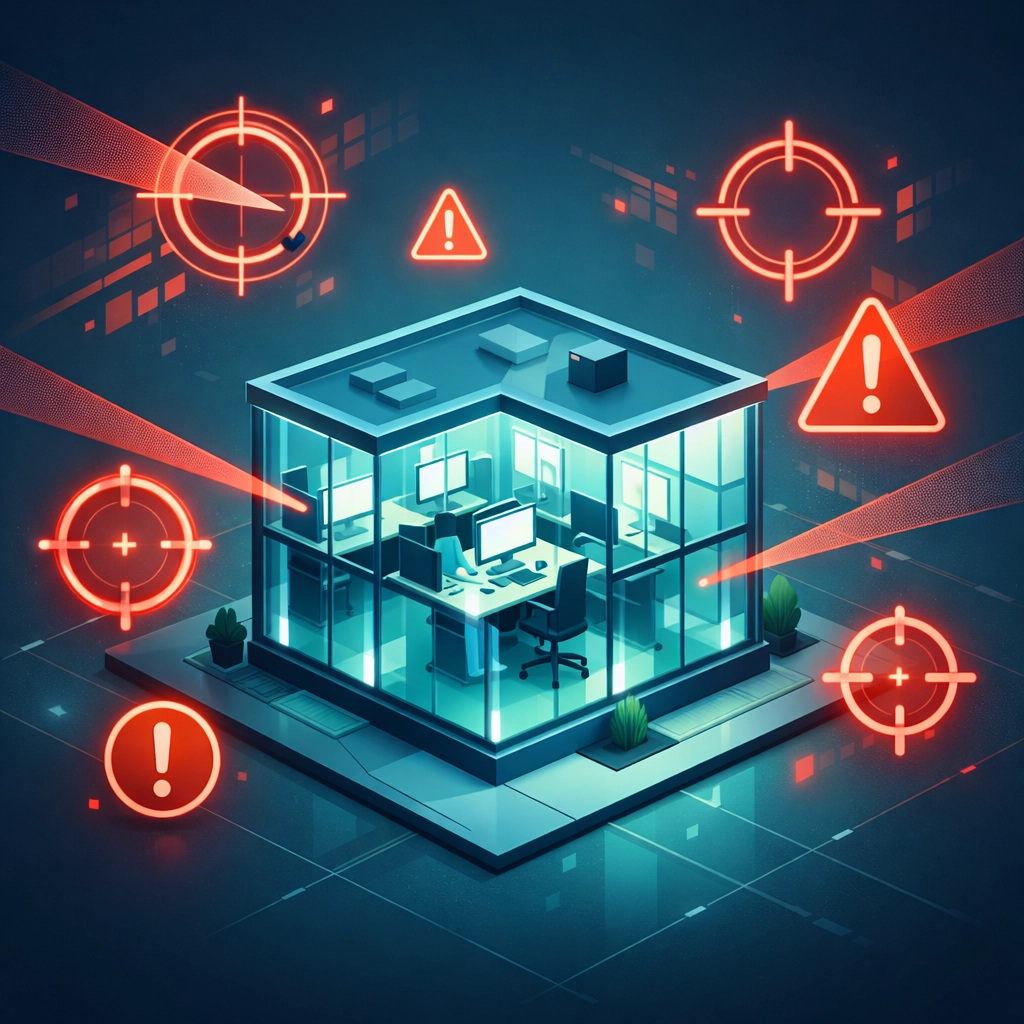
The answer is simple: they're not choosing between you and a Fortune 500 company. They're attacking both simultaneously.
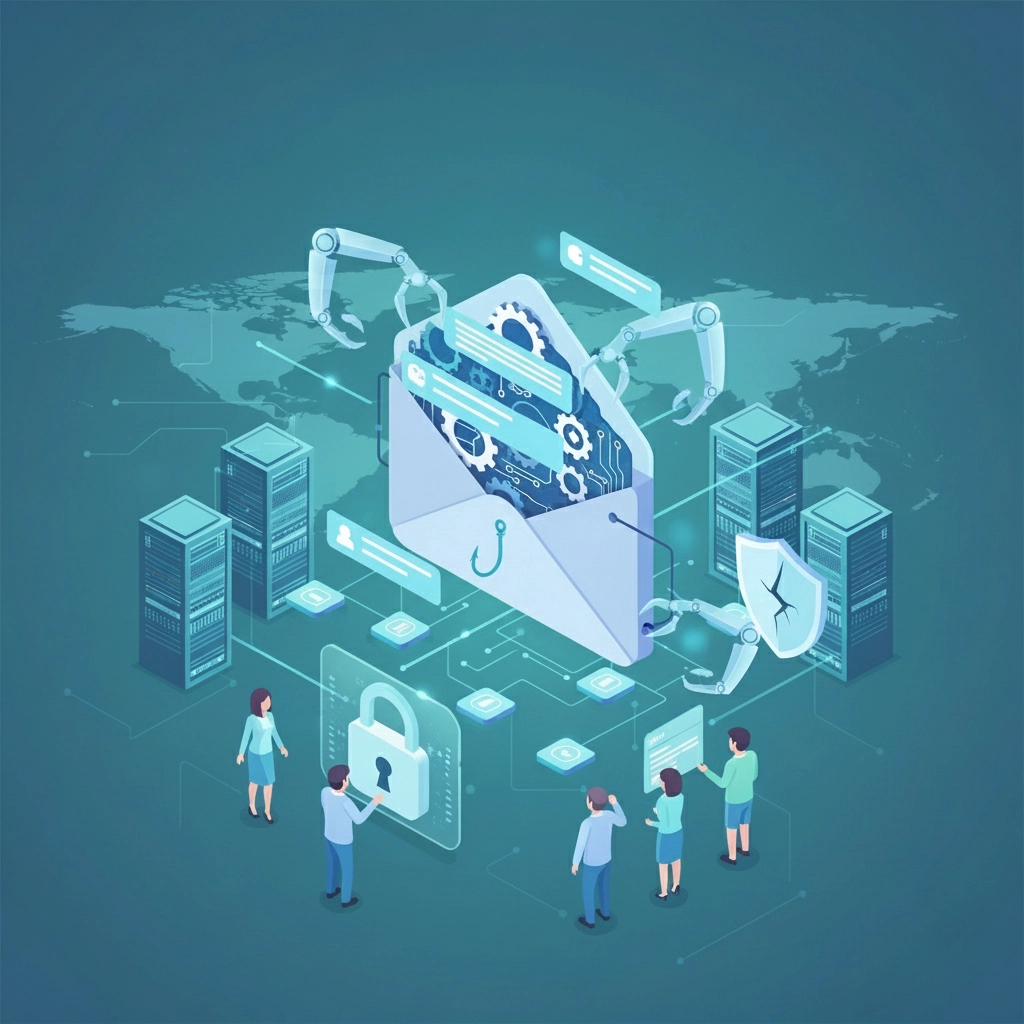
Modern cyberattacks are overwhelmingly automated. Bots scan millions of IP addresses looking for known vulnerabilities. Phishing campaigns blast thousands of emails per hour. Credential stuffing attacks test stolen username/password combinations across countless websites.
These automated systems don't know or care whether you have five employees or five thousand. They're looking for an open door. If you have one, they'll find it.
This is why the "we're too small to be a target" logic fails completely. You're not being specifically targeted: you're being swept up in attacks designed to catch anyone with weak defenses.
The Real Cost of Complacency
When a breach hits a small business, the damage goes far beyond the immediate financial loss.
Direct costs include:
- Ransom payments (if you choose to pay)
- Forensic investigation fees
- System restoration and recovery
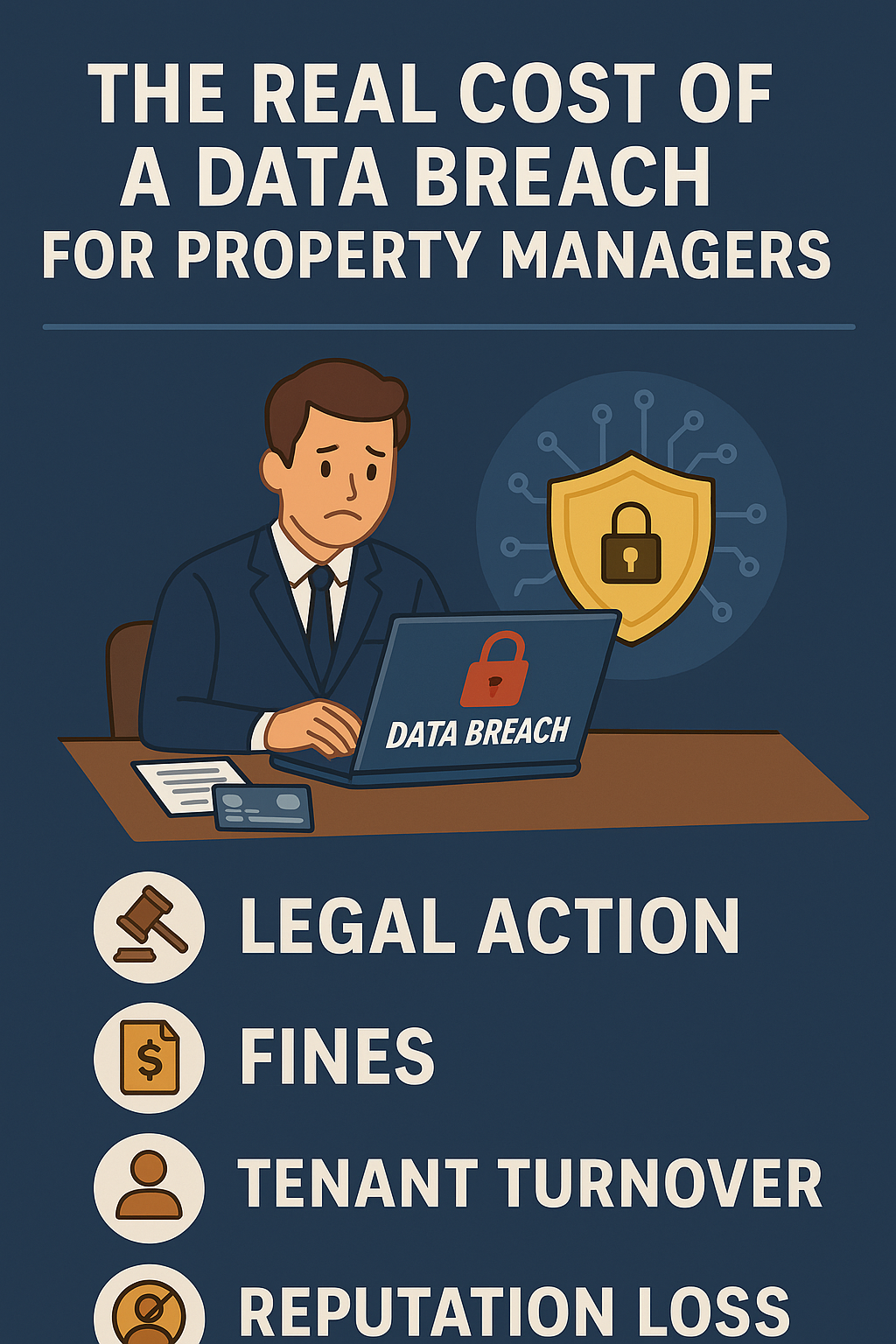
- Legal fees and potential regulatory fines
- Credit monitoring services for affected customers
Indirect costs are often worse:
- Operational downtime (days or weeks of lost productivity)
- Damaged reputation and lost customer trust
- Lost business opportunities
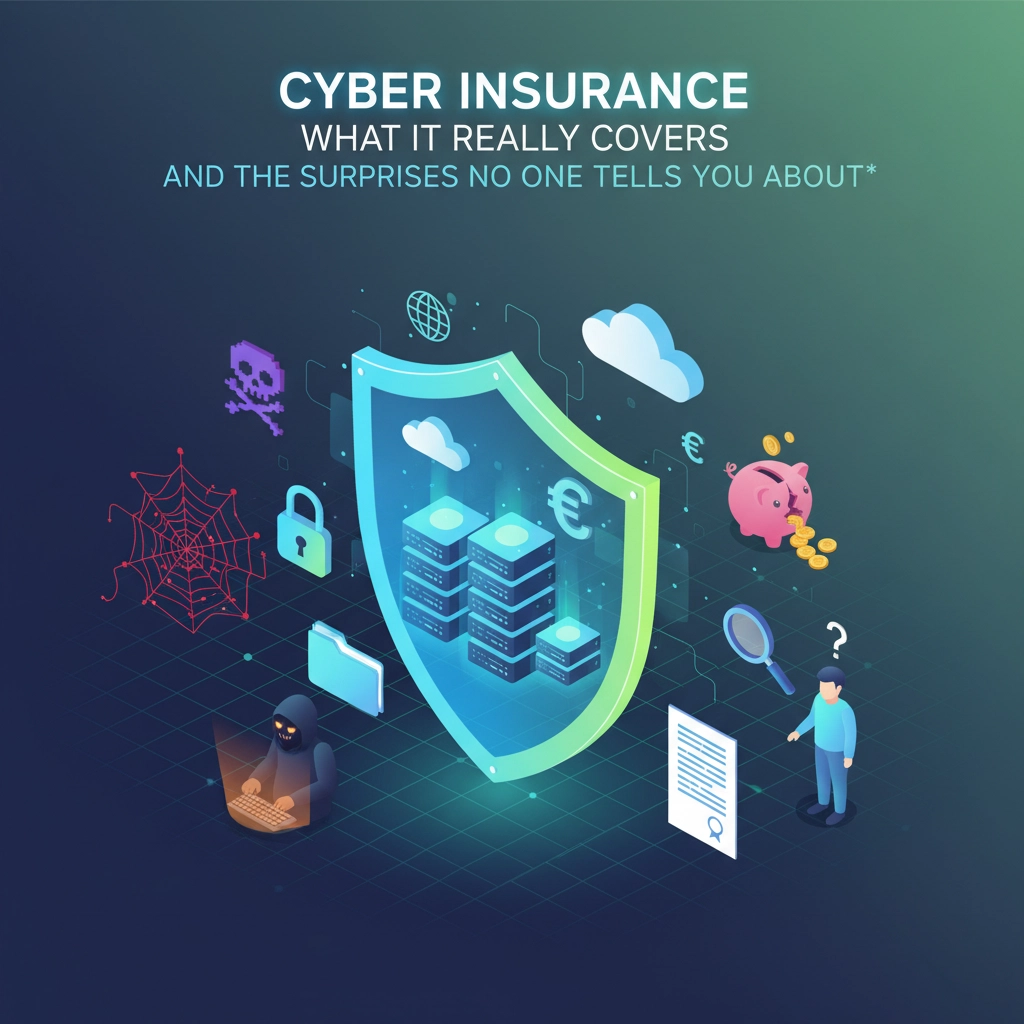
- Increased insurance premiums
- Employee time diverted from core responsibilities
For businesses in regulated industries like healthcare, finance, or real estate, compliance violations add another layer of exposure. A breach that exposes client data can trigger investigations, mandatory notifications, and penalties that compound the original damage.
The average small business that suffers a significant breach faces costs that can easily reach six figures. Many don't survive.

Practical Steps to Secure Your Business
Moving beyond the "it won't happen to me" mindset starts with action. These aren't theoretical best practices: they're the baseline defenses every small business needs today.
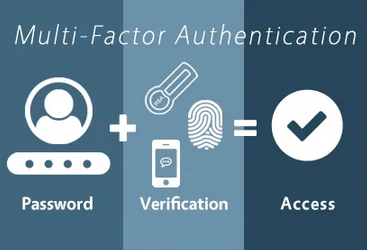
Implement Multi-Factor Authentication (MFA)
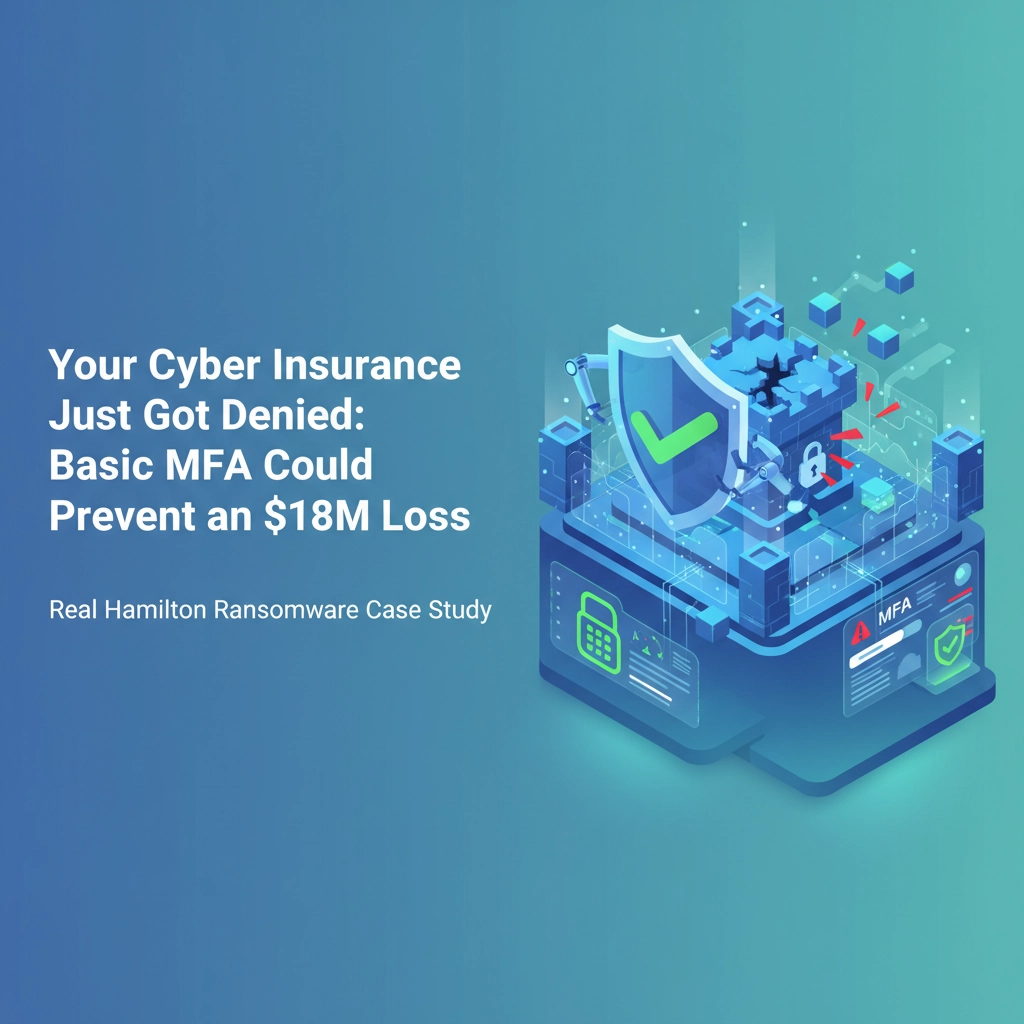
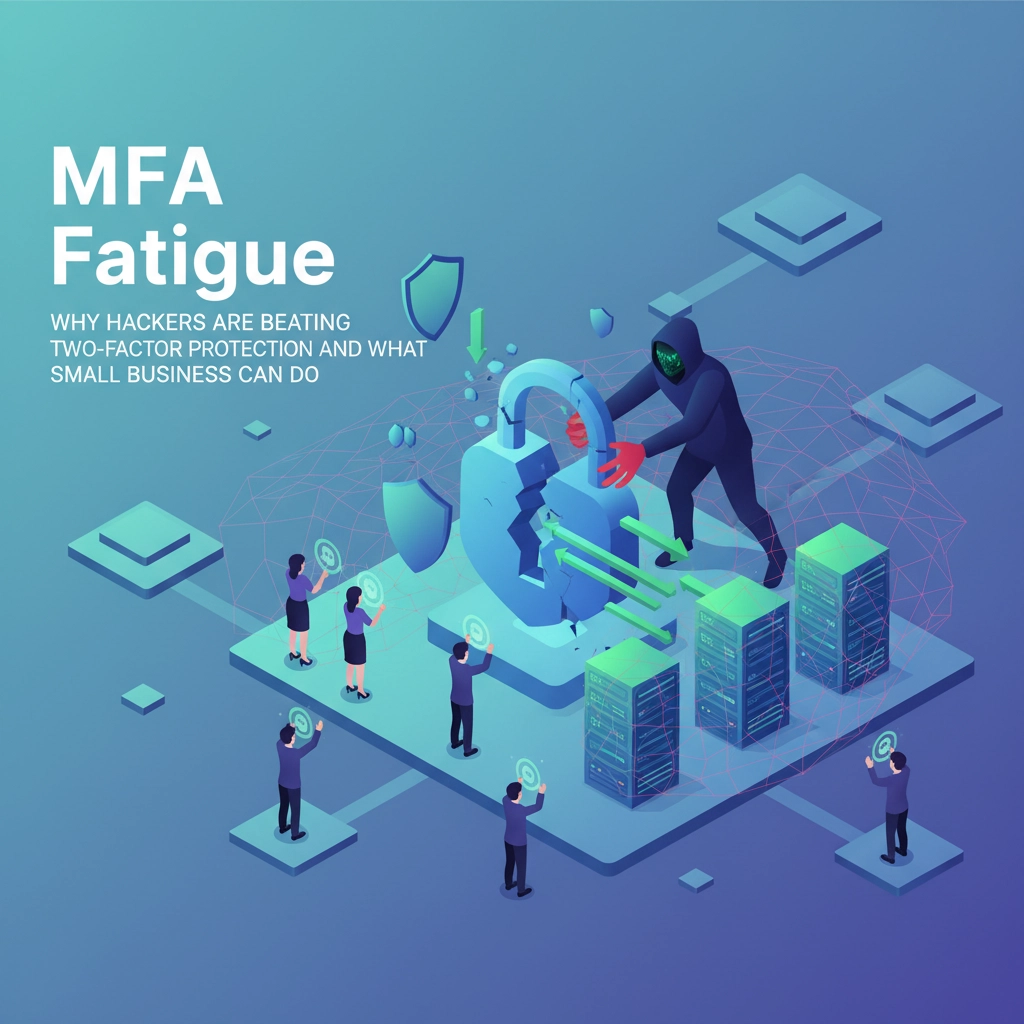
If you do nothing else, do this. MFA requires users to verify their identity through a second method beyond just a password: typically a code sent to their phone or generated by an authenticator app.
MFA stops the vast majority of credential-based attacks. Even if an attacker obtains a password through phishing or a data breach, they can't access the account without that second factor.
Enable MFA on:
- Email accounts
- Banking and financial systems
- Cloud storage and file sharing platforms
- Remote access tools
- Any system containing sensitive data
Many platforms offer MFA for free. There's no excuse not to use it.
Train Your Employees
Employees and work-related communications are the leading cause of data breaches in small businesses. Your team is both your greatest vulnerability and your first line of defense.
Effective security training covers:
- Recognizing phishing emails and social engineering tactics
- Creating and managing strong passwords
- Proper handling of sensitive customer information
- Reporting suspicious activity
- Safe browsing habits and avoiding risky downloads
Training shouldn't be a one-time event. Threats evolve, and your team's awareness needs to keep pace. Quarterly refreshers and simulated phishing tests keep security top of mind.
Establish Reliable Off-Site Backups
Backups are your insurance policy against ransomware, hardware failure, and catastrophic data loss. But backups only work if they're:
- Performed regularly – Daily backups for critical systems, weekly at minimum for everything else
- Stored off-site – Cloud backups or physical media kept at a separate location
- Tested periodically – A backup you've never tested is a backup you can't trust
- Isolated from your primary network – If ransomware can reach your backups, they're useless
The 3-2-1 rule remains the gold standard: keep three copies of your data, on two different types of media, with one copy stored off-site.
Keep Software Updated
Over 80% of successful hacks exploit known vulnerabilities in outdated software. When vendors release security patches, attackers immediately begin scanning for systems that haven't applied them.
Enable automatic updates wherever possible. For systems where that isn't feasible, establish a regular patching schedule and stick to it. This includes:
- Operating systems
- Web browsers
- Email clients
- Productivity software
- Line-of-business applications
- Firmware on routers, firewalls, and other network devices
Control Access to Sensitive Data
Not every employee needs access to every system. The principle of least privilege dictates that users should have only the minimum access necessary to perform their job functions.
Review access permissions regularly. When employees change roles or leave the company, update their access immediately. Use strong, unique passwords for all accounts: at least 15 characters combining uppercase, lowercase, numbers, and symbols.
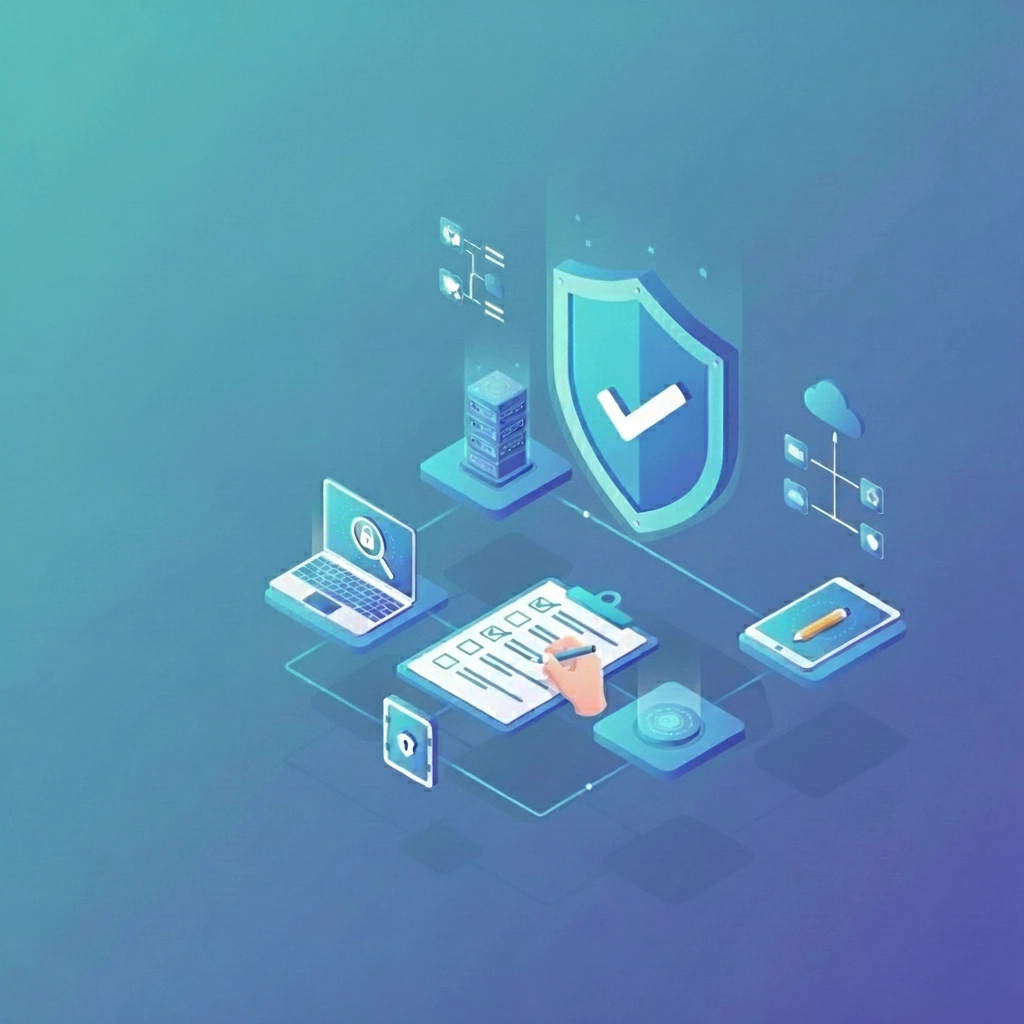
Conduct a Risk Assessment
You can't protect what you don't understand. A cybersecurity risk assessment identifies where your data lives, who can access it, and how attackers might exploit weaknesses in your environment.
This doesn't have to be complicated. Start with basic questions:
- What data do we collect and store?
- Where is that data located?
- Who has access to it?
- What would happen if it were stolen or destroyed?
- What systems are critical to our daily operations?
The answers will reveal your priorities and guide where to focus your security investments.
Building a Security-First Culture
Technology alone won't protect your business. The most sophisticated security tools fail when employees click malicious links, share passwords, or bypass controls for convenience.
Building a security-first culture means:
- Leadership modeling good security behavior
- Making security part of onboarding for every new hire
- Creating clear policies and enforcing them consistently
- Rewarding employees who identify and report threats
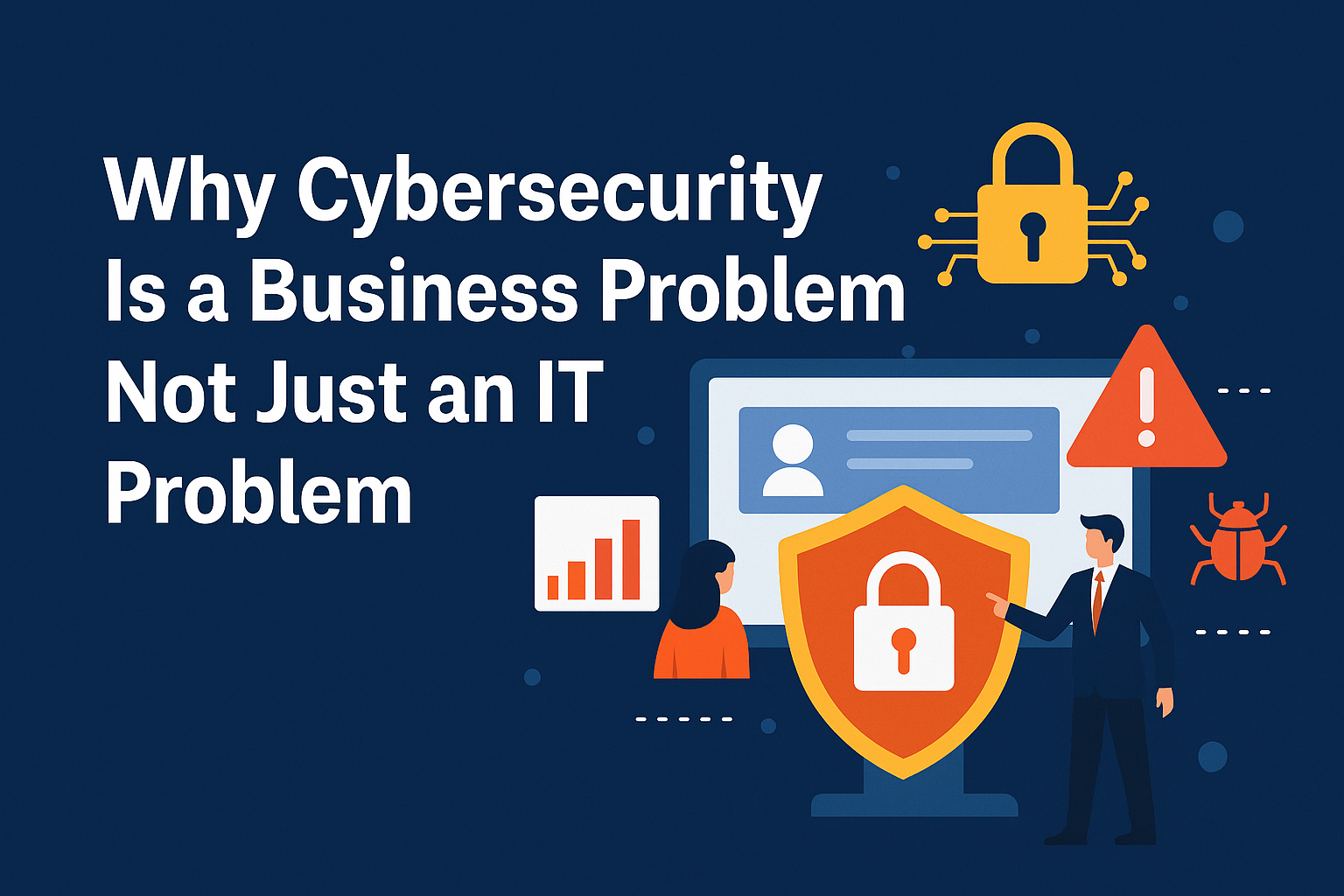
- Treating security as a business priority, not an IT problem
When security becomes part of how your organization operates: not just a checklist item: your risk profile drops dramatically.
Stop Hoping and Start Protecting
The "it won't happen to me" mindset is comfortable. It lets you avoid difficult conversations about budgets, training, and operational changes. But comfort isn't a strategy, and hope isn't a security control.
Cyberattacks against small businesses aren't slowing down. Automated threats are becoming more sophisticated. Regulatory requirements are tightening. The cost of inaction grows every day.
The good news: you don't need an enterprise budget to build enterprise-grade protection. You need the right partner, the right approach, and the willingness to act.
B&R Computers provides the proactive cybersecurity small businesses need to stop winging it and start securing their future. Reach out to learn how we can help protect what you've built.