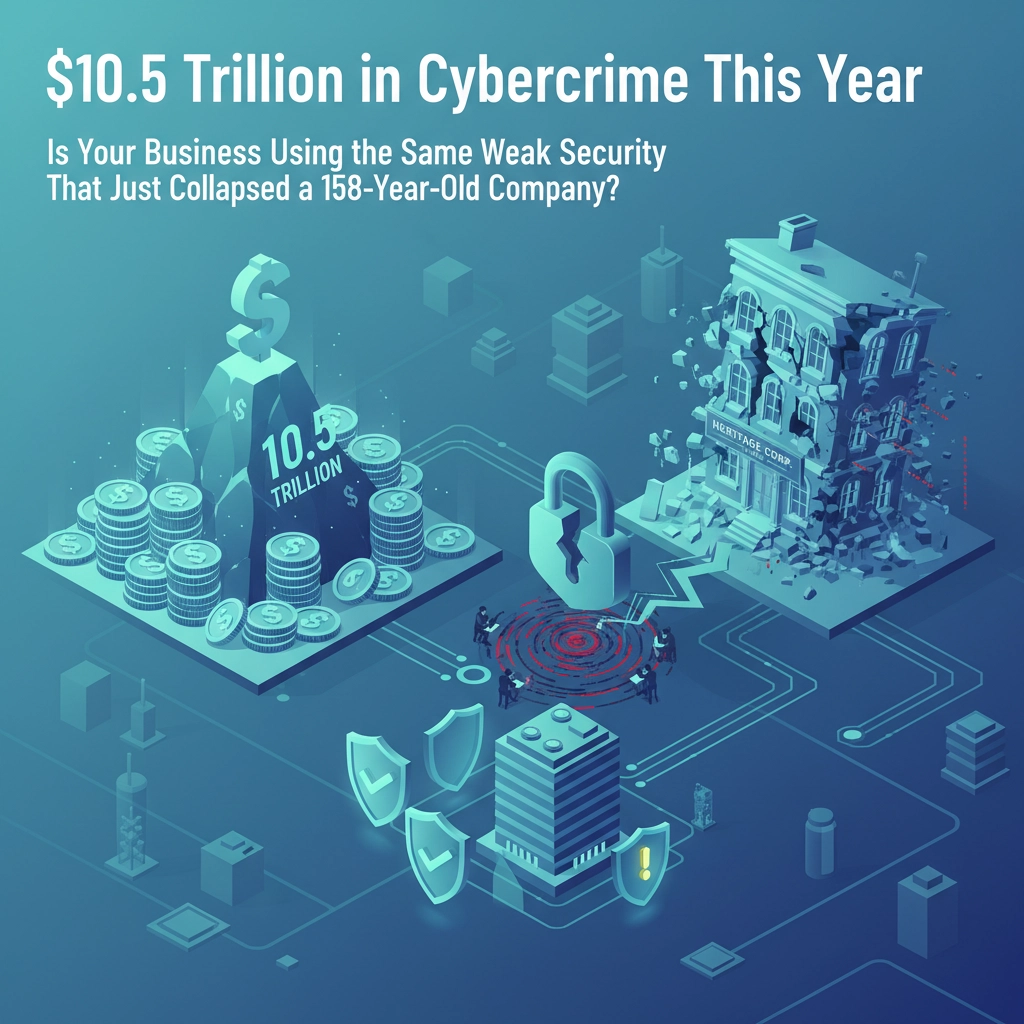
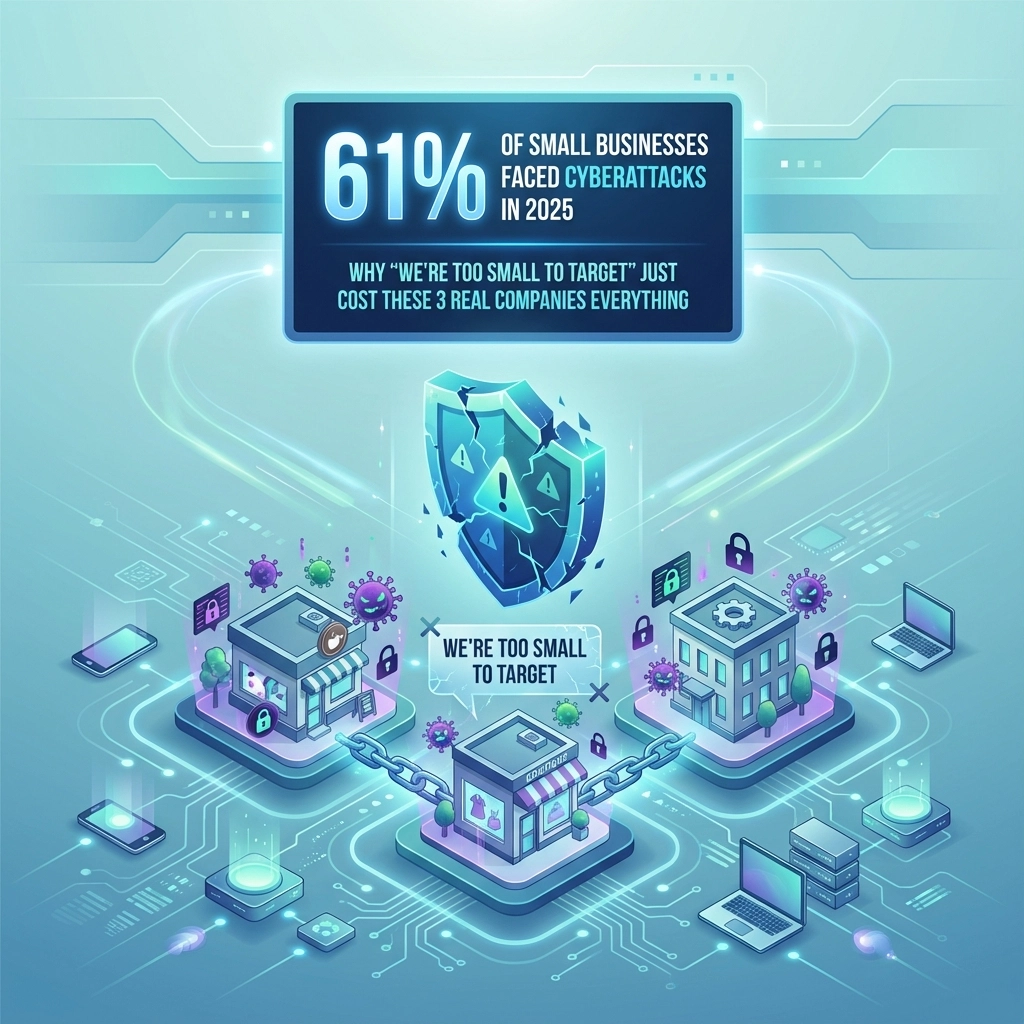
The numbers don't lie: 61% of small businesses faced cyberattacks in 2025, yet many business owners still cling to the dangerous myth that they're "too small to target." This misconception isn't just wrong: it's financially devastating.
Here's the reality: 70% of cyber attackers deliberately target small businesses, and small companies are 3x more likely to be targeted by cybercriminals than larger enterprises. If you're running a tax practice, healthcare clinic, financial services firm, or property management company thinking you're flying under the radar, you're not just wrong: you're in active danger.
The "Too Small to Target" Myth Just Became Deadly
The belief that cybercriminals only go after Fortune 500 companies is not just outdated: it's backwards. Small businesses have become the primary target because they offer the perfect combination of valuable data and weak defenses.
43% of all cyberattacks in 2023 targeted small businesses, and that number jumped significantly in 2025. According to recent threat intelligence, small businesses receive the highest rate of targeted malicious emails at one in every 323 messages: far higher than enterprise targets.
Why? Simple economics. Small businesses typically have:
- Valuable customer data (financial records, health information, tax documents)
- Weaker security infrastructure
- Limited cybersecurity budgets
- Fewer dedicated IT staff
- Less comprehensive backup and recovery systems
For attackers, it's easier to compromise ten small businesses than one well-defended enterprise.
The Real Cost: 60% Never Recover
The statistics on small business survival after cyberattacks are sobering. 60% of small businesses that suffer a cyberattack go out of business within six months. It's not just the immediate financial loss: it's the complete operational shutdown that destroys these companies.
Consider the average cost breakdown:
- Direct financial loss: $1.6 to $3.31 million per incident
- Operational downtime: 3-4 weeks average
- Customer trust erosion: 67% of customers lose confidence permanently
- Regulatory compliance costs: $50,000-$500,000 depending on industry
75% of small and medium businesses admit they could not continue operating if hit with ransomware: yet less than half have a security plan in place.
Industry-Specific Targets: Why Your Sector Matters
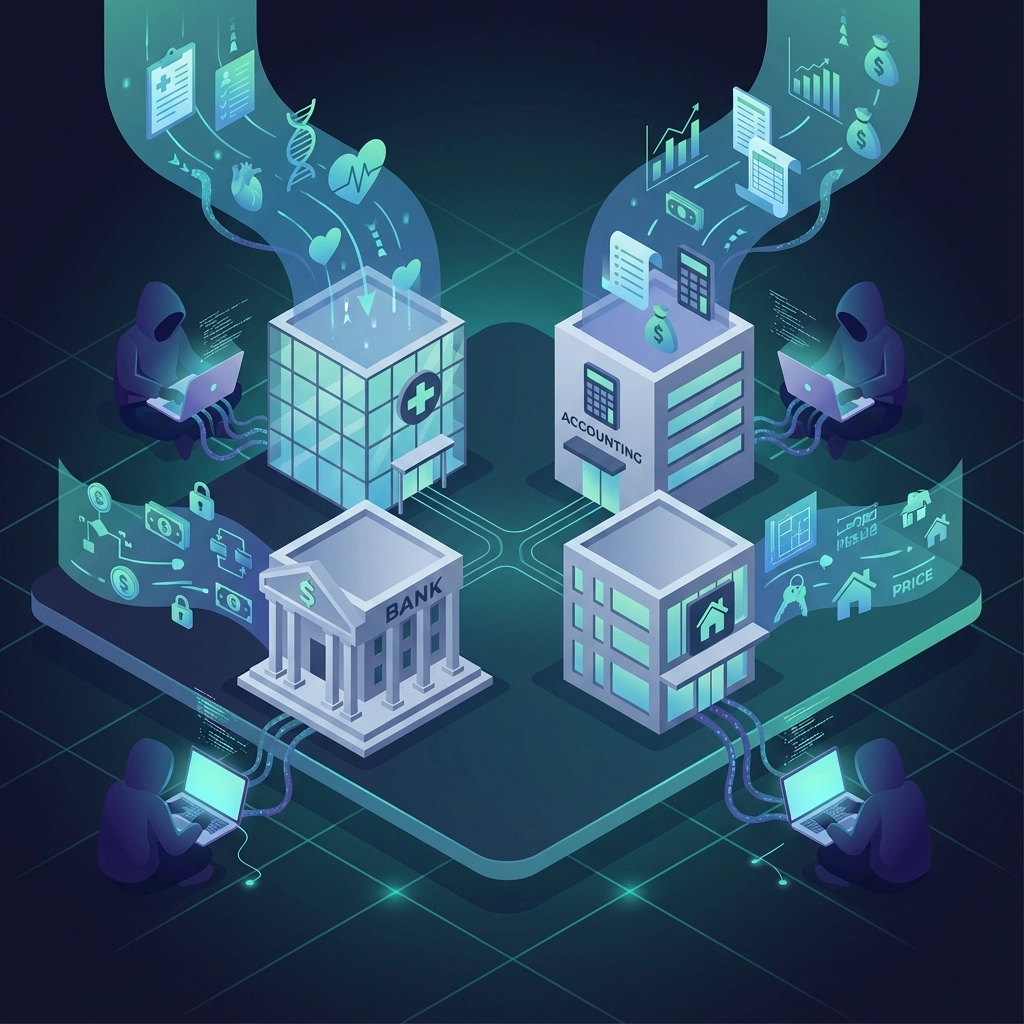
Different industries face different threat profiles, but all are actively hunted:
Tax and Accounting Firms
Tax professionals hold treasure troves of personal financial data. During tax season, these firms process Social Security numbers, bank account details, and complete financial profiles. Attackers specifically target accounting firms between January and April, knowing the data volume and time pressure create vulnerability windows.
Healthcare Practices
Medical data sells for 10x more than credit card information on the dark web. Small healthcare practices: from dental offices to specialized clinics: often lack the robust cybersecurity infrastructure of major hospital systems while maintaining the same valuable patient data.
Financial Services
Small financial advisory firms, credit unions, and local banks handle sensitive investment information and have direct access to client accounts. The 2025 threat landscape shows a 340% increase in targeted attacks against financial services firms with fewer than 50 employees.
Property Management and Real Estate
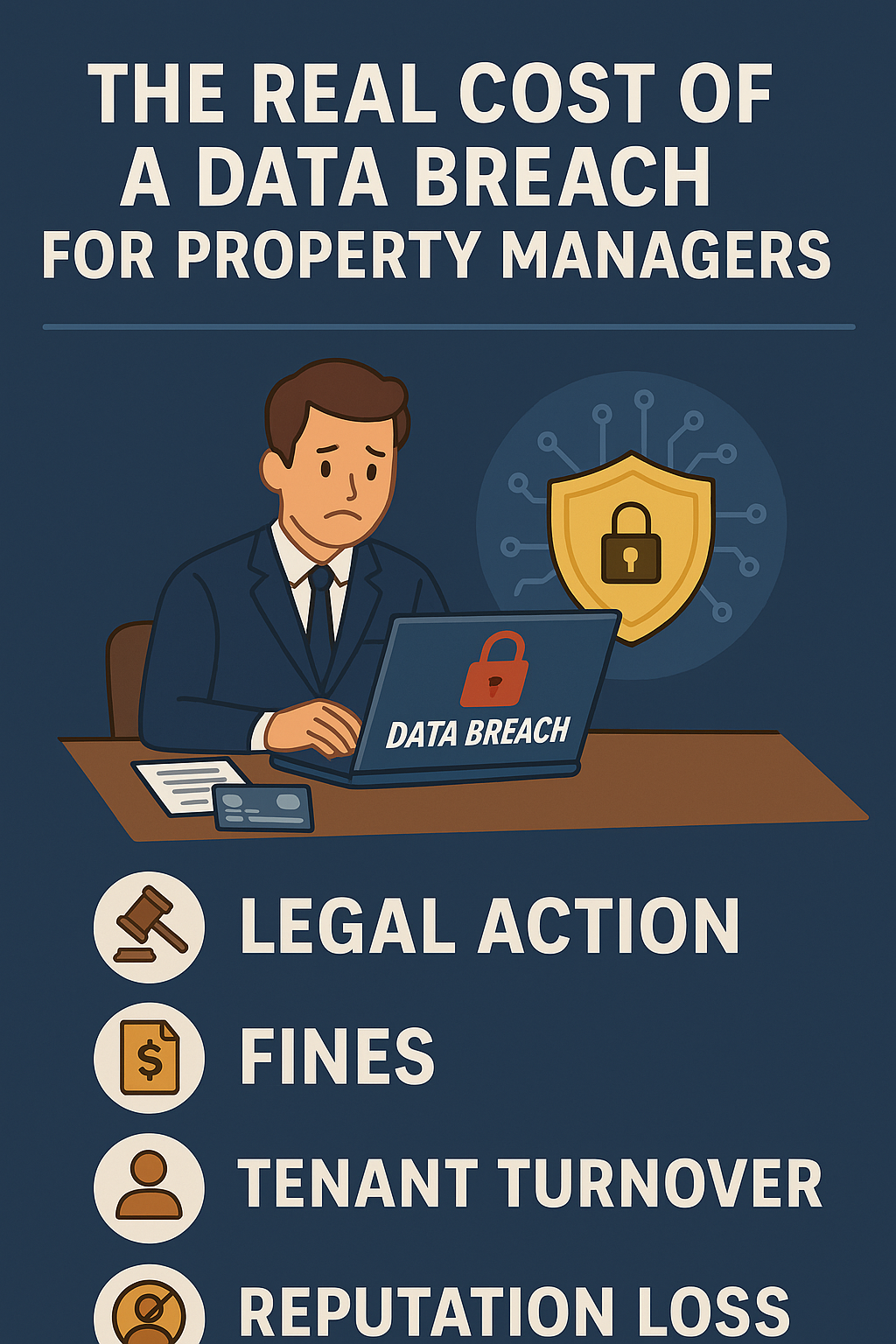
Real estate firms maintain extensive databases of personal information, financial qualification documents, and property access codes. Property management companies are particularly vulnerable because they often provide remote access to building systems and maintain tenant financial information.
The 2025 Attack Evolution: Why Old Defenses Failed
Cybercriminal tactics evolved dramatically in 2025, making traditional small business defenses obsolete:
AI-Enhanced Phishing
Attackers now use artificial intelligence to create highly personalized, contextually relevant phishing emails. These aren't the obvious "Nigerian prince" scams: they're sophisticated messages that reference real business relationships, current projects, and industry-specific language.
Compromised Credentials
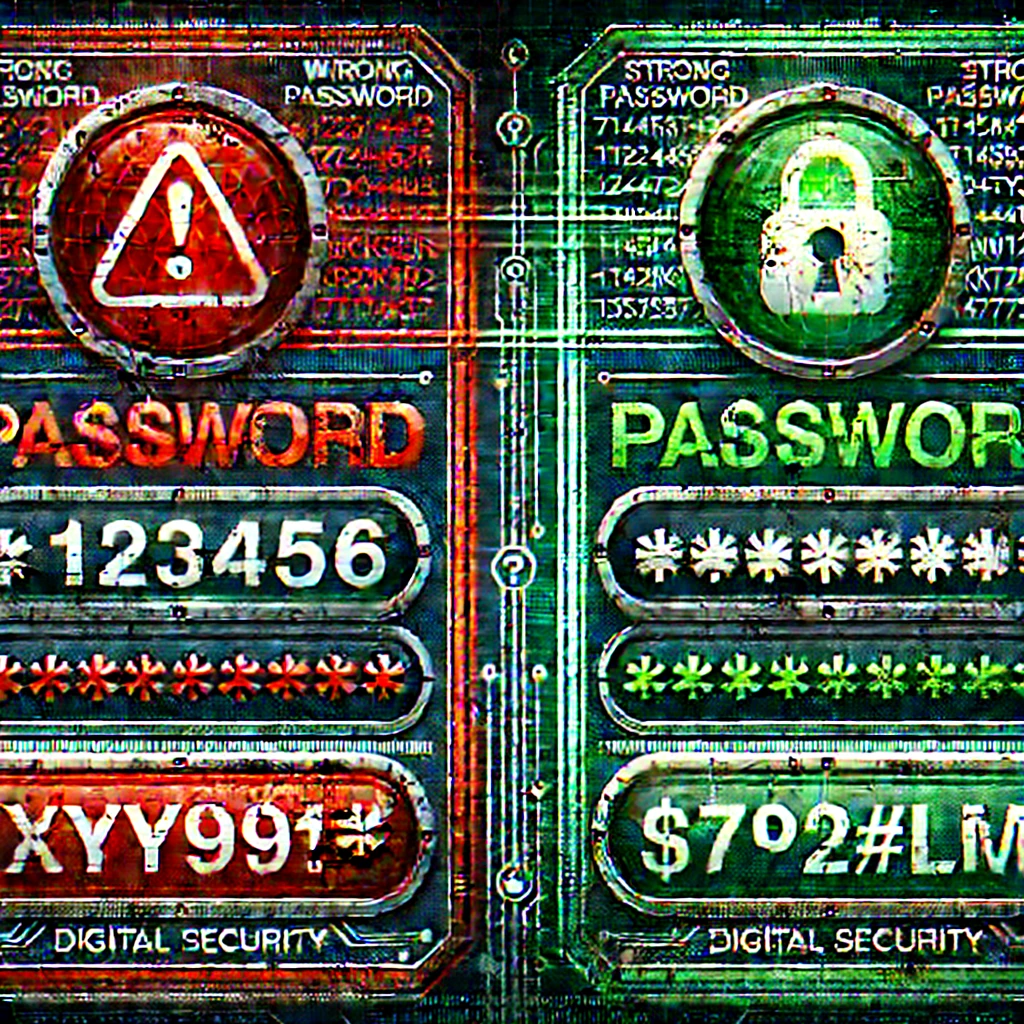
Over 80% of successful breaches now start with compromised credentials rather than technical exploits. Attackers buy stolen passwords from previous breaches, then systematically test them against small business accounts.
Double-Extortion Ransomware
Modern ransomware doesn't just encrypt your files: it steals them first. Even if you have backups, attackers threaten to release sensitive customer data unless you pay. This puts small businesses in an impossible position between financial ruin and regulatory violations.
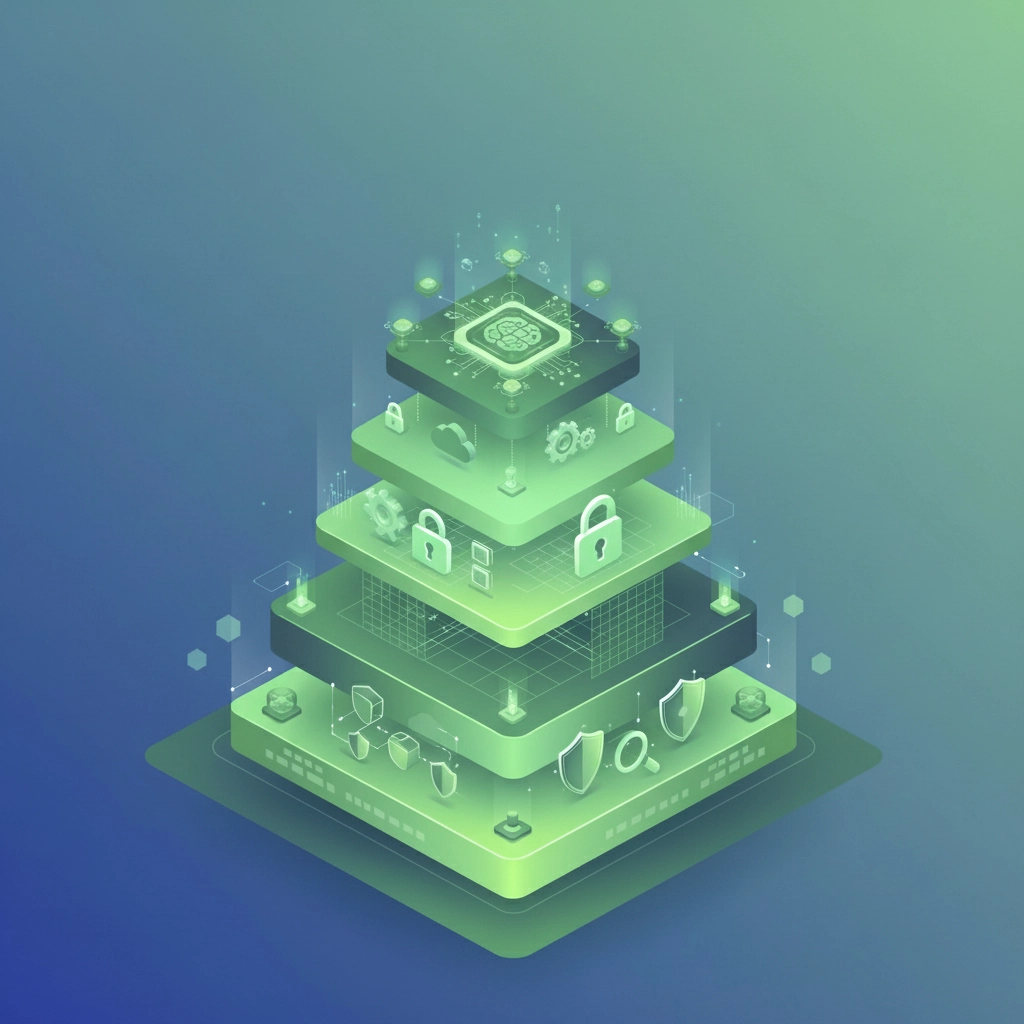
Three Critical Defense Layers Every Business Needs Now
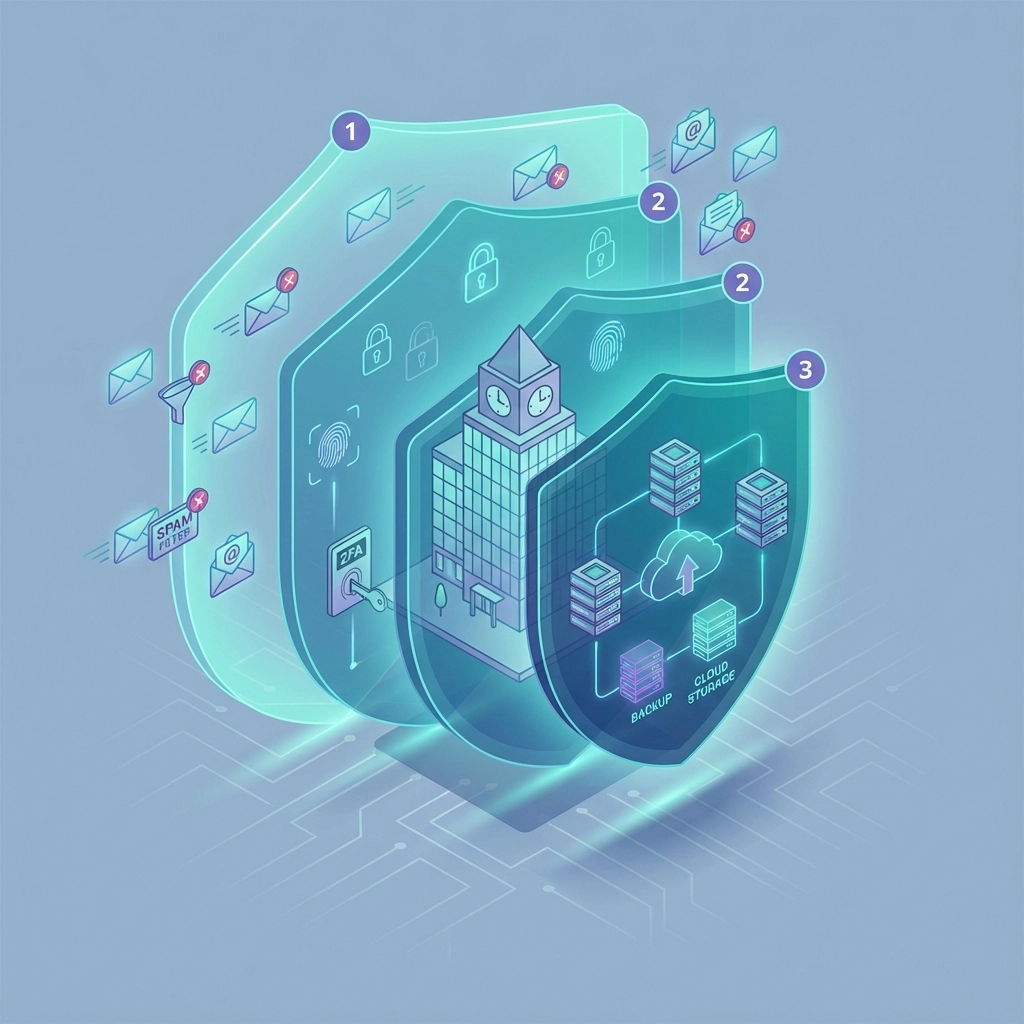
Layer 1: Email Security and User Training
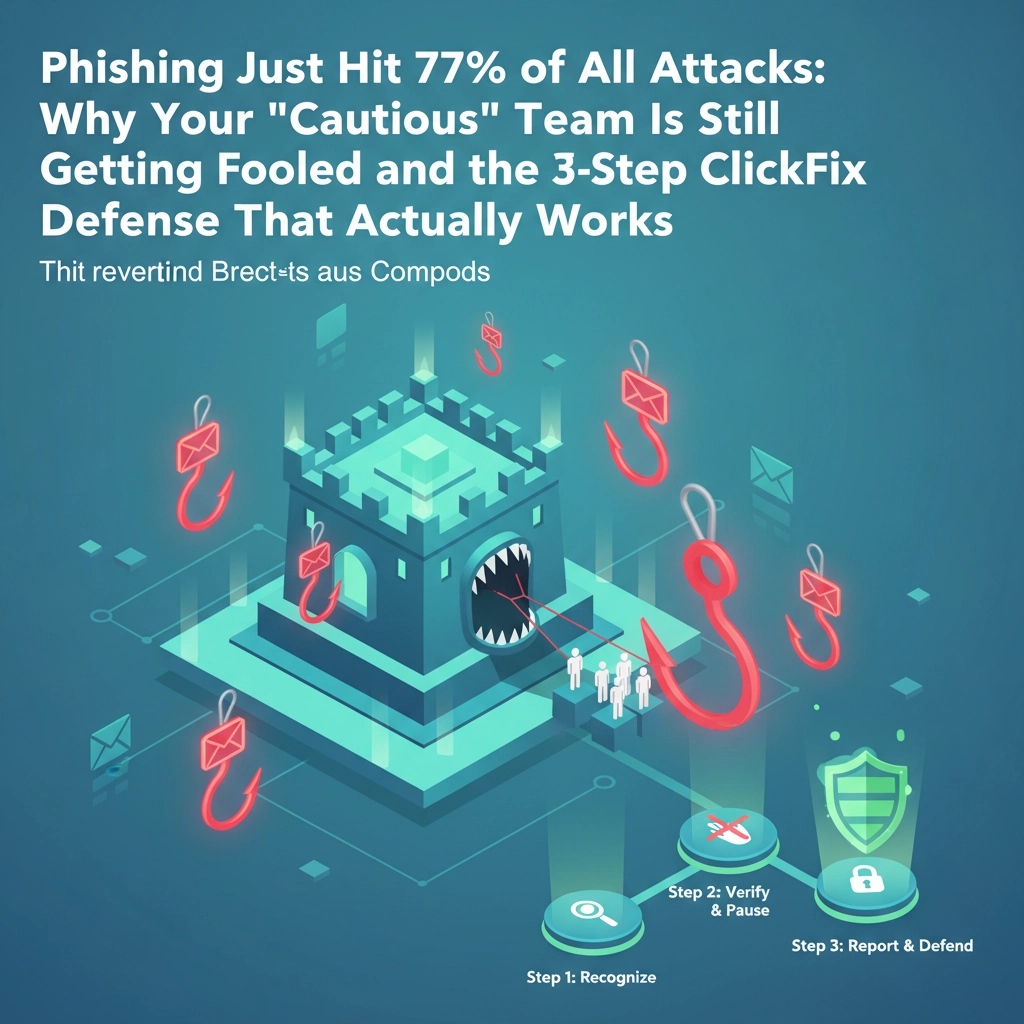
Since most attacks start with phishing, your email security determines your overall risk. Implement advanced email filtering that uses AI to detect sophisticated phishing attempts. More importantly, train your team to recognize and report suspicious emails.
Monthly phishing simulations help, but real protection comes from creating a culture where employees feel safe reporting suspicious activity without fear of blame.
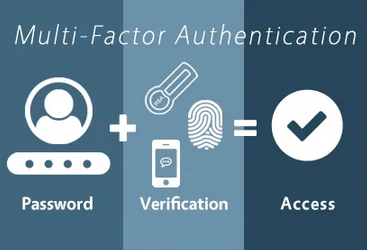
Layer 2: Multi-Factor Authentication (MFA) Everywhere
Enable MFA on every business account: email, banking, cloud services, and any system containing customer data. Use app-based authenticators rather than SMS when possible, as SMS can be intercepted.
This single step prevents over 99% of credential-based attacks.
Layer 3: Backup and Incident Response Planning
Maintain tested, offline backups of all critical data. "Tested" means regularly verifying you can actually restore from these backups. Many businesses discover their backup strategy failed only after they need it.
Develop a written incident response plan that includes:
- Who to contact immediately (IT support, legal counsel, insurance)
- Communication templates for customers and vendors
- Step-by-step recovery procedures
- Regulatory notification requirements
Sector-Specific Quick Wins
For Tax Professionals:
- Implement client portal systems instead of email for sensitive document sharing
- Use encrypted cloud storage with client-specific access controls
- Schedule security reviews before each tax season
For Healthcare Practices:
- Ensure all patient management systems meet HIPAA technical safeguards
- Create separate networks for medical devices and administrative systems
- Implement role-based access controls for patient records
For Financial Services:
- Use dedicated, secured networks for client account access
- Implement transaction monitoring and anomaly detection
- Maintain separate backup systems for compliance data
For Property Management:
- Secure building access systems separately from tenant data systems
- Use encrypted communication for maintenance and emergency protocols
- Implement visitor access logging and monitoring
The Business Case for Immediate Action
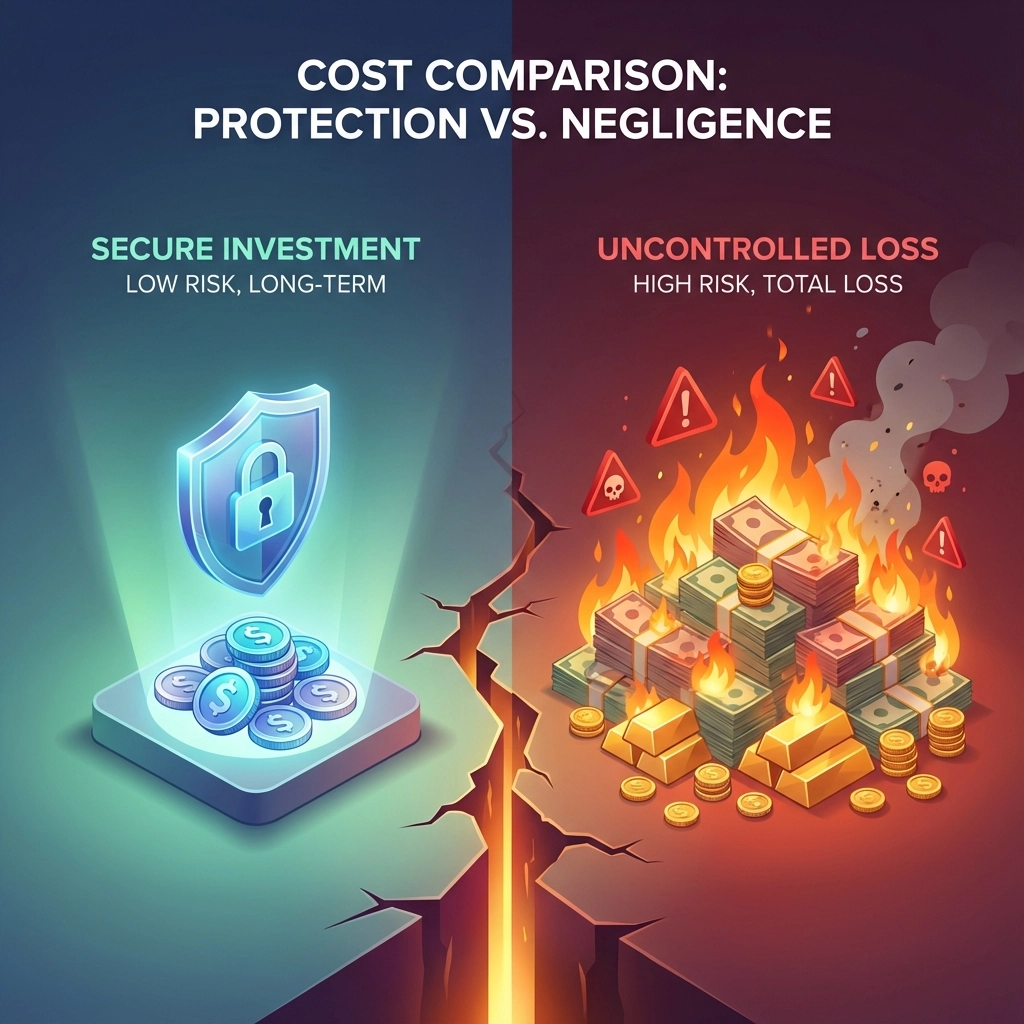
The cost of prevention versus recovery tells the complete story:
Prevention Investment: $2,000-$5,000 annually for comprehensive small business security
Recovery Cost: $1.6-$3.31 million average per successful attack
The math is simple, but the urgency is critical. Threat actors specifically target businesses during predictable busy periods: tax season, year-end financial reporting, holiday retail periods: when defenses are likely to be overlooked.
Moving Beyond the "Too Small" Mindset
The most dangerous thing small business owners can do in 2026 is assume they're not worth attacking. Every day you operate without proper cybersecurity measures, you're essentially gambling your entire business on the hope that attackers won't notice you.
They already have.
The question isn't whether you'll be targeted: it's whether you'll be prepared when it happens. The businesses that survive and thrive are those that treat cybersecurity as a critical business function, not an optional IT expense.
Your customers trust you with their most sensitive information. Your employees depend on business continuity for their livelihoods. Your industry reputation and regulatory compliance hang in the balance.
Ready to stop gambling with your business future? B&R Computers specializes in practical, affordable cybersecurity solutions designed specifically for small businesses. We help you implement enterprise-grade protection without enterprise-level complexity or cost. Contact us today for a straightforward security assessment that identifies your biggest risks and maps out a realistic protection strategy.
Don't wait for the statistics to include your business( start building your defenses now.)