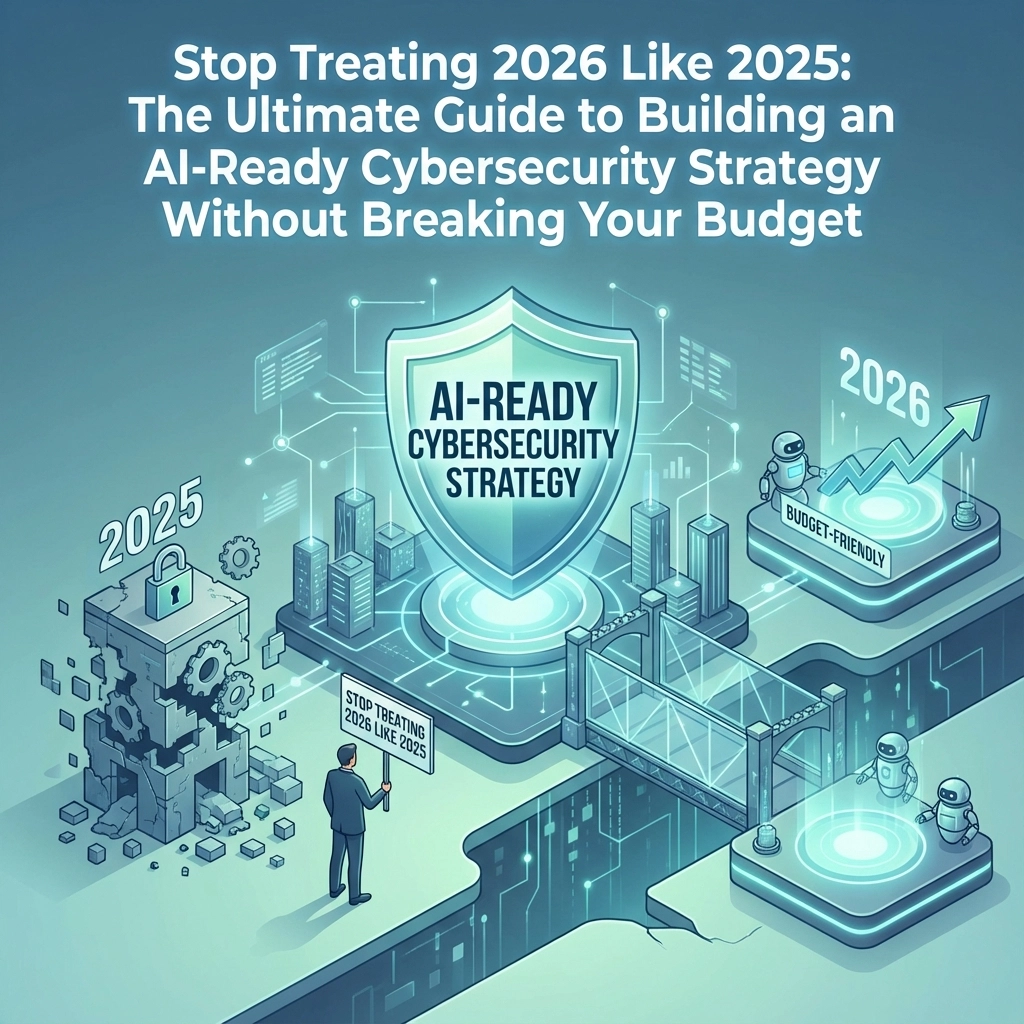
The cybersecurity playbook you relied on in 2025 won't protect you in 2026. While most businesses are still fighting yesterday's threats with yesterday's tools, attackers have fundamentally changed the game. They're no longer just using AI to enhance their attacks: they're deploying fully automated, self-adapting threats that move faster than human defenders can respond.
The shift isn't subtle. In 2025, AI enhanced security; in 2026, AI becomes the attacker itself. This means your defense strategy needs to evolve beyond traditional detection and response to something entirely different: managing machine decision-making and automated threat behavior.
The good news? Building an AI-ready cybersecurity strategy doesn't require a massive budget increase. It requires a strategic shift in how you allocate your existing resources.
Why Your 2025 Security Strategy Is Already Obsolete
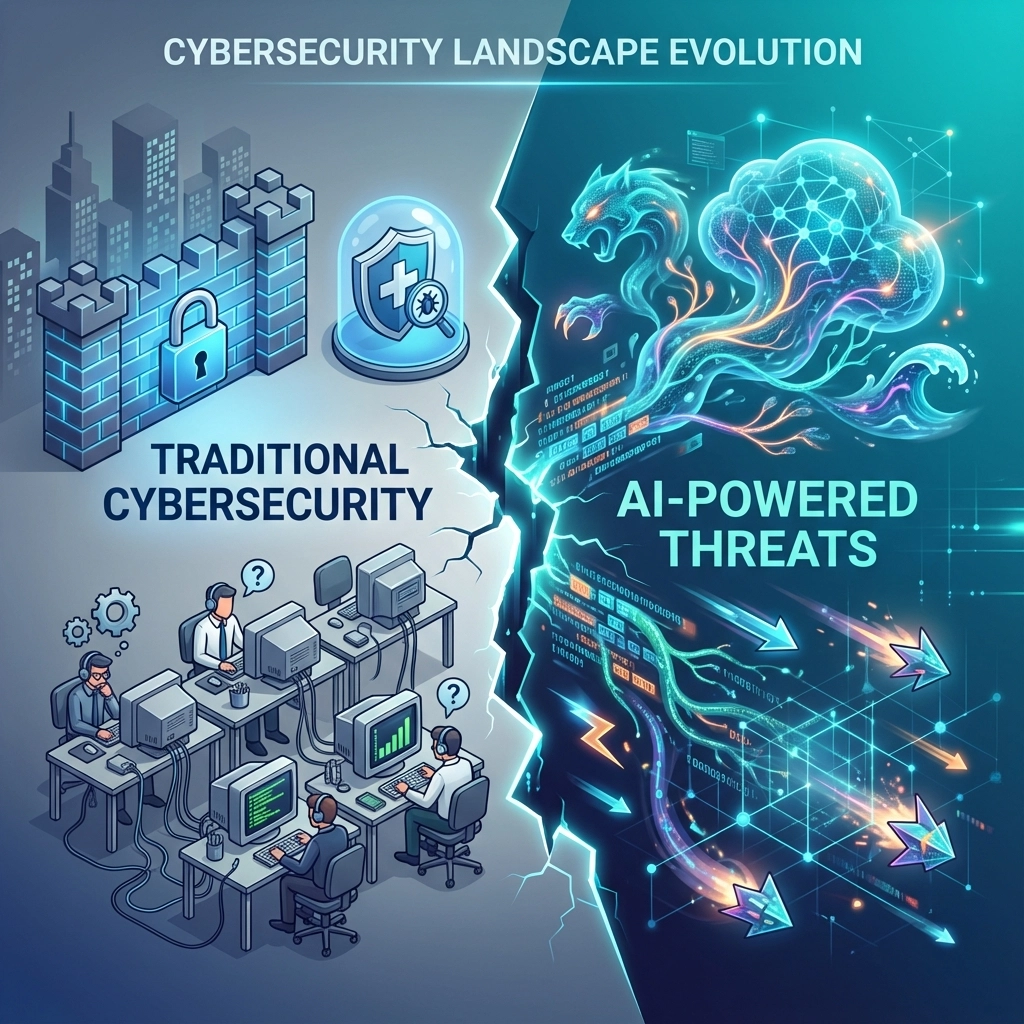
The fundamental difference between 2025 and 2026 lies in threat automation. Last year, human attackers used AI tools to craft better phishing emails or analyze vulnerabilities faster. This year, AI-generated polymorphic malware has moved from research labs to underground marketplaces, and computer-driven attacks are consistently outperforming human-crafted ones.
Consider what this means practically: Traditional signature-based detection systems can't keep up with malware that rewrites itself every few minutes. Incident response teams trained to handle human attack patterns struggle against adversaries that can pivot, adapt, and escalate privileges faster than security personnel can coordinate their response.
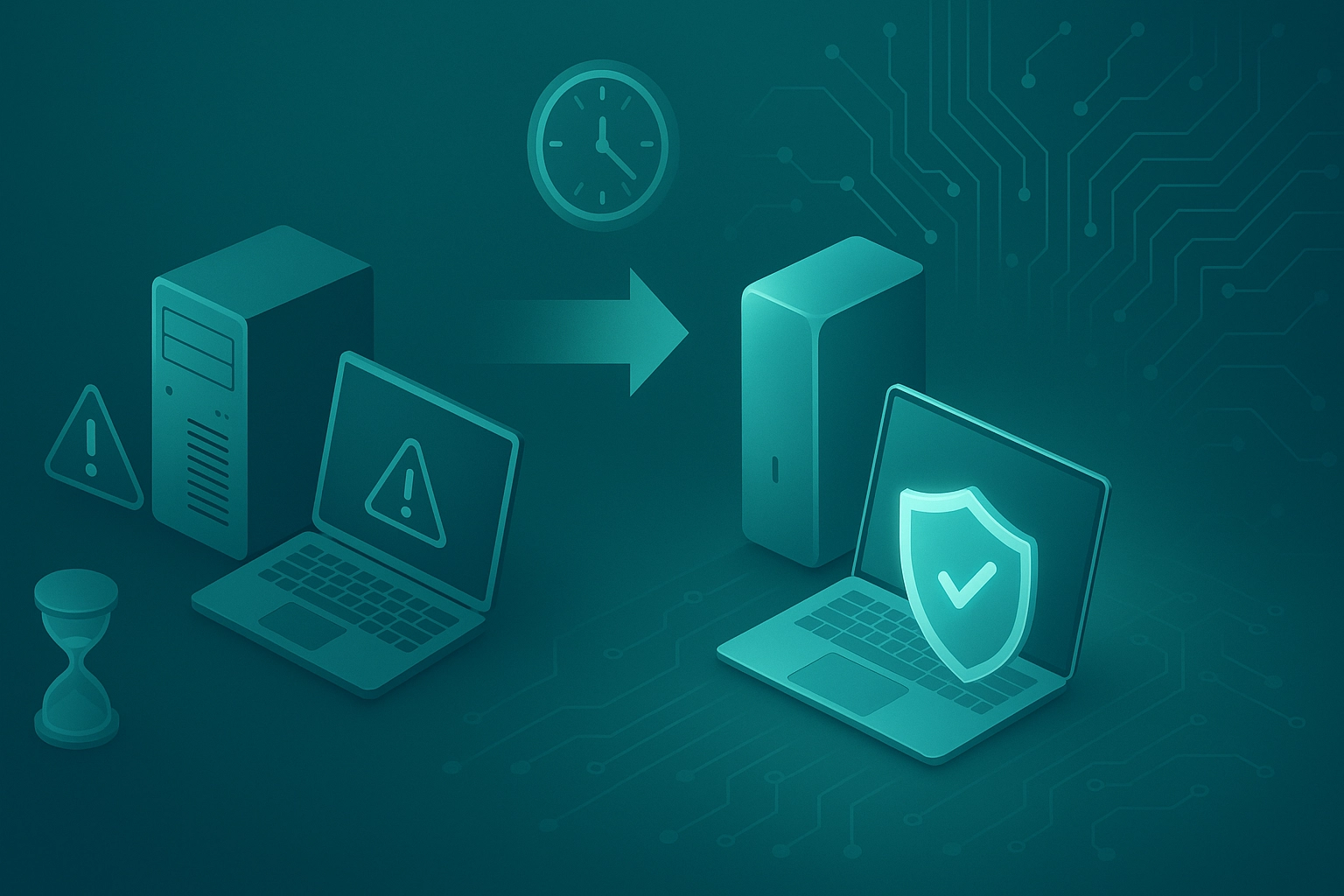
Your current security stack: built around known threat patterns, static rules, and human-speed response times: is fundamentally mismatched to the threat environment you're facing today.
The New Threat Landscape: Three Critical Changes
1. Automated Attack Chains
Attackers are now automating significant portions of the attack lifecycle. From initial reconnaissance to lateral movement, AI systems can execute complex attack sequences without human intervention. This means attacks happen at machine speed, often completing full compromise cycles in minutes rather than the hours or days that traditional incident response assumes.
2. Self-Modifying Malware
AI-generated polymorphic malware doesn't just change its appearance: it adapts its behavior based on the defenses it encounters. When your system blocks one approach, the malware automatically tries different techniques, learning from each defensive response to optimize its next attempt.
3. Decision-Making at Scale
Perhaps most critically, your own AI-powered systems are becoming attack targets. As businesses implement AI for automation, these systems become potential attack vectors that can make thousands of decisions per second: each one a potential security risk if the AI is compromised or manipulated.
Budget-Smart Strategic Shifts for 2026
Instead of throwing money at new security tools, focus your budget on three high-impact areas that directly address AI-powered threats:
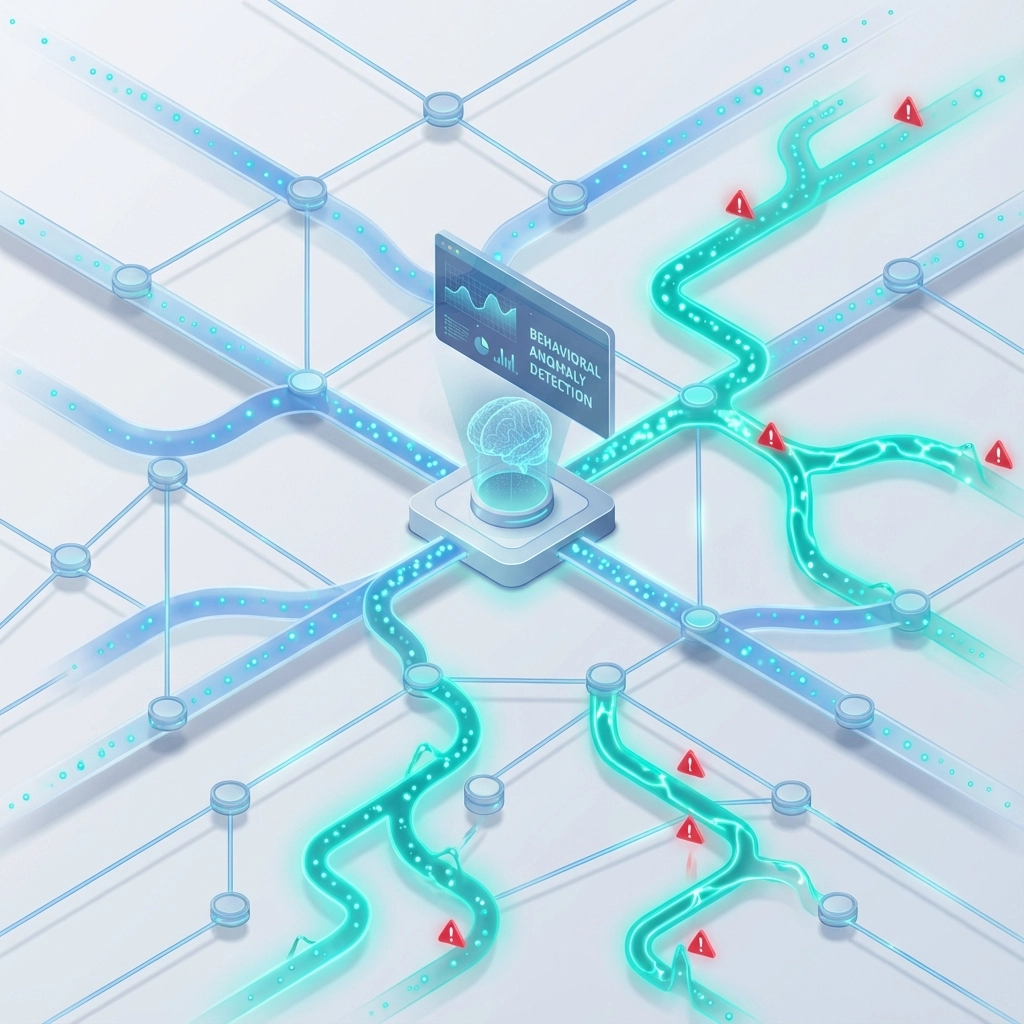
Shift 1: From Signature Detection to Behavior Analysis
Traditional detection systems rely on known attack patterns. In 2026, invest in behavior-driven anomaly detection that identifies unusual patterns rather than specific threat signatures. This approach scales better against self-modifying malware and adapts automatically without requiring constant rule updates.
Budget impact: Often costs the same as traditional detection platforms but provides exponentially better coverage against unknown threats.
Shift 2: From Reactive to Proactive AI Testing
Build or acquire adversarial AI testing capabilities that probe your systems for vulnerabilities before attackers find them. This means testing how AI systems respond to malicious inputs, whether they can be manipulated into making harmful decisions, and how they behave under attack conditions.
Budget impact: Significantly cheaper than incident response and prevents costly breaches of automated systems.
Shift 3: From Tool Management to AI Governance
Security teams must expand beyond threat detection to supervising how AI systems make decisions. This includes monitoring AI reasoning, applying decision boundaries, and implementing kill switches for high-risk automated actions.
Budget impact: Primarily requires training existing staff rather than hiring new personnel.
Your 2026 Implementation Roadmap
Phase 1: Immediate Assessment (First 30 Days)
Start by auditing your current AI implementations: both security tools and business automation systems. Map every system that makes automated decisions affecting security, compliance, or data access. Document decision-making processes and identify systems that lack human oversight.
Phase 2: Behavioral Monitoring Implementation (Days 31-90)
Deploy behavior-based monitoring for your most critical systems first. Focus on unusual data access patterns, abnormal system communications, and decision-making anomalies. Establish baseline behaviors before implementing full anomaly detection.
Phase 3: AI Governance Framework (Days 91-180)
Implement oversight mechanisms for automated decision-making. Establish review processes for high-impact AI decisions, create audit trails for automated actions, and develop response protocols for when AI systems behave unexpectedly.

Practical Steps That Don't Break the Bank
1. Leverage Existing Security Tools Differently
Most businesses already have security platforms capable of behavior analysis: they just aren't configured for it. Work with your current vendors to enable machine learning features and behavioral baselines instead of purchasing entirely new systems.
2. Implement AI Decision Logging
Before investing in expensive governance platforms, start with comprehensive logging of all automated decisions. This creates the data foundation necessary for oversight and helps identify patterns that need human review.
3. Cross-Train Your Team
Rather than hiring AI specialists, train your existing security team to understand AI decision-making patterns. This builds institutional knowledge and ensures your team can effectively oversee automated systems.
4. Partner for Adversarial Testing
Small businesses can share the cost of adversarial AI testing by partnering with cybersecurity firms that offer testing services. This provides enterprise-level testing capabilities at a fraction of the cost of building in-house expertise.
The Competitive Advantage of Early Adoption
Organizations that embrace strategic AI adoption now gain significant advantages over those that resist or delay. Agentic AI solutions for incident response and routine task automation increase security team productivity without proportional headcount growth. This allows you to maintain pace with adversaries while controlling staff costs.
More importantly, businesses that implement AI governance and behavior-based detection today will be prepared for upcoming compliance requirements. Regulatory frameworks for AI oversight are rapidly developing, and early adopters will face smoother audits and lower compliance costs.
Looking Beyond 2026
The cybersecurity landscape will continue evolving rapidly. The strategic foundation you build now: focusing on behavior analysis, AI governance, and automated threat response: will adapt to future challenges better than rigid, tool-specific approaches.
The businesses that will thrive are those that view AI as both a threat to defend against and a capability to leverage strategically. This balanced approach requires thoughtful planning but doesn't require unlimited budgets.
Start Planning Your AI-Ready Security Strategy
The shift from 2025 to 2026 cybersecurity isn't just about new tools: it's about new thinking. The organizations that recognize this change and adapt their strategies accordingly will maintain strong security postures without unsustainable budget increases.
Don't wait for the next major breach to expose gaps in your current approach. The time to build an AI-ready cybersecurity strategy is now, while you can still plan strategically rather than react defensively.
Ready to assess how well your current security posture handles AI-powered threats? B&R Computers offers comprehensive 2026 cybersecurity planning sessions designed specifically for small businesses. We'll help you identify the most cost-effective ways to future-proof your digital security without disrupting your operations or stretching your budget. Contact us today to schedule your strategic planning session and start 2026 with confidence in your cyber defenses.