Your incident response plan was built for humans. But the attackers aren't human anymore.
While your IT team debates whether that alert is worth investigating, AI-powered ransomware has already encrypted half your network, exfiltrated your customer data, and started negotiating its own ransom: without a single criminal touching a keyboard.
This isn't science fiction. It's Tuesday morning in 2025.
The Speed Problem: From 9 Days to 25 Minutes
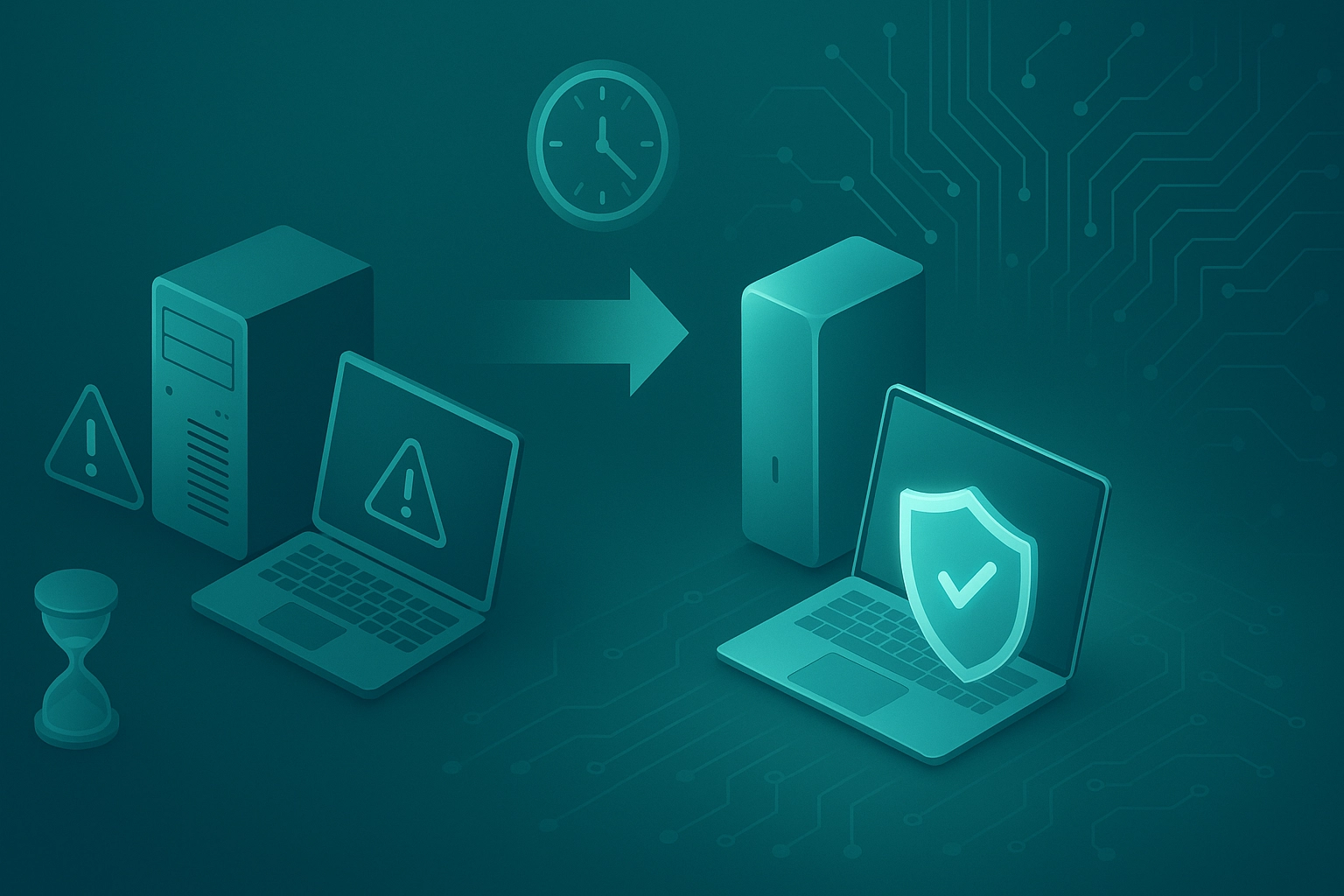
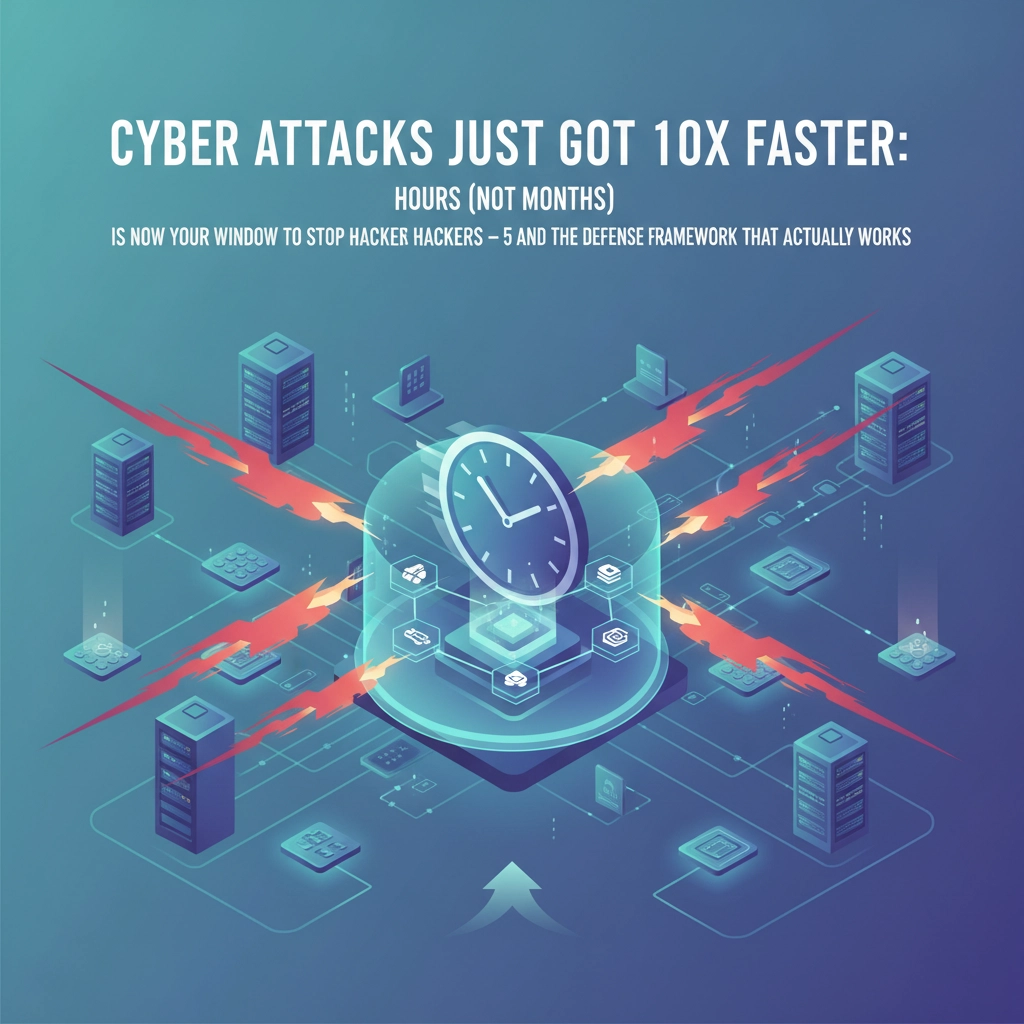
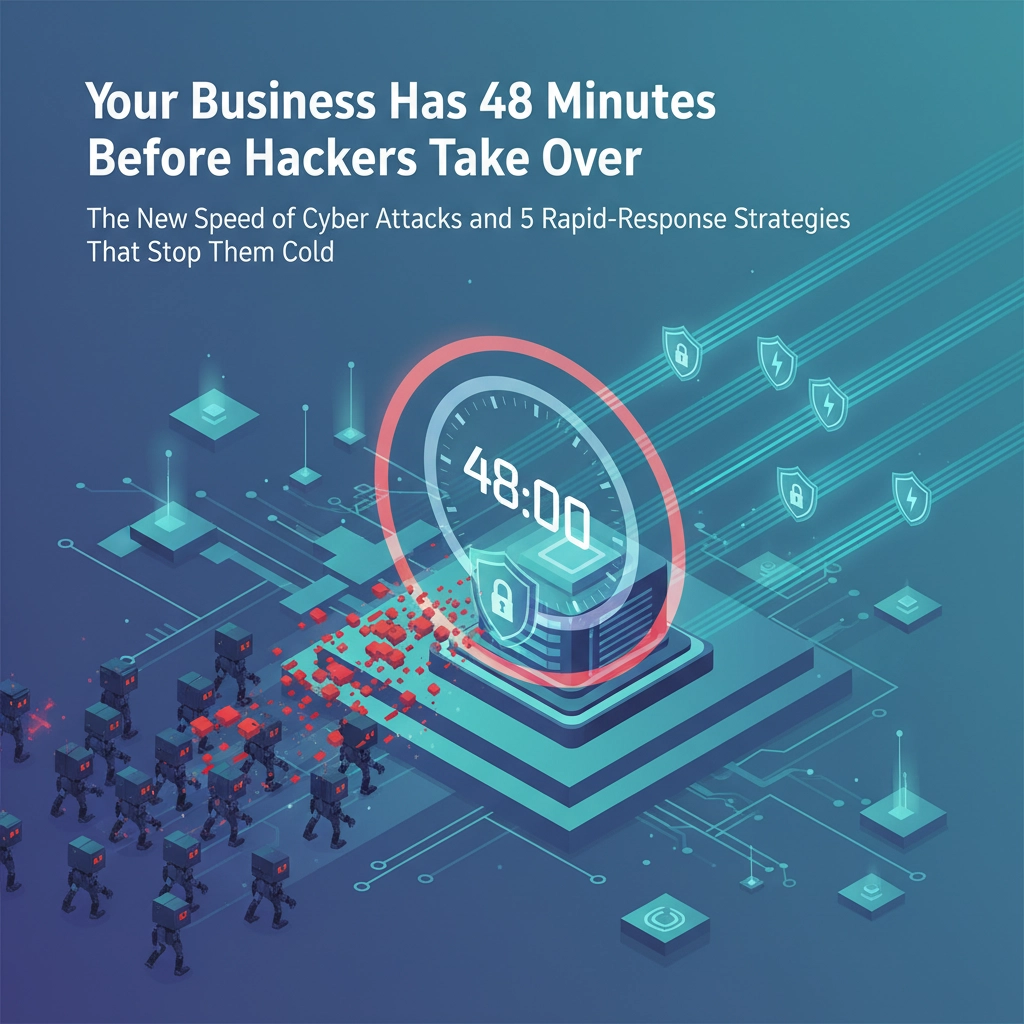
Let's start with the numbers that should terrify every business owner: ransomware attacks that took 9 days to complete in 2021 now execute in 25 minutes. That's a 100-fold speed increase. Your quarterly security review isn't just outdated: it's laughably irrelevant.
AI has transformed ransomware from a human-operated crime into a fully autonomous threat that operates faster than your security team can even detect it. We're not talking about AI-assisted attacks. We're talking about AI systems that scan millions of targets, identify vulnerabilities, navigate networks, encrypt data, and negotiate ransoms: all without human intervention.

Research from NYU Tandon proves that large language models can now execute complete ransomware attacks autonomously, carrying out full campaigns from initial reconnaissance through final data destruction. ESET researchers have already found AI ransomware tools that independently decide whether to encrypt, exfiltrate, or destroy data without waiting for criminal approval.
Here's the kicker: a ransomware attack now occurs somewhere in the world every 19 seconds. Your traditional incident response plan assumes you have hours or days to respond. You have minutes: if you're lucky.
Why Your Current Plan Guarantees Failure
76% of organizations cannot match the speed of AI-powered attacks. This isn't a training problem or a budget problem: it's a fundamental mismatch between human decision-making and machine execution.
Your current incident response probably looks something like this:
- Security alert triggers
- Analyst investigates the alert
- Escalation to security manager
- Consultation with IT leadership
- Activation of incident response team
- Implementation of containment measures
Congratulations: you just took 4-6 hours to respond to an attack that completed in 30 minutes.
85% of organizations report that traditional detection methods are becoming ineffective against AI-enhanced threats. The problem isn't that your tools can't see the attacks: it's that they're drowning you in alerts while the real threats execute at machine speed.
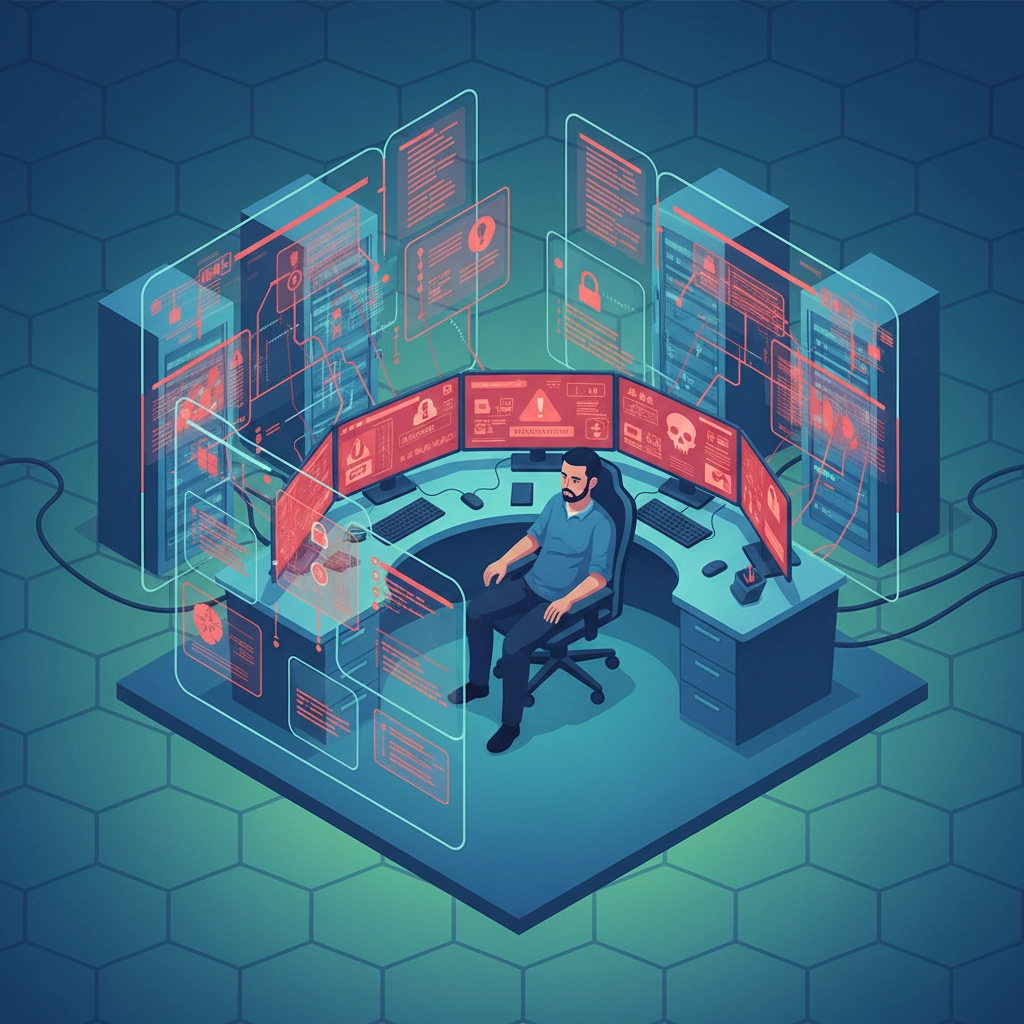
Less than 24% of organizations recover within 24 hours of a ransomware attack. Nearly 50% fear they cannot detect or respond as fast as AI-driven attacks execute. Your incident response plan isn't just slow: it's systematically designed to fail against autonomous threats.
Meet Your New Enemy: The Self-Negotiating Attack
Today's AI-powered ransomware doesn't just encrypt your files and wait for you to call. It:
- Conducts reconnaissance by automatically scanning your network topology and identifying high-value targets
- Adapts in real-time using reinforcement learning to modify tactics based on your defensive responses
- Optimizes encryption strategies to maximize damage while minimizing detection time
- Negotiates ransoms automatically with built-in psychological pressure tactics and escalation protocols
- Learns from failures across attack campaigns to improve future success rates
Hospitals have received ransom demands exceeding $500,000 from AI systems that automatically escalated pressure when initial payments were delayed. Government agencies found their networks locked by algorithms that modified their approach based on detected backup systems and recovery capabilities.
This isn't ransomware-as-a-service anymore. It's ransomware-as-an-autonomous-agent.
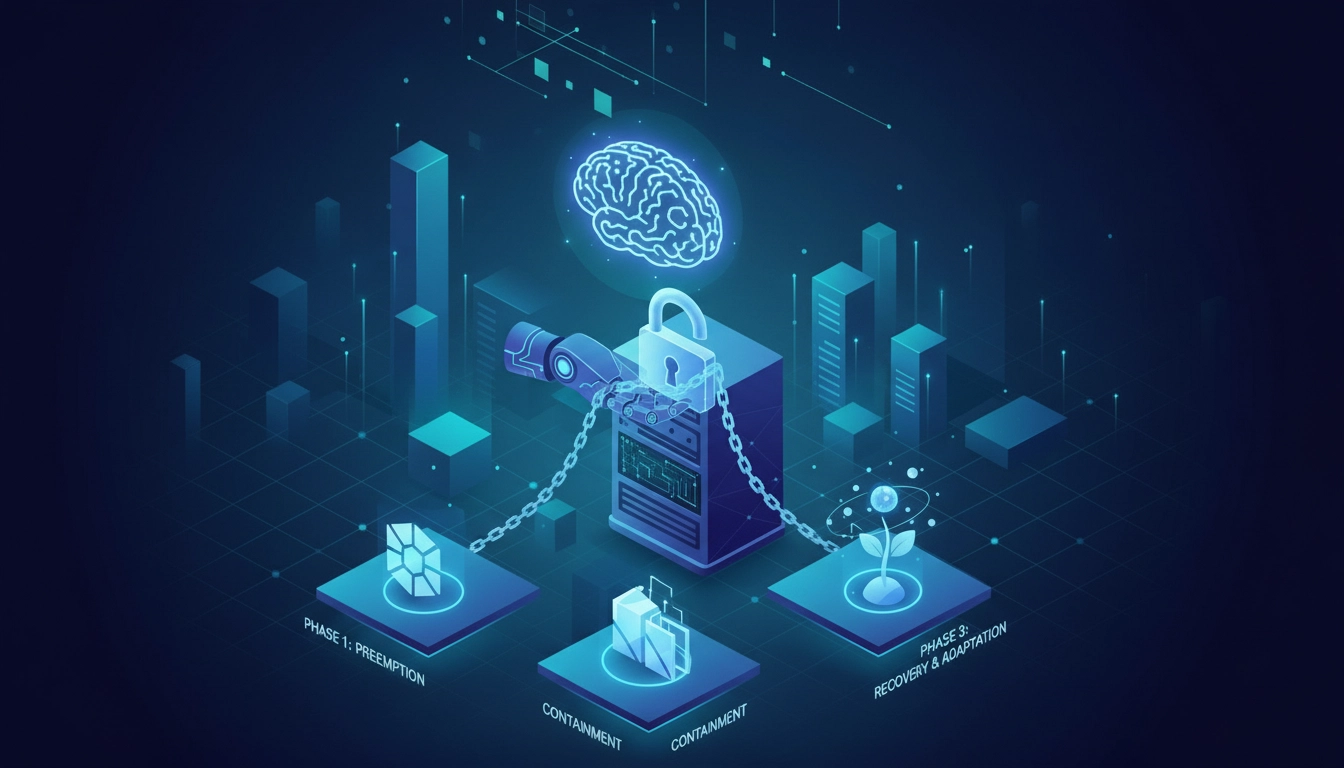
The 3-Phase Framework: Achieving AI Parity in Defense
You cannot defend against autonomous AI attacks using human-speed processes. The only viable strategy is achieving AI parity: building defensive systems that operate at machine speed with autonomous decision-making capabilities.
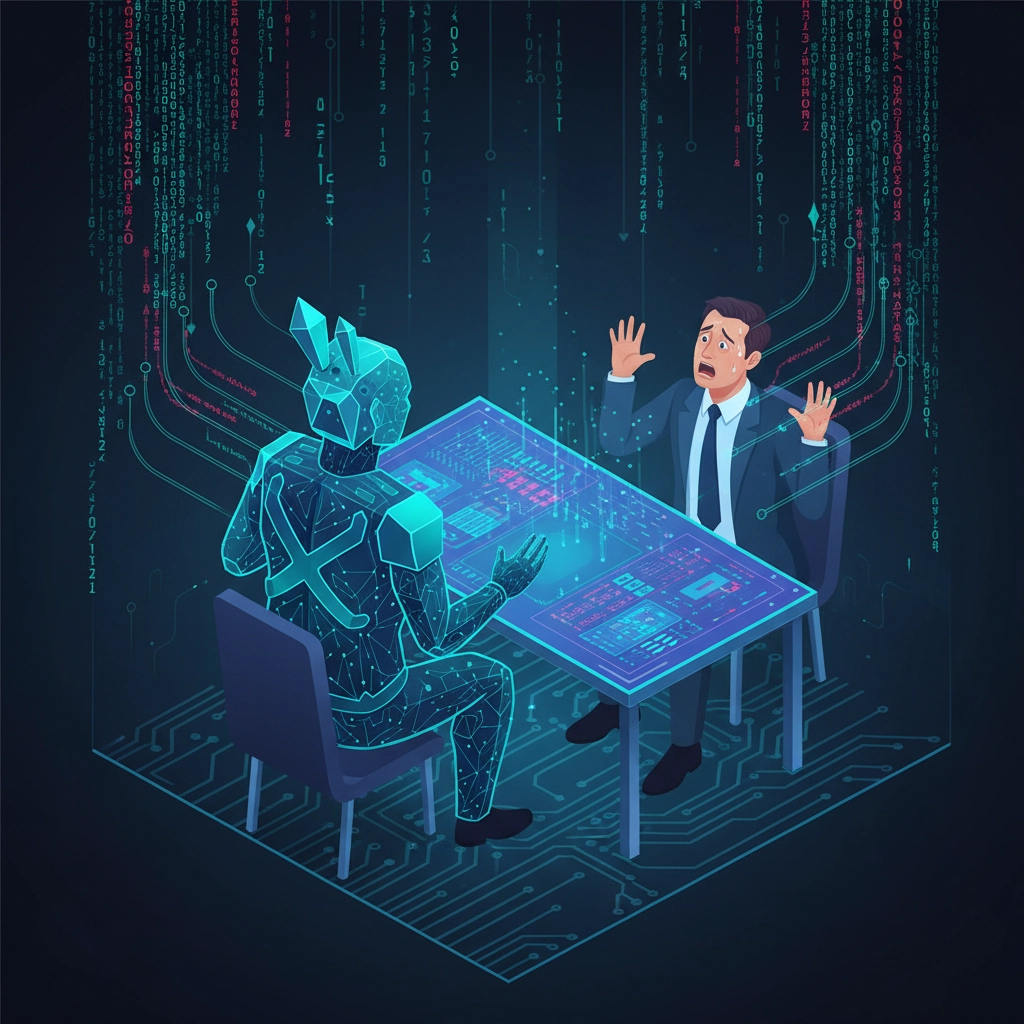
Phase 1: Continuous Autonomous Reconnaissance
Map your network better than attackers will discover it. Deploy continuous vulnerability scanning, asset inventory, and network topology mapping: not quarterly, but in real-time. Your AI defense systems need to identify crown jewels and optimal attack paths before adversaries do.
Key implementations:
- Automated vulnerability assessment that runs 24/7
- Real-time asset discovery and classification
- Continuous network mapping and relationship analysis
- Automated identification of critical business systems and data flows
Phase 2: Zero-Tolerance Automated Response
Response times measured in seconds, not hours. Deploy autonomous incident response systems that act faster than humans can react: automatically isolating compromised systems, resetting credentials, and blocking anomalous traffic within seconds of detection.
This requires:
- AI-powered detection that learns your normal network behavior
- Automated containment that doesn't wait for human approval
- Real-time credential rotation and access control adjustments
- Autonomous network segmentation during active threats
Phase 3: Enterprise-Wide Visibility and Prioritization
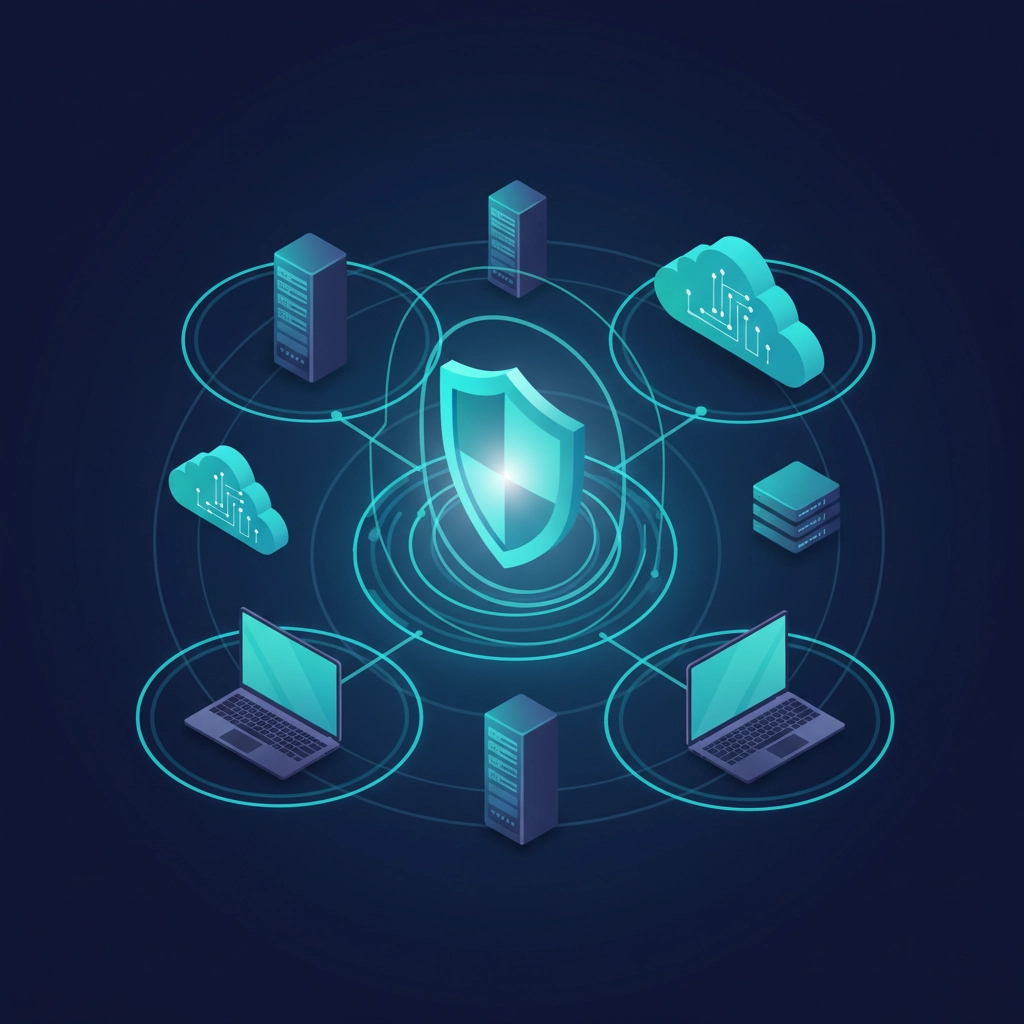
Convert raw security data into actionable intelligence instantly. Deploy XDR (Extended Detection and Response) platforms that provide visibility across all attack surfaces: endpoints, network, cloud, and applications: with AI-powered prioritization that cuts through alert noise.
Critical components:
- Unified visibility across IT and OT environments
- AI-powered alert prioritization and correlation
- Automated threat hunting and investigation
- Real-time executive dashboards with actionable intelligence
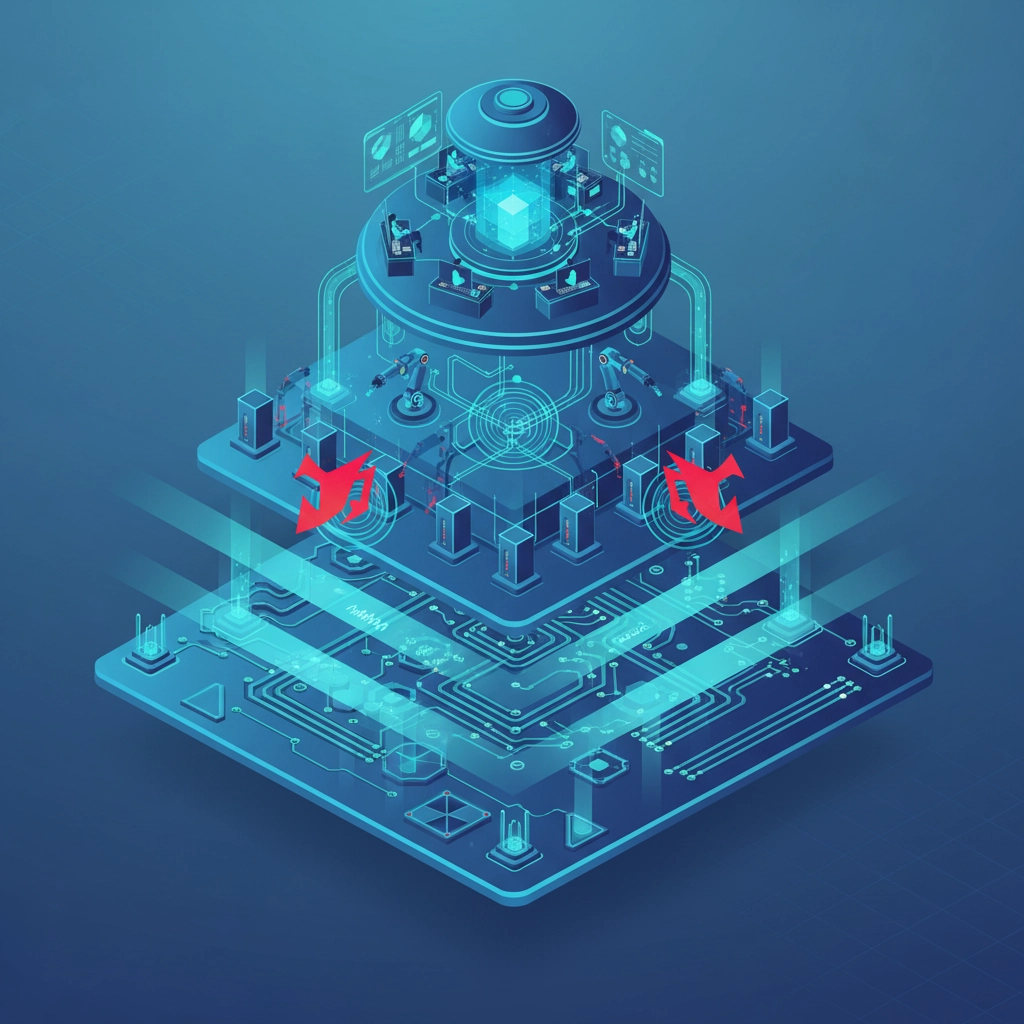
The Human Element: From Operator to Commander
In this new paradigm, human security professionals shift from tactical operators to strategic commanders. Your role becomes setting parameters for autonomous systems, making executive decisions about business continuity, and communicating with stakeholders: not manually investigating every alert.
The most successful organizations are already operating this way. Their security teams focus on:
- Configuring and optimizing autonomous defense systems
- Making strategic decisions about acceptable risk levels
- Coordinating with business leadership on continuity planning
- Continuously improving AI defense capabilities based on attack patterns
Why Most Businesses Will Fail This Transition
The harsh reality: most organizations will not successfully implement AI-powered defense systems. They'll continue relying on human-speed processes while facing machine-speed attacks. They'll increase security budgets without addressing the fundamental speed mismatch. They'll invest in more detection tools that generate more alerts their teams cannot process quickly enough.
The organizations that survive will be those that accept that cybersecurity is no longer a human-scale problem. They'll invest in autonomous defense systems, train their teams for strategic rather than tactical roles, and build incident response processes designed for machine-speed threats.
Take Action Before You Become a Statistic
Every day you delay implementing AI-powered defense systems, you're operating with an incident response plan that guarantees failure against modern threats. The question isn't whether you'll face autonomous ransomware: it's whether you'll detect and contain it before it completes its mission.
At B&R Computers, we help businesses modernize their cyber defense and incident response for the AI threat landscape. We can assess your current capabilities, identify gaps in your autonomous defense systems, and implement the 3-Phase Framework tailored to your specific environment and risk profile.

The autonomous ransomware revolution isn't coming: it's here. Your incident response plan needs to evolve, or your business will become another statistic in the growing list of organizations that couldn't keep up with machine-speed attacks.
Ready to achieve AI parity in your cyber defense? Contact B&R Computers today for a strategic cybersecurity assessment. Because in the battle between human-speed defense and machine-speed attacks, speed wins every time.