
Look, I get it. You're running a business, not a cybersecurity company. The last thing you want to hear about is another "framework" or "standard" that sounds like it was designed by government committees (which, to be fair, it was). But here's the thing, NIST CSF 2.0 isn't just another bureaucratic checkbox. It's become the playbook that separates businesses that survive cyberattacks from those that don't.
Released in 2024, the NIST Cybersecurity Framework 2.0 has evolved into something every business owner should understand, whether you're running a 5-person accounting firm or a 500-person manufacturing company. And the best part? It's designed to be practical, not intimidating.
What Exactly Is NIST CSF 2.0? (In Plain English)
Think of NIST CSF 2.0 as your cybersecurity GPS. Just like you wouldn't drive cross-country without directions, you shouldn't run a business in 2025 without a cybersecurity roadmap. The National Institute of Standards and Technology (NIST) created this framework as a common language that businesses can use to understand, manage, and reduce cybersecurity risks.
The framework isn't a rigid set of rules, it's more like a flexible toolkit that adapts to your business size, industry, and specific needs. Whether you're dealing with customer credit cards, patient health records, or just trying to keep your email from getting hacked, NIST CSF 2.0 gives you a systematic way to protect what matters most.

The Game-Changer: The New "Govern" Function
Here's what makes 2.0 different from the original framework that came out back in 2014. NIST added a sixth core function called "Govern", and this isn't just corporate jargon. This addition recognizes something that smaller businesses often struggle with: cybersecurity isn't just an IT problem, it's a business leadership problem.
The "Govern" function puts your leadership team in the driver's seat. It means having clear policies, knowing who's responsible for what when things go wrong, and making sure cybersecurity decisions align with your business goals. For a small business, this might mean the owner understanding their cyber risks well enough to make smart insurance and investment decisions. For larger companies, it means executives can actually communicate with their IT teams about priorities and budgets.
This isn't about creating more bureaucracy, it's about making sure someone's actually steering the ship when cyber storms hit.
Breaking Down the Six Core Functions (No PhD Required)
NIST CSF 2.0 organizes everything around six functions that work together like a well-oiled machine:
1. Govern – This is your foundation. Who's in charge? What are your policies? How do you make cybersecurity decisions? Think of this as setting up the rules of the game before you start playing.
2. Identify – Know what you're protecting. Your customer database, financial records, that server in the closet everyone forgot about, map it all out. You can't protect what you don't know you have.
3. Protect – Put up your defenses. This includes everything from firewalls and antivirus to employee training and access controls. It's like locking your doors and installing security cameras.
4. Detect – Set up your early warning system. The faster you spot something weird happening, the better your chances of stopping it before it becomes a disaster.
5. Respond – Have a plan for when (not if) something bad happens. Who do you call? How do you contain the damage? What steps do you take to get back to normal?
6. Recover – Get back to business and learn from what happened. This includes everything from data backups to improving your defenses based on what you learned.

Why Every Business, Yes, Even Yours: Needs This
"But I'm just a small local business. Hackers don't care about me, right?" Wrong. Dead wrong.
Small businesses are actually prime targets because cybercriminals know you probably don't have a dedicated IT security team. You're like the house on the block that leaves the front door unlocked: an easy opportunity.
NIST even created a Small Business Quick Start Guide specifically because they recognized that companies with limited resources still need real cybersecurity protection. The framework scales to fit your business, whether you have 5 employees or 500.
Here's the reality: in 2025, cybersecurity isn't optional anymore. Your customers expect you to protect their information. Your insurance company is asking harder questions about your security practices. And if you work with other businesses, they're starting to require proof that you take cybersecurity seriously.
The Real Benefits You'll Actually See
Let's talk about what NIST CSF 2.0 implementation actually gets you:
Better Sleep at Night – When you have a systematic approach to cybersecurity, you're not constantly wondering if today's the day your business gets hit. You know you've covered your bases.
Easier Compliance – Whether you need to meet HIPAA, PCI-DSS, or other regulations, NIST CSF 2.0 acts like a universal translator. It helps you organize your compliance efforts instead of scrambling to meet different requirements separately.
Smarter Security Spending – Instead of buying random security tools because a salesperson convinced you, the framework helps you prioritize where to invest your cybersecurity dollars for maximum impact.
Better Communication with Your IT Team – Whether that's your internal IT person or your managed service provider, having a common framework means everyone's speaking the same language about priorities and risks.
Competitive Advantage – More businesses are requiring their vendors and partners to demonstrate good cybersecurity practices. NIST CSF 2.0 compliance is becoming a differentiator in B2B relationships.
How to Get Started Without Going Crazy
The good news is you don't have to implement everything at once. Start with the basics:
Week 1: Identify What You Have – Make a list of your important data, systems, and devices. Include everything from your main computers to that old backup server, cloud services, and even mobile devices.
Week 2: Assess Your Current Protection – What security measures do you already have in place? Firewalls, antivirus, backups, employee training? Don't worry if the list is short: everyone starts somewhere.
Week 3: Identify Your Biggest Gaps – Compare what you have to what the framework recommends. Where are your biggest vulnerabilities?
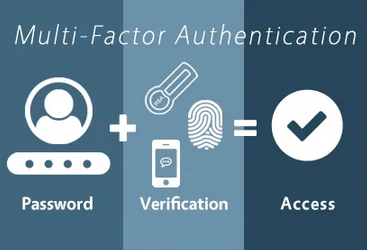
Week 4: Create Your Action Plan – Prioritize the most critical fixes first. Usually, this means basic protections like multi-factor authentication, regular backups, and employee training.
The key is making steady progress, not perfect implementation on day one. NIST CSF 2.0 is designed for continuous improvement: you implement, learn, and get better over time.
Making It Work for Your Business
Remember, NIST CSF 2.0 isn't a one-size-fits-all checklist. A dental office will implement it differently than a construction company, and that's exactly how it should be. The framework gives you the structure, but you customize it based on your specific risks, industry requirements, and business goals.
The framework also encourages creating "profiles": essentially customized versions that reflect your unique situation. Your profile might emphasize protecting patient data if you're in healthcare, or focus on protecting intellectual property if you're in manufacturing.
Your Next Steps
Here's the bottom line: in 2025, having "some" cybersecurity isn't enough anymore. You need a systematic, comprehensive approach that grows with your business and adapts to new threats. NIST CSF 2.0 provides that roadmap.
But you don't have to figure this out alone. At B&R Computers, we've helped dozens of businesses implement NIST CSF 2.0 in ways that make sense for their size, budget, and industry. We translate the framework into practical, actionable steps that protect your business without breaking the bank.
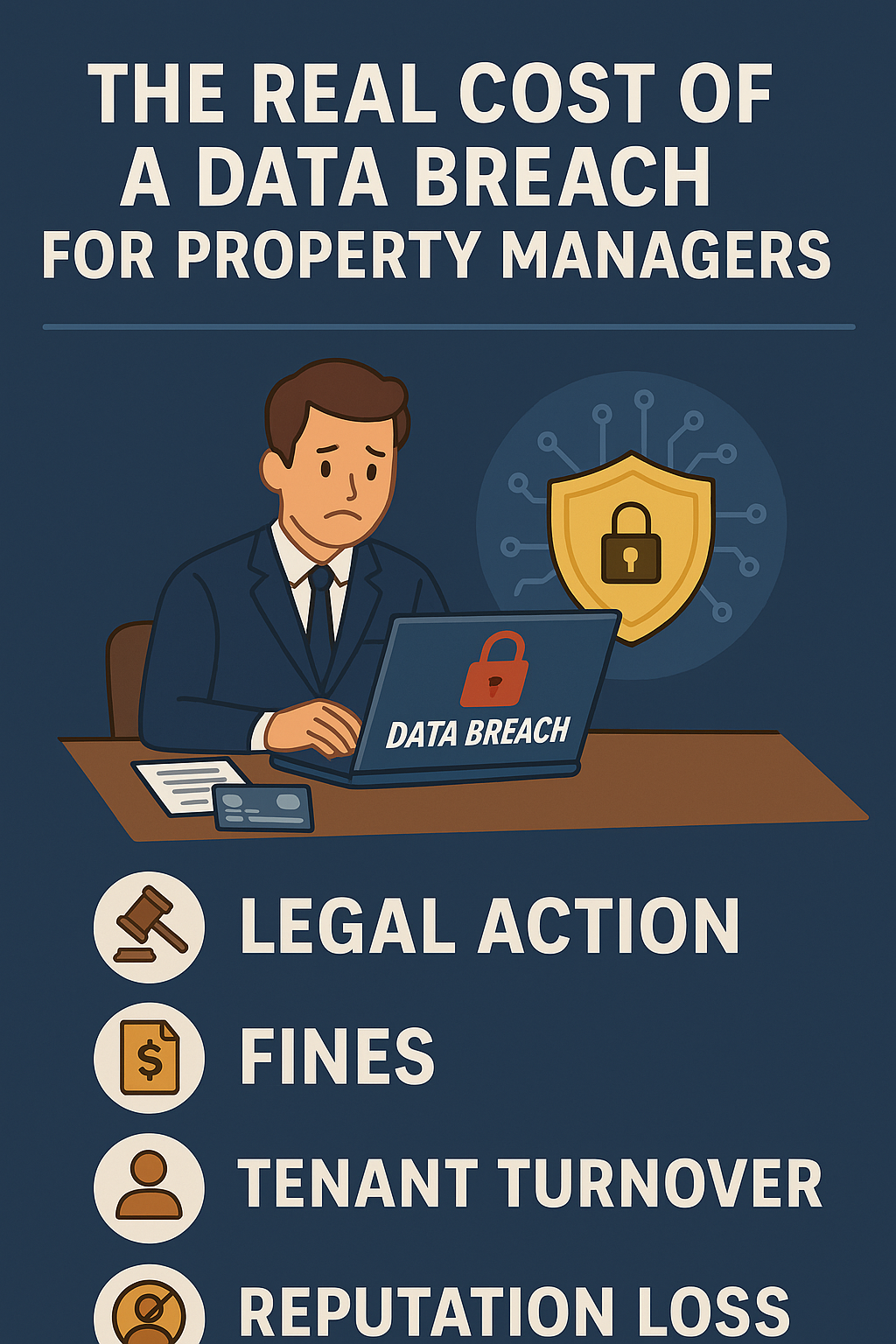
Whether you're just getting started with cybersecurity or looking to improve what you already have, we can help you build a defense strategy that actually works in the real world. Because at the end of the day, cybersecurity isn't about perfect compliance: it's about keeping your business running when everyone else is dealing with ransomware, data breaches, and angry customers.
Ready to get serious about cybersecurity in 2025? Let's talk about how NIST CSF 2.0 can work for your business. Contact us to schedule your cybersecurity strategy session and sleep better knowing your business is protected.