Eighty-five percent.
That's the estimated percentage of ransomware attacks that never make it into a report, a headline, or a public disclosure. BlackFog's analysis confirms what security professionals have suspected for years: the ransomware landscape you think you understand is a fraction of reality.
So when you tell yourself, "We're a small business: nobody's targeting us," or "I haven't heard of anyone in our industry getting hit," you're basing that confidence on roughly 15% of the actual picture.
That's not optimism. That's a blind spot.
The Silence Is Deafening (And Expensive)
Let's talk about why the other 85% stays quiet.
Shame. Getting hit by ransomware feels like failure. Leadership doesn't want to admit that their "secure" network wasn't secure. IT doesn't want to explain how the attackers got in. And nobody wants to be the cautionary tale at the next industry conference.
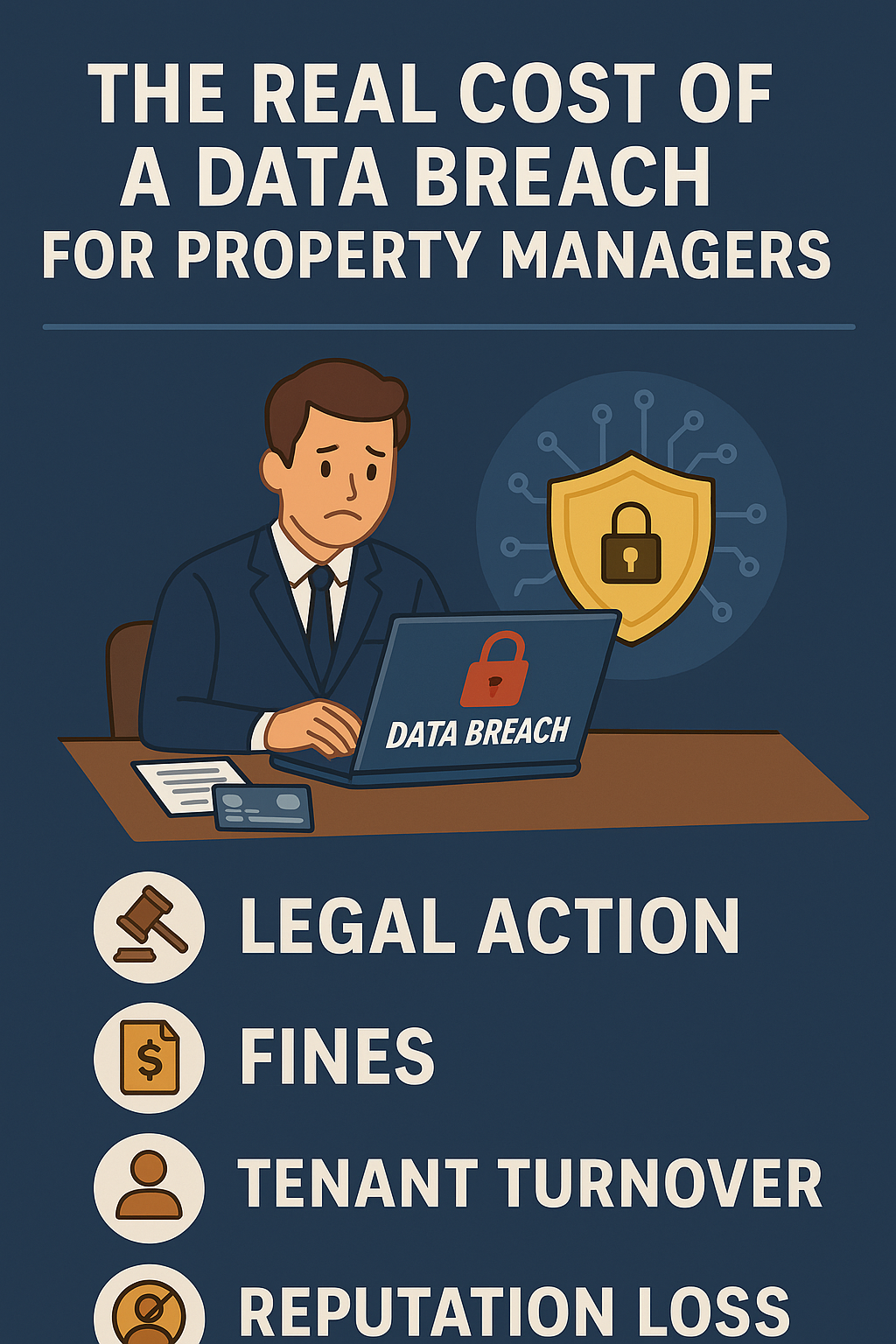
Legal fears. Depending on your industry, a breach might trigger mandatory reporting requirements, regulatory investigations, or class-action exposure. Some businesses calculate that the risk of disclosure outweighs the risk of staying silent: at least in the short term.
Insurance premiums. File a claim, and your cyber liability premiums spike. For small businesses already stretched thin, the math sometimes favors eating the loss rather than watching insurance costs double next renewal.
Reputation damage. Clients don't want to hear that their data might be floating around on a dark web forum. The fear of customer exodus keeps a lot of incidents buried in internal memos that never see daylight.
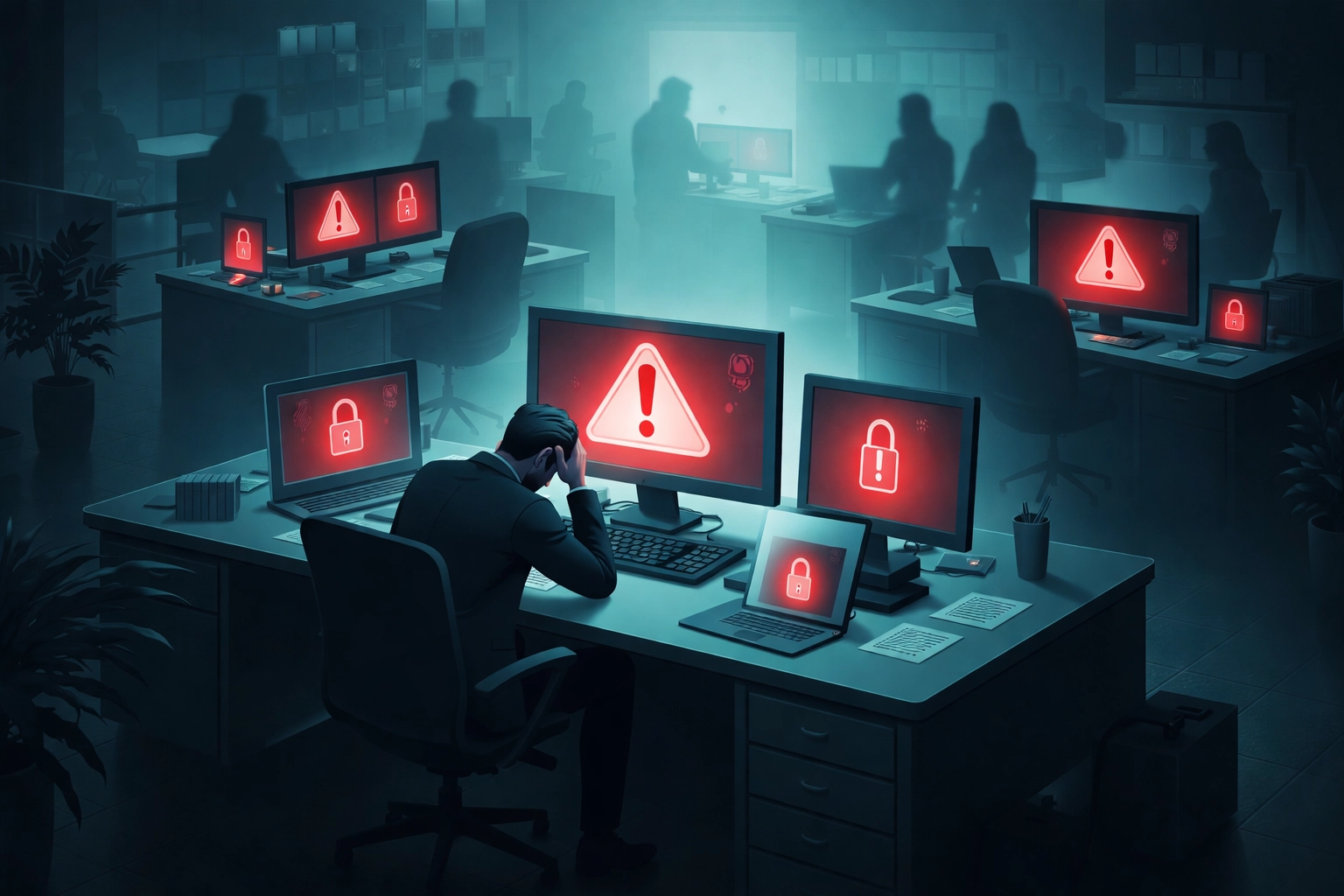
Here's the problem: every unreported attack is a data point the rest of us don't have. When businesses stay quiet, the entire industry flies blind.
Survivor's Bias Is Killing Your Risk Assessment
You've probably heard of survivor's bias: the logical error of focusing on things that survived a process while ignoring those that didn't. In World War II, engineers initially wanted to armor the parts of returning planes that showed the most bullet holes. A statistician pointed out the obvious flaw: they were only looking at planes that made it back. The ones that got hit in critical areas never returned.
The same thing is happening in cybersecurity right now.
When you scan the news and don't see competitors or peers reporting breaches, you assume they're not getting hit. But they are. They're just not talking about it.
Consider these numbers:
- Over 85% of all cybercrime remains hidden within organizations
- Only one in seven cyber crimes is reported overall
- 40% of organizations admit they have limited visibility into their own IT environment
That competitor who seems to have their security together? They might be dealing with an active incident right now. They might have paid a ransom last quarter. You'd never know because the incentive structure rewards silence.
The attacks you hear about represent the tip of a very large, very expensive iceberg.

The Real Cost of Staying Quiet
Here's what happens when a business pays the ransom and keeps it quiet:
The money funds the next attack. Ransomware is a business model. Every payment validates it. Your $50,000 ransom becomes the R&D budget for more sophisticated malware, better phishing campaigns, and attacks on other businesses: potentially your vendors, your clients, or your competitors who then become vectors back to you.
Payment doesn't guarantee recovery. Roughly 85% of ransomware victims experience system downtime lasting a week or more. Some lose access to data for over a month. The decryption keys don't always work. The data isn't always intact. You're trusting criminals to honor their end of a deal, which is exactly as reliable as it sounds.
You're still compromised. Paying the ransom doesn't close the hole they used to get in. Without a full forensic investigation and remediation, you're just waiting for round two. And attackers know that businesses who pay once are likely to pay again.
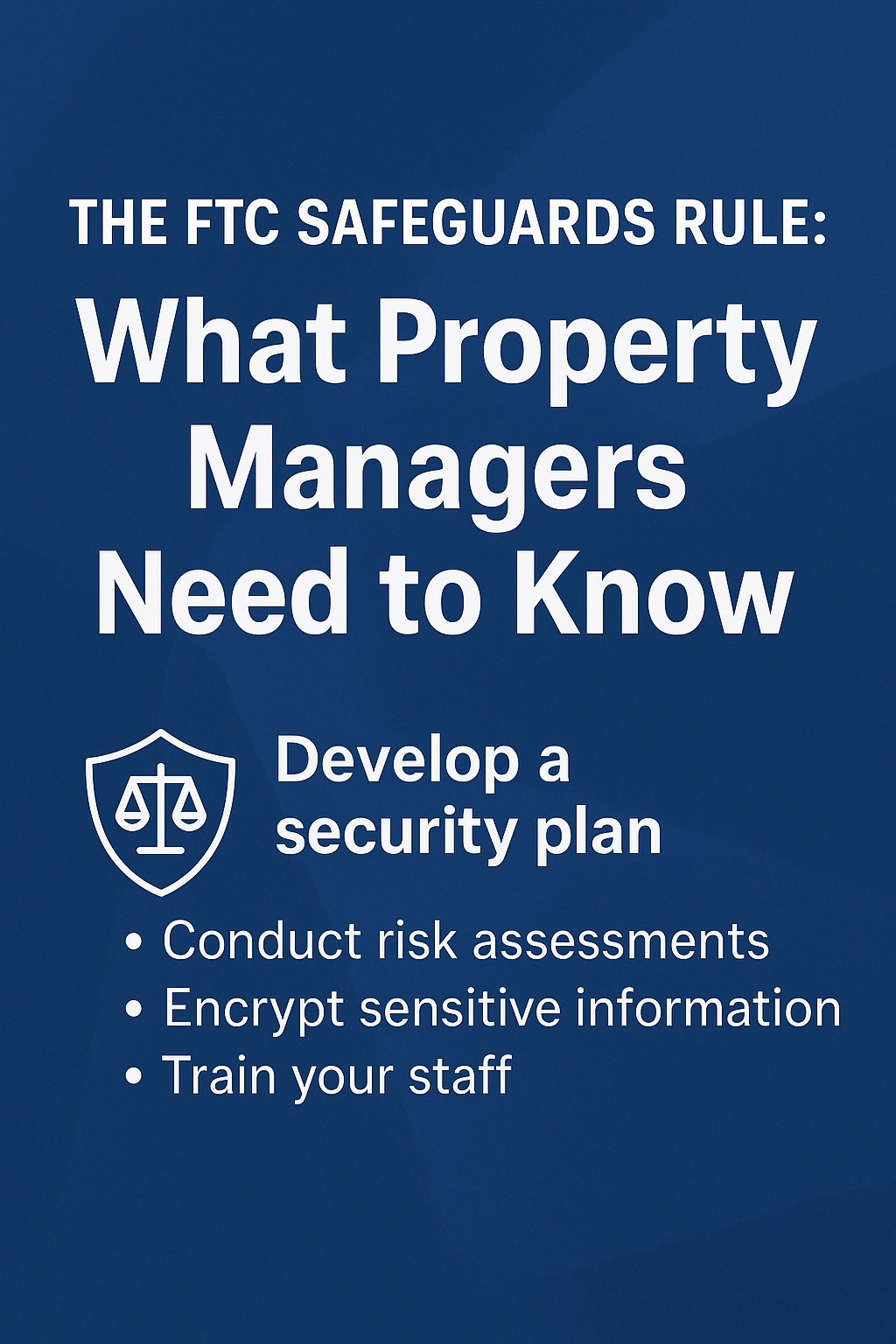
The legal clock doesn't stop. Depending on your regulatory environment, the obligation to report doesn't disappear just because you paid. If regulators discover an unreported breach later: and they often do: the penalties are worse.
The math that makes silence seem attractive in the moment almost always turns catastrophic over time.
Detection Is Harder Than You Think
One reason so many attacks go unreported is that businesses don't even know they've been hit until it's too late.
The data here is sobering:
- Over half of ransomware attacks go undetected at initial access
- Only 17.59% are discovered during the reconnaissance stage
- 63% of businesses lack official ransomware response policies
- 98% of organizations claim to have a response playbook, but more than half of those playbooks are missing essential components like a pre-defined chain of command
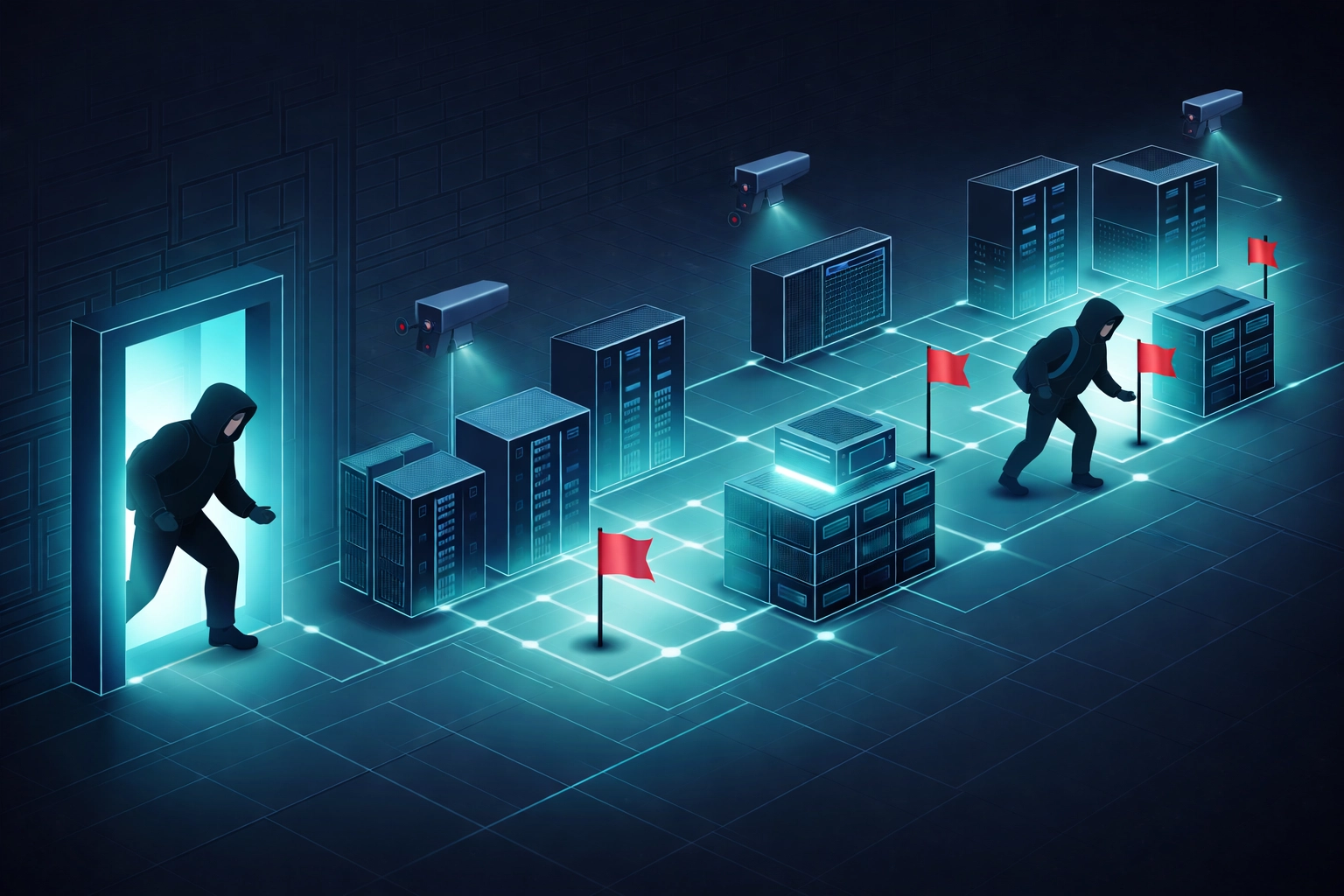
Think about that. The majority of businesses don't catch the attack when it starts. By the time the ransom note appears on screen, the attackers have already been inside for days, weeks, or months: mapping your network, identifying valuable data, and positioning themselves for maximum damage.
The "it can't happen to us" mindset isn't just wrong. It's statistically indefensible.
What You Should Actually Do About This
Enough doom. Let's talk action.
1. Build an Incident Response Plan Before You Need It
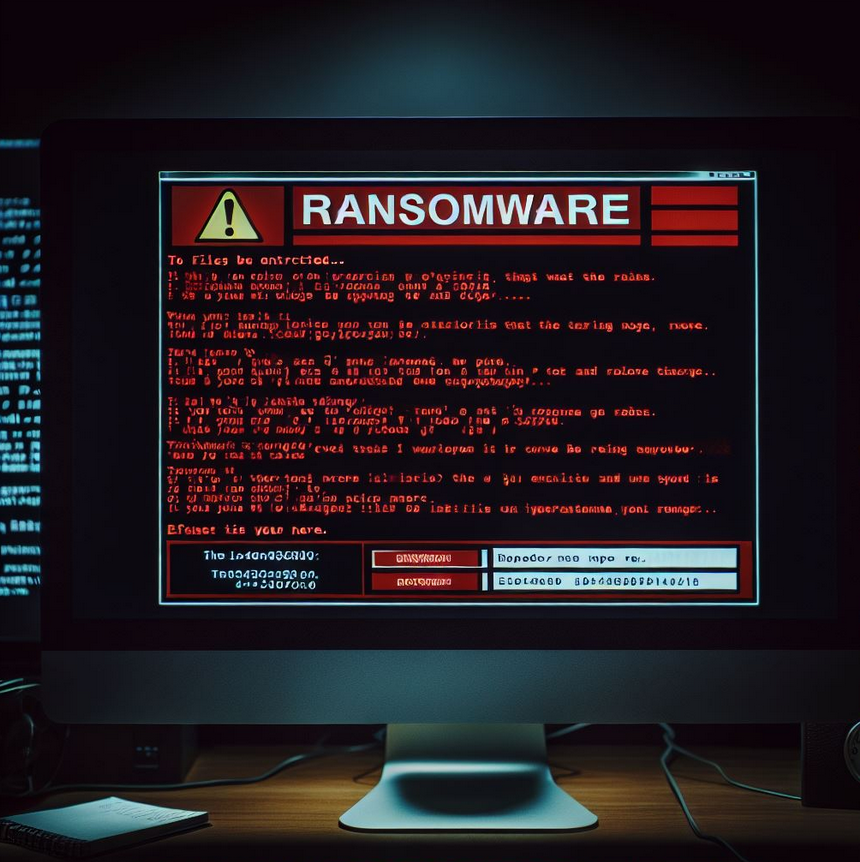
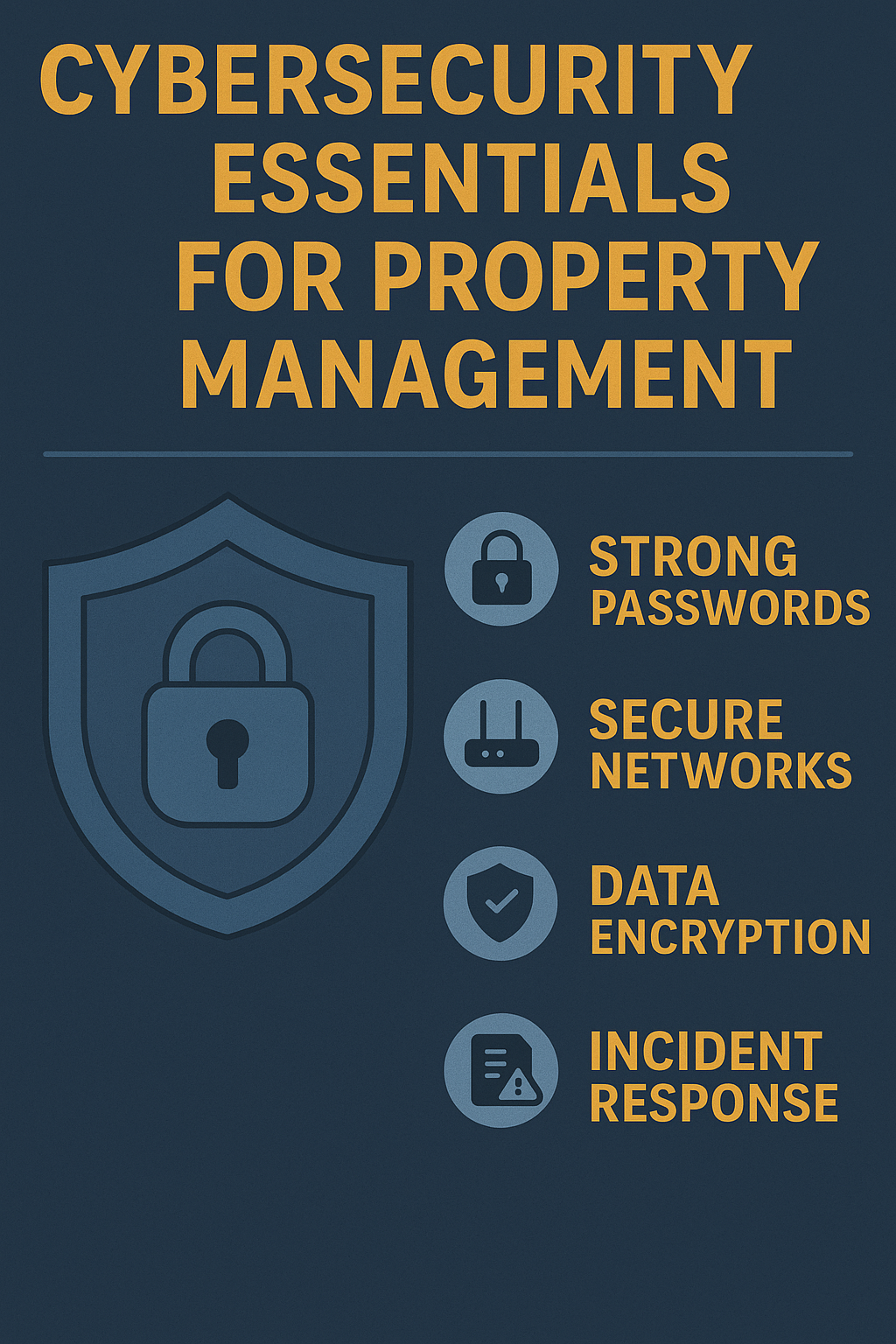
When your screen turns red and a ransom demand appears, that's the worst possible time to figure out who makes decisions, who calls the lawyers, and who handles communications. Document your response plan now:
- Who has authority to make containment decisions?
- What's the communication chain: internal and external?
- Who are your outside contacts (legal, forensics, law enforcement)?
- What are your backup and recovery procedures?
- What are your regulatory reporting obligations?
Test it. Run tabletop exercises. Make sure everyone knows their role before the pressure hits.
2. Get Visibility Into Your Environment
You can't protect what you can't see. That 40% of organizations struggling with limited visibility? Don't be one of them.
- Inventory every device, every user, every application
- Monitor network traffic for anomalies
- Implement endpoint detection that actually alerts on suspicious behavior
- Review access permissions regularly: who has access to what, and do they still need it?
3. Address the Gaps You Already Know About
The research shows that 40.2% of organizations cite lack of expertise as a contributing factor to successful attacks, and 40.1% point to unaddressed security gaps. Most businesses know where their vulnerabilities are. They just haven't fixed them yet.
That unpatched server. That legacy system nobody wants to touch. That admin account with a password that hasn't changed in three years. These aren't mysteries. They're choices.
4. Stop Assuming You're Not a Target
Ransomware groups don't care about your company size. They care about your ability to pay and your likelihood of paying. Small businesses often have weaker defenses and less sophisticated backup strategies, making them attractive targets.
The fact that you haven't been hit yet isn't evidence of security. It's luck. And luck isn't a strategy.

The 85% Should Worry You
Every unreported attack is a warning that never reached you. Every business that paid quietly and moved on is a lesson you didn't get to learn from.
The ransomware landscape is worse than the headlines suggest. The businesses around you are getting hit more often than you know. And the risk models you're using are based on incomplete data.
The question isn't whether your industry is being targeted. It is. The question is whether you'll be ready when your number comes up.
B&R Computers handles risk management so you don't have to become part of that 85%. If you're not sure where your vulnerabilities are: or whether your incident response plan would actually hold up: schedule a vulnerability assessment and find out before attackers do.