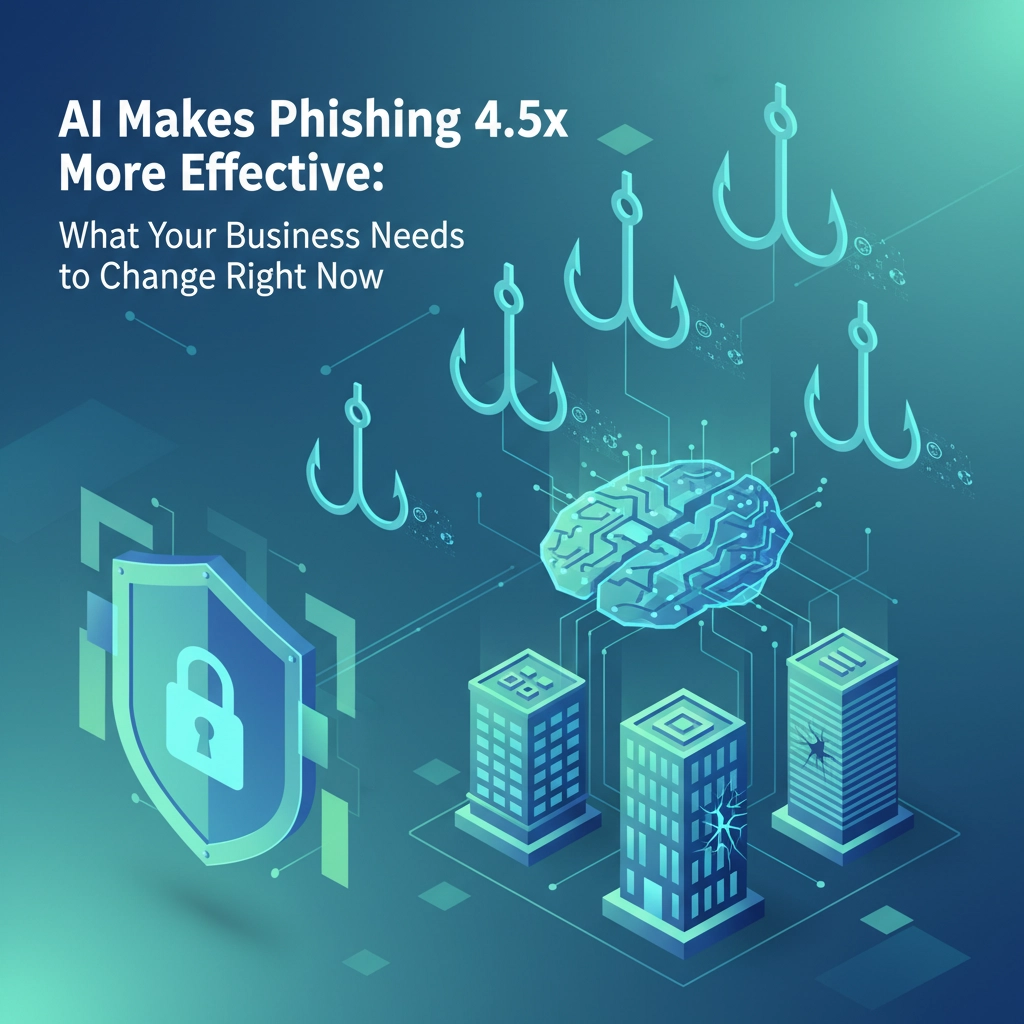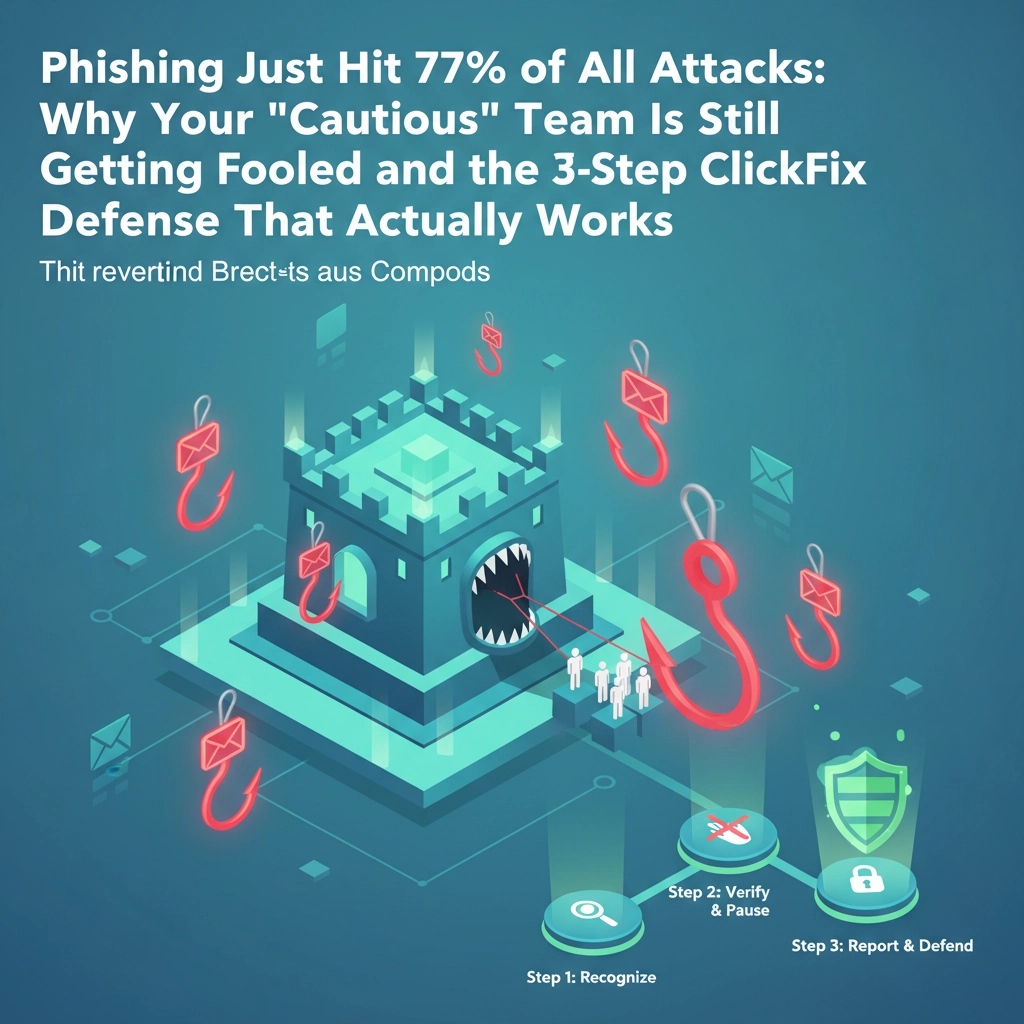
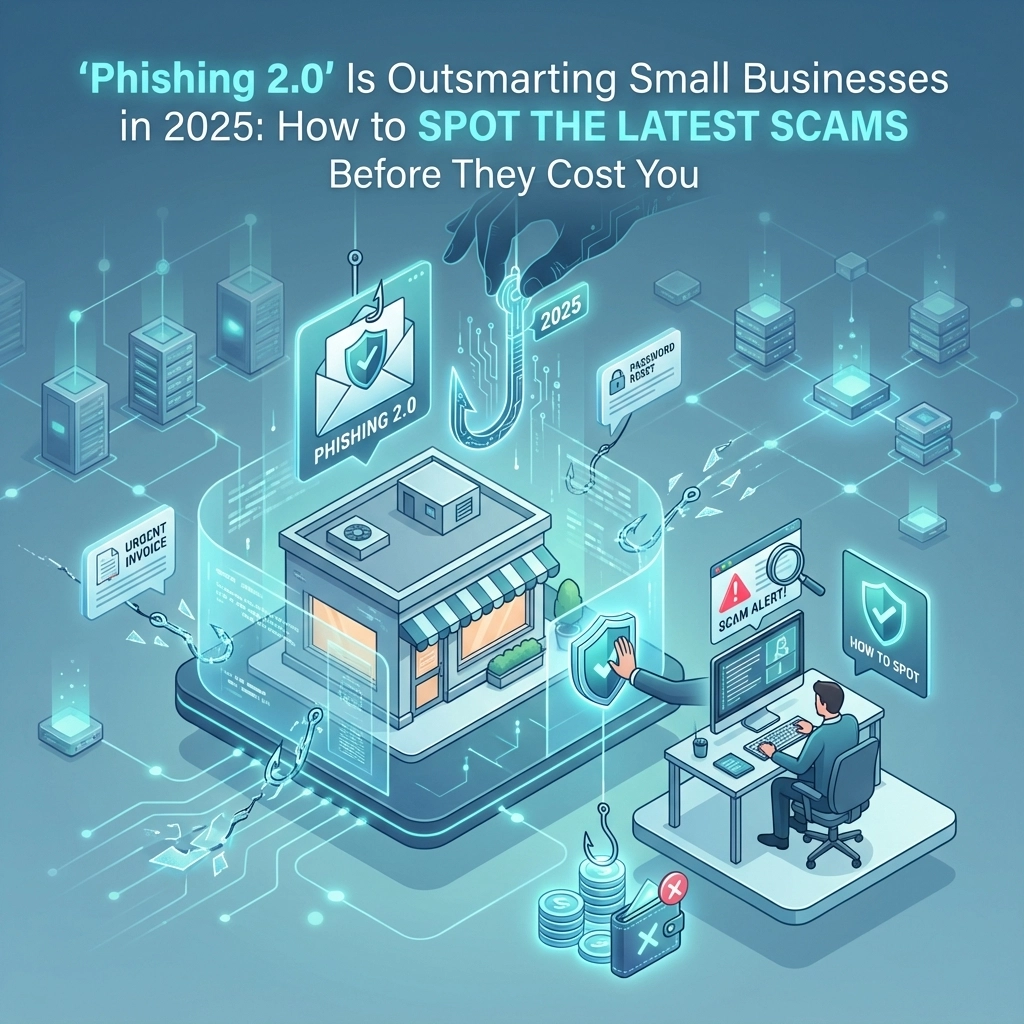
The crude, poorly written phishing emails of yesterday are extinct. In their place, a new generation of cybercriminals is deploying AI-powered attacks so sophisticated they're fooling even security-conscious business owners. Welcome to "Phishing 2.0": where artificial intelligence meets social engineering, creating scams that are nearly impossible to distinguish from legitimate business communications.
For small and medium-sized businesses, this evolution represents more than just an inconvenience. With 43% of cyberattacks targeting small businesses and the average breach costing $120,000, these advanced phishing tactics can literally put you out of business. The question isn't whether your company will be targeted: it's whether you'll recognize the attack when it comes.
The AI Revolution in Cybercrime
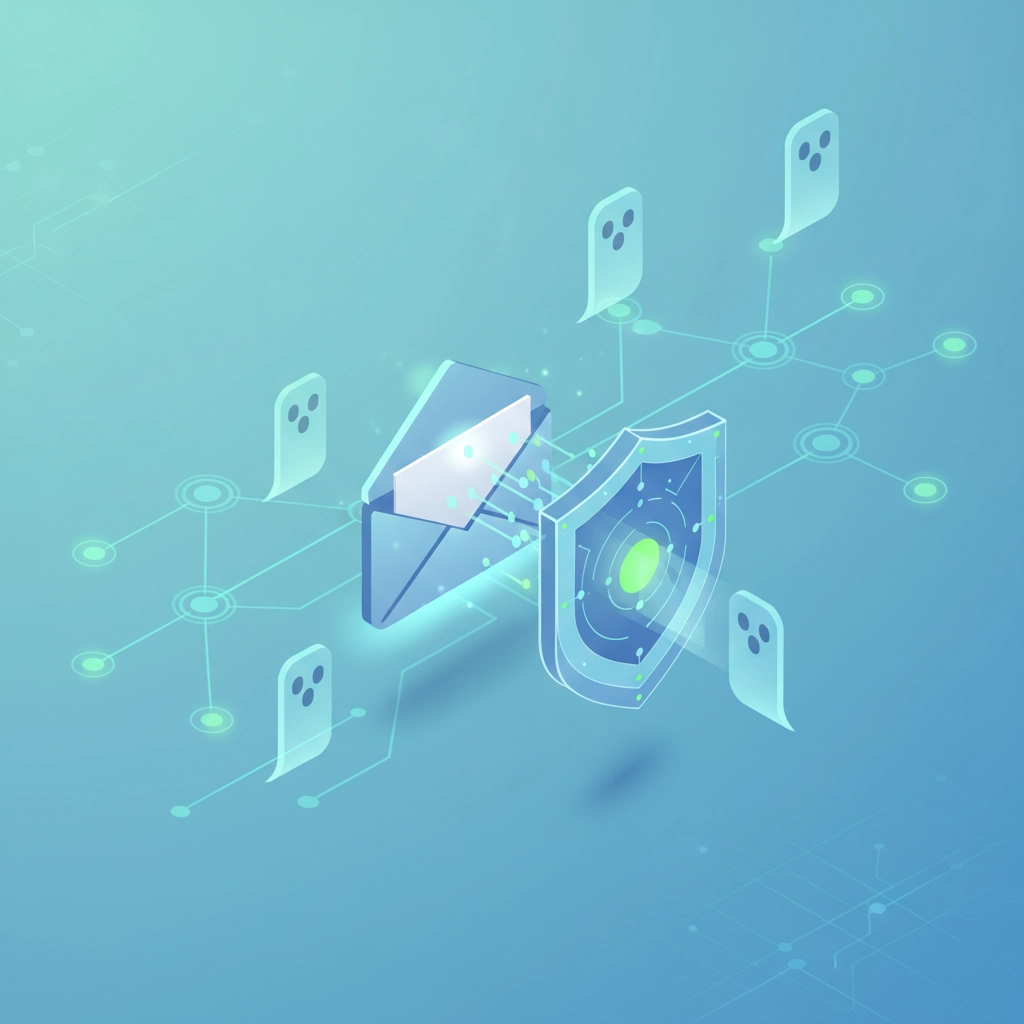
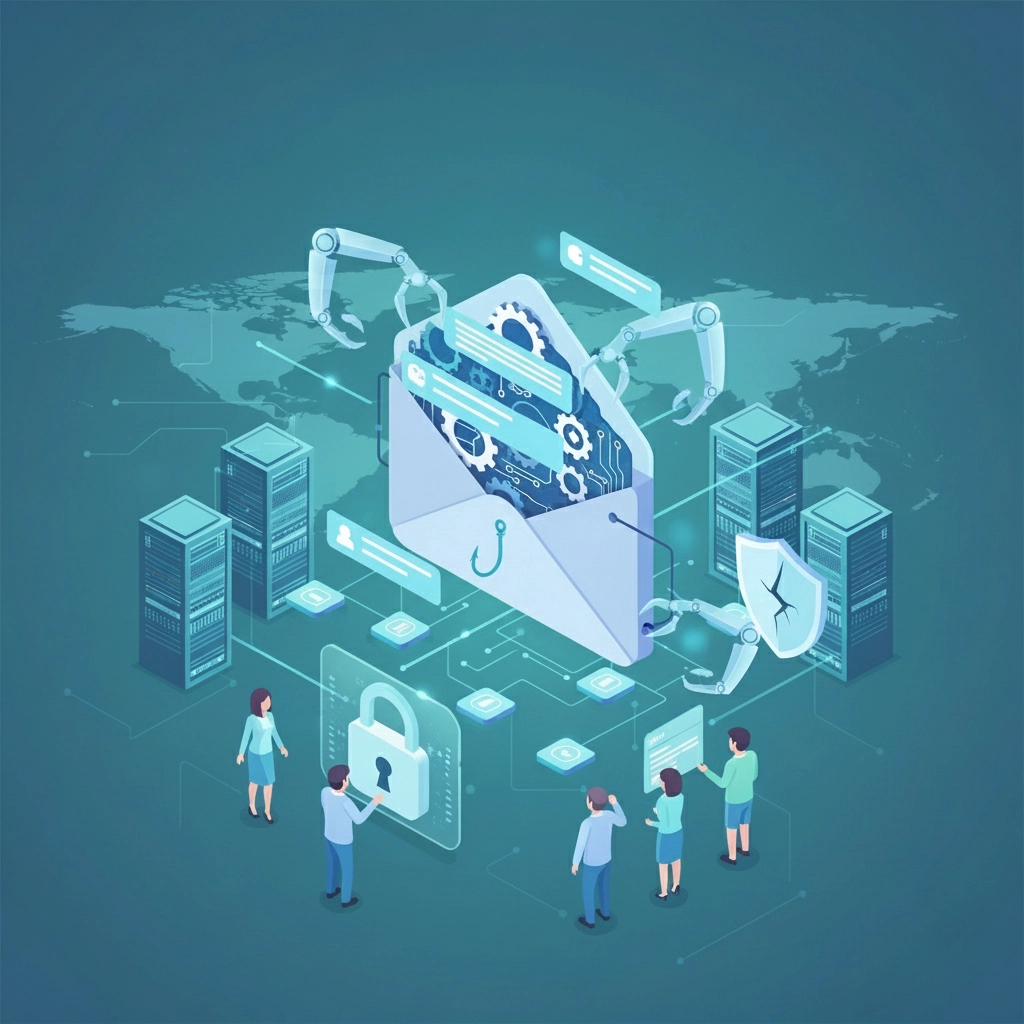
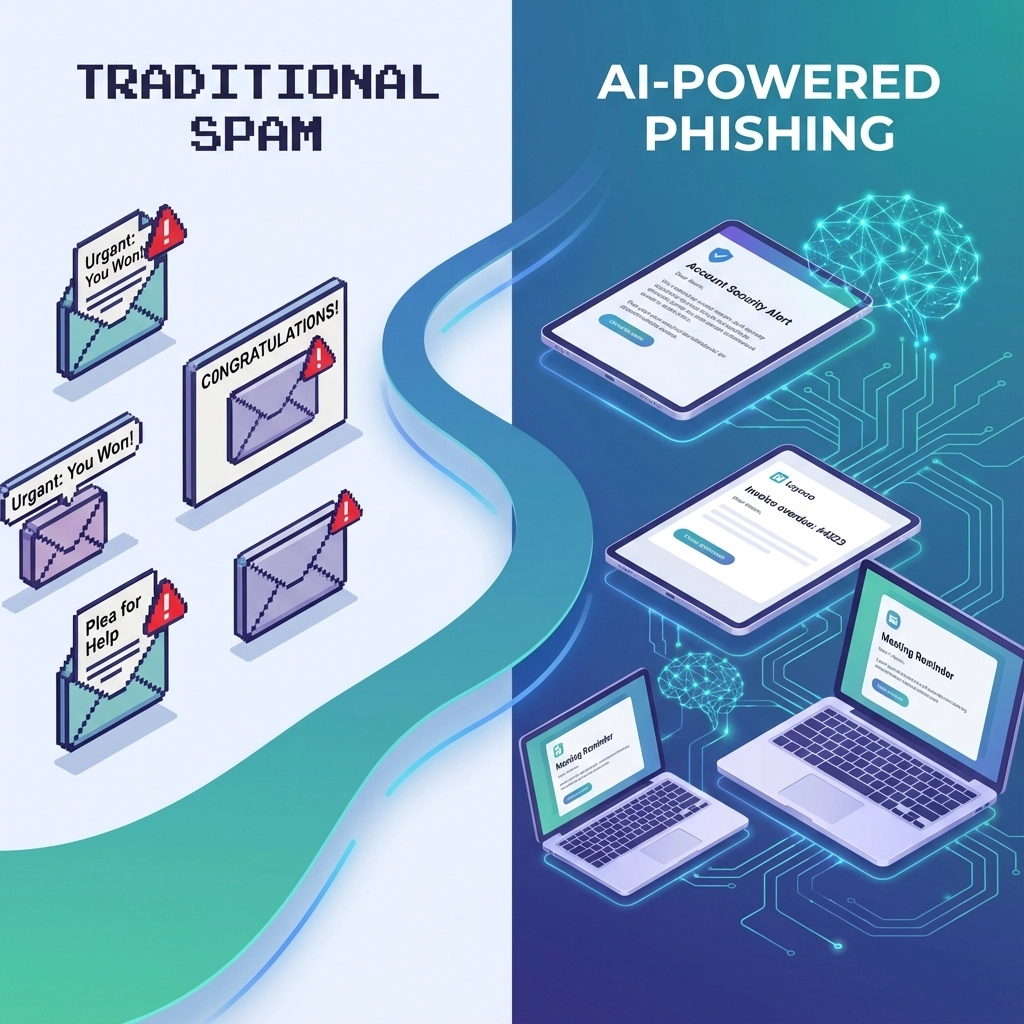
Today's phishing attacks bear little resemblance to the obvious scams that once flooded our inboxes. Cybercriminals are now using artificial intelligence to craft messages that perfectly mimic your vendors, customers, and even your own executives. These AI-generated emails analyze your company's communication patterns, industry terminology, and individual writing styles to create personalized attacks that slip past both technical filters and human suspicion.
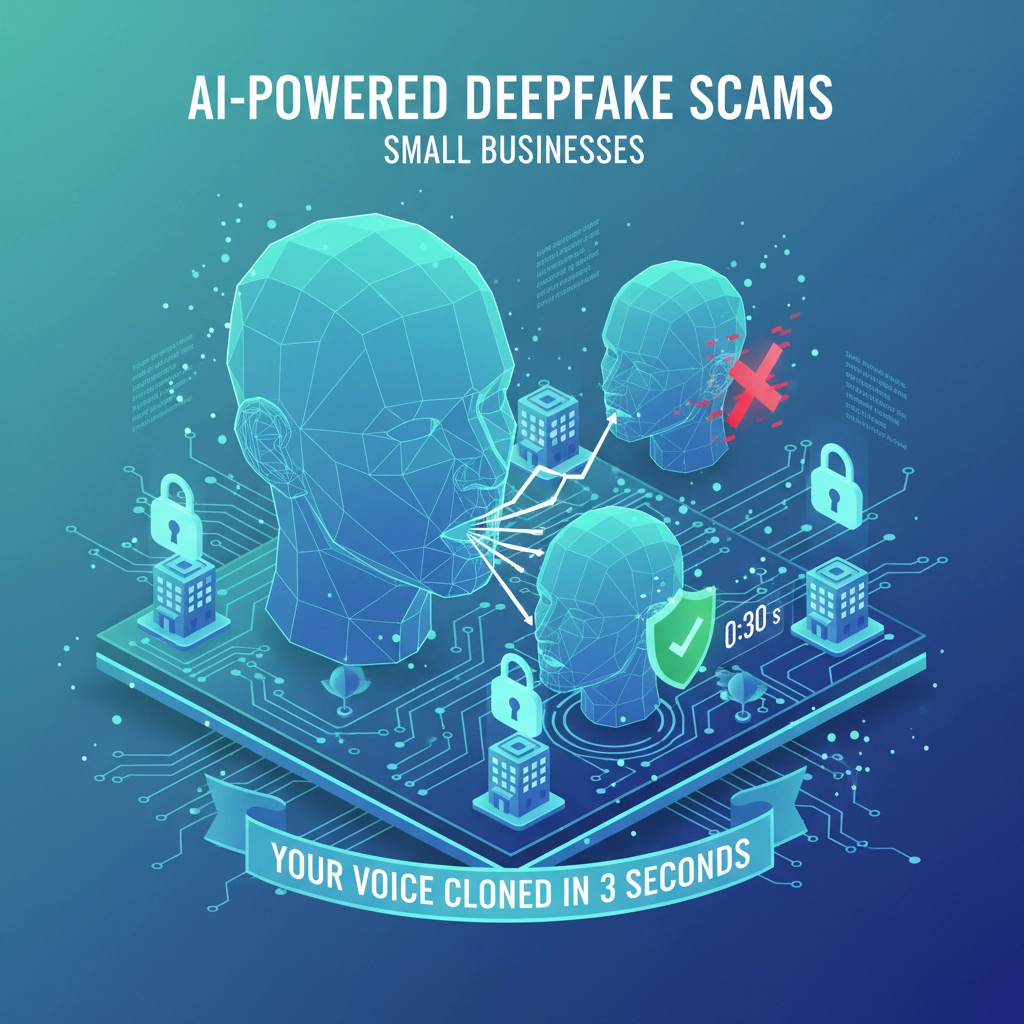
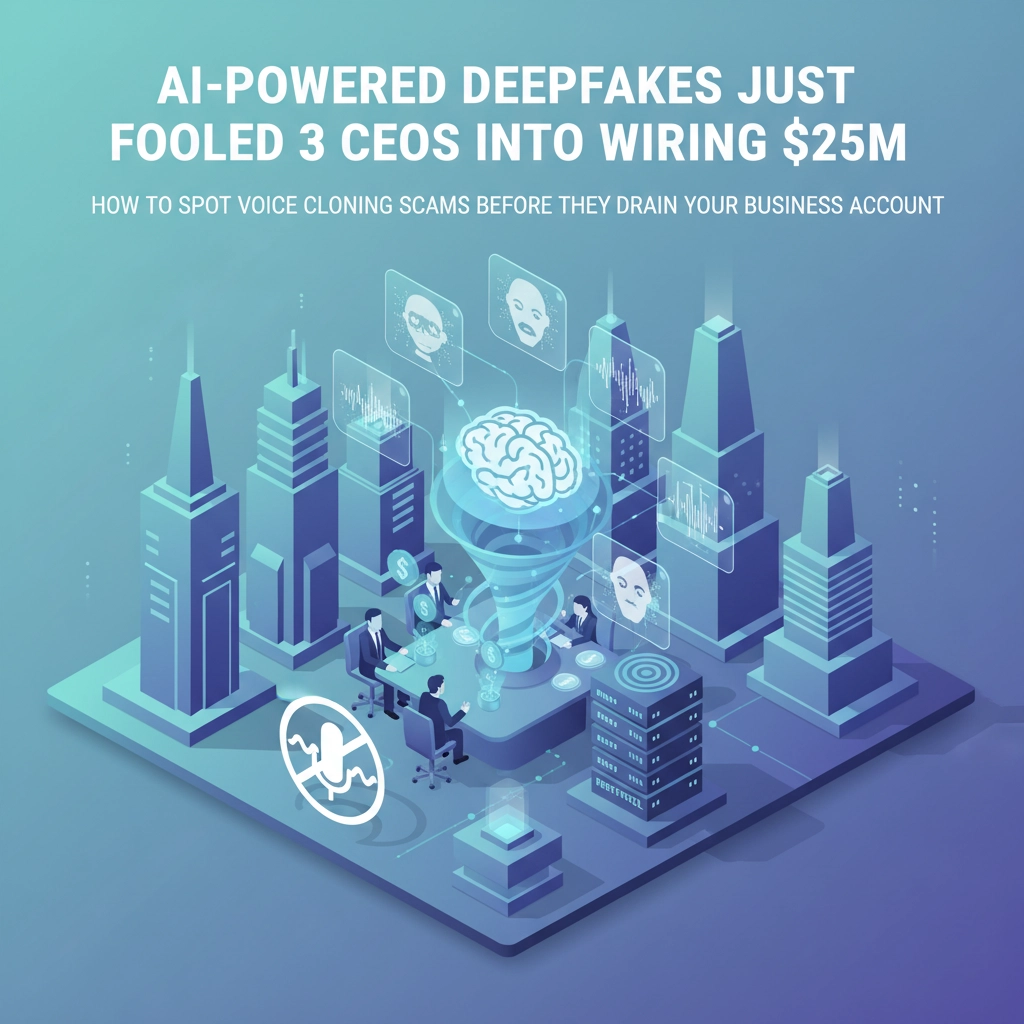
But email is just the beginning. Attackers are now deploying voice cloning technology to impersonate your CEO requesting urgent wire transfers, and deepfake videos showing trusted vendors asking to update payment information. These attacks bypass traditional security measures entirely by exploiting the most vulnerable element in any security system: human trust.

The statistics paint a stark picture. Phishing remains the number one cause of data breaches for small and medium-sized enterprises, with micro-businesses experiencing successful breaches in 43% of attempted attacks: more than double the rate of larger organizations. When traditional red flags disappear, even the most cautious employees can fall victim.
The New Arsenal: Advanced Phishing Tactics
AI-Generated Email Scams
Modern phishing emails have eliminated the telltale signs that once made scams obvious. Gone are the days of broken English and obvious formatting errors. Today's AI-powered messages adapt to your organization's unique communication style, using appropriate industry jargon and matching the tone of legitimate correspondence.
These sophisticated emails often reference recent business activities gleaned from social media posts, press releases, or public filings. An attacker might mention your recent office move, a new client announcement, or an upcoming trade show: information that makes the message seem authentic and timely.
Voice Cloning and Deepfake Attacks
Perhaps the most insidious development is the emergence of real-time voice and video impersonation. Using just a few minutes of audio from public sources: conference calls, promotional videos, or social media posts: criminals can create convincing voice clones of your executives or trusted business partners.
These attacks often follow a familiar pattern: an urgent call from what sounds like your CEO asking for an immediate wire transfer to secure a time-sensitive deal, or a video message from a long-time vendor requesting updated banking information for payments. The psychological impact of hearing a familiar voice or seeing a familiar face makes these attacks particularly effective.
Business Email Compromise Evolution
Traditional Business Email Compromise (BEC) attacks have evolved beyond simple CEO impersonation. Modern BEC scams involve extensive reconnaissance, with attackers studying your organization's hierarchy, communication patterns, and business relationships before launching targeted campaigns.
These sophisticated operations might compromise a legitimate email account within your supply chain, then use that foothold to send authentic-looking requests for payment redirections or sensitive information. Because the messages come from genuinely compromised accounts, they pass most technical security checks.
Next-Generation Technical Tactics
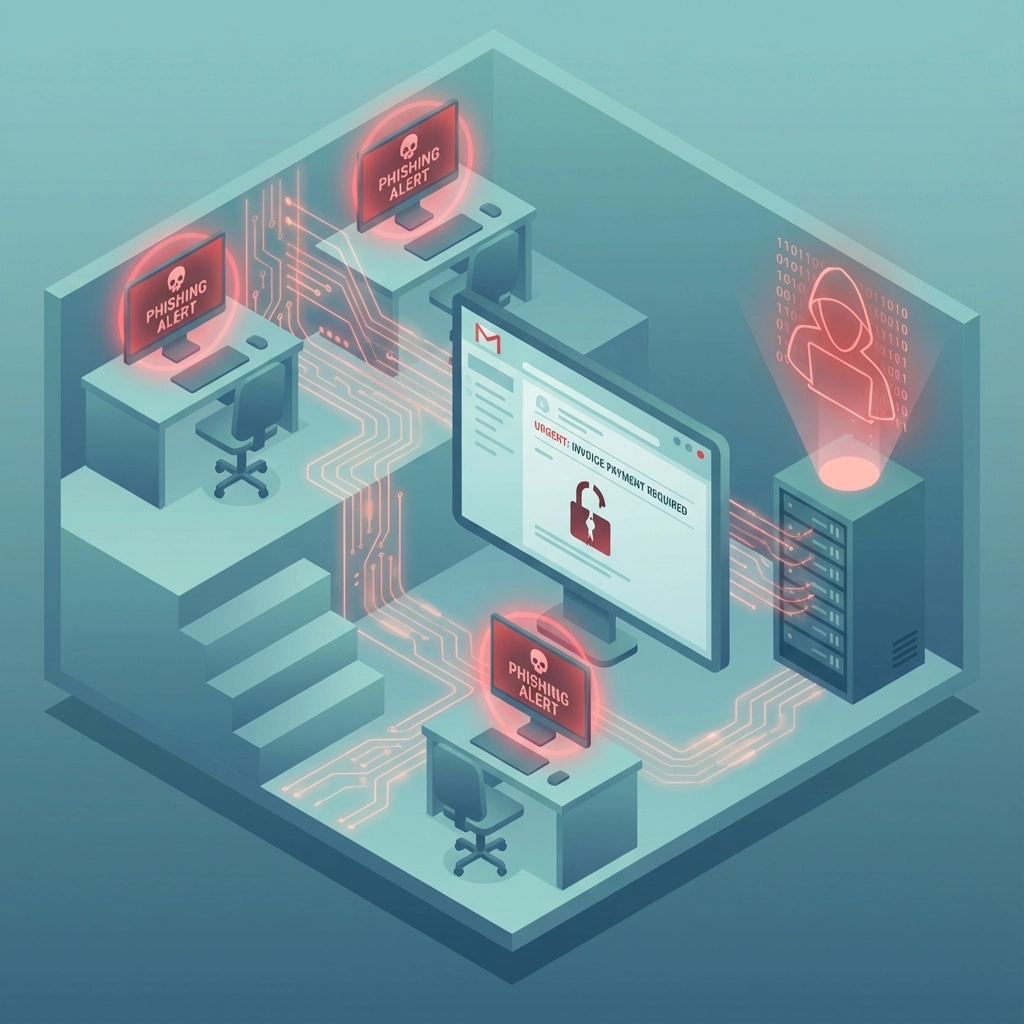
Attackers are also deploying increasingly clever technical methods. QR code phishing: or "quishing": embeds malicious links in QR codes that bypass traditional email filters. Employees scan what appears to be a legitimate code for a software update or document access, only to land on a credential harvesting site.
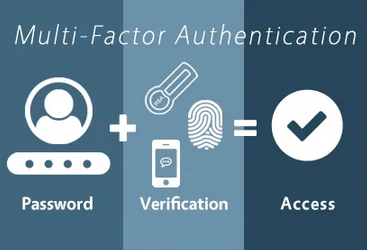
Malicious multi-factor authentication prompts represent another evolving threat. Even when employees use MFA, attackers can intercept login attempts and present fake secondary authentication screens that capture both passwords and authentication codes in real-time.
Why Small Businesses Are Prime Targets
Small and medium-sized businesses have become the preferred targets for advanced phishing attacks, and the reasons extend beyond simple opportunism. Unlike large enterprises with dedicated security teams and advanced threat detection systems, SMBs often rely on basic email filters and minimal employee training.
The informal, trust-based communication style common in smaller organizations actually works against cybersecurity. When everyone knows everyone else, employees are more likely to act on urgent requests without following formal verification procedures. This personal familiarity, combined with readily available information about company operations from websites and social media, gives attackers everything they need to craft convincing impersonations.
Resource constraints compound the problem. With limited IT budgets and staff, small businesses often delay security updates, skip comprehensive training programs, and lack the monitoring tools necessary to detect sophisticated attacks in progress.
Spotting the New Generation of Phishing Scams
While modern phishing attacks are more sophisticated, they still exhibit identifiable warning signs if you know what to look for.
Email Red Flags That Still Matter
Even AI-generated emails often contain subtle inconsistencies. Watch for unusual urgency in routine communications, requests that bypass normal approval processes, or messages asking for sensitive information via email: something legitimate businesses rarely do. Pay attention to sender addresses that look legitimate but contain subtle misspellings or use generic domains instead of official company domains.
Perhaps most importantly, be suspicious of any communication that asks you to act outside established procedures, regardless of who appears to be sending it.
Voice and Video Warning Signs
Real-time impersonation attacks often reveal themselves through subtle technical artifacts or behavioral inconsistencies. Poor audio quality, background noise, or slightly unnatural speech patterns can indicate voice synthesis. Video calls that avoid showing the speaker's face clearly, or conversations that stick rigidly to a script without natural interaction, should raise suspicions.
More critically, be wary of any unexpected request: especially financial transactions or sensitive information sharing: made through unusual channels. If your CEO typically communicates through established procedures but suddenly calls with an urgent wire transfer request, verification through alternate channels is essential.
Social Engineering Signals
Modern phishing attacks leverage sophisticated psychological manipulation. Attackers create artificial urgency, appeal to authority, or exploit helpful tendencies by positioning requests as solving problems for colleagues or customers. They might reference recent company news or personal information to establish credibility before making their actual request.
The key is recognizing when emotional pressure is being used to bypass rational decision-making processes, regardless of how legitimate the request appears.
Building Effective Defenses Against Phishing 2.0
Protecting against advanced phishing requires a multi-layered approach that combines technical controls, human awareness, and systematic response procedures.
Technical Security Measures
Deploy enterprise-grade email filtering that uses AI-powered behavioral analysis rather than simple keyword matching. These advanced systems can detect subtle anomalies in communication patterns that indicate potential impersonation attempts.
Implement comprehensive email authentication protocols including SPF, DKIM, and DMARC to prevent domain spoofing. Enable multi-factor authentication on all critical systems: email, VPN, cloud services, and financial platforms. While MFA isn't foolproof against the most advanced attacks, it blocks the majority of credential-based compromises.
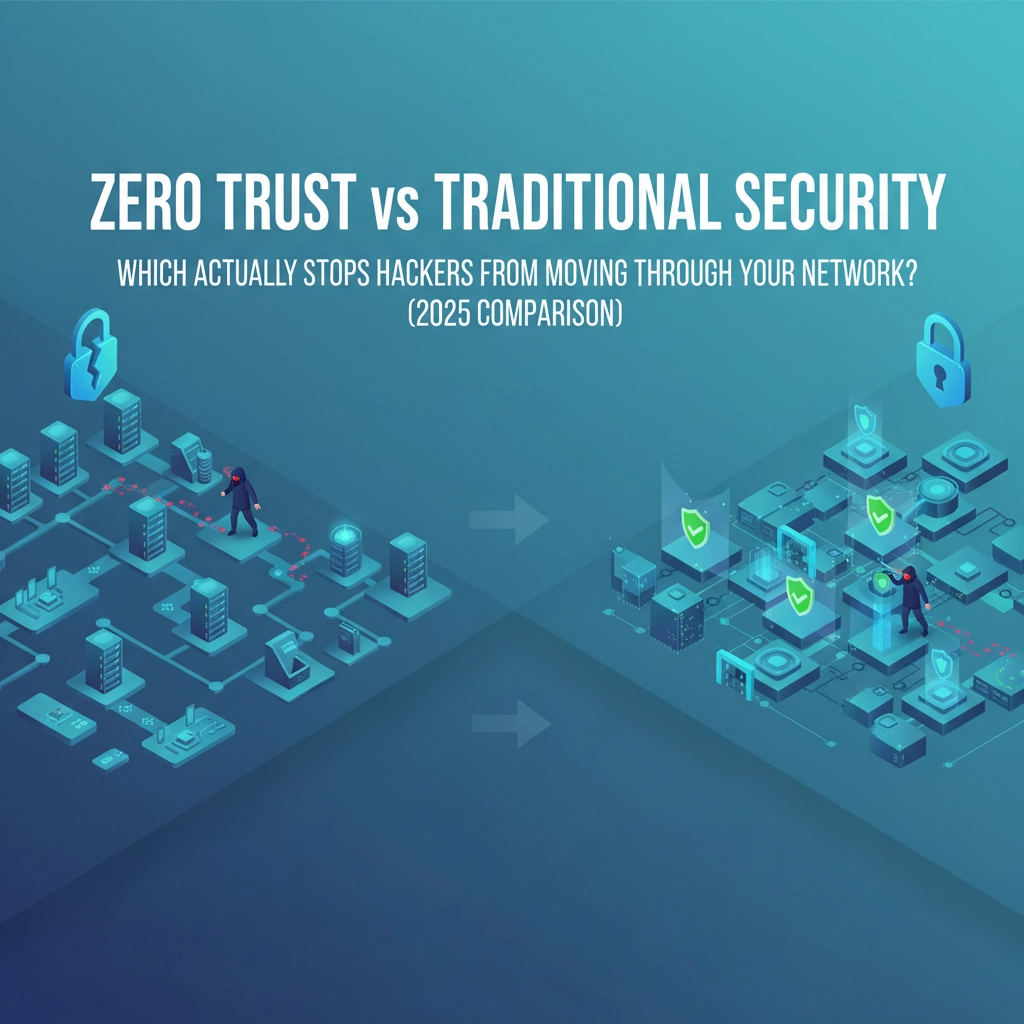
Consider adopting Zero Trust security principles that verify all access attempts regardless of source, location, or historical patterns. This approach assumes that trust must be continuously earned rather than automatically granted.
Human-Centered Defenses
Regular, scenario-based cybersecurity training creates your most important defense layer. Unlike generic awareness programs, effective training uses realistic simulations based on actual attack patterns targeting your industry and organization type.
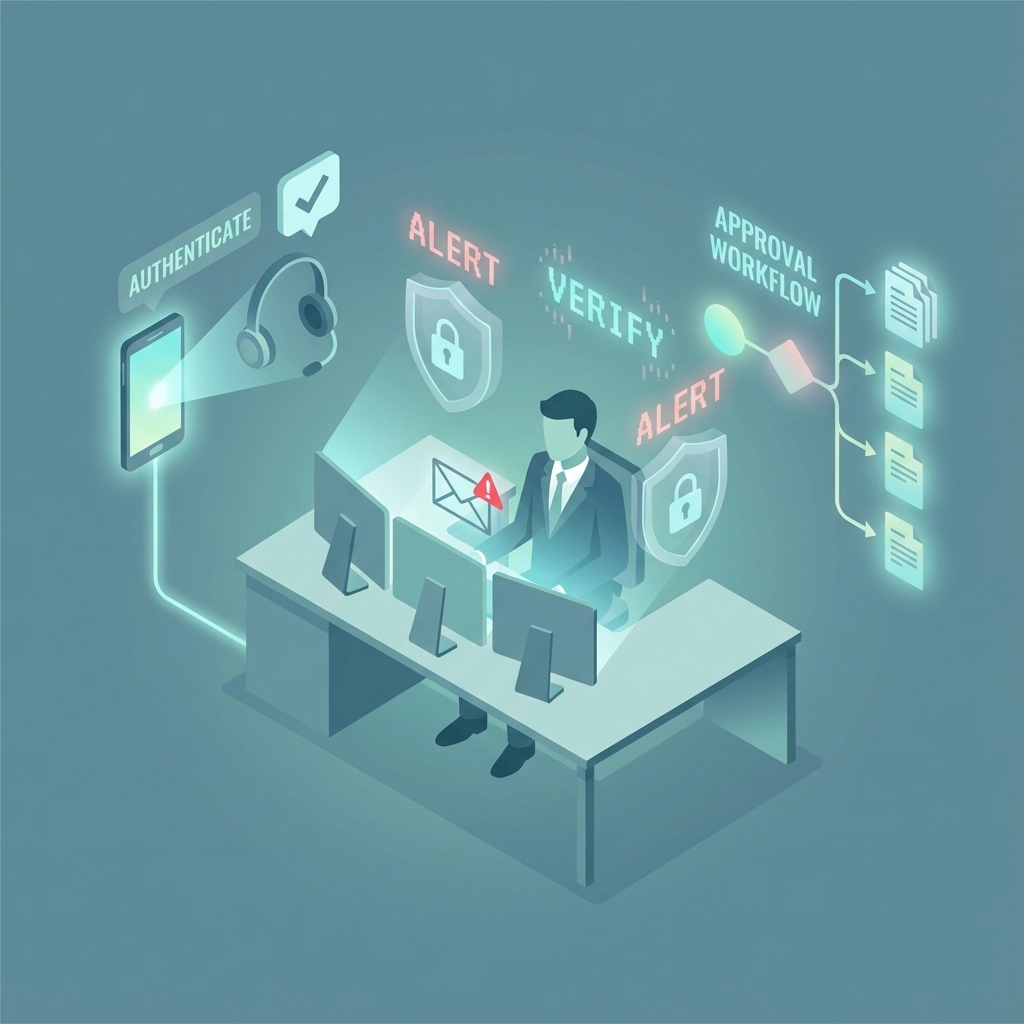
Build organizational culture that encourages verification of suspicious requests without fear of appearing distrustful or slowing down business operations. Establish clear procedures for confirming unexpected requests through secondary channels, and ensure all employees know these protocols.
Incident Response Preparation
Develop and regularly test a documented response plan for suspected phishing attempts. This plan should include immediate isolation procedures to prevent lateral movement, rapid reporting mechanisms to alert all potentially affected parties, and clear recovery steps to minimize business disruption.
The ability to quickly contain and respond to a successful phishing attack often determines whether an incident becomes a minor inconvenience or a business-ending disaster.
Your Action Plan for 2025
The sophistication of modern phishing attacks means that basic security measures are no longer sufficient. Start by auditing your current email security to ensure it includes AI-powered threat detection capabilities. Roll out multi-factor authentication across all business systems, prioritizing email, financial platforms, and any systems containing sensitive data.
Invest in comprehensive employee training that goes beyond generic cybersecurity awareness to address the specific attack vectors targeting your industry. Test your incident response procedures with realistic simulations to identify gaps before they're exploited by actual attackers.
Most importantly, recognize that cybersecurity is no longer a one-time implementation but an ongoing operational requirement that must evolve alongside emerging threats.
The criminals behind Phishing 2.0 are betting that small businesses won't adapt to these new realities. They're counting on outdated defenses and unprepared employees to provide easy access to your systems and data. Don't give them that opportunity.
Ready to assess your current defenses against these advanced threats? Contact B&R Computers for a complimentary security awareness session tailored to your business. We'll help you identify vulnerabilities and implement the multi-layered protection your organization needs to stay ahead of evolving phishing tactics.