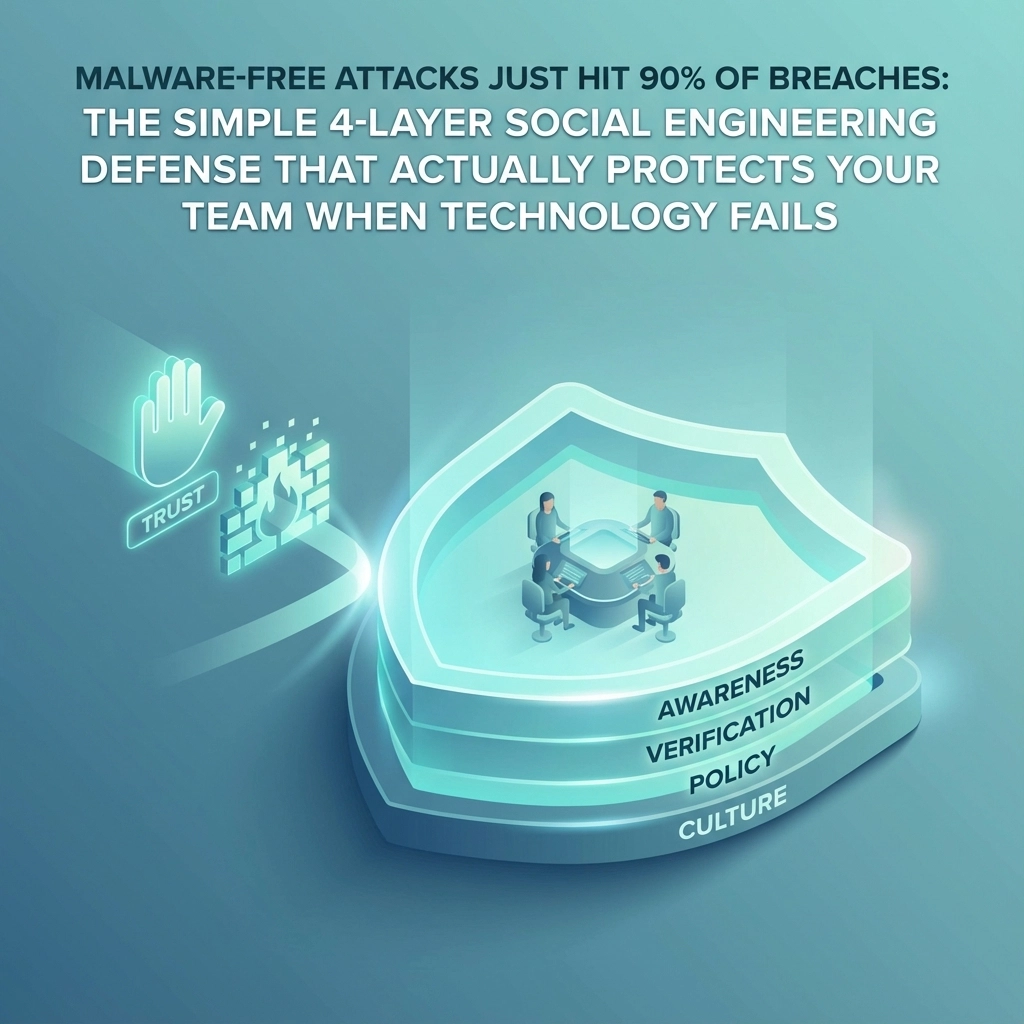
The cybersecurity landscape just shifted dramatically, and most business owners are still fighting yesterday's war. While you're investing in antivirus software and firewalls, cybercriminals have abandoned malware almost entirely. 79% of successful cyberattacks in 2024 used zero malicious software: and that number is climbing toward 90% as we move through 2025.
Instead, attackers are targeting the one vulnerability that no software can patch: your people.
Why Hackers Ditched Malware for Human Psychology
Modern cybercriminals aren't coding malicious programs anymore: they're studying human behavior. It's more efficient to trick someone into handing over passwords than to crack encryption. Social engineering attacks now succeed 68% of the time, compared to traditional malware attacks that trigger security alerts and get blocked.
Here's what's driving this massive shift:
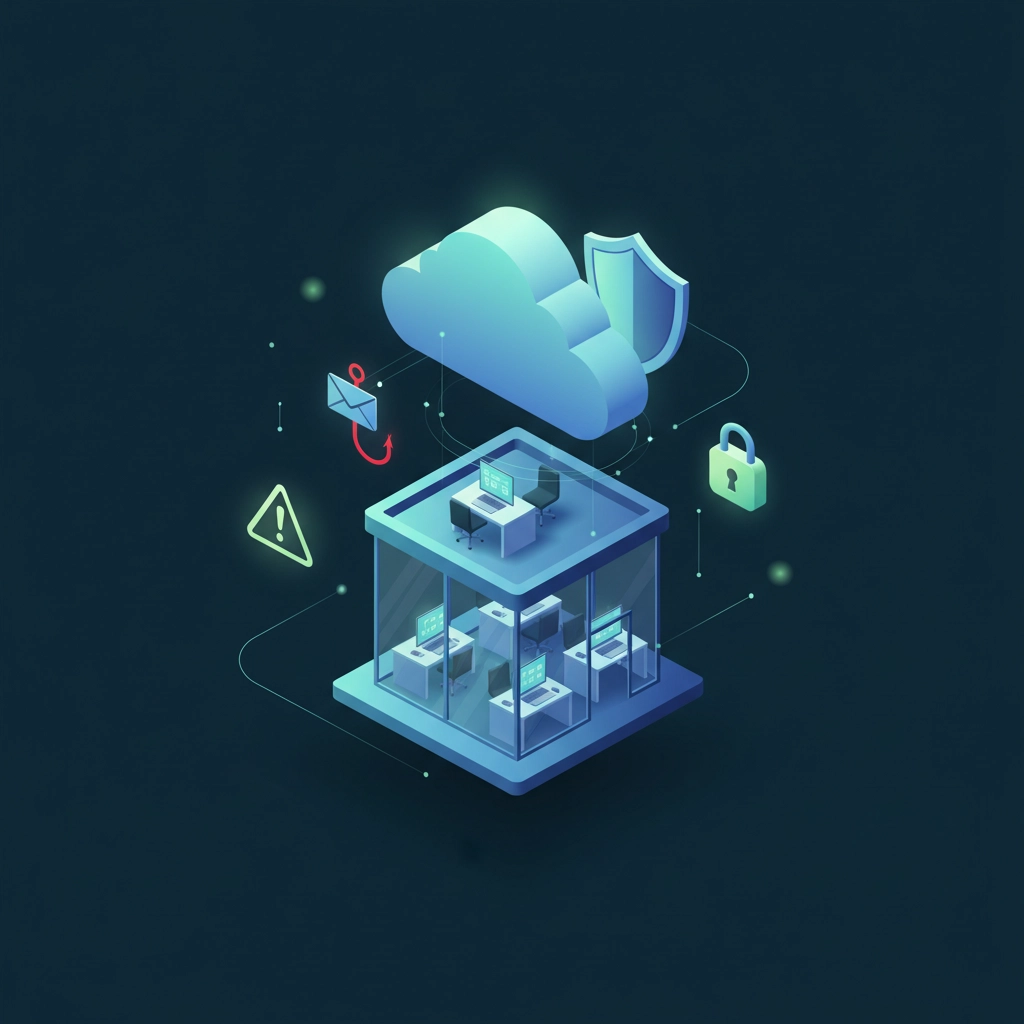
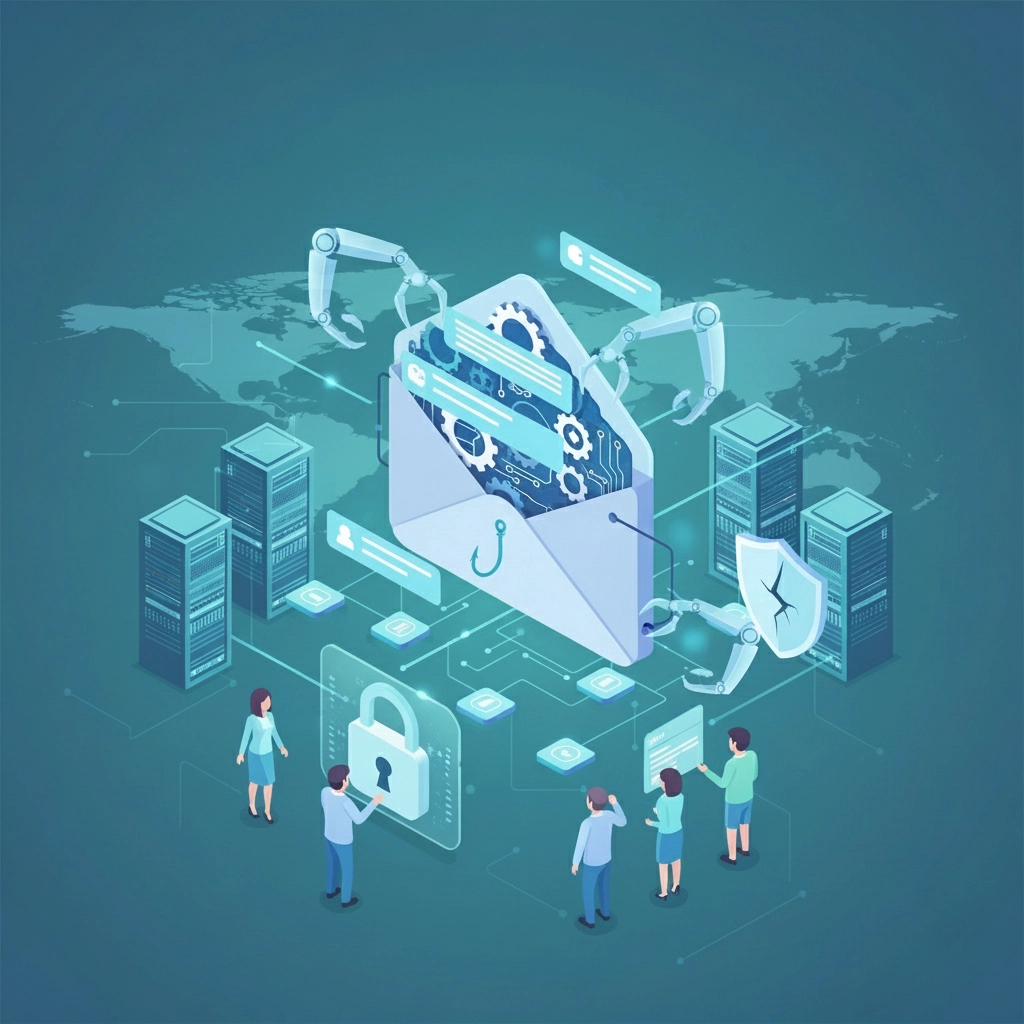
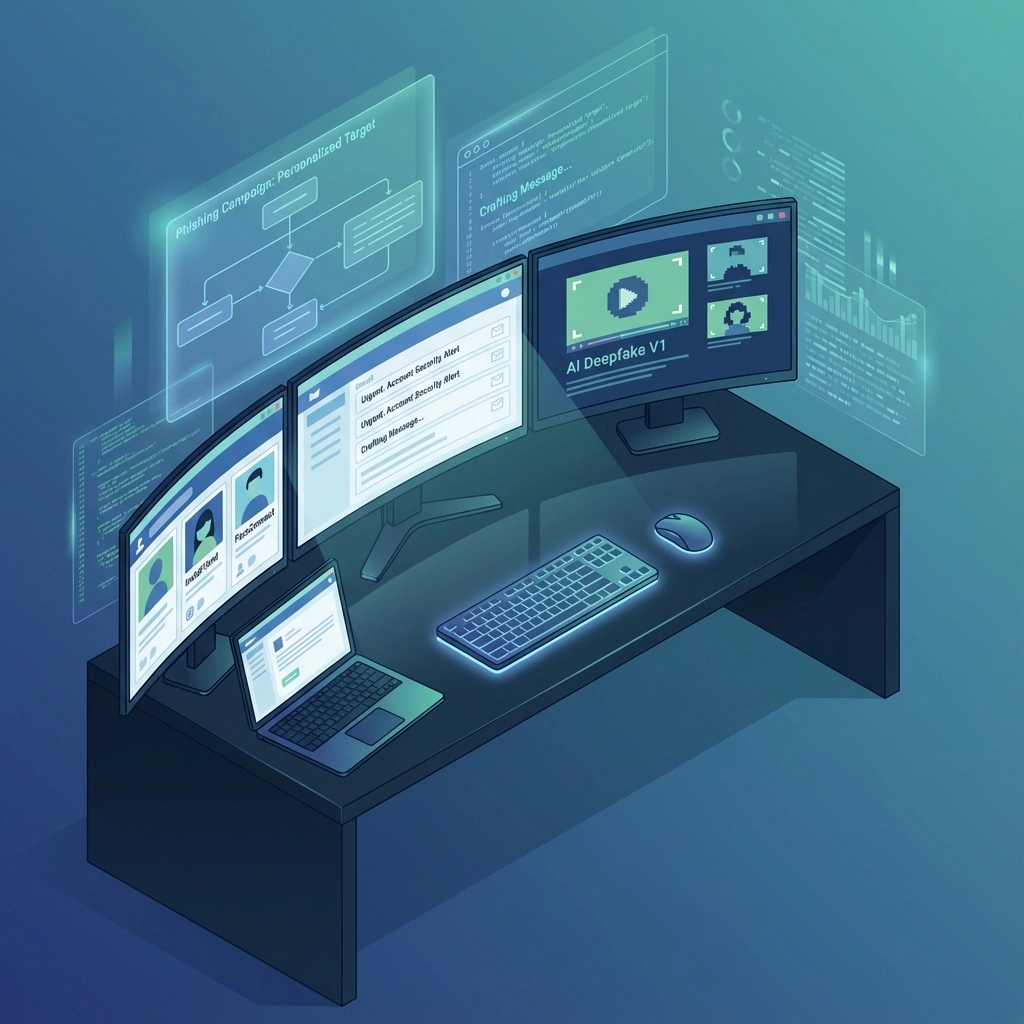
AI-Powered Personalization: Attackers use artificial intelligence to craft hyper-realistic phishing emails, voice calls, and text messages. They scrape your company's LinkedIn profiles, website content, and social media to create messages that sound exactly like your vendors, clients, or executives.
Business Email Compromise (BEC) Explosions: These attacks jumped 81% in 2024. Criminals impersonate CEOs, CFOs, or trusted partners to authorize fraudulent wire transfers. No malware needed: just convincing emails and urgent requests.
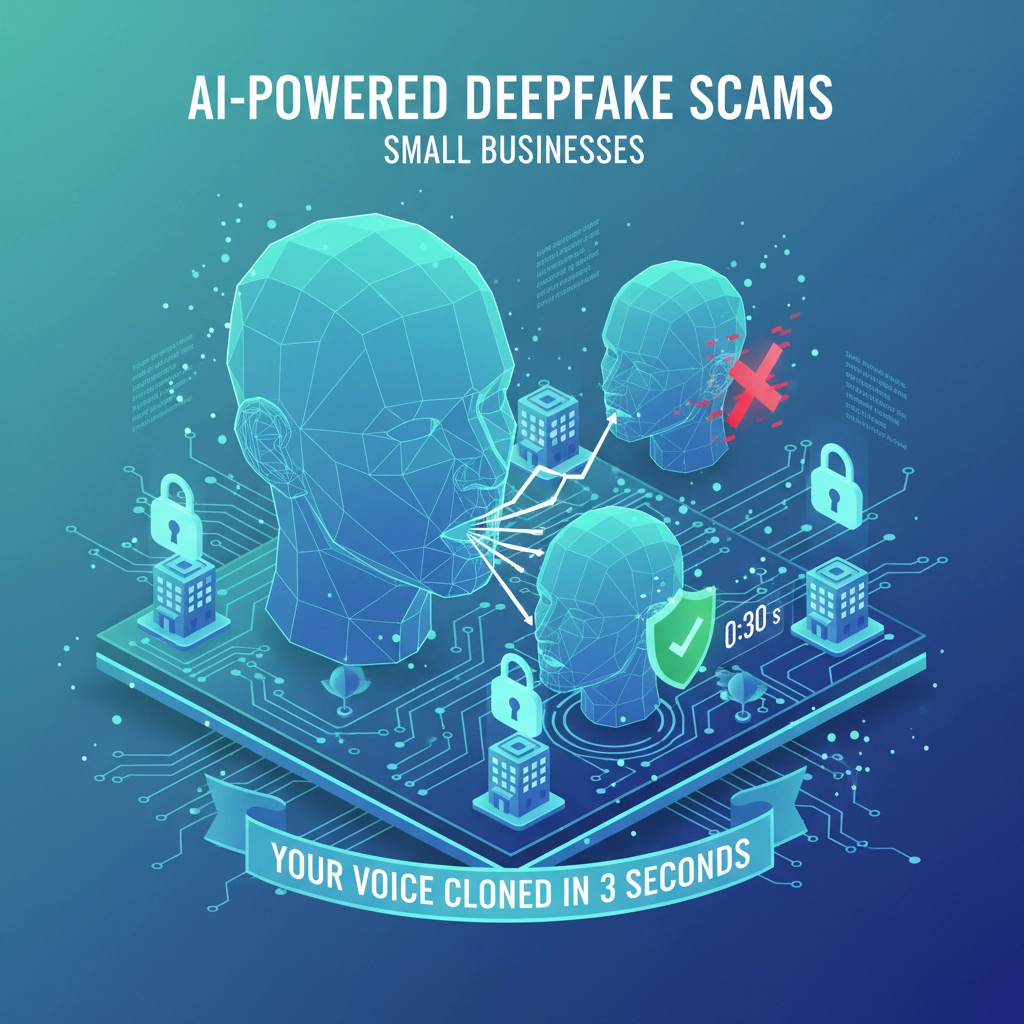
Voice and Video Deepfakes: AI can now clone voices from just 3 seconds of audio. Imagine getting a "video call" from your boss asking you to transfer funds: except it's a completely synthetic person.
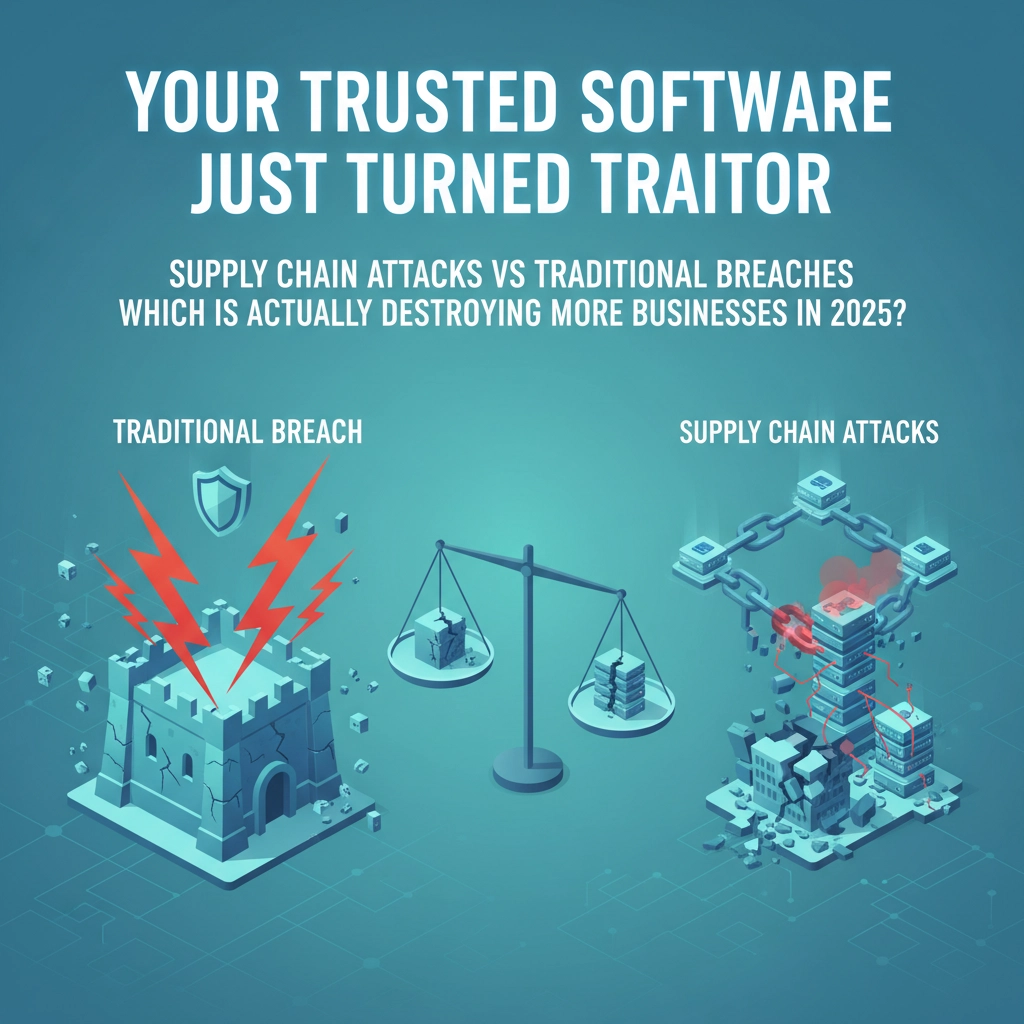
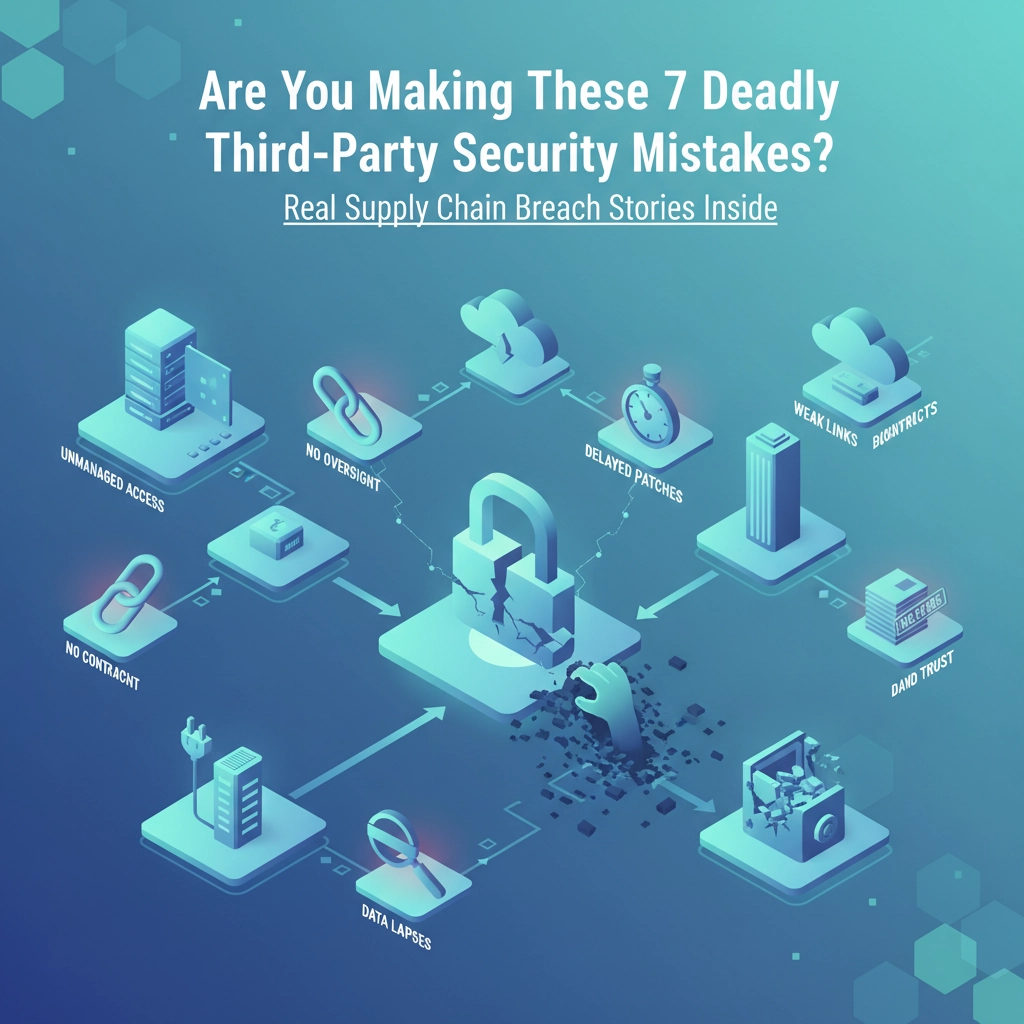
Supply Chain Social Engineering: Instead of attacking your network directly, criminals target your vendors, accountants, or software providers to gain indirect access to your systems.
The Four Industries Getting Hit Hardest
Healthcare Practices: Medical offices face constant attacks because patient data is worth 10x more than credit card numbers on the dark web. Attackers pose as insurance companies, medical software vendors, or government agencies requesting "urgent compliance updates."
Financial Services: Banks and credit unions see sophisticated pretexting attacks where criminals research employees' personal information to build trust before requesting account access or system credentials.
Real Estate Firms: Wire fraud in real estate hit $396 million in losses last year. Criminals intercept email communications between buyers, sellers, and agents to redirect closing funds to their accounts.
Tax Professionals: During tax season, scammers impersonate the IRS, state agencies, or tax software companies to steal client data and e-file fraudulent returns.
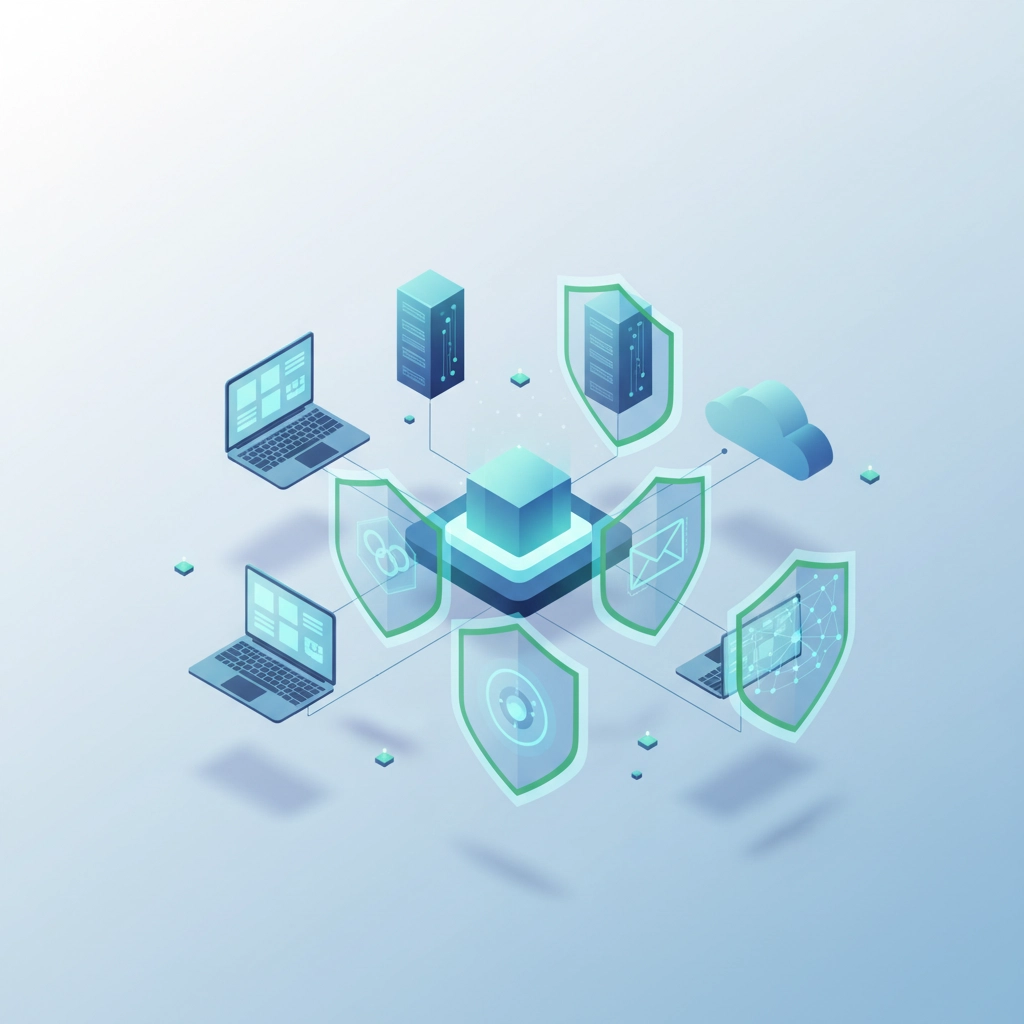
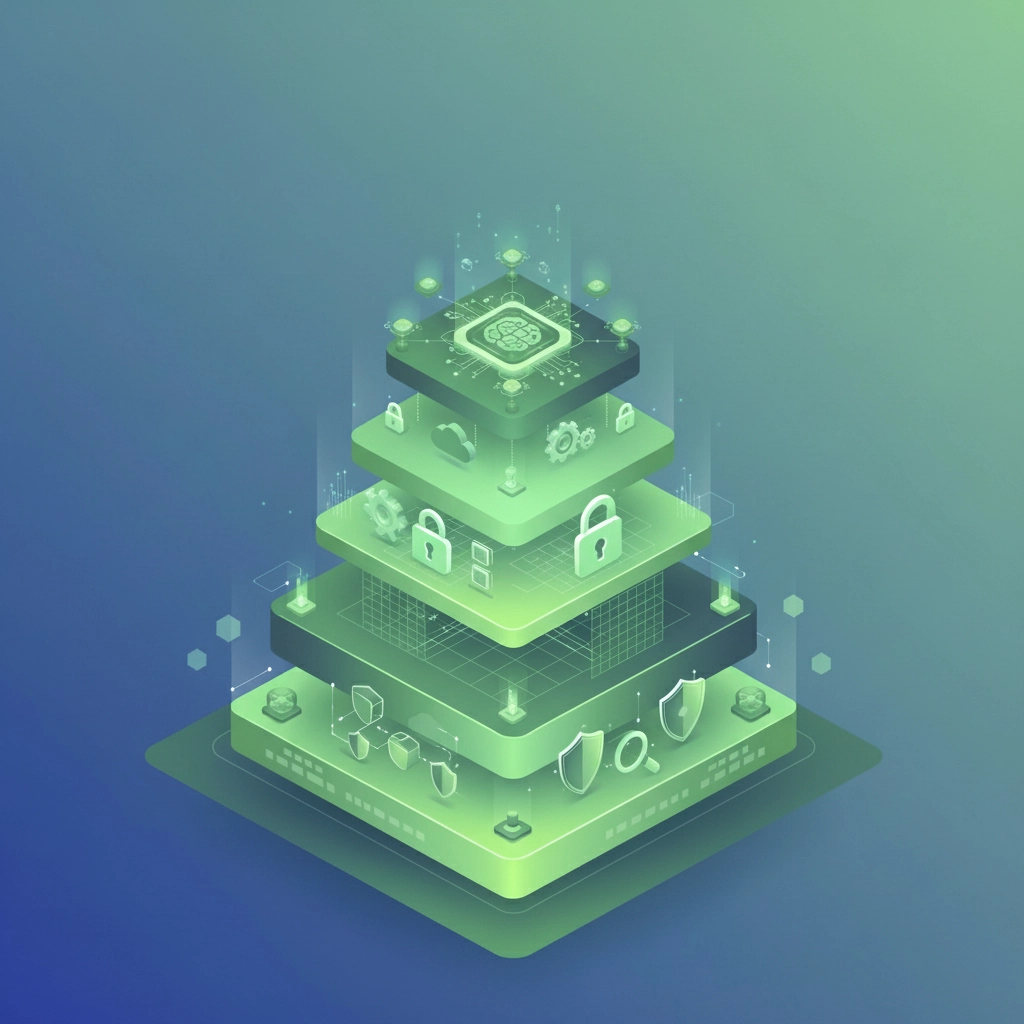
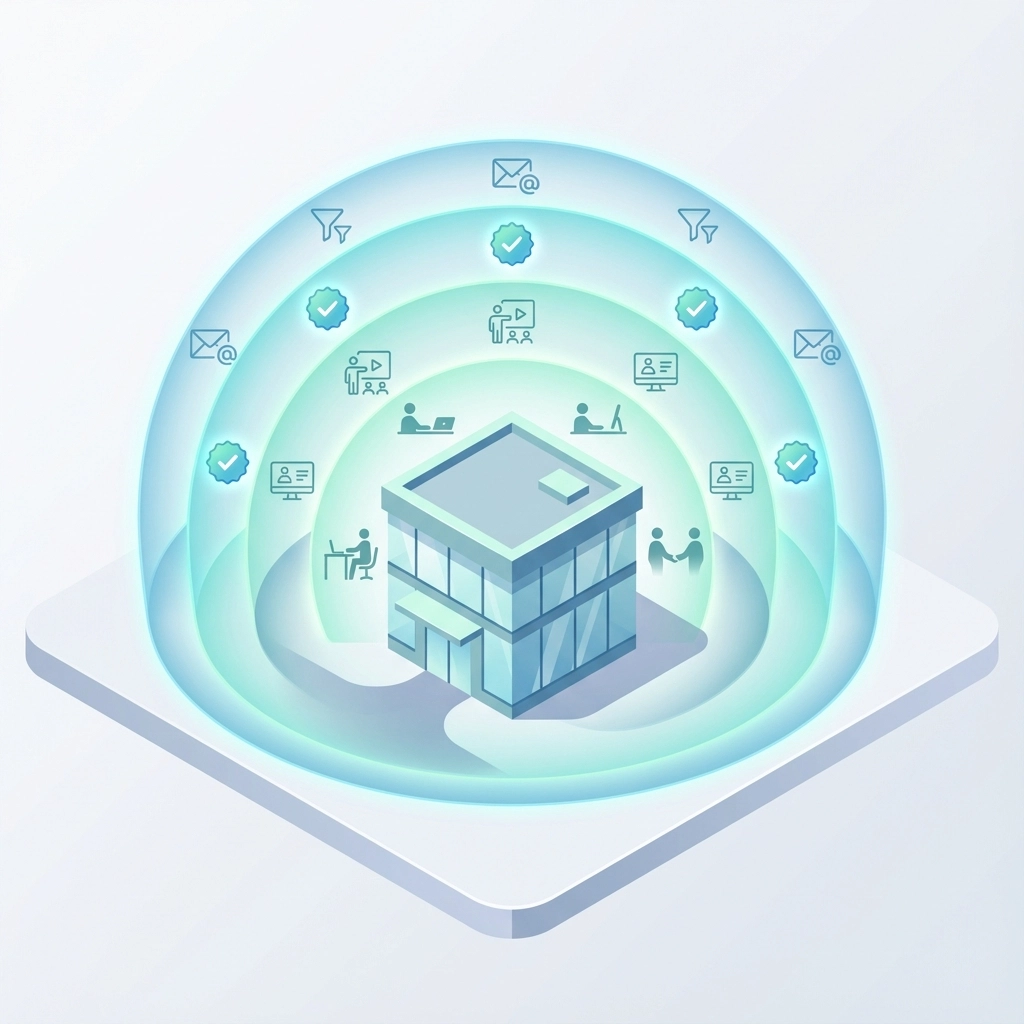
The 4-Layer Social Engineering Defense That Actually Works
Most businesses try to solve social engineering with more technology: but that's missing the point. You need a human-centered defense that acknowledges people will make mistakes, then builds systems to catch and contain those errors.
Layer 1: Technical Controls (Foundation)
Start with email security that goes beyond spam filtering:
- Advanced Email Authentication: Implement DMARC, SPF, and DKIM to prevent domain spoofing
- Link and Attachment Sandboxing: Automatically detonate suspicious content in isolated environments
- Caller ID Verification: Use services that verify phone numbers aren't spoofed
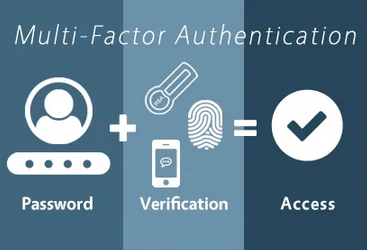
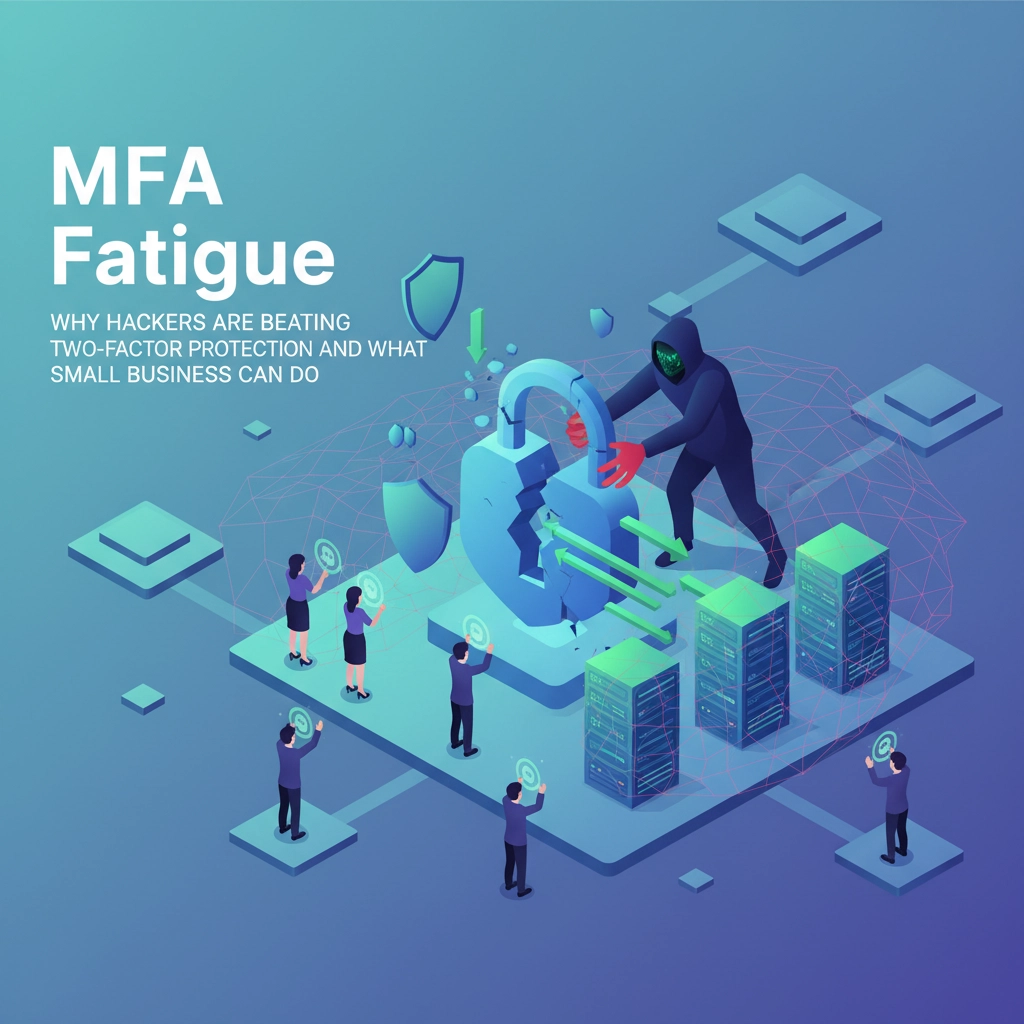
- Multi-Factor Authentication: But specifically number-matching MFA that prevents "MFA fatigue" attacks
For small businesses, Microsoft 365 Defender or Google Workspace's built-in security tools provide solid baseline protection without enterprise-level complexity.
Layer 2: Process Controls (Structure)
Create procedures that slow down urgent requests and verify unusual activity:
Financial Verification Protocols: Require dual approval for any wire transfer, vendor payment, or account change over $1,000. Always verify requests through a separate communication channel.
Information Release Procedures: Train staff to never provide sensitive information (SSNs, account numbers, passwords) via phone or email, even to "verified" callers.
Incident Response Workflows: When someone suspects a social engineering attempt, they should know exactly who to notify and what steps to take immediately.
Layer 3: Human Training (Awareness)
Skip the boring annual training videos. Instead, focus on scenario-based learning:
Monthly Micro-Training: 5-minute sessions covering real-world examples relevant to your industry. Show actual phishing emails targeting healthcare practices, real estate firms, or tax offices.
Simulated Attacks: Send fake phishing emails quarterly (but make them educational, not punitive). When someone clicks, provide immediate coaching rather than punishment.
Industry-Specific Scenarios:
- Healthcare: "Medical software requires immediate login verification"
- Finance: "Regulatory compliance audit needs account access"
- Real Estate: "Title company changed wire instructions"
- Tax: "IRS requires immediate client data verification"
Layer 4: Cultural Transformation (Mindset)
This is where most organizations fail: they treat security as IT's responsibility instead of everyone's job.
Reward Reporting: Celebrate employees who report suspicious emails or calls. Make it clear that asking questions isn't a sign of weakness.
Leadership Modeling: Executives should publicly discuss their own near-misses with social engineering. When the CEO admits they almost fell for a scam, it normalizes vigilance.
Regular Communication: Share threat intelligence relevant to your industry. If other medical practices in your area are getting hit with insurance verification scams, warn your team.
Cross-Department Collaboration: Encourage accounting, HR, and IT to share suspicious patterns they're seeing across different attack vectors.
Real-World Implementation for Small Businesses
You don't need a million-dollar security budget to implement these layers effectively. Start with high-impact, low-cost changes:
Week 1: Enable advanced email security in your existing Microsoft 365 or Google Workspace subscription. Set up DMARC authentication for your domain.
Week 2: Create a one-page "verification protocol" for financial requests, vendor changes, and information releases. Post it next to every computer.
Week 3: Conduct your first social engineering simulation using a free tool like KnowBe4's baseline test. Focus on education, not punishment.
Week 4: Schedule monthly 10-minute security discussions during existing team meetings. Rotate through different attack types and industry-specific threats.

The Bottom Line: Your Security Is Only as Strong as Your Most Tired Employee
Traditional cybersecurity assumes your people are the weakest link. The 4-layer approach assumes your people are your strongest asset: when properly prepared, supported, and empowered.
Remember: attackers are betting that your team will make predictable human mistakes under pressure. Your defense needs to account for those mistakes and provide multiple opportunities to catch and correct errors before they become breaches.
The businesses that survive the social engineering wave aren't the ones with the most expensive security tools: they're the ones that treat security as a team sport where everyone plays defense.
Ready to test your current social engineering defenses? Contact B&R Computers for a comprehensive social engineering risk assessment. We'll simulate real-world attacks targeting your specific industry and provide a customized 4-layer defense plan that fits your budget and team size. Don't wait for cybercriminals to find your vulnerabilities first.