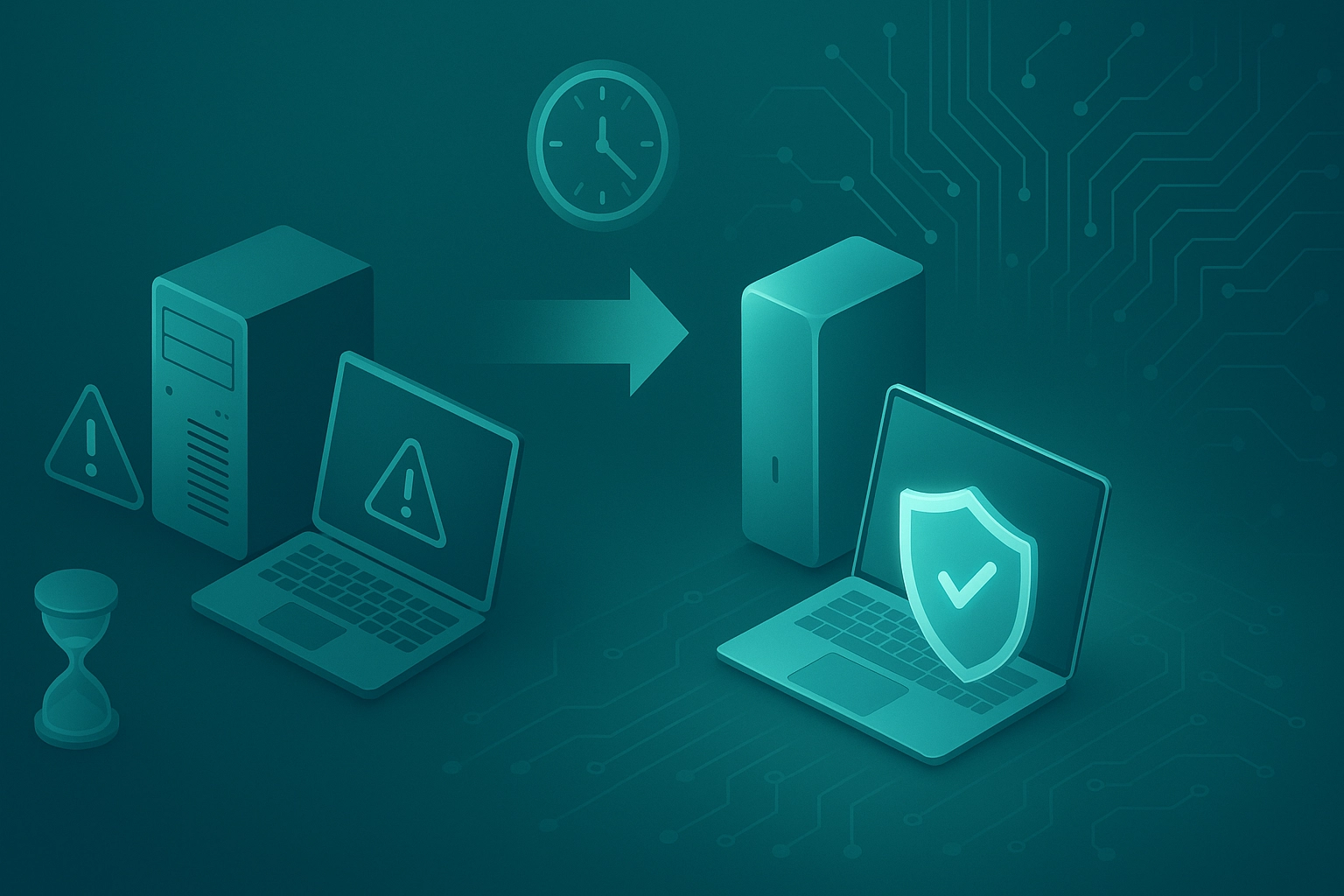
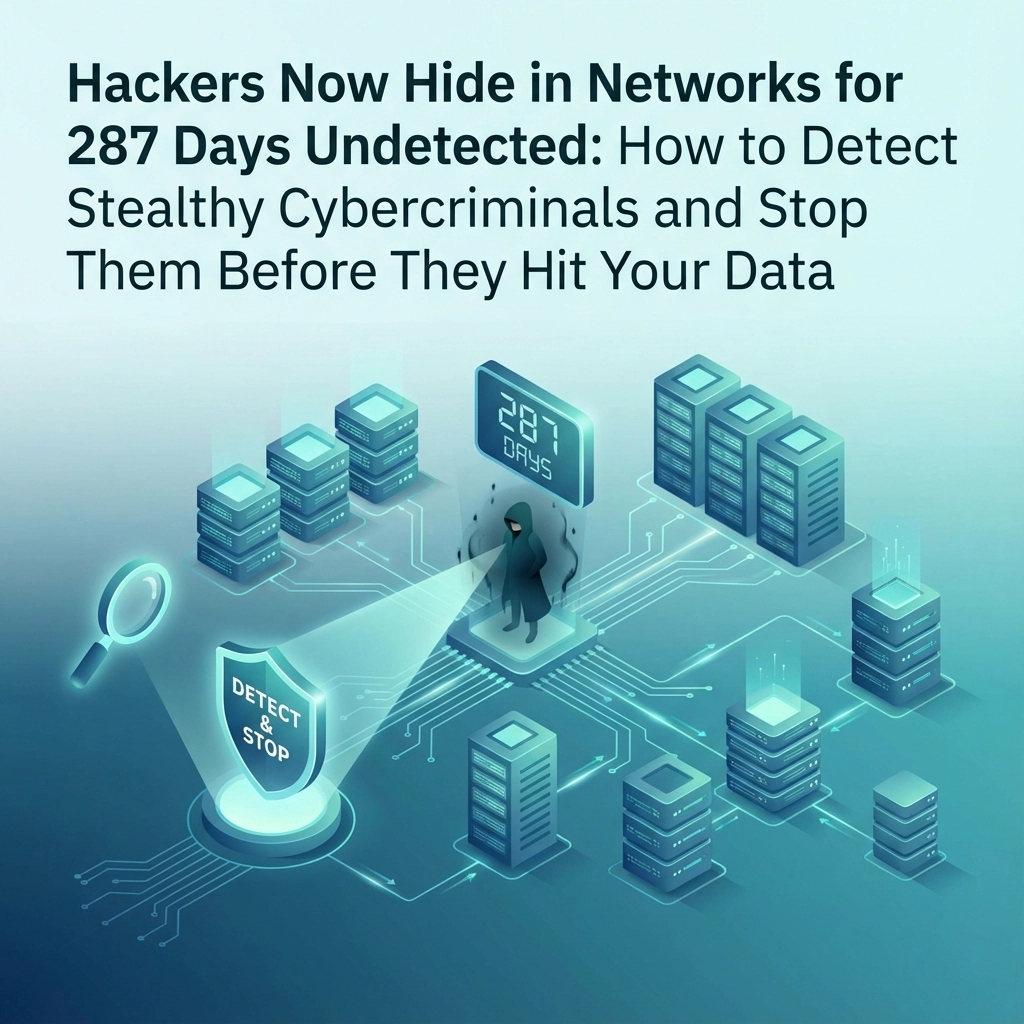
Picture this: A cybercriminal breaks into your business network today, and you don't find out until next Christmas. Sounds impossible? Unfortunately, it's the reality for most small and mid-size businesses. The latest cybersecurity research shows that hackers now hide in networks for an average of 287 days before anyone notices they're there.
That's nearly 10 months of unrestricted access to your most sensitive business data, customer information, and financial records. While you're focused on running your business, these digital intruders are quietly mapping your network, stealing credentials, and setting up shop for their final attack.
What Is "Dwell Time" and Why Should You Care?
Dwell time is cybersecurity speak for how long hackers camp out in your network between the moment they first break in and when someone finally discovers them. Think of it like having a burglar hide in your attic for months, learning your daily routines, copying your keys, and planning the perfect heist.
The 287-day average means most businesses are giving cybercriminals almost a full year to:
- Steal every piece of sensitive data they want
- Plant ransomware throughout your entire network
- Create multiple backdoors for future access
- Study your business operations and find your most valuable assets
- Cover their tracks and prepare for the perfect moment to strike
Some advanced hacking groups have maintained undetected access for over three years. Imagine the damage they can do with that kind of time.

How Do Hackers Stay Hidden for So Long?
The scary truth is that most cybercriminals don't need to be particularly clever to avoid detection for months. Here's why they're so successful at staying under the radar:
Your Network Is a Black Box
About 87% of businesses have little to no visibility into what's actually happening on their networks. Most small businesses rely on basic antivirus software and maybe a firewall, but these tools only catch the obvious stuff. Modern hackers know how to slip past these defenses like a pickpocket walking through a crowded market.
Without proper monitoring tools, you're basically flying blind. You might know someone logged into your system, but you have no idea if it was your employee working late or a hacker using stolen credentials.
Hackers Use "Living Off the Land" Techniques
Smart cybercriminals don't bring their own tools anymore: they use yours. They'll hijack legitimate software like PowerShell, WMI, or even your own administrative tools to move around your network. To your basic security systems, this activity looks completely normal because they're using authorized programs.
It's like a burglar using your own ladder to climb through an upstairs window. The activity isn't obviously suspicious because they're using tools that belong there.
They Move Slowly and Deliberately
Unlike the Hollywood version of hacking, real cybercriminals often work at a snail's pace. They might spend weeks just watching network traffic patterns, learning employee schedules, and mapping out your most valuable data. This slow, methodical approach helps them avoid triggering any automated alerts.

The Real Cost of Long Dwell Times
Here's where this gets expensive fast. Businesses that take more than 200 days to identify and contain a breach face average costs of $4.87 million, compared to $3.61 million for breaches contained within 200 days. That's a $1.26 million difference just for being slow to respond.
For small businesses, these numbers might sound abstract, but scale them down and the impact is still devastating. A months-long breach could mean:
- Complete customer database theft
- Ransomware encrypting all business operations
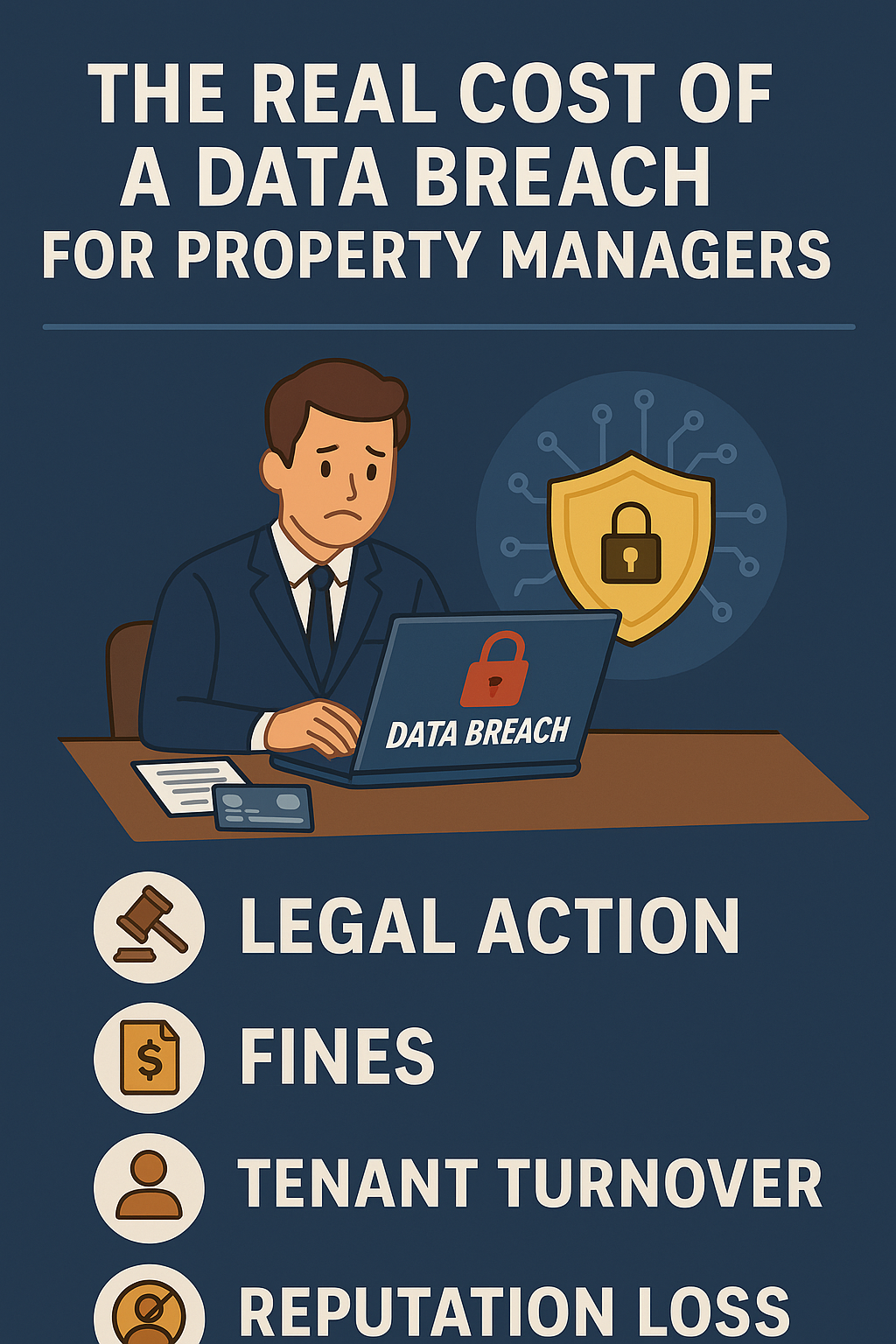
- Regulatory fines and legal costs
- Lost business from damaged reputation
- Years of recovery time and increased insurance premiums
How to Detect Stealthy Cybercriminals Faster
The good news is that you can dramatically reduce your dwell time from 287 days to just hours or days with the right approach. Here's how:
Implement Continuous Network Monitoring
Instead of checking your network security once in a while (like a monthly walk-through), continuous monitoring is like having security cameras running 24/7. Modern Security Information and Event Management (SIEM) systems can spot unusual patterns that human eyes would miss.
For example, if someone logs in from an unusual location at 3 AM and starts accessing files they've never touched before, a good monitoring system will flag this immediately. Your basic antivirus? It probably won't notice anything wrong.
Focus on Behavioral Analytics
The best detection systems don't just look for known bad actors: they learn what normal behavior looks like in your business. If your accounting software suddenly starts communicating with servers in another country, or if someone's downloading 100 times more data than usual, these systems raise red flags.
Think of it like a bank monitoring your credit card. They know your usual spending patterns, so when someone tries to buy expensive electronics in a different state, they can freeze the card before any real damage happens.

Deploy Endpoint Detection and Response (EDR)
EDR tools monitor individual computers and devices on your network for suspicious activity. They can detect when malware is trying to install itself, when unauthorized software is running, or when someone is attempting to steal credentials.
These tools are especially important because they can spot threats even when they're using legitimate programs to hide their activities.
Building Your Continuous Monitoring Strategy
For small and mid-size businesses, you don't need to build a full-scale cybersecurity operations center. Here's a practical approach:
Start with the Basics
- Ensure all systems are logging security events
- Implement centralized log management so you can see everything in one place
- Set up automated alerts for critical security events
- Establish a baseline of normal network activity
Layer on Advanced Detection
- Deploy cloud-based SIEM solutions designed for SMBs
- Implement user behavior analytics to spot insider threats
- Use threat intelligence feeds to identify known bad actors
- Set up automated response for common threats
Don't Forget the Human Element
- Train employees to report suspicious activity immediately
- Establish clear incident response procedures
- Consider managed detection and response (MDR) services if you lack in-house expertise
- Regular security awareness training helps employees become part of your detection network

Practical Steps You Can Take Today
You don't have to wait months to improve your detection capabilities. Here are immediate actions that can make a difference:
-
Audit Your Current Visibility: Take an honest look at what you can actually see happening on your network right now. If the answer is "not much," that's your first priority.
-
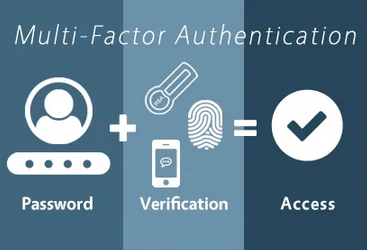
Implement Multi-Factor Authentication Everywhere: This won't help you detect existing breaches, but it'll make it much harder for new ones to start.
-
Set Up Basic Monitoring: Even simple network monitoring tools can dramatically improve your detection times compared to having nothing at all.
-
Establish Baseline Behavior: Document what normal network activity looks like so you can spot abnormal patterns.
-
Create an Incident Response Plan: Knowing what to do when you detect something suspicious can save precious time during an actual event.
The Bottom Line on Stealthy Threats
The 287-day average dwell time isn't just a scary statistic: it's a wake-up call. Every day a hacker spends undetected in your network is another day they're getting closer to their ultimate goal, whether that's stealing your data, encrypting your files, or setting up for an even bigger attack.
The technology to detect these threats quickly exists and is more affordable than ever for small businesses. The question isn't whether you can afford to implement continuous monitoring: it's whether you can afford not to.
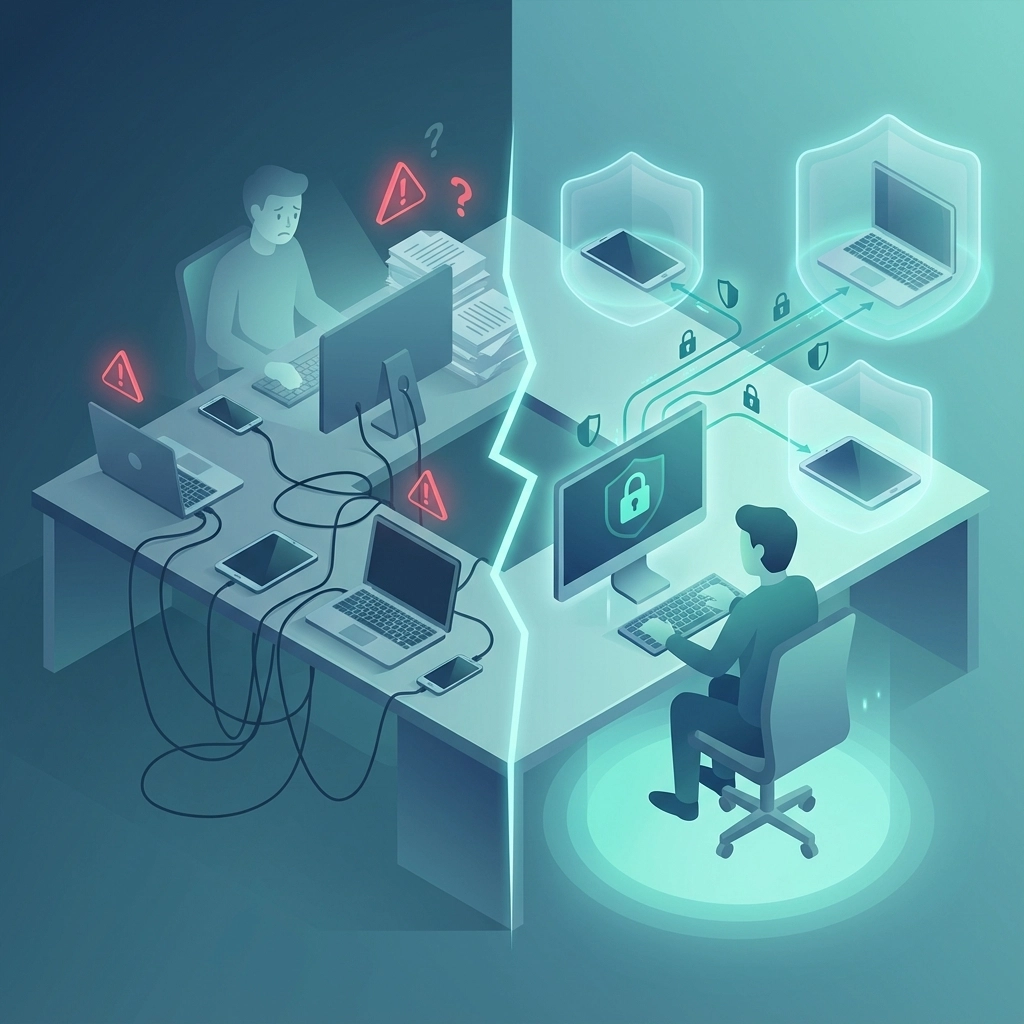
Don't let cybercriminals treat your network like their personal playground for the better part of a year. With the right monitoring tools and strategies, you can shrink that 287-day window down to hours and stop threats before they turn into business-ending disasters.
Ready to find out how long hackers could hide in your network? Contact B&R Computers for a comprehensive cybersecurity risk assessment. We'll help you identify blind spots in your current security setup and build a continuous monitoring strategy that actually fits your budget and business needs. Don't give cybercriminals 287 days to plan your downfall( schedule your assessment today.)