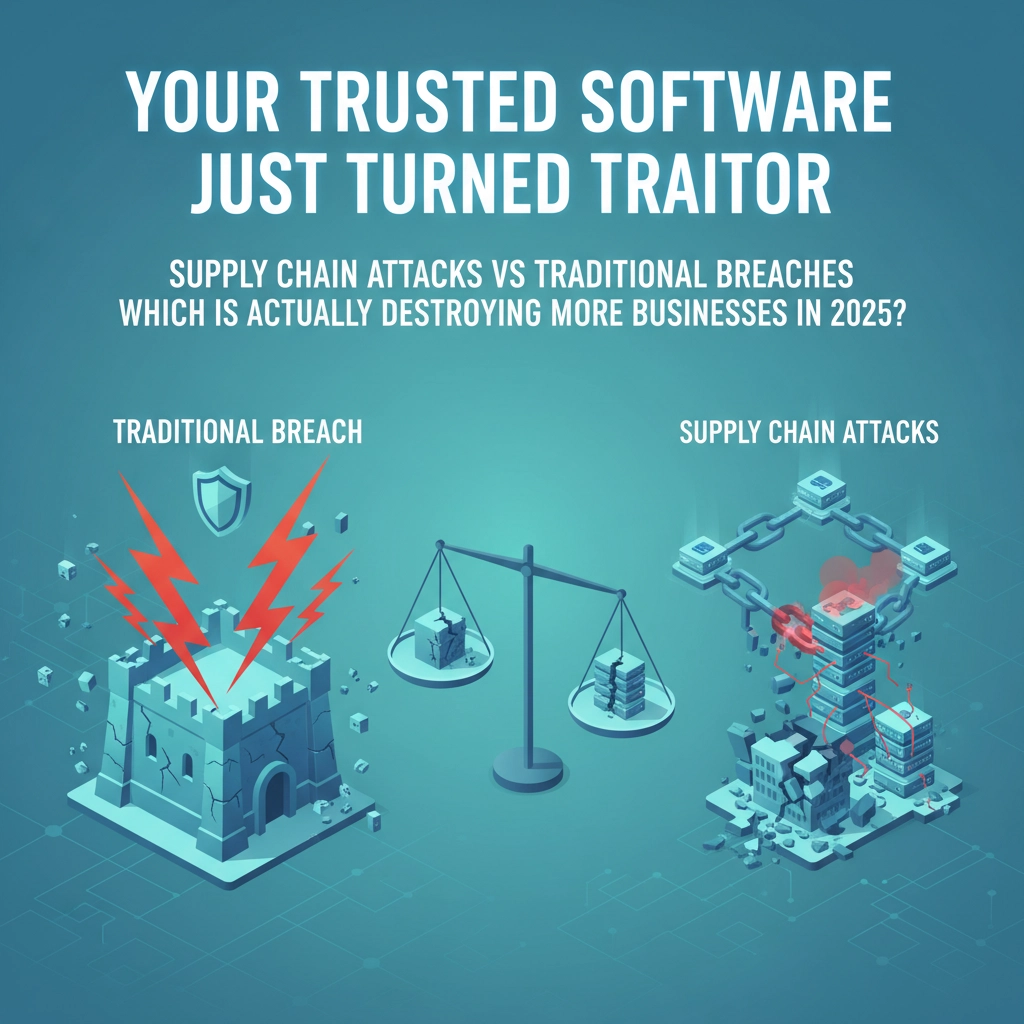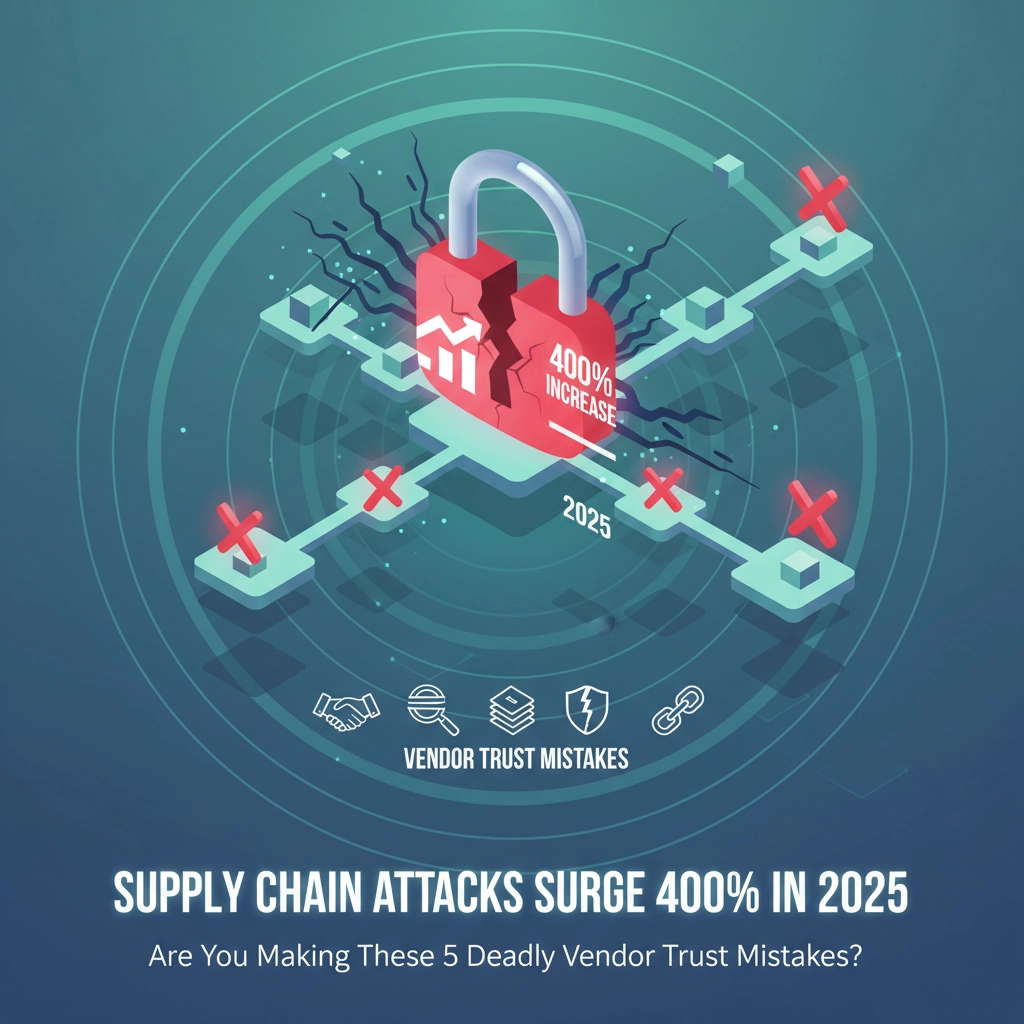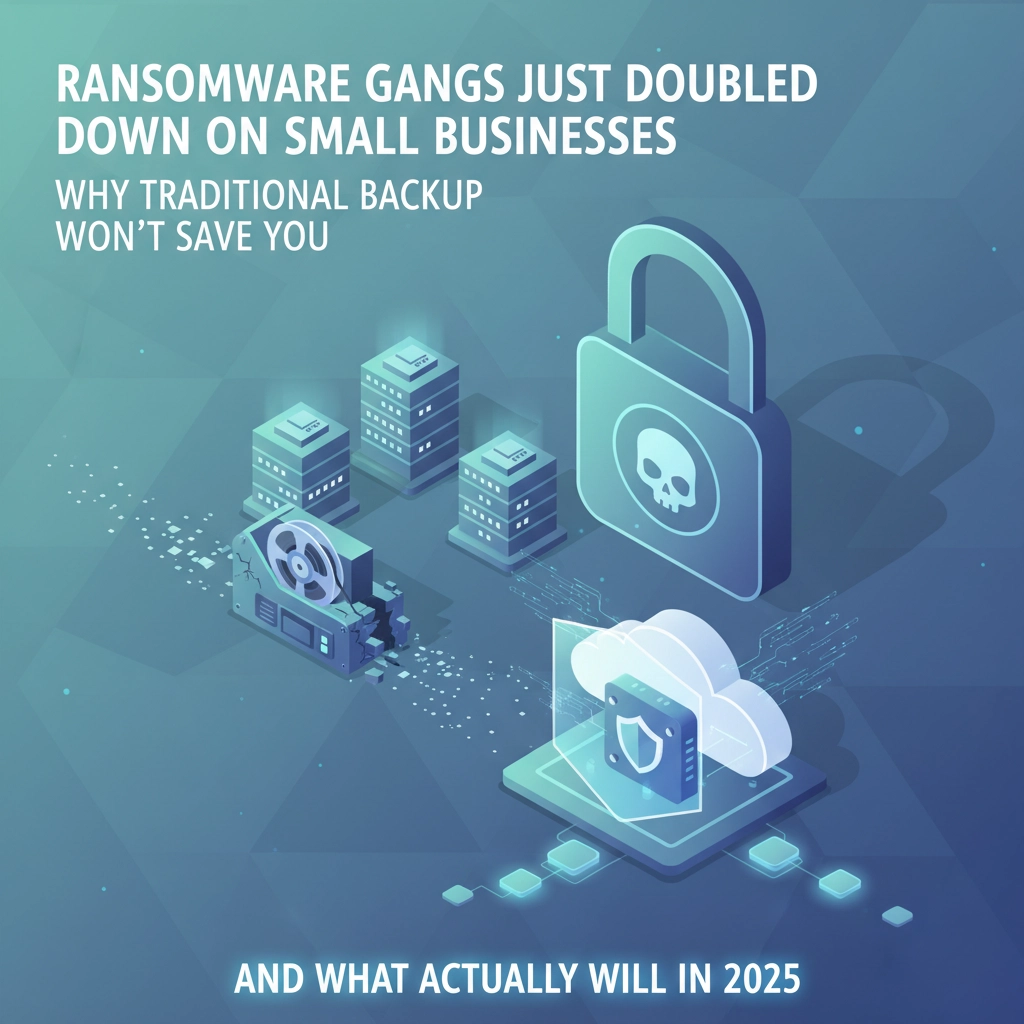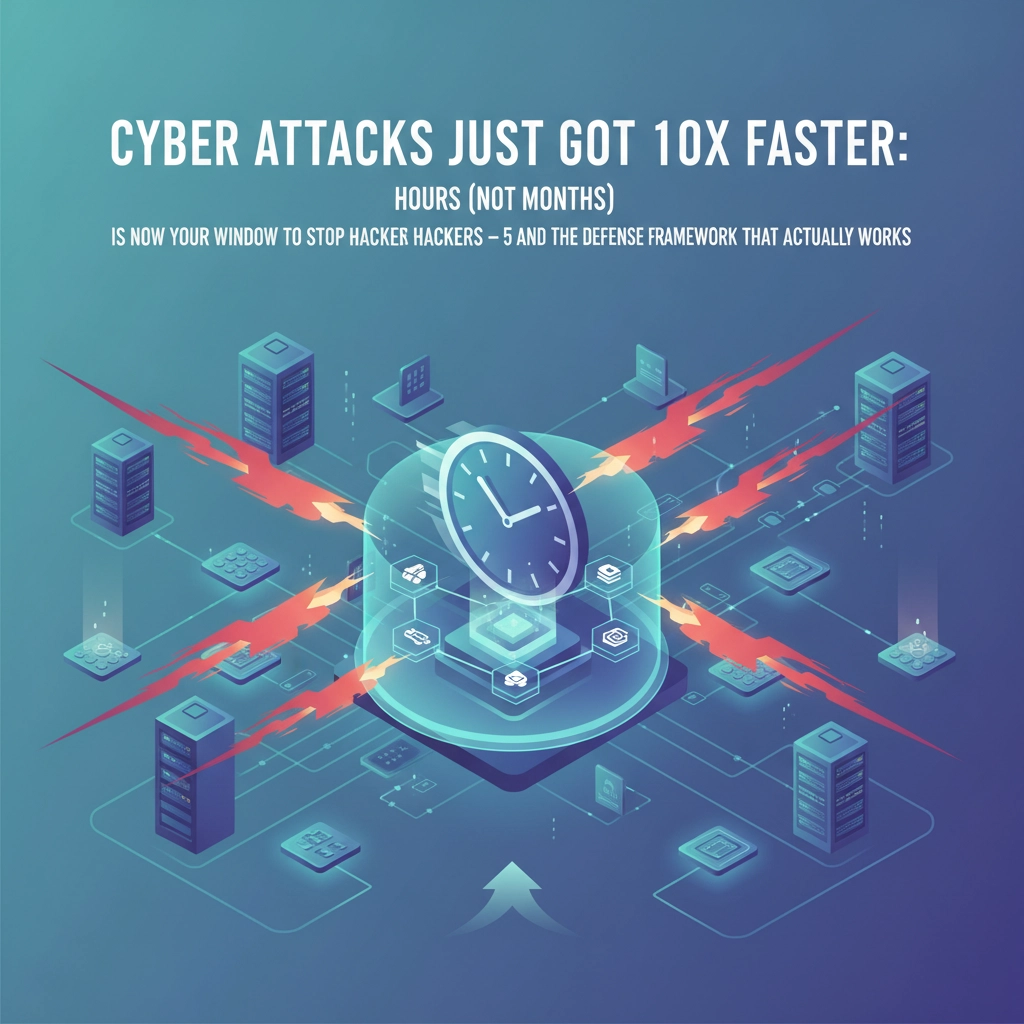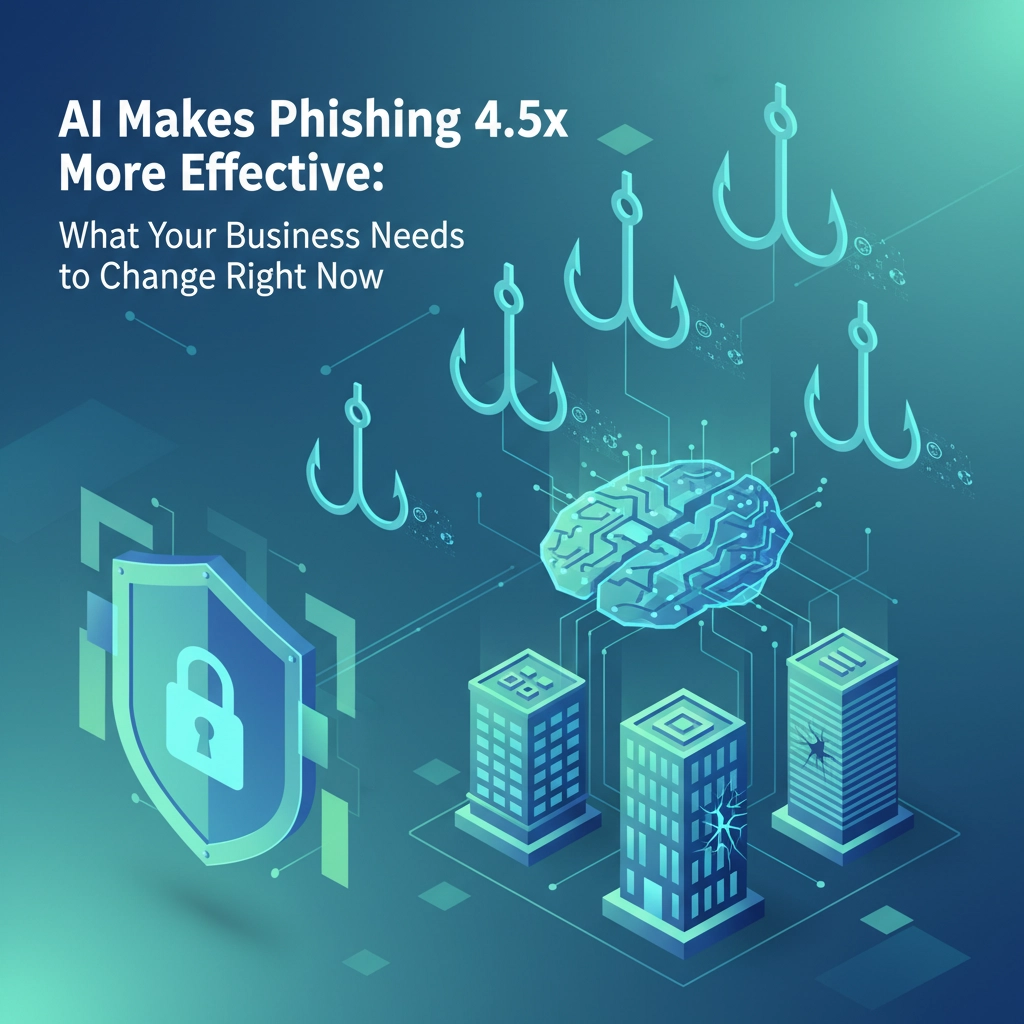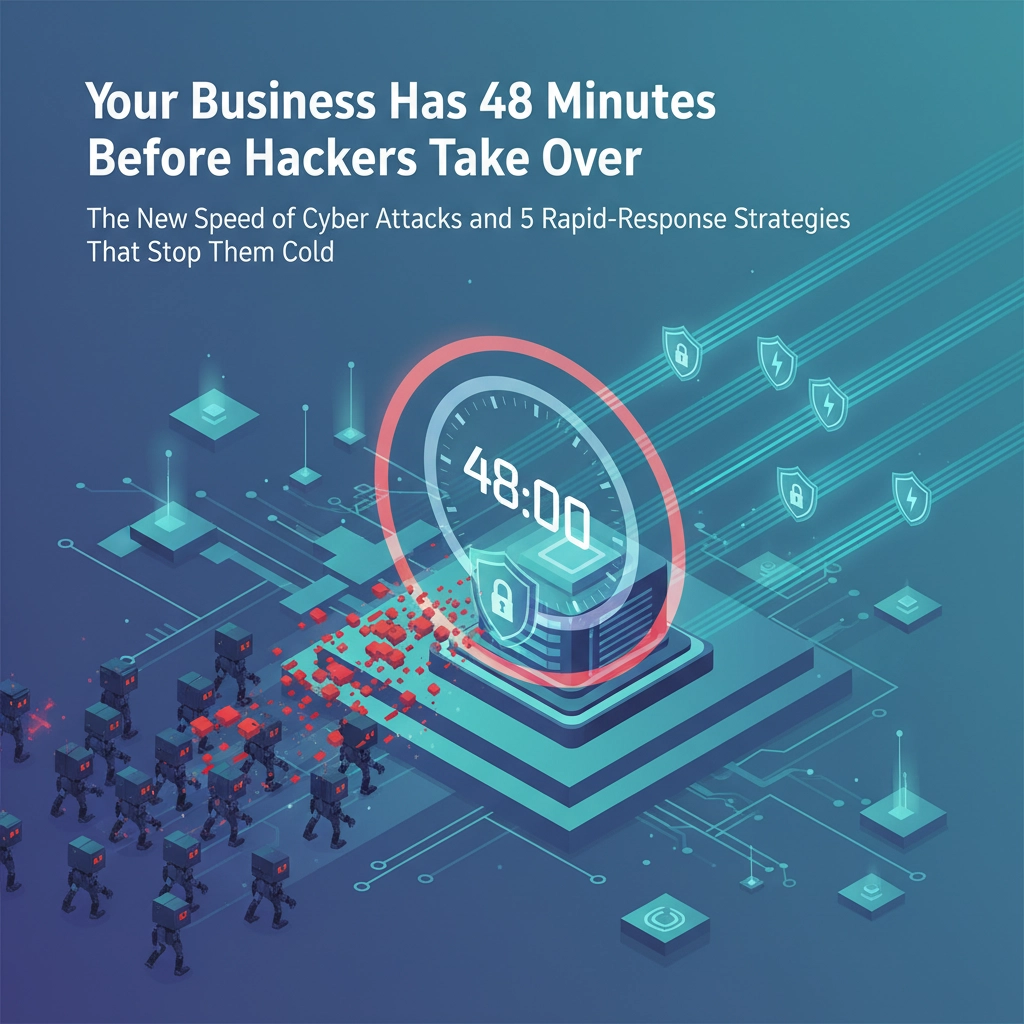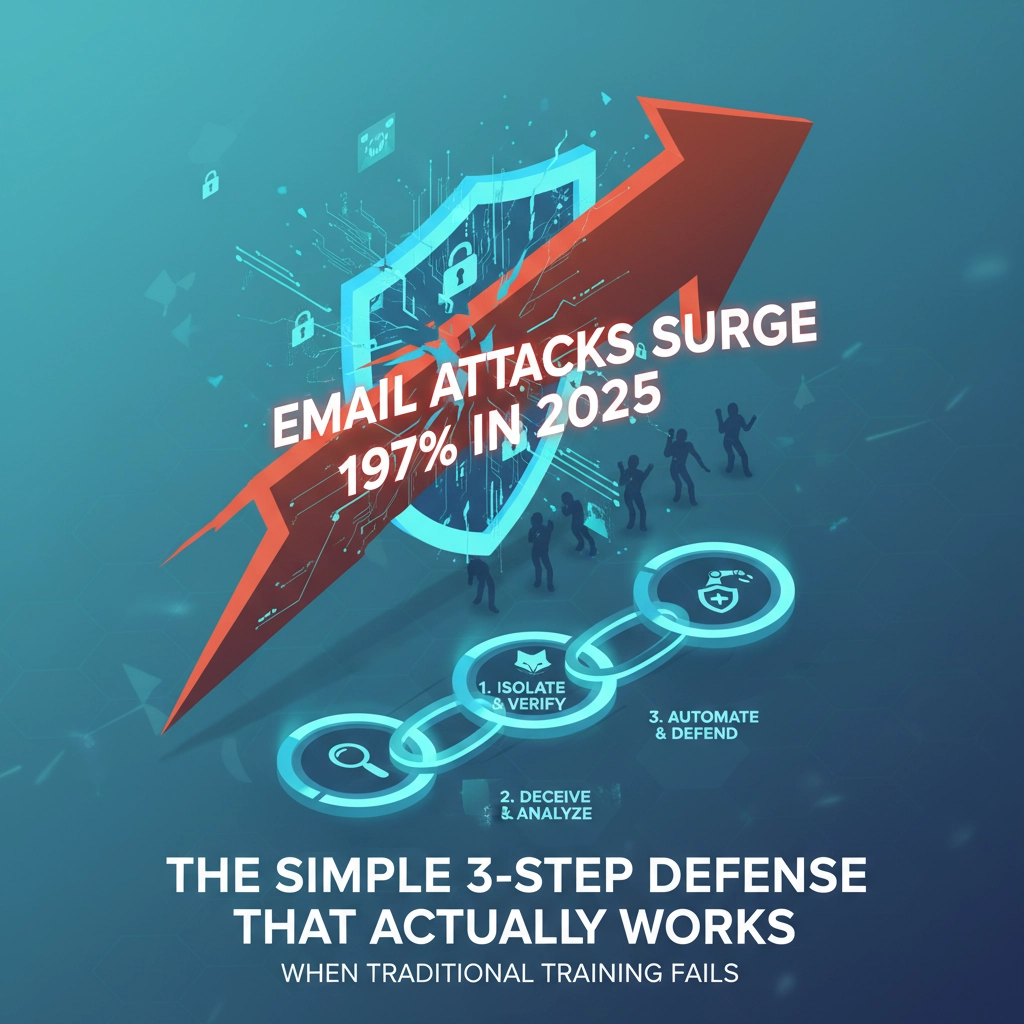
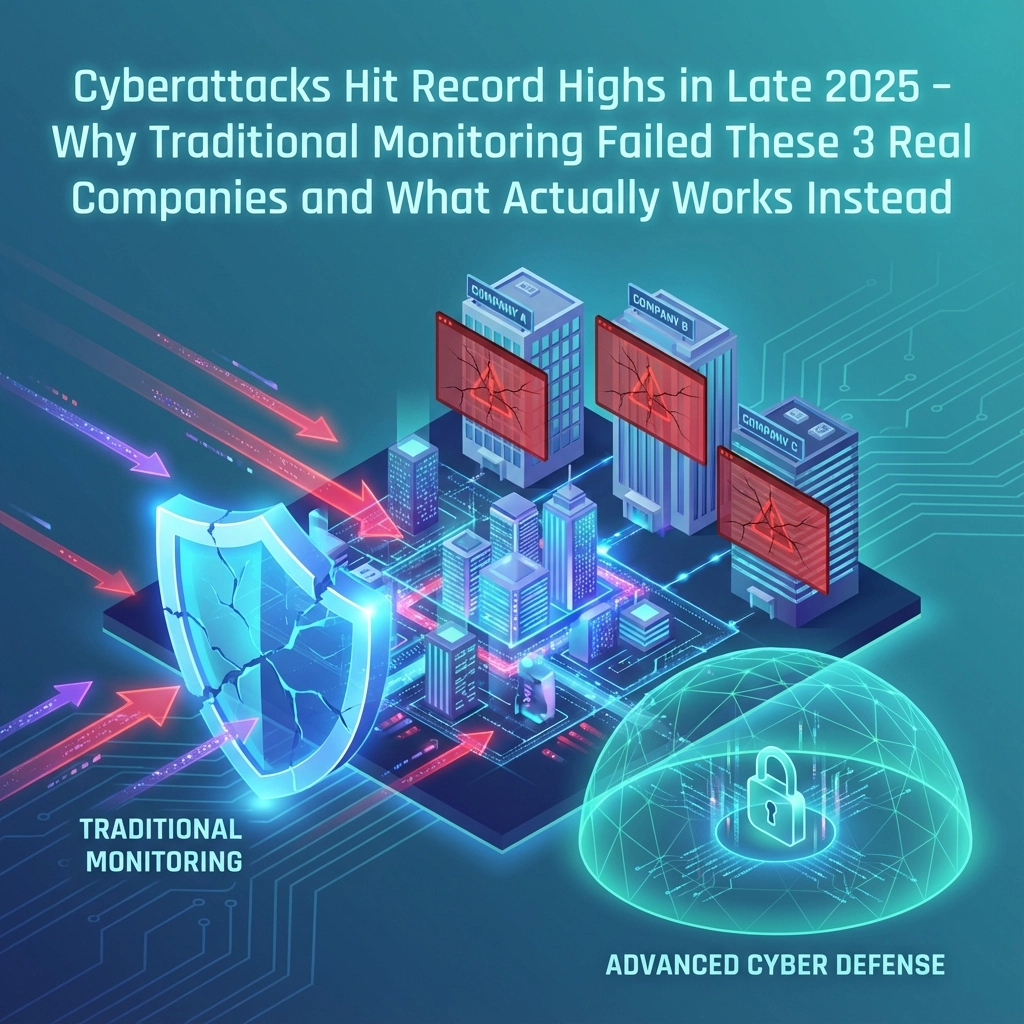
The numbers don't lie. Cyberattacks have reached unprecedented levels in late 2025, with breaches up 75% year-over-year and the average cost hitting $10.22 million per incident in the United States. What's more alarming? Traditional monitoring tools are failing at an alarming rate, leaving even well-funded companies exposed to devastating attacks.
Recent breaches affecting major corporations reveal a troubling pattern: conventional security approaches are no match for today's sophisticated threat actors. Let's examine three real cases from late 2025 that showcase exactly where traditional monitoring breaks down: and what actually works to stop these attacks.
Case Study 1: The Third-Party Platform Trap
In August 2025, a major insurance company with over $10 billion in assets fell victim to what initially appeared impossible. Despite having enterprise-grade firewalls, intrusion detection systems, and 24/7 network monitoring, attackers breached their systems and accessed sensitive customer data for weeks undetected.
What Traditional Monitoring Missed:
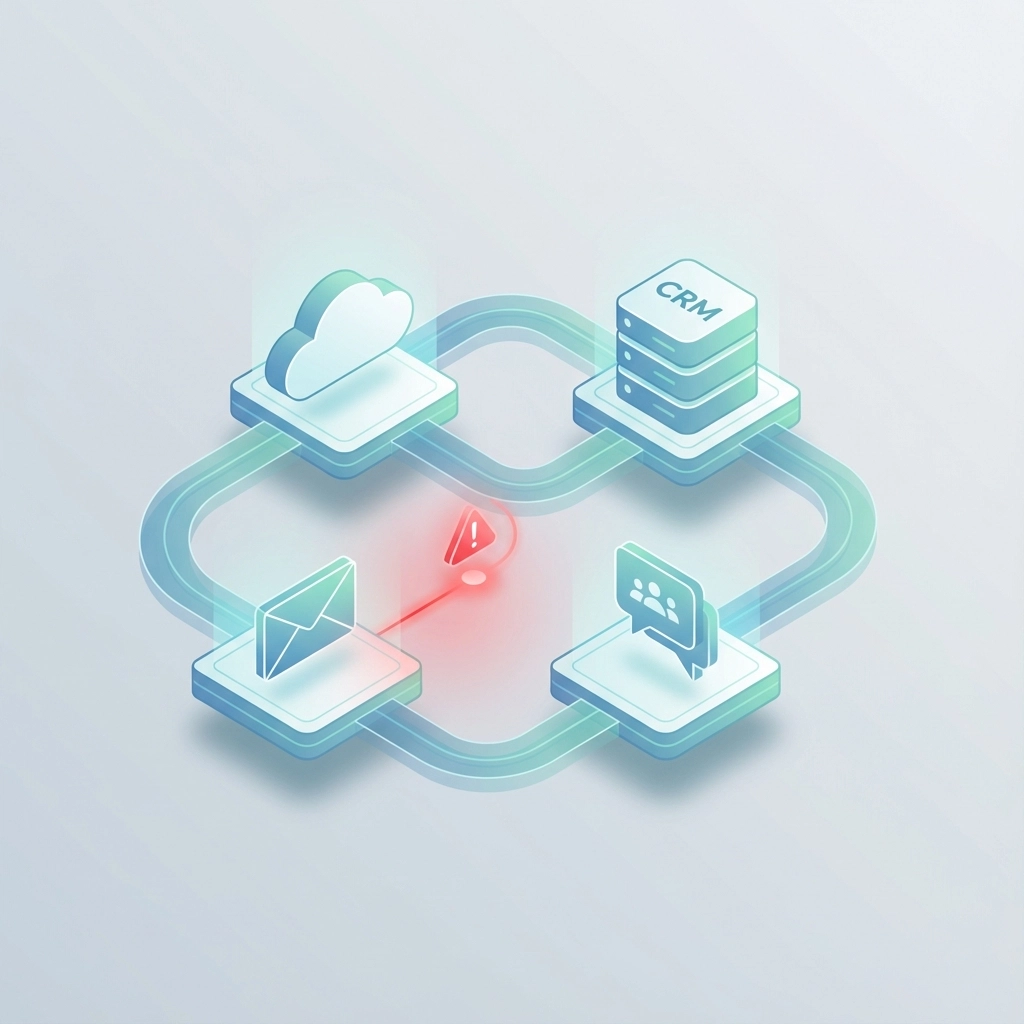
The attackers never touched the company's core network. Instead, they exploited the organization's Salesforce integration through social engineering, convincing an employee to grant elevated access to what appeared to be a legitimate vendor. The breach originated from a trusted third-party platform that traditional network monitoring treated as "safe."
Traditional perimeter-focused security assumed that approved business applications were inherently secure. The monitoring tools watched for unusual network traffic but couldn't detect malicious activity occurring within legitimate business platforms.
The Real Problem: Most SMBs make this same mistake. They monitor their internal networks but have blind spots when it comes to cloud applications and third-party integrations that employees use daily.
Case Study 2: The Public-Facing Application Blind Spot
A mid-sized automotive supplier discovered in September 2025 that attackers had been quietly exfiltrating intellectual property for over four months. Their traditional monitoring setup included endpoint detection, network scanning, and regular vulnerability assessments: yet the breach went completely unnoticed.
Where Traditional Monitoring Failed:
The attackers exploited a subtle vulnerability in the company's customer portal: a public-facing web application. Rather than triggering obvious alarms, they used legitimate-looking queries to gradually extract data. Traditional monitoring tools flagged nothing because the traffic appeared normal and the application functioned as expected.
The security team's focus on network intrusions and malware signatures missed this "living off the land" approach where attackers use normal application features maliciously.
The Critical Gap: According to 2025 breach data, exploitation of public-facing applications accounts for 36% of initial attack vectors. Yet most small businesses still treat their websites and customer portals as "set it and forget it" systems.
Case Study 3: The Credential Harvesting Nightmare

A healthcare organization with robust endpoint protection and network monitoring suffered a devastating breach in late 2025 when attackers accessed over 100,000 patient records. Despite investing heavily in traditional cybersecurity tools, they never saw it coming.
The Traditional Monitoring Failure:
Attackers had harvested legitimate employee credentials through a sophisticated phishing campaign months earlier. When they finally used these credentials, every system recognized them as "authorized users." Traditional monitoring tools saw normal login patterns, regular data access, and typical user behavior.
The breach went undetected because traditional systems monitor for unauthorized access: not authorized users behaving maliciously. Credential harvesting, which now dominates 46% of successful attacks, renders most conventional monitoring ineffective.
What Actually Works: The Modern Detection Framework
These failures reveal why traditional monitoring is obsolete. Here's what actually stops today's attacks:
1. Behavioral Analytics Over Signature Detection
Instead of looking for known threats, modern systems establish baselines of normal user behavior. When a legitimate account suddenly accesses unusual data volumes or connects from unexpected locations, the system flags it immediately.
Practical Implementation for SMBs: Deploy user and entity behavior analytics (UEBA) tools that learn your team's normal patterns. Cloud-based solutions make this affordable for businesses under 100 employees.
2. Third-Party Application Monitoring
Modern security assumes that every connected application is a potential attack vector. This means monitoring not just your network, but how your team uses Salesforce, Microsoft 365, Slack, and other business tools.
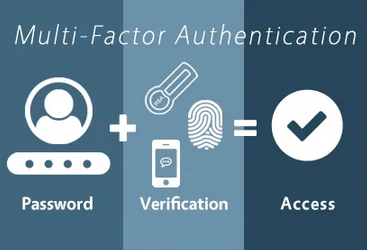
Actionable Step: Audit every cloud application your business uses. Implement single sign-on (SSO) with conditional access policies that monitor for unusual application usage patterns.
3. Application-Layer Security
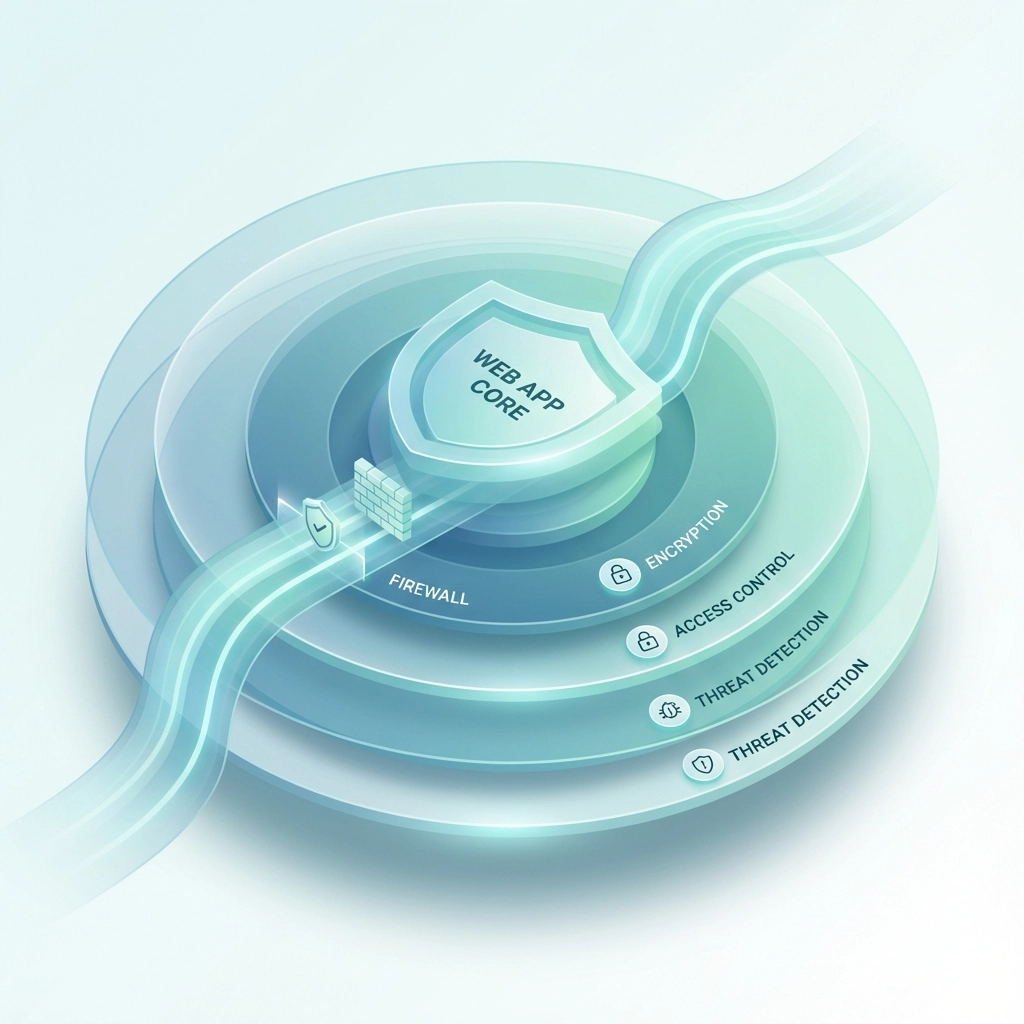
Traditional monitoring watches network traffic. Modern detection analyzes application behavior. If your customer portal suddenly processes unusual database queries or your accounting software accesses files it doesn't normally touch, the system investigates immediately.
SMB Solution: Web application firewalls (WAF) with behavioral analysis capabilities now cost under $200 per month for most small businesses and provide this critical visibility layer.
4. Continuous Credential Monitoring
Rather than waiting for breaches to discover compromised credentials, proactive monitoring checks if your business credentials appear on dark web marketplaces, credential dumps, or breach databases.
Implementation: Services like HaveIBeenPwned for Business or SpyCloud provide ongoing credential monitoring. When employee passwords appear in breaches, you can force resets before attackers use them.
The SMB Reality: Making It Work With Limited Resources
Many small business owners hear "behavioral analytics" and "application monitoring" and assume these solutions require enterprise budgets. That's no longer true.
Start With These Three Priorities:
-
Implement Zero Trust Email Security: Since phishing remains the top attack vector, deploy email security that analyzes sender behavior, not just known malicious domains.
-
Deploy Cloud-Based SIEM: Security Information and Event Management tools are now available as affordable cloud services that aggregate logs from all your systems and applications.
-
Monitor Dark Web Exposure: Automated credential monitoring costs under $10 per employee per month and catches compromised passwords before attackers use them.
The Cost of Waiting
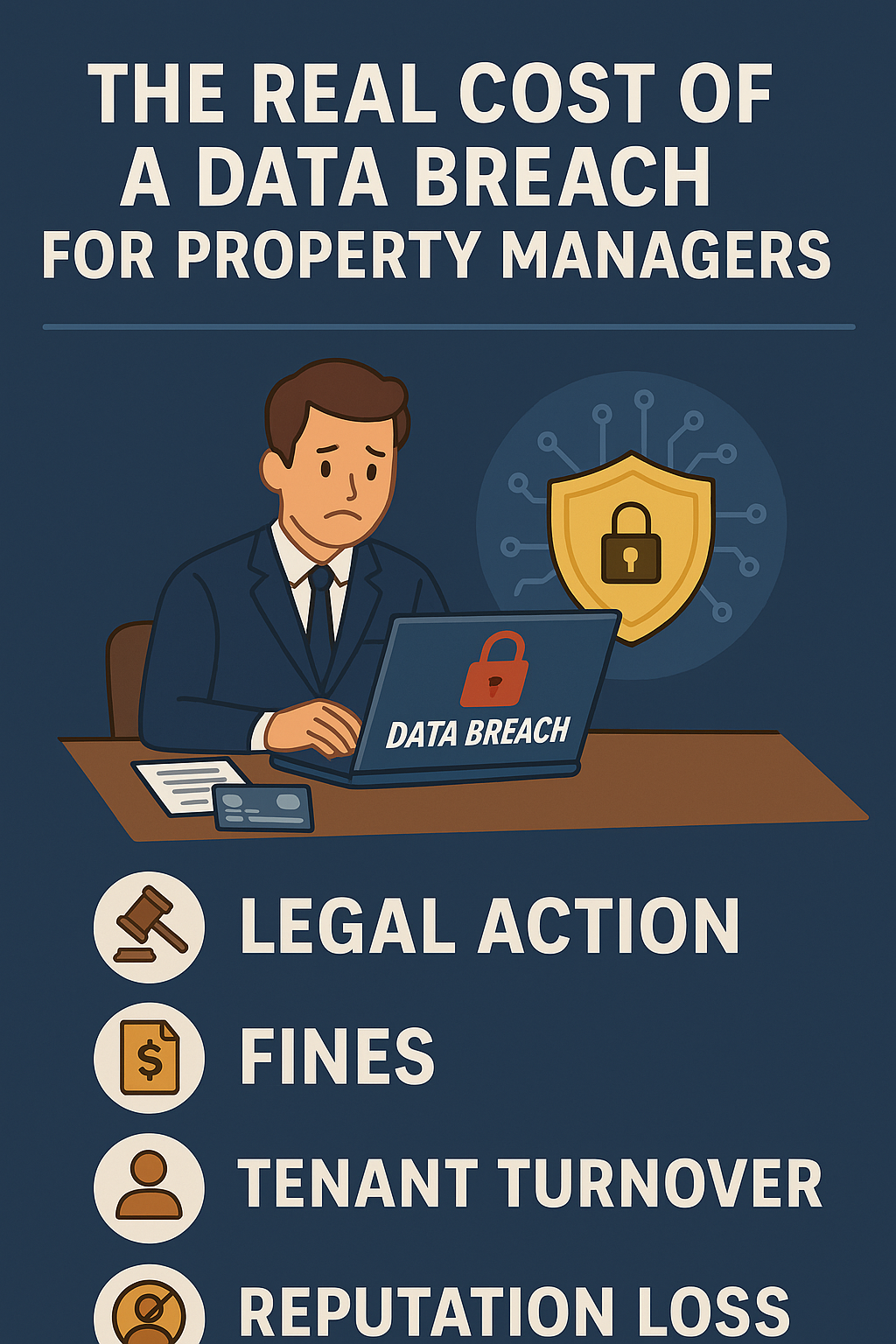
While the average breach costs $10.22 million, small businesses face an even grimmer reality: 60% don't survive a major cybersecurity incident. The companies that thrive are those that abandon reactive, traditional monitoring in favor of proactive, behavior-based detection.
The three cases above demonstrate that traditional monitoring creates dangerous blind spots. Attackers know this and deliberately exploit these gaps. Your business can't afford to hope that perimeter security and antivirus software will protect you against 2025's threats.
Take Action Before You Become a Case Study
Traditional monitoring failed these organizations because it was designed for yesterday's threats. Today's attackers use legitimate credentials, trusted applications, and normal-looking behaviors to stay hidden.
If you're still relying on traditional monitoring approaches, you're not just vulnerable: you're operating with blind spots that modern attackers specifically target.
Ready to discover where your current monitoring might be failing? Contact B&R Computers for a comprehensive monitoring review. We'll identify your blind spots and help you implement detection strategies that actually work against 2025's threats( before you become the next cautionary tale.)