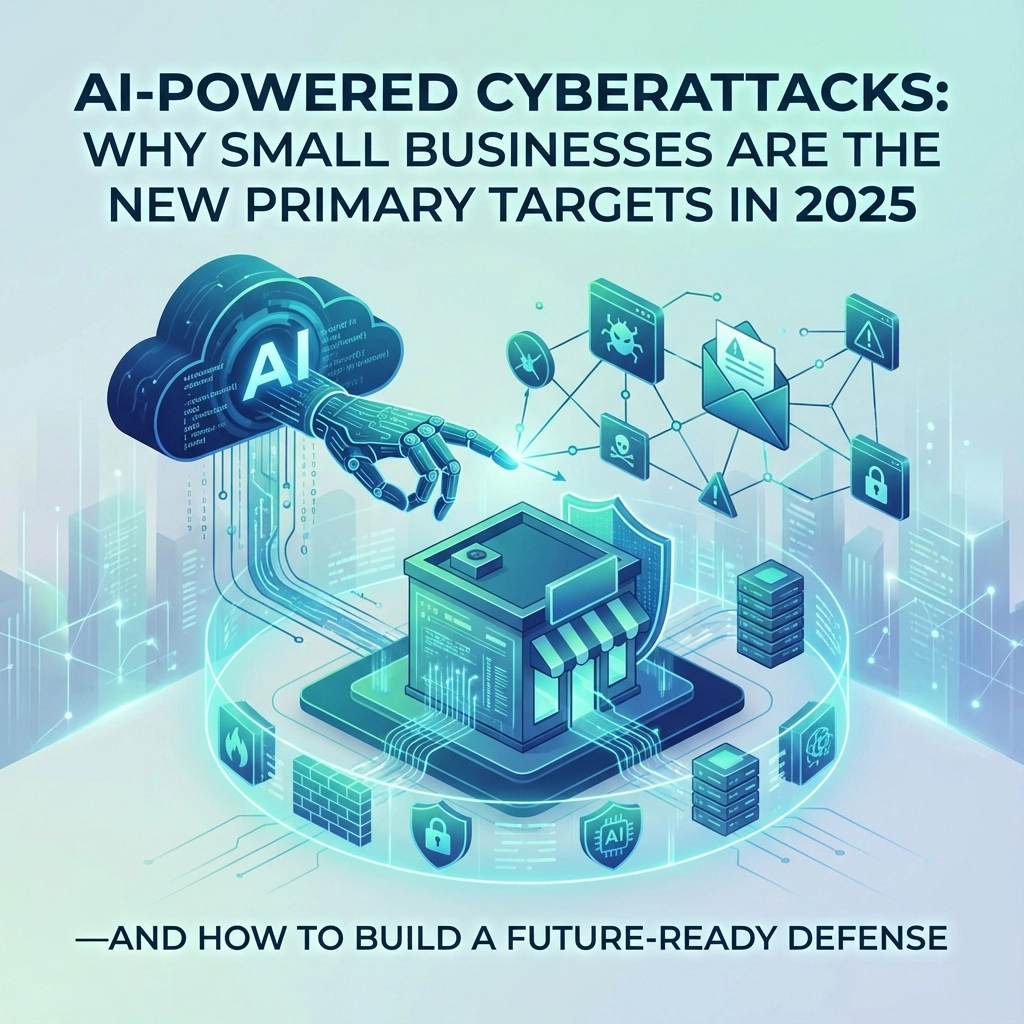
The cybersecurity landscape has fundamentally shifted in 2025, and small businesses are now squarely in the crosshairs. Here's a sobering reality check: 81% of small businesses suffered a security breach or data breach in the past year, with AI-powered attacks identified as the root cause in more than 40% of these incidents.
This isn't just another cybersecurity trend, it's a complete transformation of how cybercriminals operate. AI-enabled attacks have surged 47% globally in 2025, and the financial damage is staggering. We're looking at $193 billion in global costs from AI-driven cybercrime this year alone.
Why Small Businesses Became Target Number One
The Perfect Storm of Vulnerability
Small businesses have become cybercriminals' preferred targets for three key reasons: limited defenses, valuable data, and predictable vulnerabilities.
Think about it from a hacker's perspective. Large corporations have dedicated security teams, million-dollar budgets, and sophisticated monitoring systems. Small businesses? They're running on tight budgets with employees wearing multiple hats, including the reluctant IT hat.
The numbers tell the story:
- Only 20% of small businesses use multi-factor authentication
- Just 17% encrypt their data
- 83% lack phishing awareness training
- 83% have no employee training on AI security risks

The Economics Make Perfect Sense (For Criminals)
Here's what makes this shift so dangerous: 46% of all cyber breaches now impact businesses with fewer than 1,000 employees. Cybercriminals have discovered that small businesses often have the same valuable data as larger companies, customer information, financial records, intellectual property, but with a fraction of the security budget.
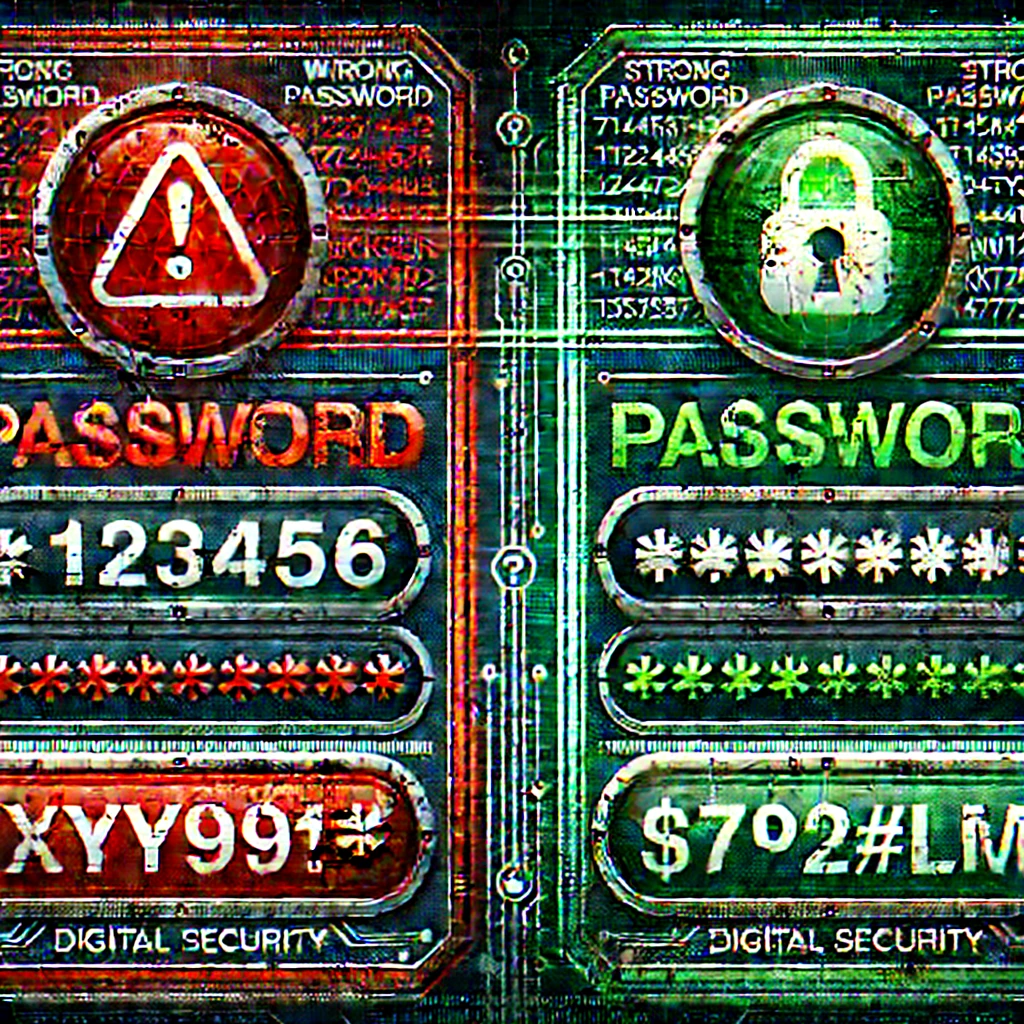
Consider a local accounting firm handling hundreds of tax returns, or a healthcare practice with thousands of patient records. The data is incredibly valuable, but the security might consist of basic antivirus software and passwords like "Password123!"
The Ransomware Reality
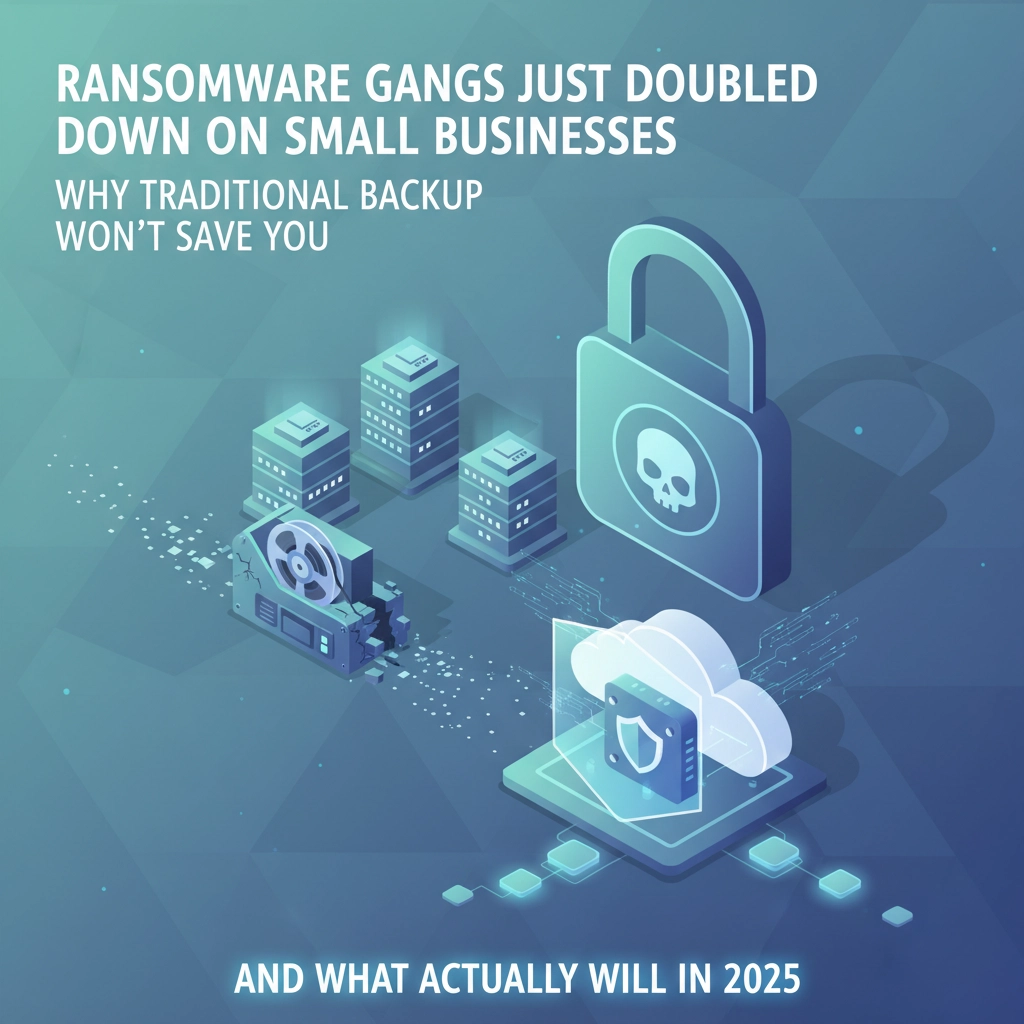
The ransomware statistics for small businesses are particularly brutal. 75% of small businesses say they couldn't continue operating if hit with ransomware, yet only 17% have cyber insurance. When criminals know their target can't survive an attack and has no insurance safety net, the pressure to pay becomes overwhelming.
The harsh truth: 60% of small businesses that suffer a cyberattack shut down within six months.
How AI Changed Everything
Cybercrime Goes Mainstream
AI has democratized cybercrime in a way we've never seen before. Previously, launching sophisticated attacks required years of technical training and coding expertise. Today, criminals with minimal technical skills can create complex malware using AI tools.
A recent case study perfectly illustrates this shift: a threat intelligence researcher with zero malware coding experience successfully used AI to create a fully functional Chrome information stealer. If a researcher can do this as a demonstration, imagine what actual cybercriminals are accomplishing.
The New Phishing Playbook
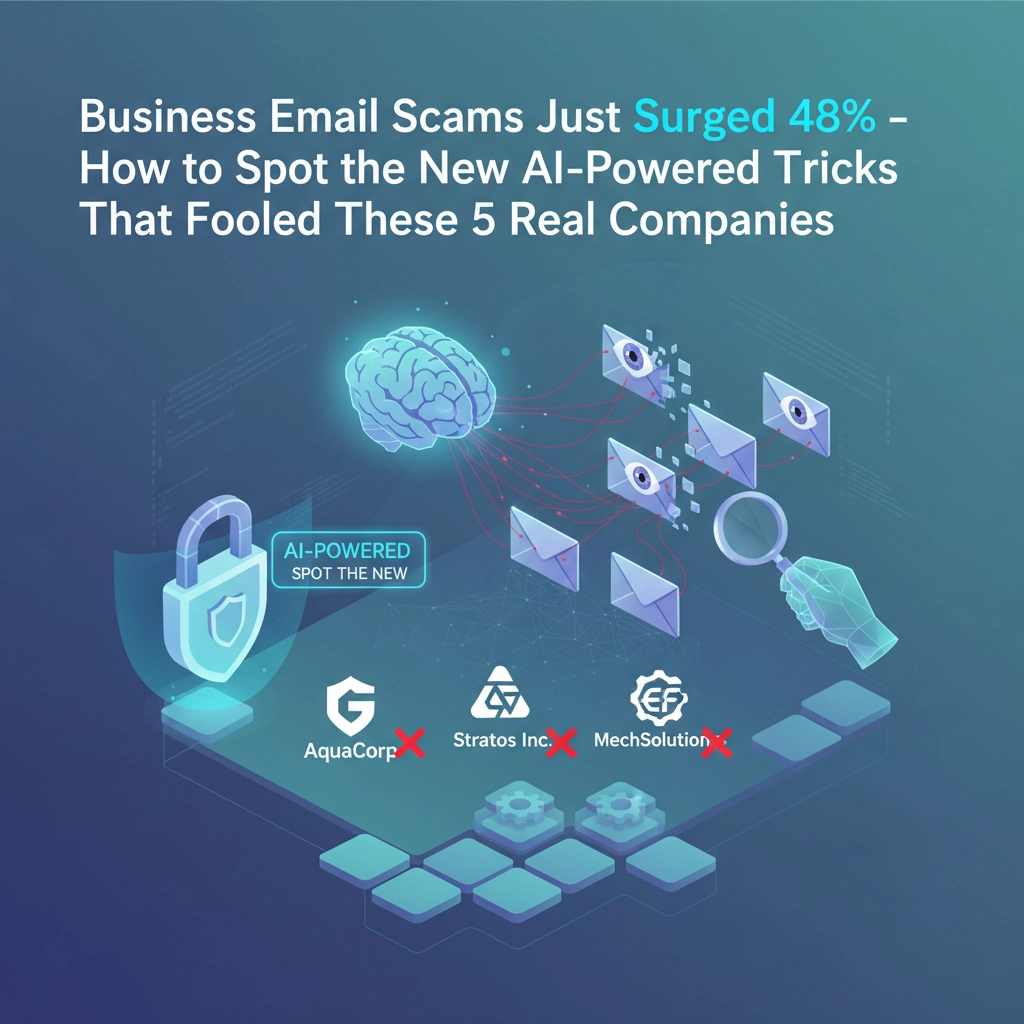
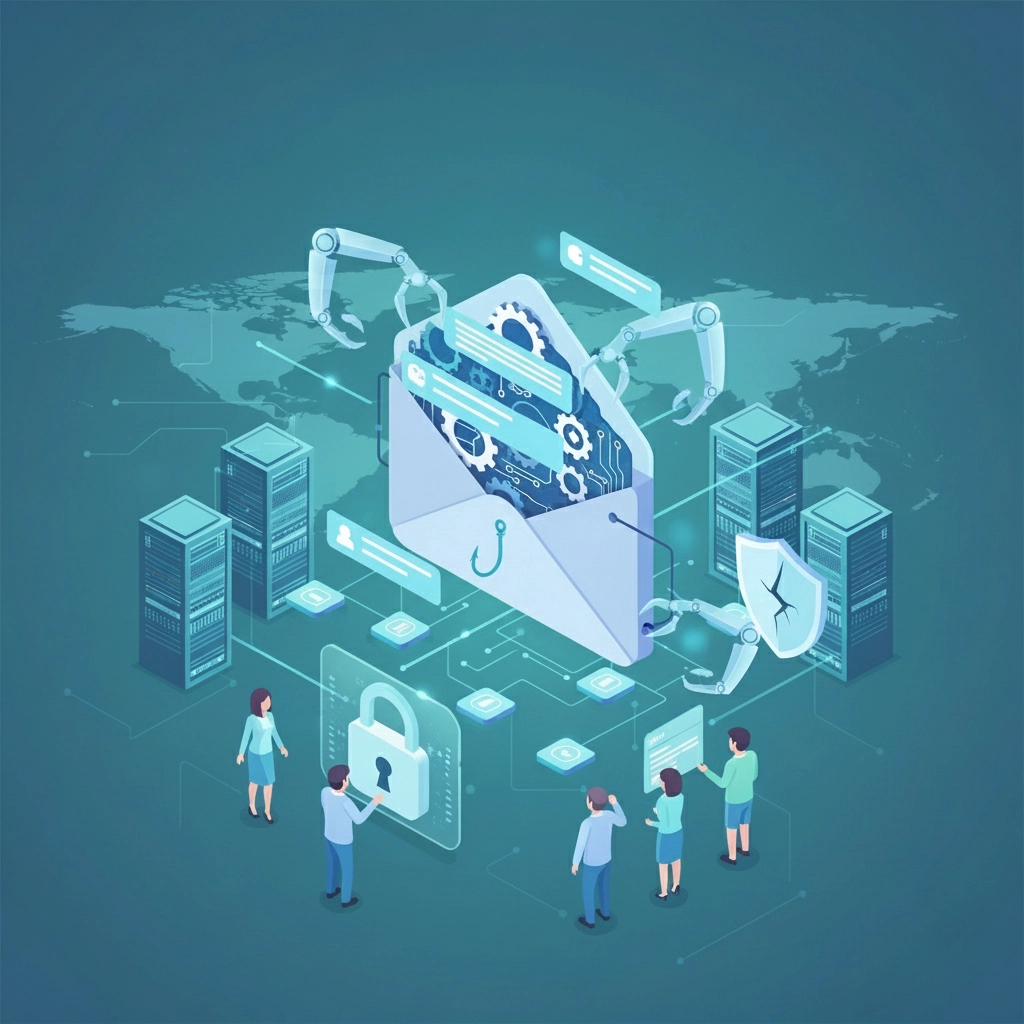
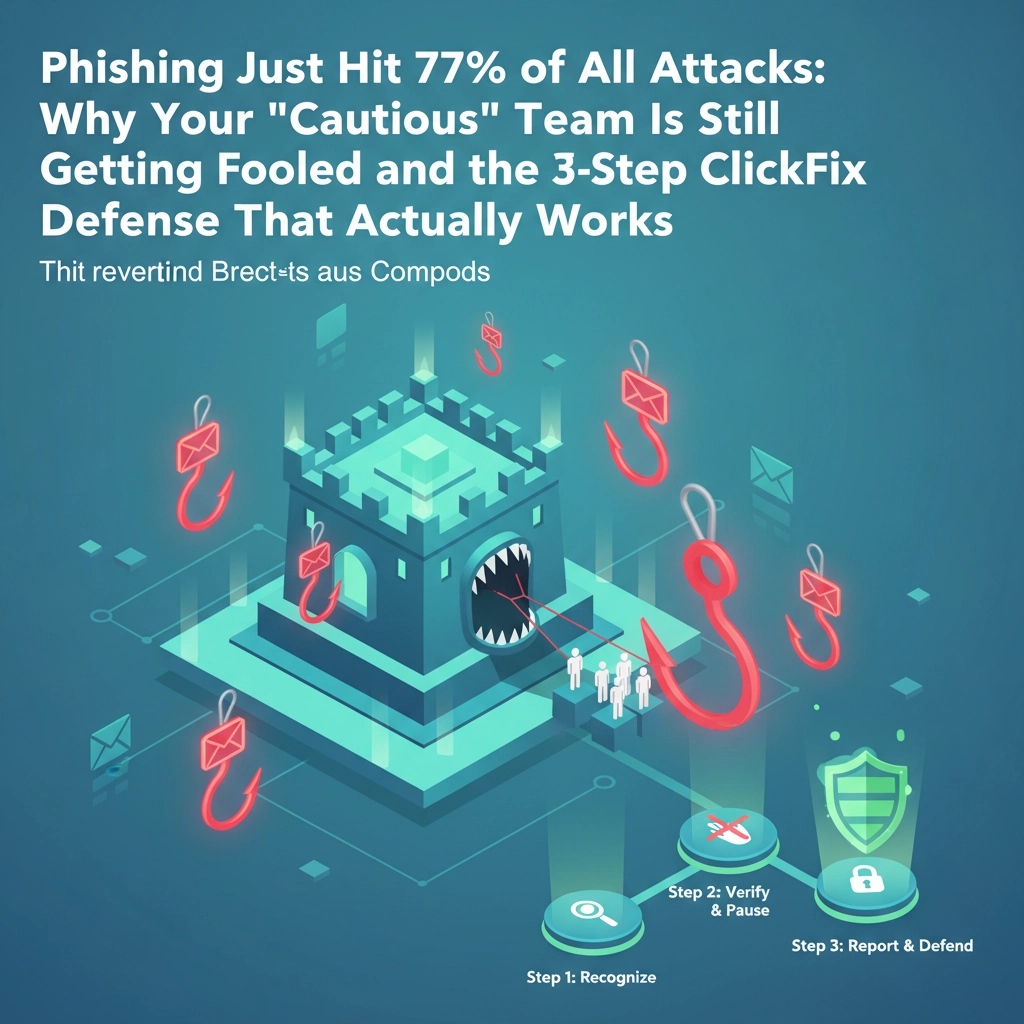
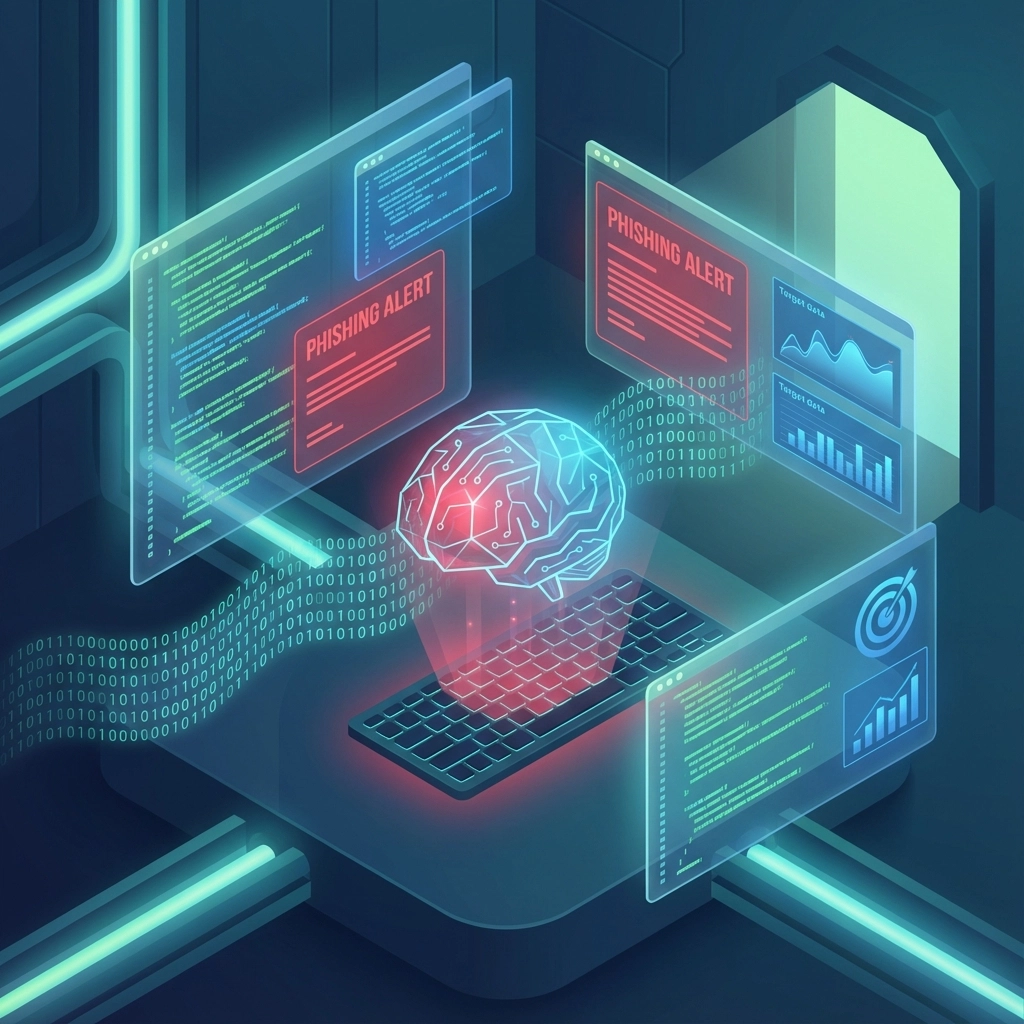
Traditional phishing emails were often easy to spot, poor grammar, obvious scams, generic greetings. AI has changed that completely. 68% of cybersecurity professionals report that AI-generated phishing attempts are harder to detect than ever before.
Modern AI-powered phishing emails:
- Use perfect grammar and professional language
- Reference specific company details gathered from social media
- Mimic the writing style of trusted contacts
- Include believable context about current events or business situations
Social Engineering on Steroids
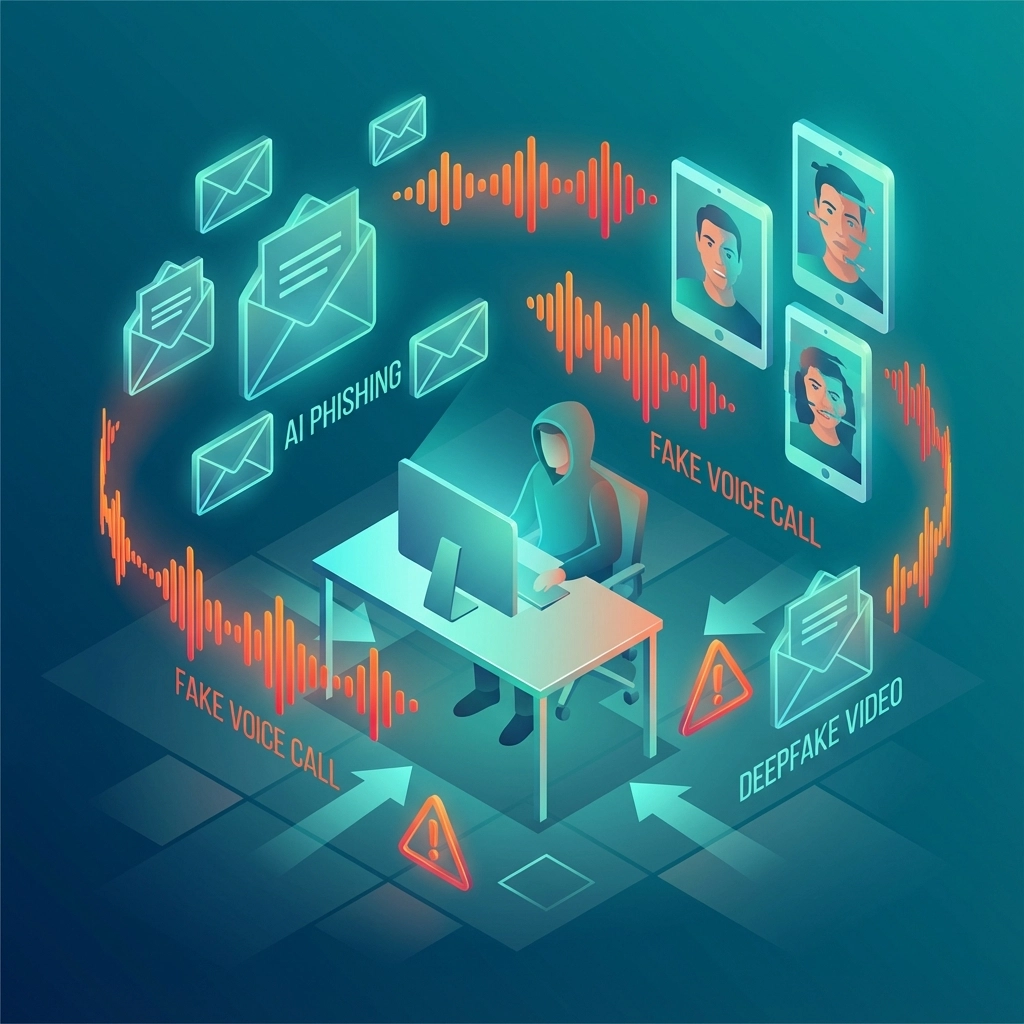
Up to 98% of cyberattacks now involve social engineering, and small business employees face 350% more social engineering attacks than those at larger companies. AI amplifies these attacks by:
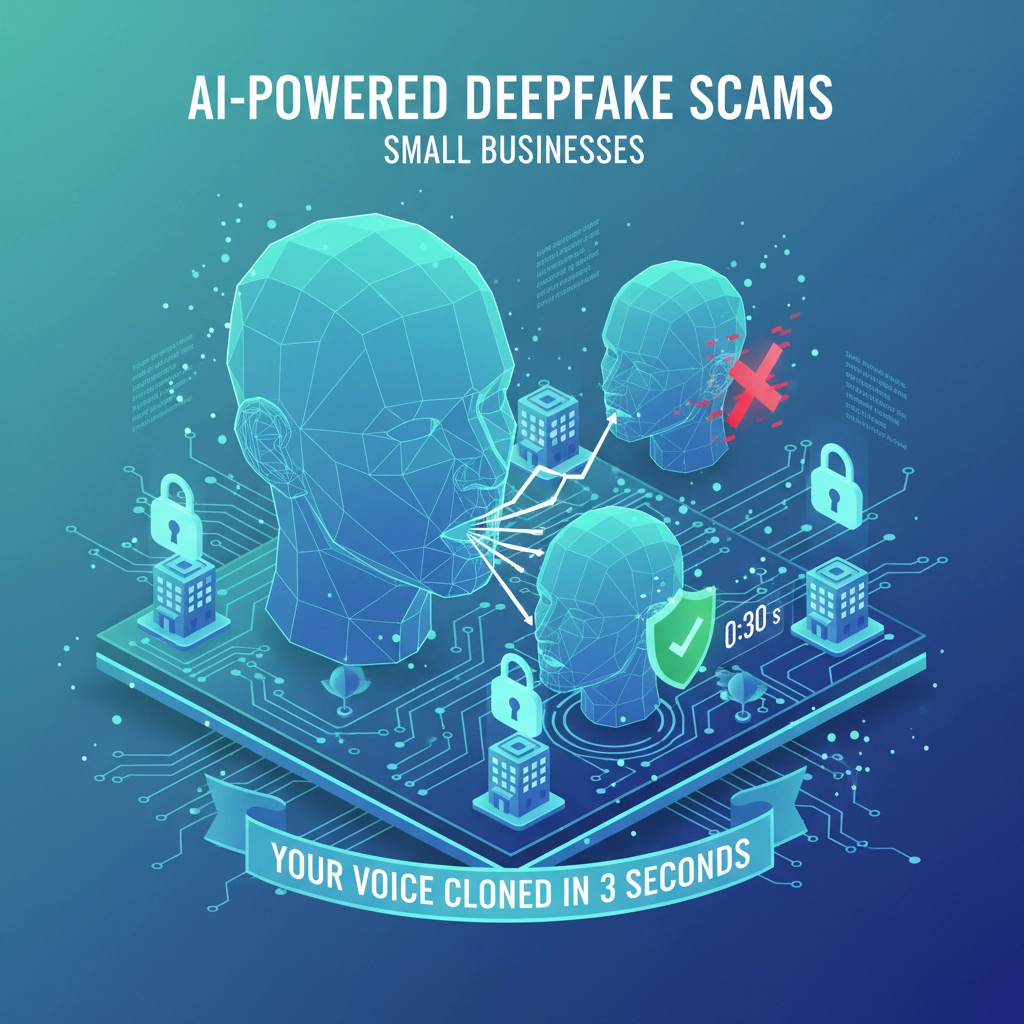
- Creating deepfake voice recordings to impersonate executives
- Generating personalized LinkedIn messages that appear from industry contacts
- Crafting convincing "urgent" emails that bypass normal verification procedures
Real-World Attack Scenarios
The Trusted Vendor Trap
Picture this: Your office manager receives an email from your accounting software provider about a "critical security update." The email looks perfect, correct logos, professional language, even a link to what appears to be the vendor's legitimate website. But it's AI-generated, and clicking that link installs malware that silently monitors your network for months.
The Executive Impersonation
An AI-powered voice clone calls your bookkeeper, perfectly mimicking your voice, asking for an "urgent wire transfer" for a confidential acquisition. The technology is so advanced that it includes your speech patterns, favorite phrases, and even background noise from your typical office environment.
The Customer Emergency
A seemingly panicked customer calls about a billing issue, providing just enough real information (gathered from data breaches) to seem legitimate. While your team focuses on "helping" this customer, AI-powered tools are probing your network for vulnerabilities.
Building Your Future-Ready Defense (Without Breaking the Bank)
Start with the Foundation
Multi-Factor Authentication Everywhere
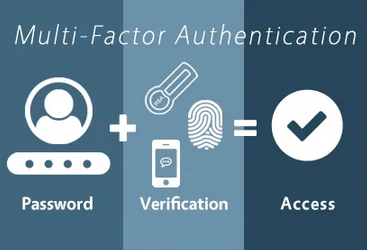
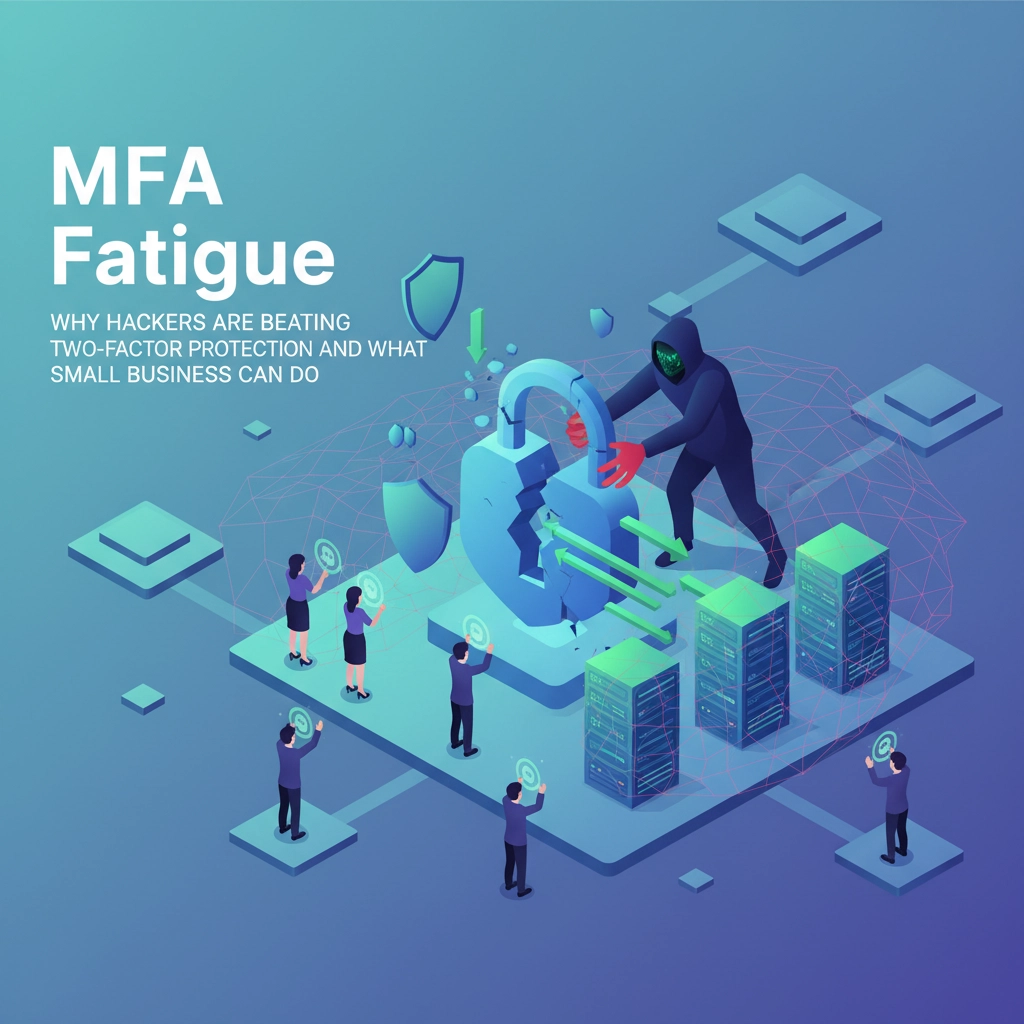
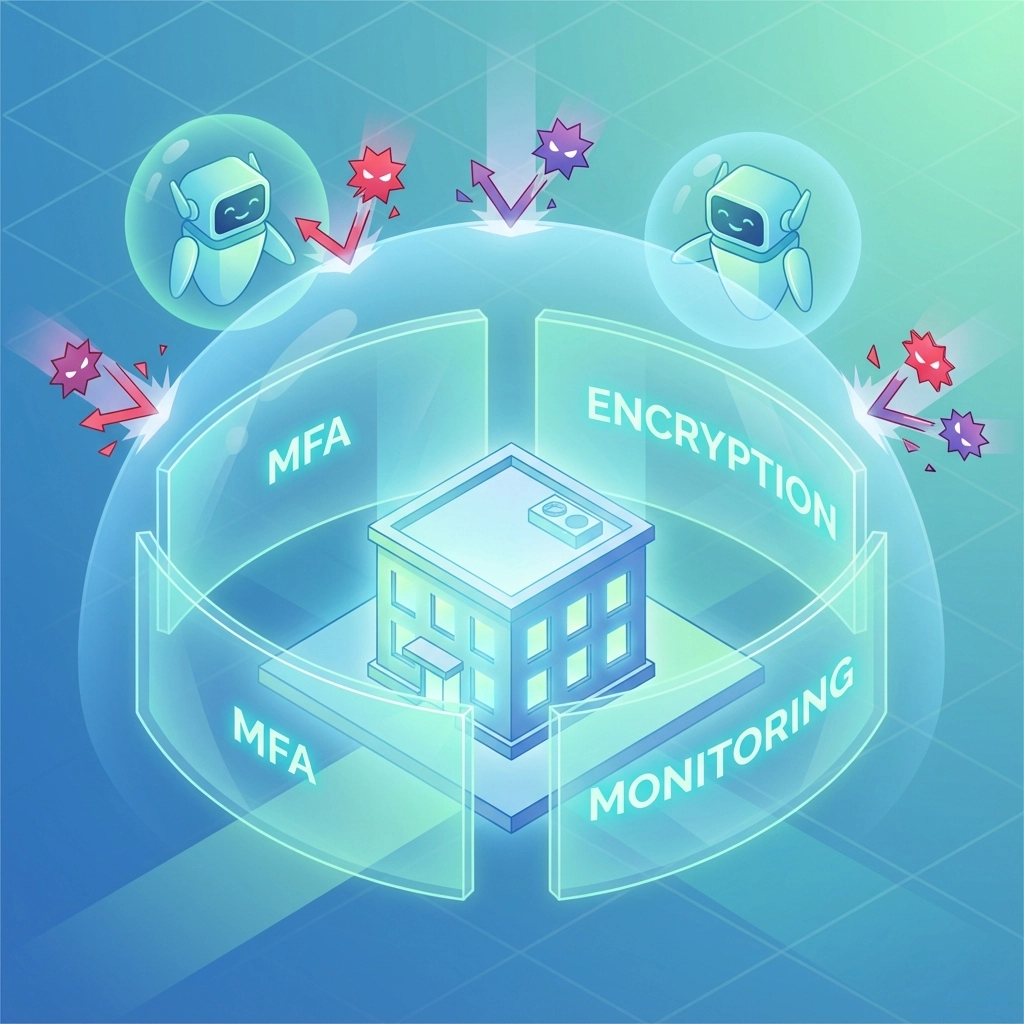
This is non-negotiable. Implement MFA on every system that supports it, email, banking, software applications, cloud storage. Yes, it's one more step, but it prevents 80% of credential-based attacks.
Data Encryption
Encrypt data both at rest and in transit. If criminals steal encrypted data, it's worthless without the encryption keys. Cloud storage services often include encryption options that cost nothing to enable.
Regular Backups with a Twist
Follow the 3-2-1 rule: three copies of important data, on two different media types, with one copy stored offline. Test your backups monthly: many businesses discover their backup system failed only after they need it.
Human-Centered Security
AI-Aware Training
Traditional cybersecurity training isn't enough anymore. Your team needs to understand AI-powered threats specifically:
- How to spot AI-generated emails
- Why voice verification isn't reliable anymore
- How to verify unusual requests through multiple channels
Create a Security Culture
Make cybersecurity everyone's responsibility, not just the "tech person's" job. Encourage employees to report suspicious activities without fear of blame. Many successful attacks are stopped by alert employees who noticed something unusual.
Regular Phishing Simulations
Run monthly phishing tests using AI-generated emails. This isn't about catching people making mistakes: it's about building organizational immunity to these attacks.
Smart Technology Investments
AI-Powered Monitoring
You don't need enterprise-level budgets for AI-powered security. Many modern security solutions use AI to detect unusual network behavior, unauthorized access attempts, and potential malware infections in real-time.
Email Security Upgrades
Invest in advanced email security that can detect AI-generated phishing attempts. Look for solutions that analyze writing patterns, verify sender authenticity, and flag suspicious attachments.
Endpoint Detection and Response
Instead of relying solely on antivirus software, implement endpoint detection systems that monitor for suspicious behavior patterns across all your devices.
Operational Security Measures
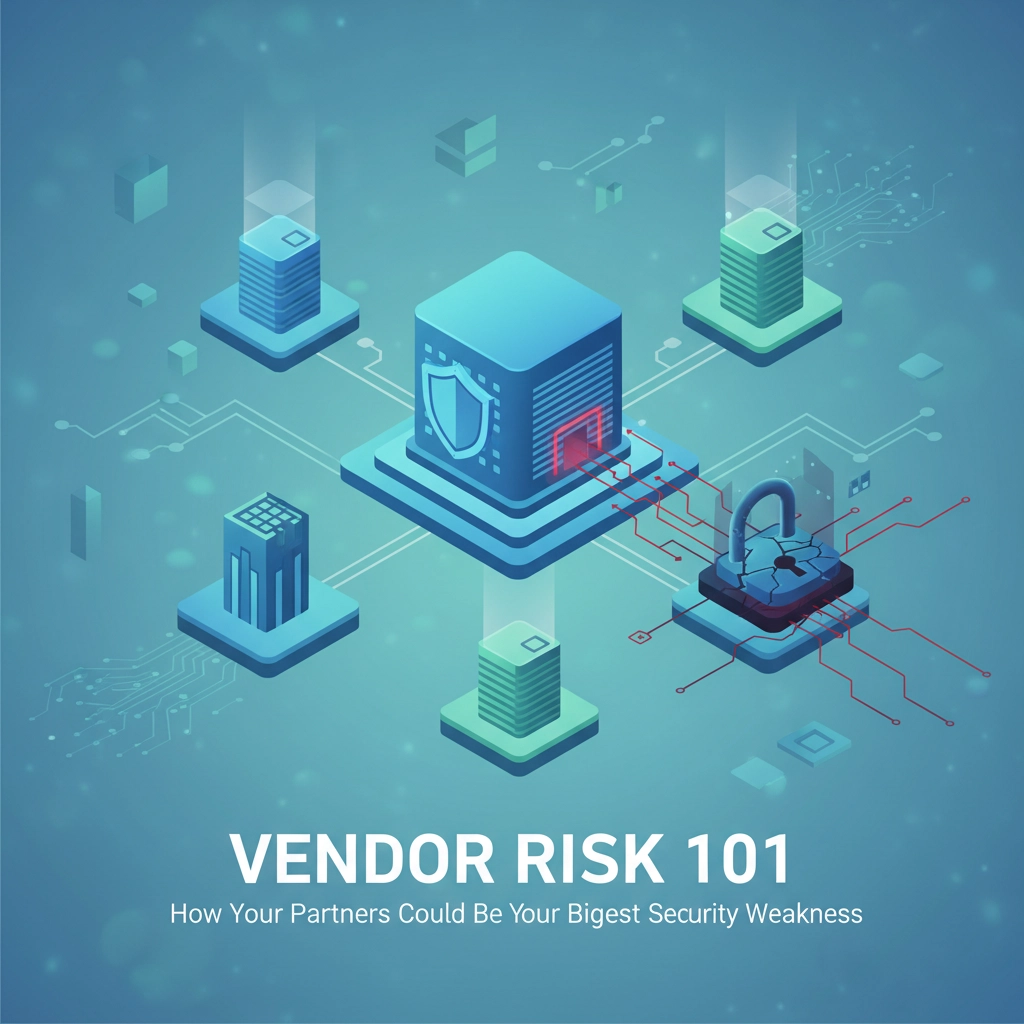
Vendor Risk Management
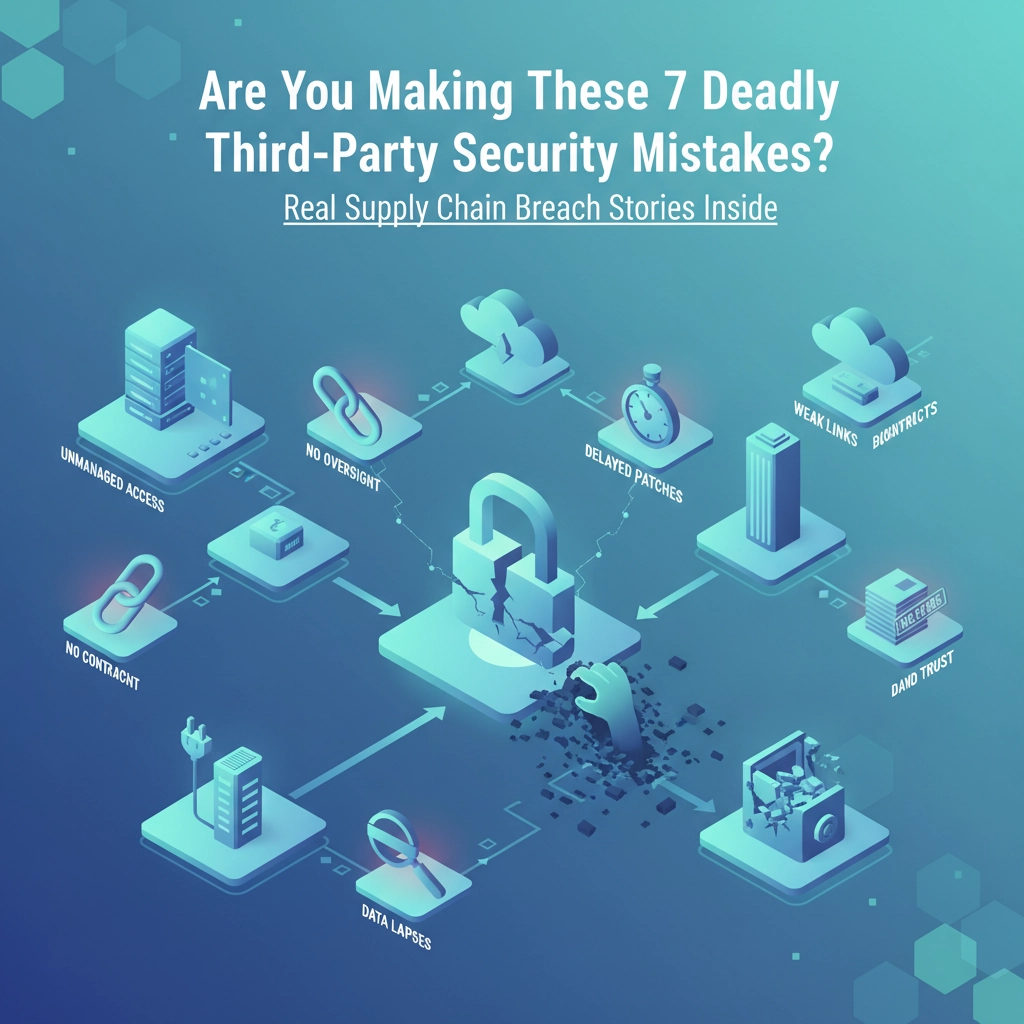
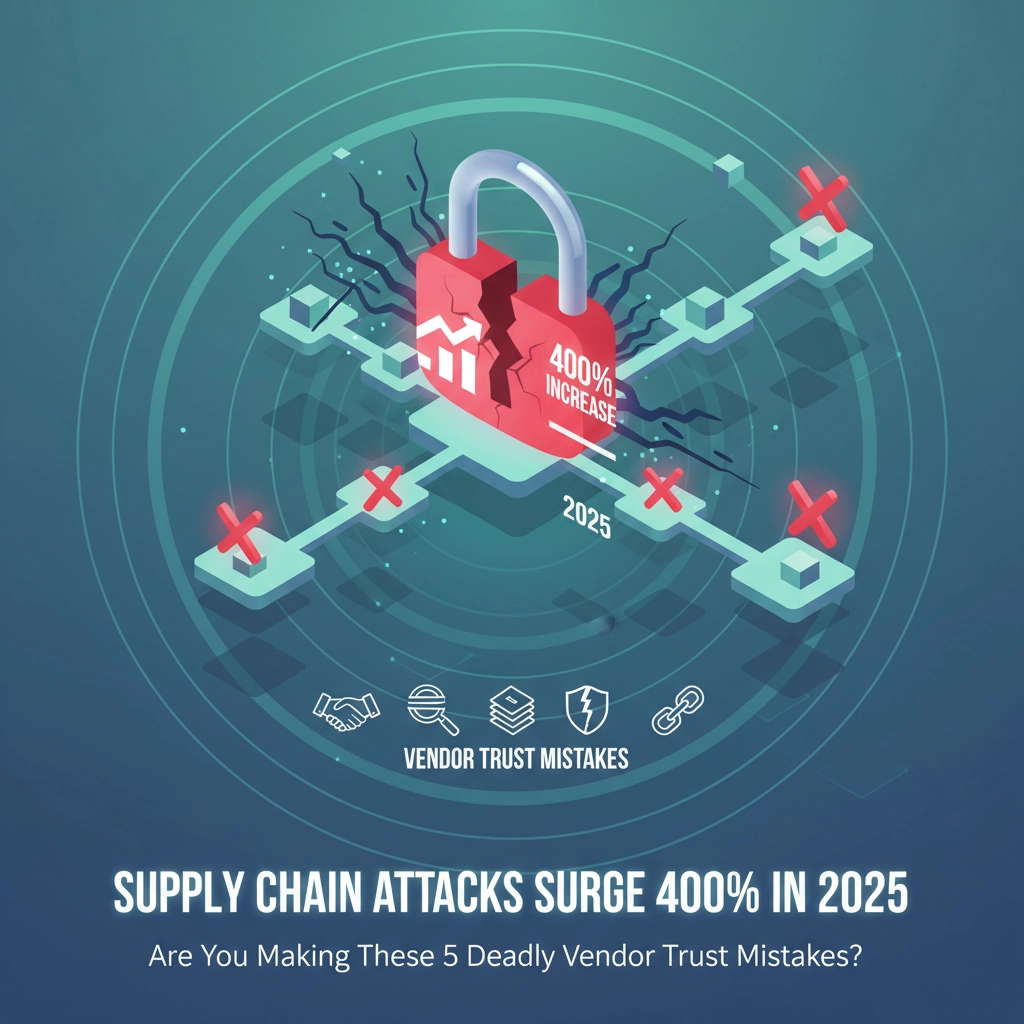
Since 59% of small businesses experience breaches through third parties, carefully evaluate every vendor's security practices. Include cybersecurity requirements in vendor contracts.
Incident Response Planning
Create a simple incident response plan. Who do you call? How do you isolate infected systems? What's your communication strategy? Having a plan reduces panic and speeds recovery.
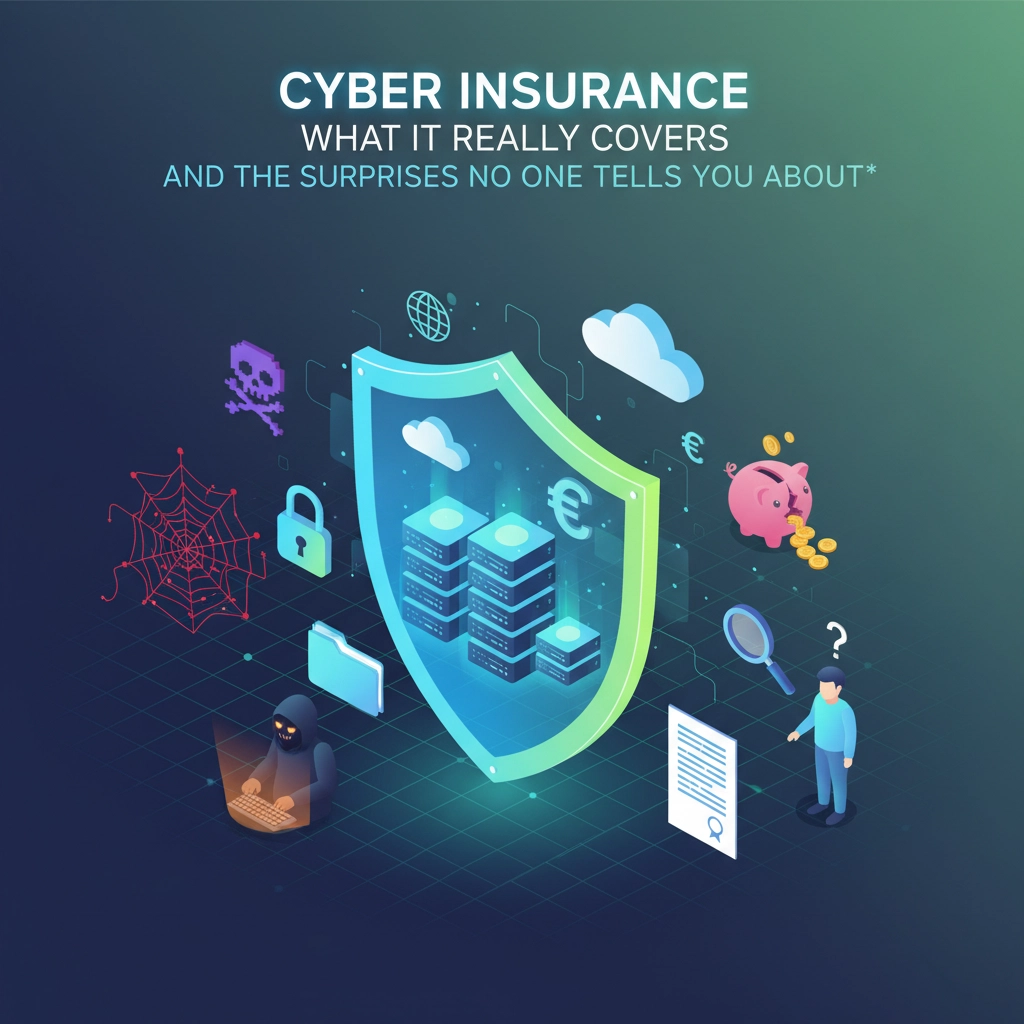
Cyber Insurance
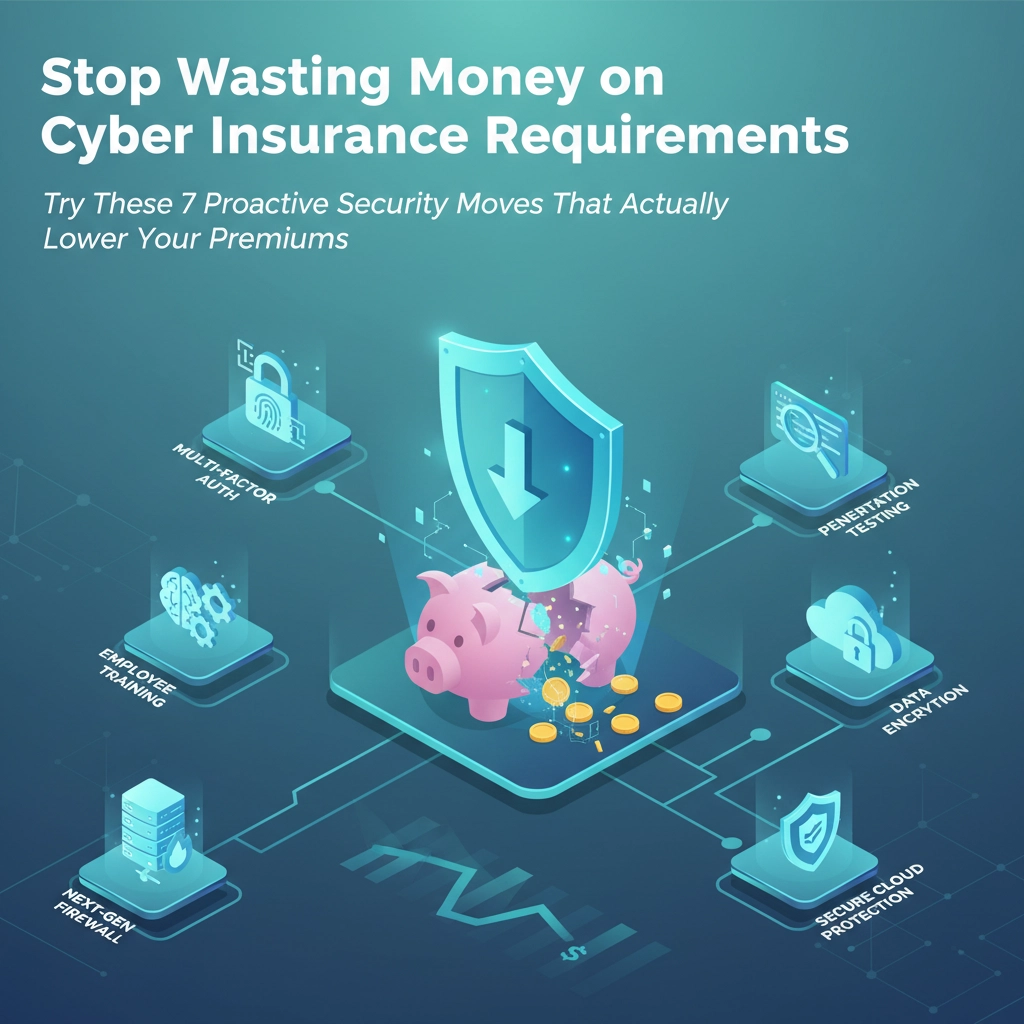
Given that 75% of small businesses can't survive a ransomware attack, cyber insurance isn't optional: it's essential business continuity planning.
The Budget-Conscious Approach
You don't need unlimited resources to build effective defenses. Prioritize these investments:
- Immediate (Under $500/month): MFA implementation, employee training, basic backup solutions
- Short-term (Under $2,000/month): Advanced email security, endpoint protection, cyber insurance
- Medium-term (Under $5,000/month): AI-powered monitoring, professional security assessments, comprehensive incident response planning
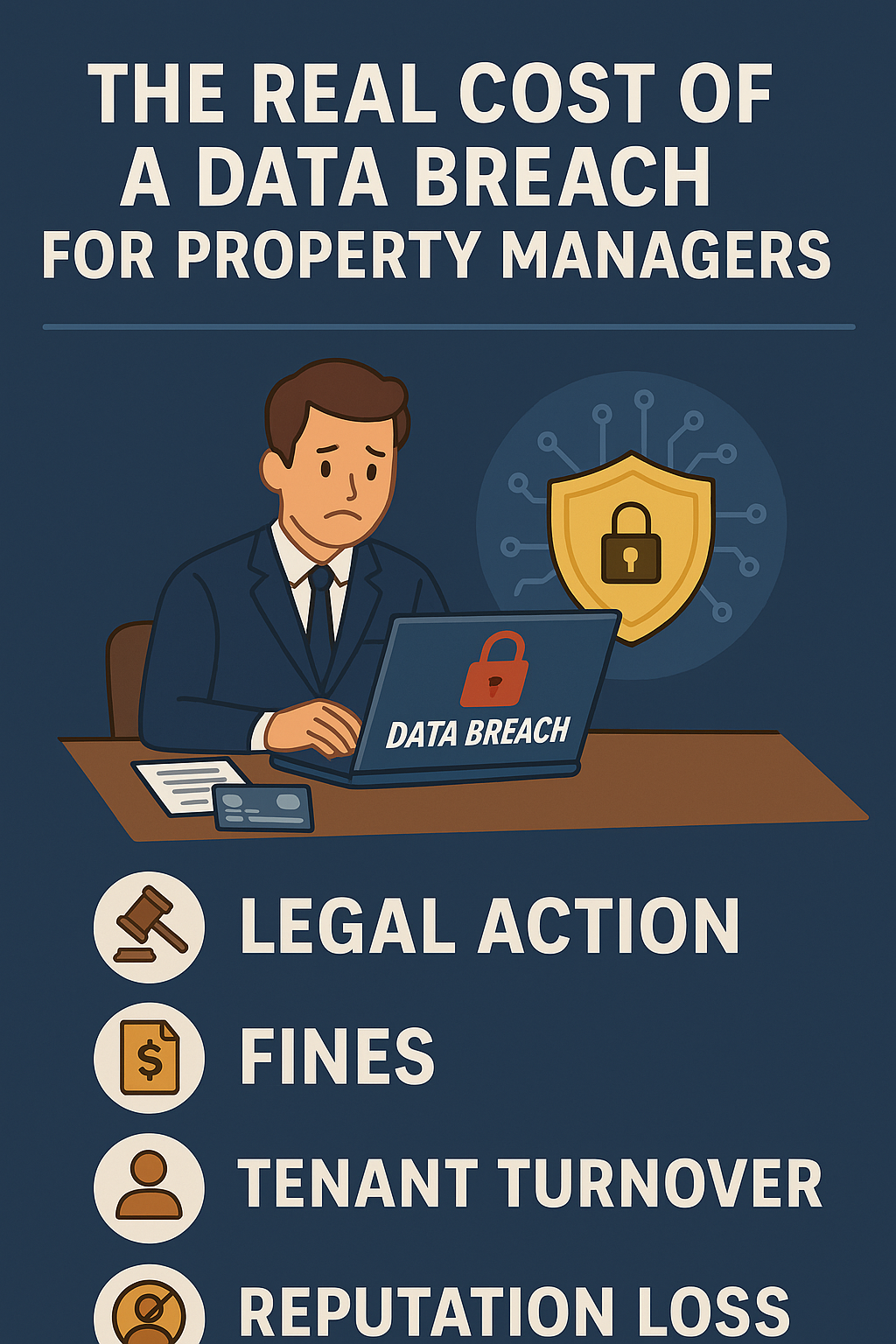
Remember: the average cost of a data breach for small businesses is $3.31 million. Even significant security investments pay for themselves by preventing a single successful attack.
The Path Forward
The AI-powered cyberthreat landscape isn't going away: it's accelerating. Small businesses that treat cybersecurity as an afterthought are essentially playing Russian roulette with their company's survival.
But here's the encouraging news: small businesses that implement comprehensive security measures can actually become harder targets than larger companies with complex, poorly managed systems. Your size can become an advantage when every employee understands the threats and every system is properly secured.
The question isn't whether you can afford to invest in cybersecurity: it's whether you can afford not to.
Ready to assess your current security posture? Our cybersecurity experts provide comprehensive risk assessments specifically designed for small businesses. We'll identify your most critical vulnerabilities and create a budget-conscious action plan to protect your business from AI-powered threats. Contact B&R Computers today to schedule your complimentary security consultation and take the first step toward a future-ready defense strategy.