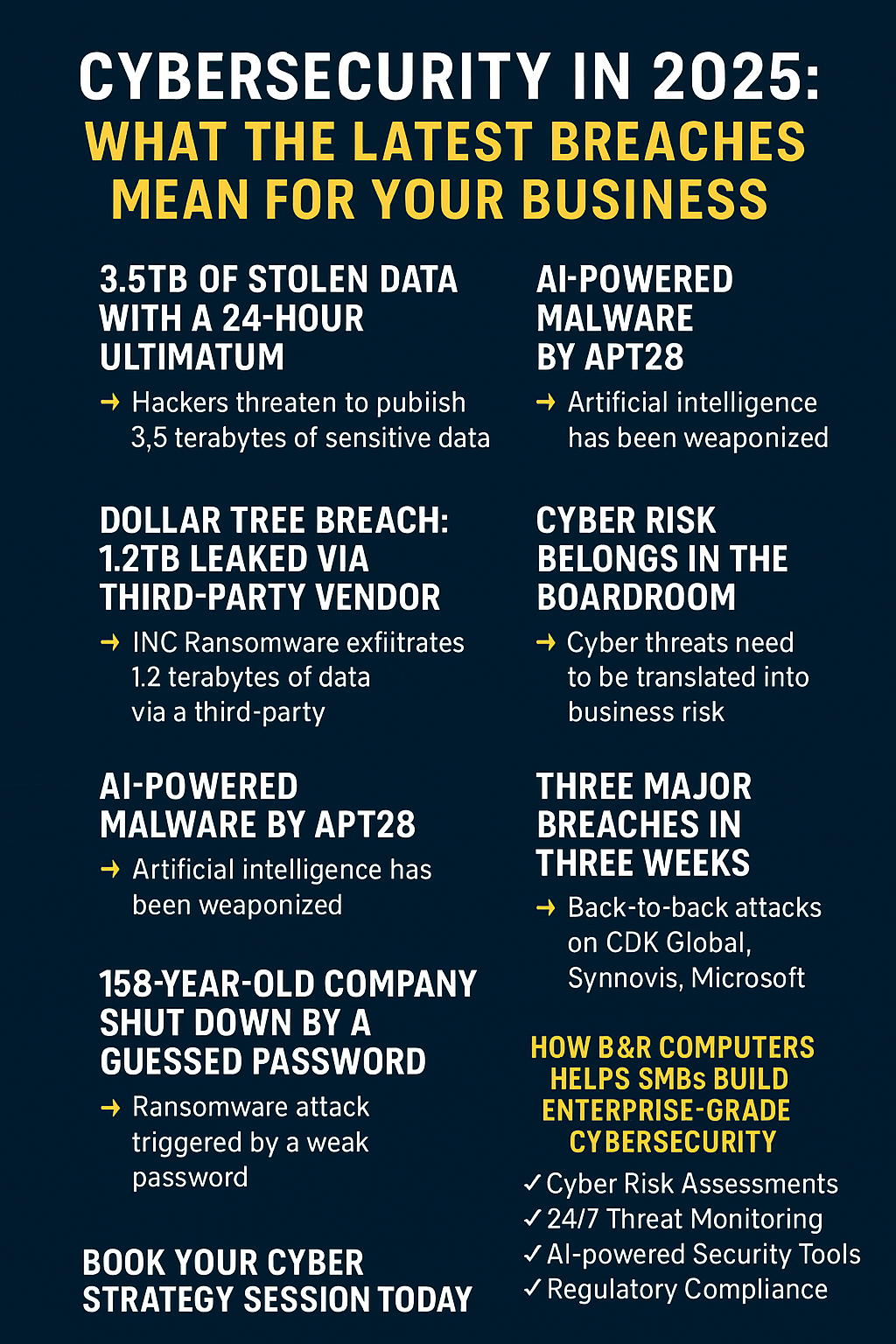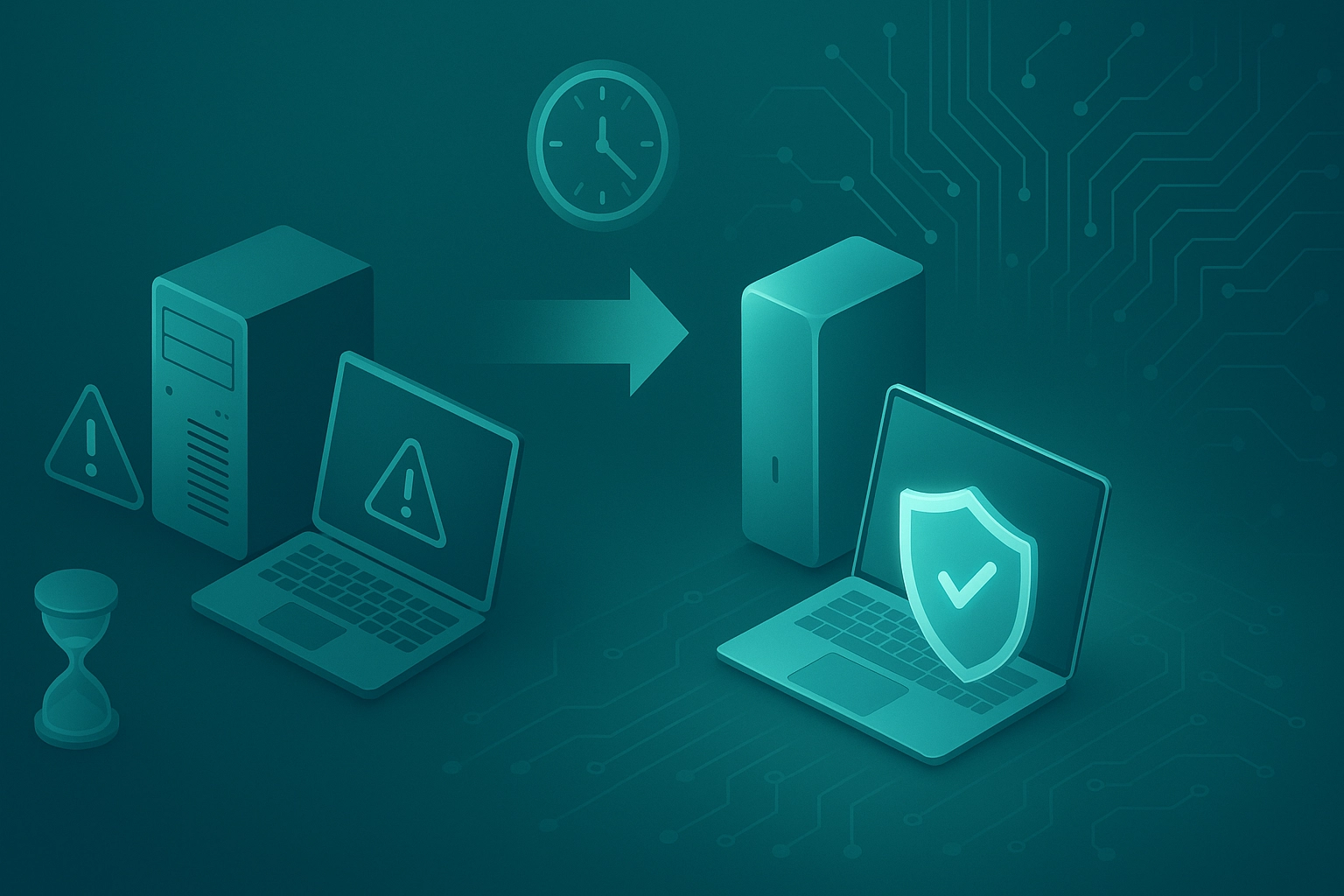
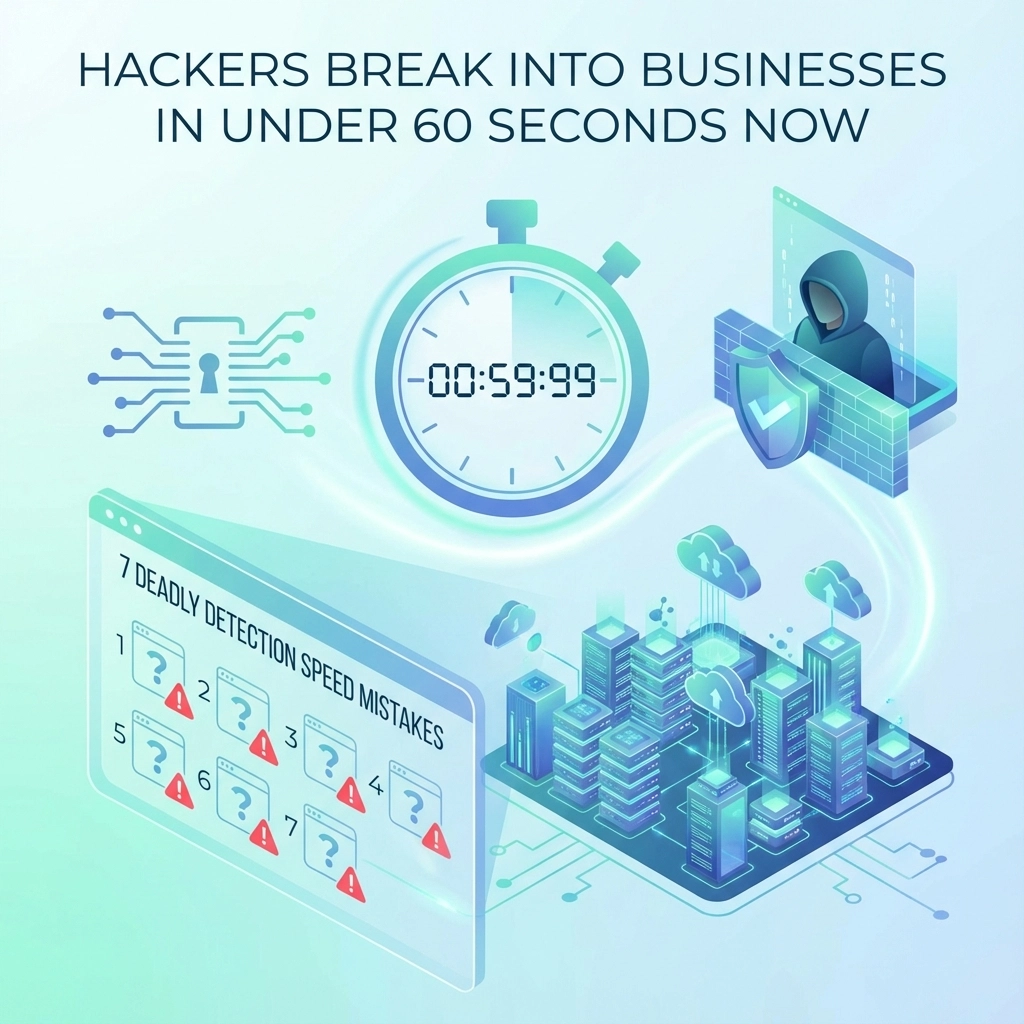
Cyberattacks now hit businesses every 39 seconds. That's faster than most people can read this sentence. Yet the average company takes 194 days to detect they've been breached.
This detection gap isn't just a statistic: it's costing businesses millions and destroying reputations while attackers operate freely inside compromised networks for months.
The Brutal Math of Detection Speed
Here's what's happening right now: Hackers are moving at machine speed while most businesses detect threats at human speed. The global median "dwell time": how long attackers stay undetected in your system: is 10 days. But that's the median. Many businesses discover breaches after 6-9 months.
Financial companies average 177 days to identify breaches. Entertainment businesses? 287 days. During this time, attackers are mapping your network, stealing data, and often selling your information on the dark web before you even know they're there.
The cost difference is staggering. Companies that identify and contain breaches in under 200 days save over $1 million compared to those taking longer. Speed isn't just about security: it's about survival.
Mistake #1: The Overconfidence Trap
74% of businesses claim they can detect and respond to cyberattacks in real time. The reality? Only 26% of leaders actually believe they could recognize and respond to a major attack within a day.
This dangerous disconnect creates a false sense of security. Your security team might feel confident, but when a real attack happens, that confidence evaporates quickly. Most leaders (54%) admit it would actually take 1-7 days to respond effectively.
Small businesses are particularly vulnerable here. Many assume their size makes them less attractive targets, but hackers often prefer smaller companies because they typically have weaker defenses and slower detection capabilities.
Mistake #2: The Leadership Perception Gap
C-suite executives report 81% confidence in real-time threat detection. Frontline managers? Only 66%. This 15-point gap isn't just a number: it represents a fundamental breakdown in security communication and preparation.
When leadership believes the company is more secure than frontline staff do, it leads to:
- Misallocated security budgets
- Inadequate training resources
- Slower response times when attacks occur
- Poor communication during incidents

This gap often means the people actually handling day-to-day security operations don't have the resources or authority they need to respond quickly to threats.
Mistake #3: Relying on Inadequately Trained Staff
49% of small businesses acknowledge that their cybersecurity personnel either lack proper training or have incomplete understanding of current risks. This isn't about hiring more people: it's about ensuring your existing team can actually detect modern threats.
Today's attackers use sophisticated techniques that look like normal network activity. Without proper training, your team might miss:
- Living-off-the-land attacks that use legitimate tools
- AI-generated phishing attempts
- Supply chain compromises
- Credential stuffing attacks
The fastest way to detect threats is through internal capabilities, but only if your team knows what to look for.
Mistake #4: Misunderstanding Ransomware Timing
Many businesses think ransomware attacks happen quickly: hackers get in and immediately deploy encryption. Wrong. The median time between initial access and ransomware deployment is 6.11 days.
In 77% of ransomware incidents, the malicious payload is deployed within 30 days of the initial breach. Most concerning: 54% happen within the first 7 days.
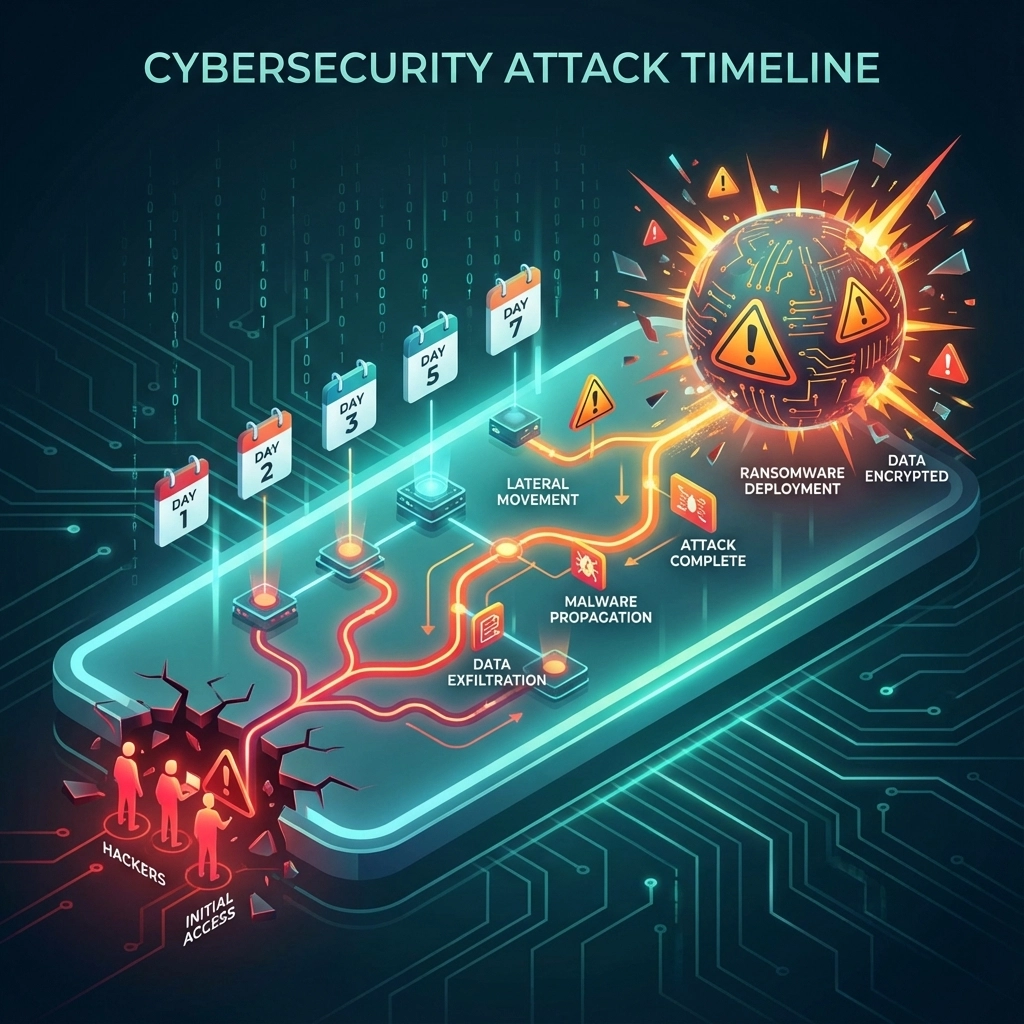
This timeline creates a critical detection window. Attackers spend days mapping your network, identifying valuable data, and planning their attack. If you can detect them during this reconnaissance phase, you can prevent the ransomware deployment entirely.
But most companies don't monitor for these preliminary activities, missing their best opportunity to stop the attack.
Mistake #5: Treating Detection and Containment as the Same Thing
Finding a breach is only half the battle. The average time to contain a breach after identification is an additional 64 days. This extended containment period allows attackers to:
- Steal additional data
- Establish persistent access
- Move to other systems
- Cause ongoing damage
Many businesses focus exclusively on detection speed but ignore containment procedures. You need both fast identification AND rapid response capabilities.
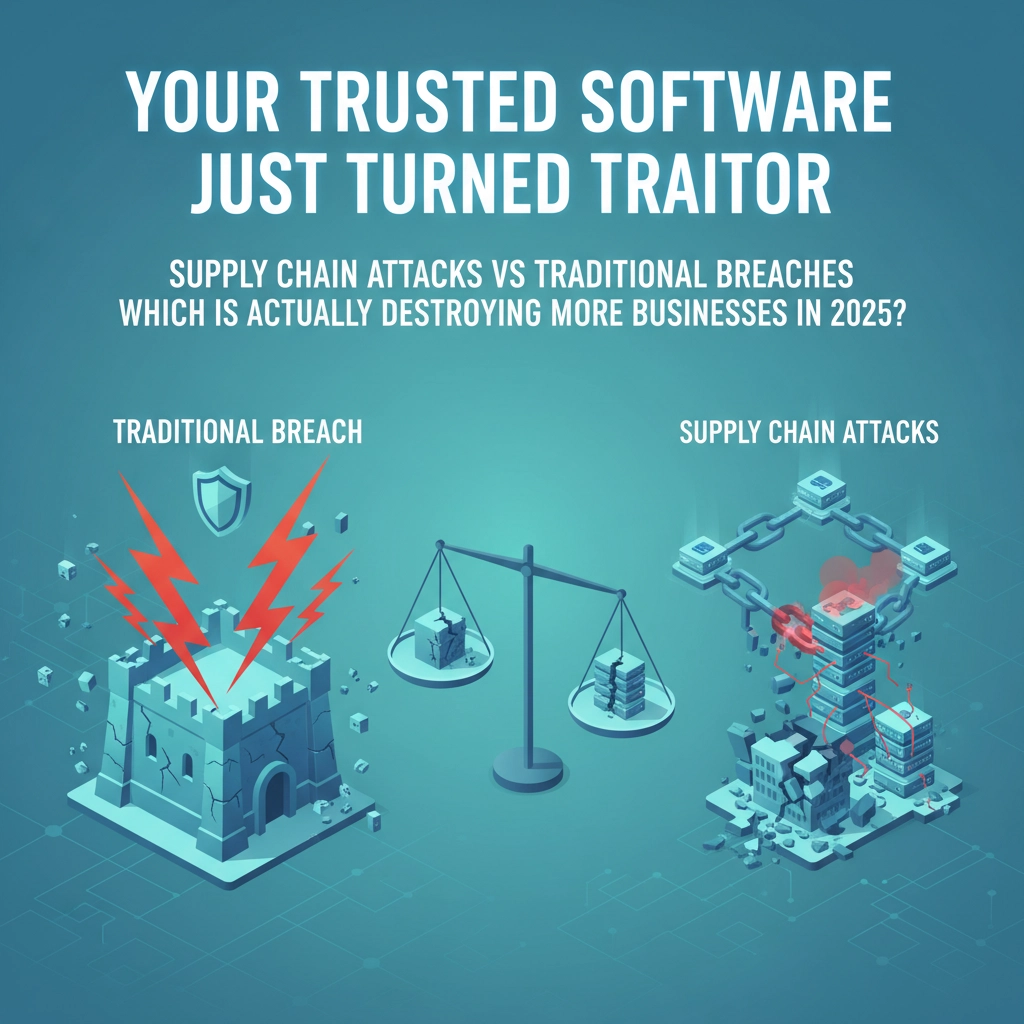
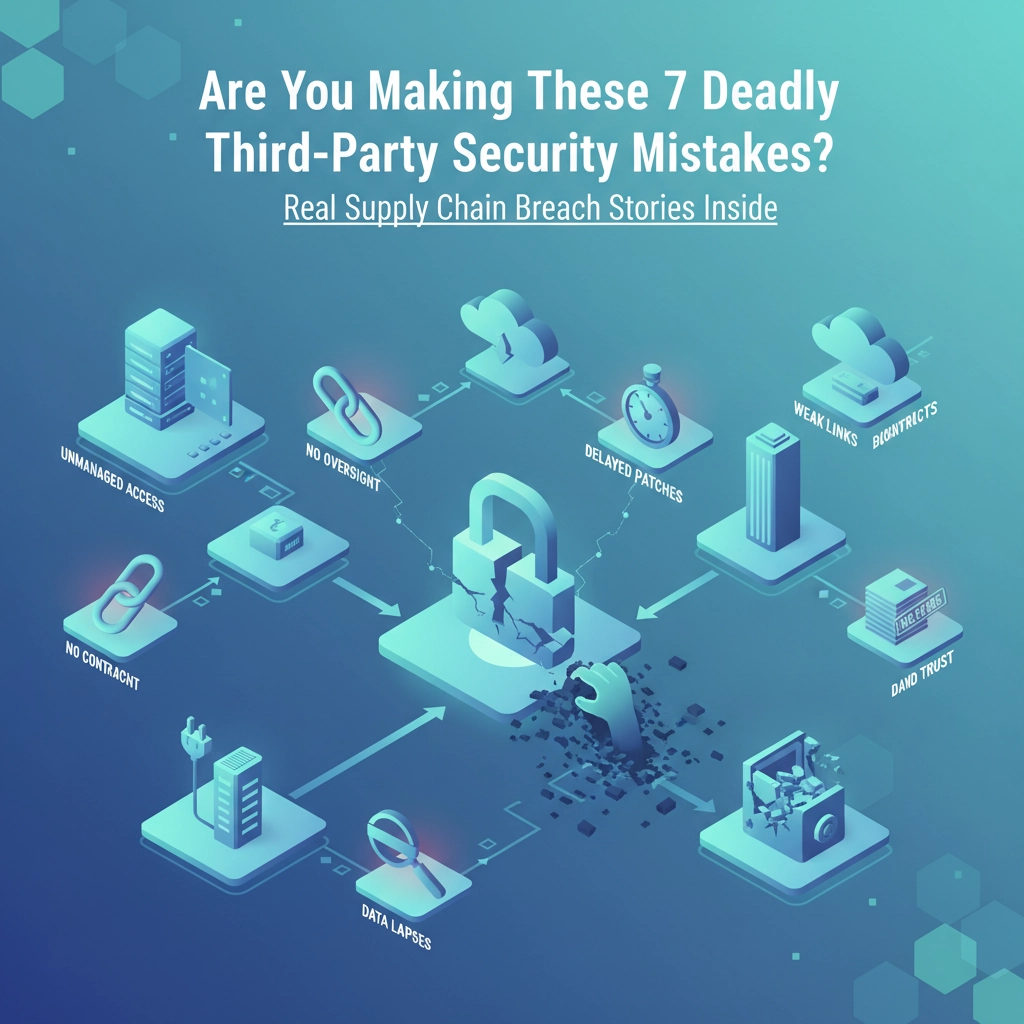
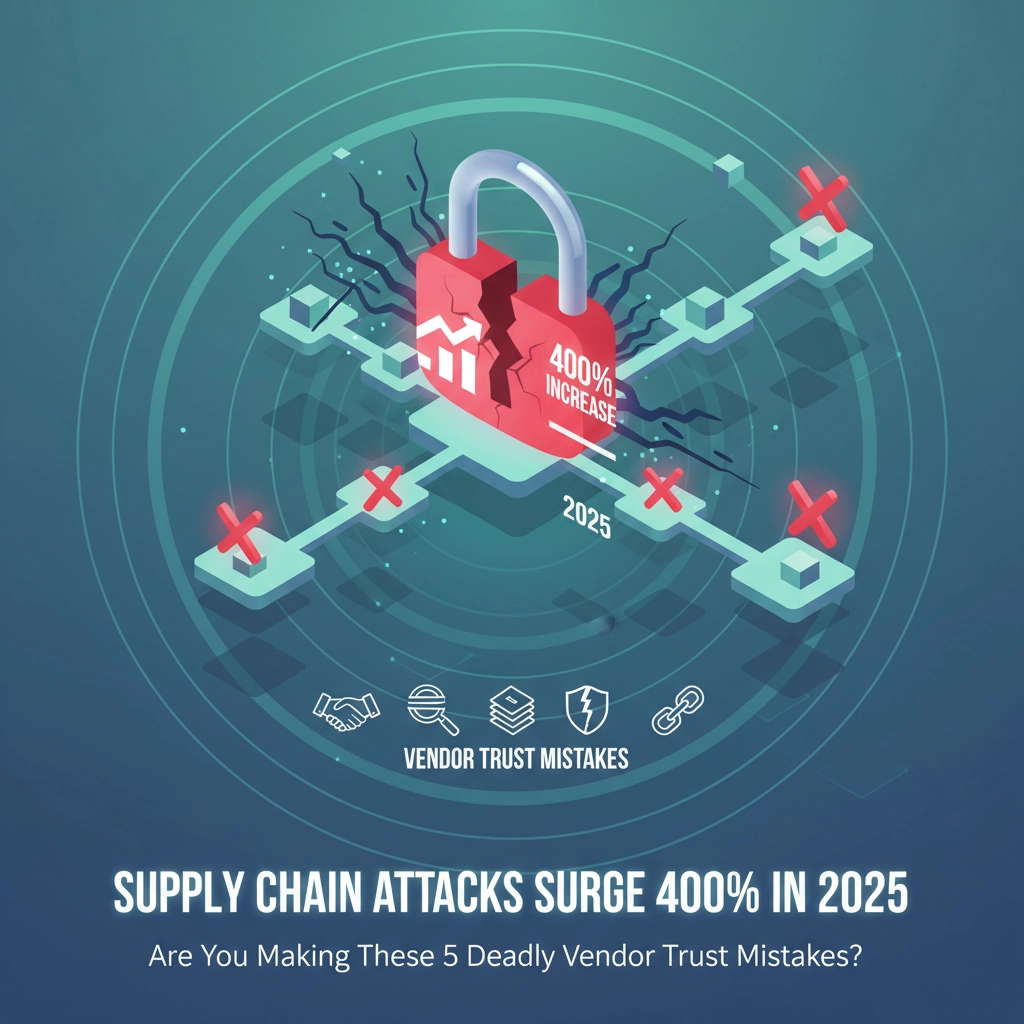
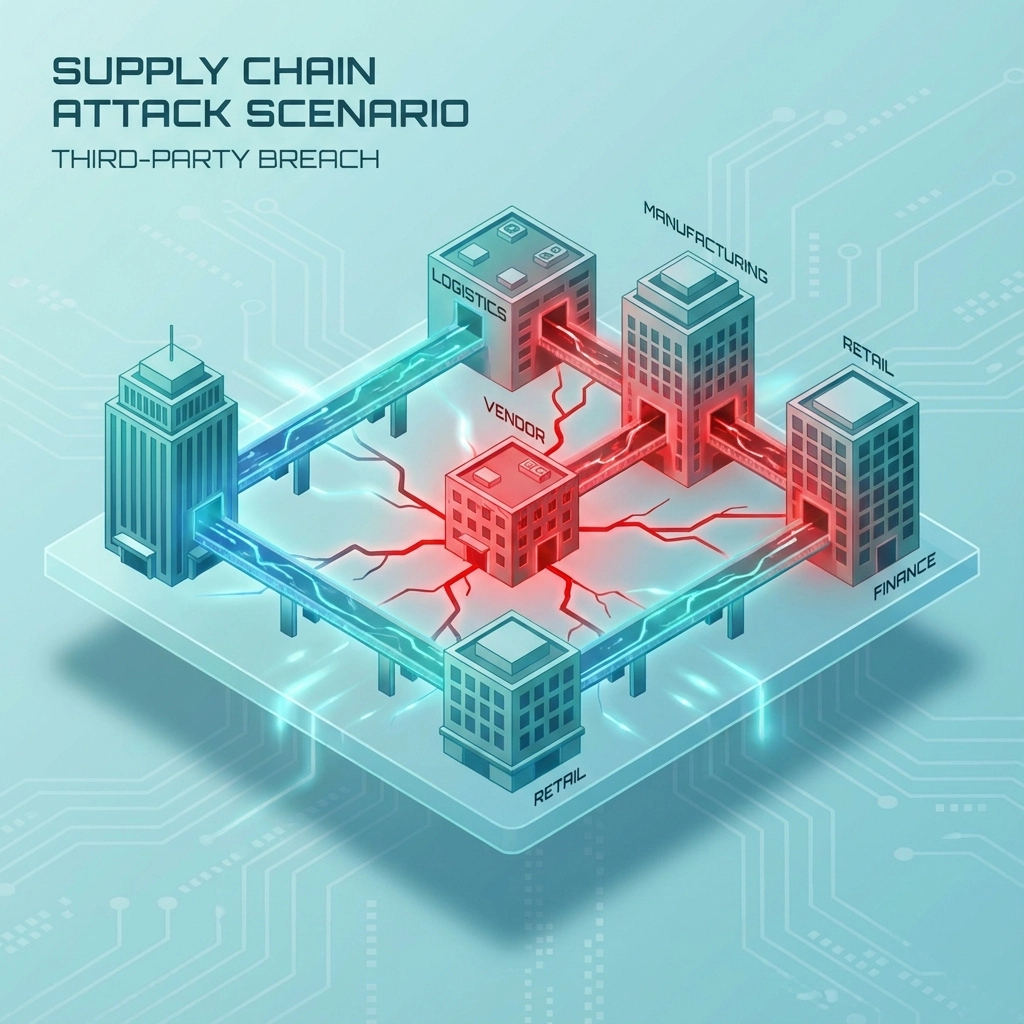
Mistake #6: Ignoring Supply Chain Attack Complexity
Third-party vendor compromises take longer to identify and contain than any other breach type, costing an average of $4.91 million per incident. These attacks are particularly dangerous because:
- You're dependent on the vendor to detect the breach
- The compromise might affect multiple clients simultaneously
- Your own monitoring systems may not detect vendor-based attacks
- Legal and compliance implications are more complex
Yet many small businesses don't have adequate vendor risk assessment or monitoring procedures.
Mistake #7: Avoiding AI-Powered Detection Tools
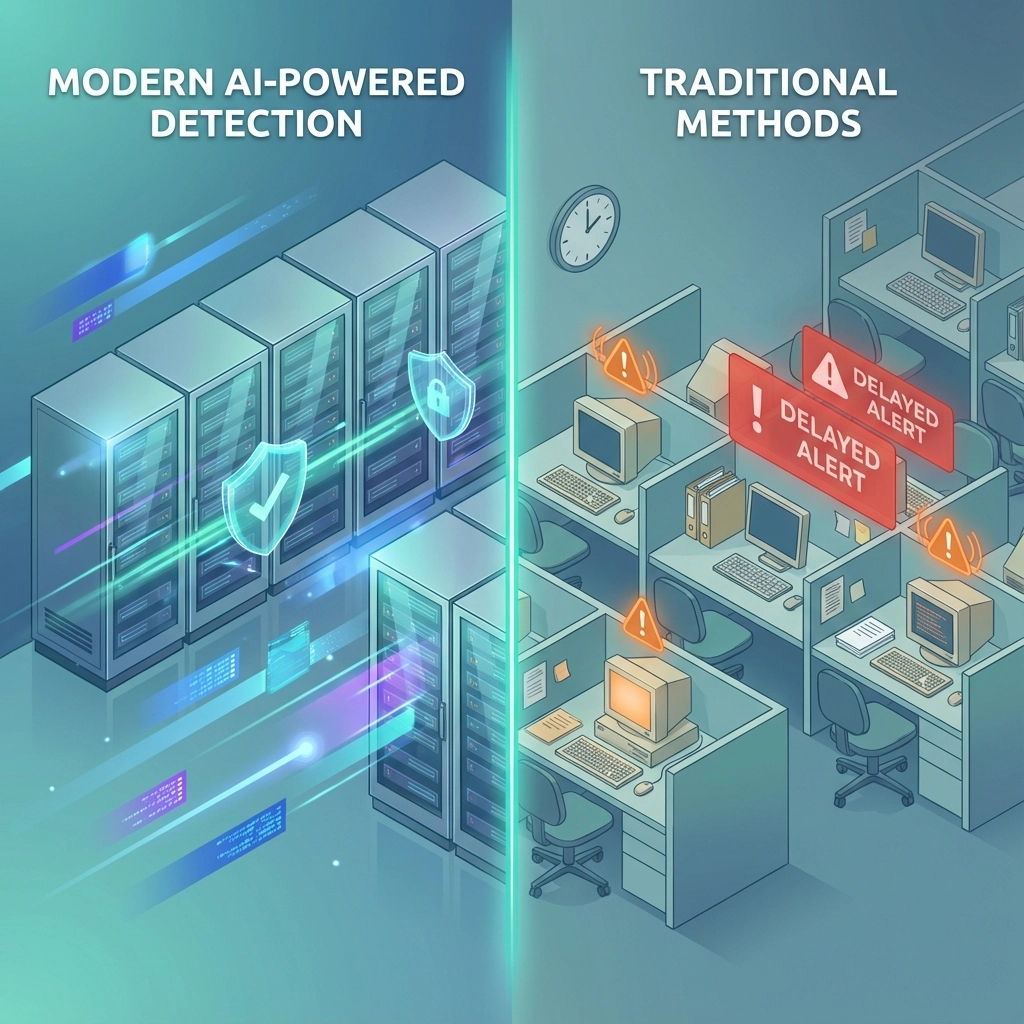
Organizations using AI-powered security tools detect breaches 108 days faster than those relying on traditional methods. That's nearly four months of additional protection.
AI-enabled companies contained breaches in a mean time of 241 days: the lowest detection time in nine years. This speed advantage saves approximately $1 million compared to slower detection methods.
Many small businesses think AI security tools are too expensive or complex, but the cost of delayed detection far exceeds the investment in modern security technology.
The Real Cost of Slow Detection
Every day attackers remain undetected in your system increases your risk exponentially. They're not just stealing data: they're learning your business processes, identifying key personnel, and often preparing multiple attack vectors.
During extended dwell times, attackers typically:
- Map your entire network architecture
- Identify and steal intellectual property
- Gather customer data for sale or future attacks
- Install persistent backdoors for ongoing access
- Study your security procedures to avoid detection
Building Speed Into Your Security Strategy
Fast detection requires intentional planning, not just better technology. The most effective approach combines:
Continuous Monitoring: Automated tools that flag unusual activity immediately, not just during business hours.
Staff Training: Regular education on current attack methods and detection techniques, updated quarterly as threats evolve.
Defined Response Procedures: Clear, tested protocols that your team can execute immediately when threats are detected.
Vendor Risk Management: Regular assessment and monitoring of third-party access to your systems.
AI-Enhanced Tools: Modern detection systems that can identify subtle attack patterns human analysts might miss.
The companies surviving today's threat landscape aren't necessarily spending more on security: they're investing in speed. Fast detection, rapid containment, and immediate response capabilities are becoming the primary differentiators between businesses that thrive and those that become cautionary tales.

Your attackers are already operating at machine speed. The question isn't whether you'll face a cyberattack: it's whether you'll detect it fast enough to minimize the damage.
If your current security approach takes days or weeks to identify threats, you're not just behind: you're operating with a fundamental disadvantage that puts your entire business at risk. The time to address these detection speed mistakes isn't someday: it's now, while you still have control over the outcome.
Ready to accelerate your threat detection capabilities? Contact B&R Computers to discuss how modern security tools can compress your detection timeline from months to minutes, giving you the speed advantage you need to stay ahead of today's threats.