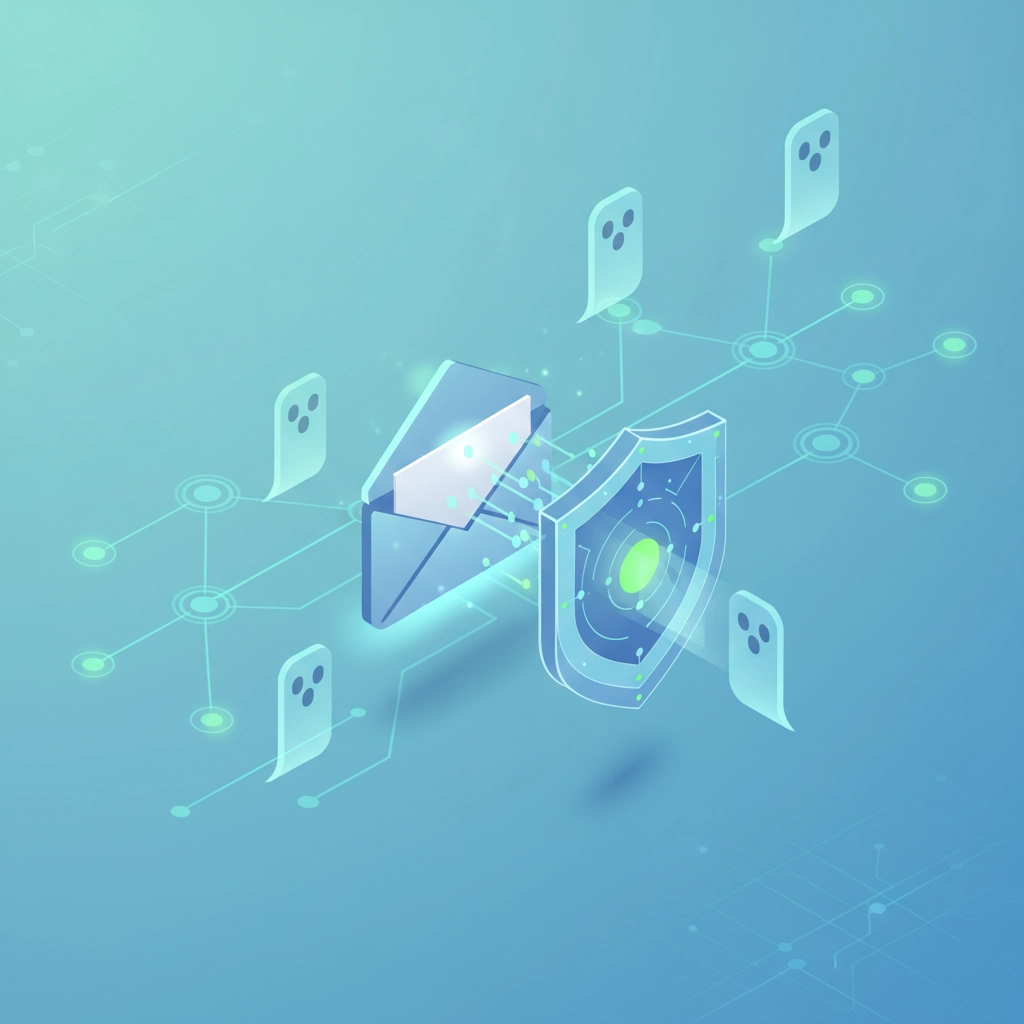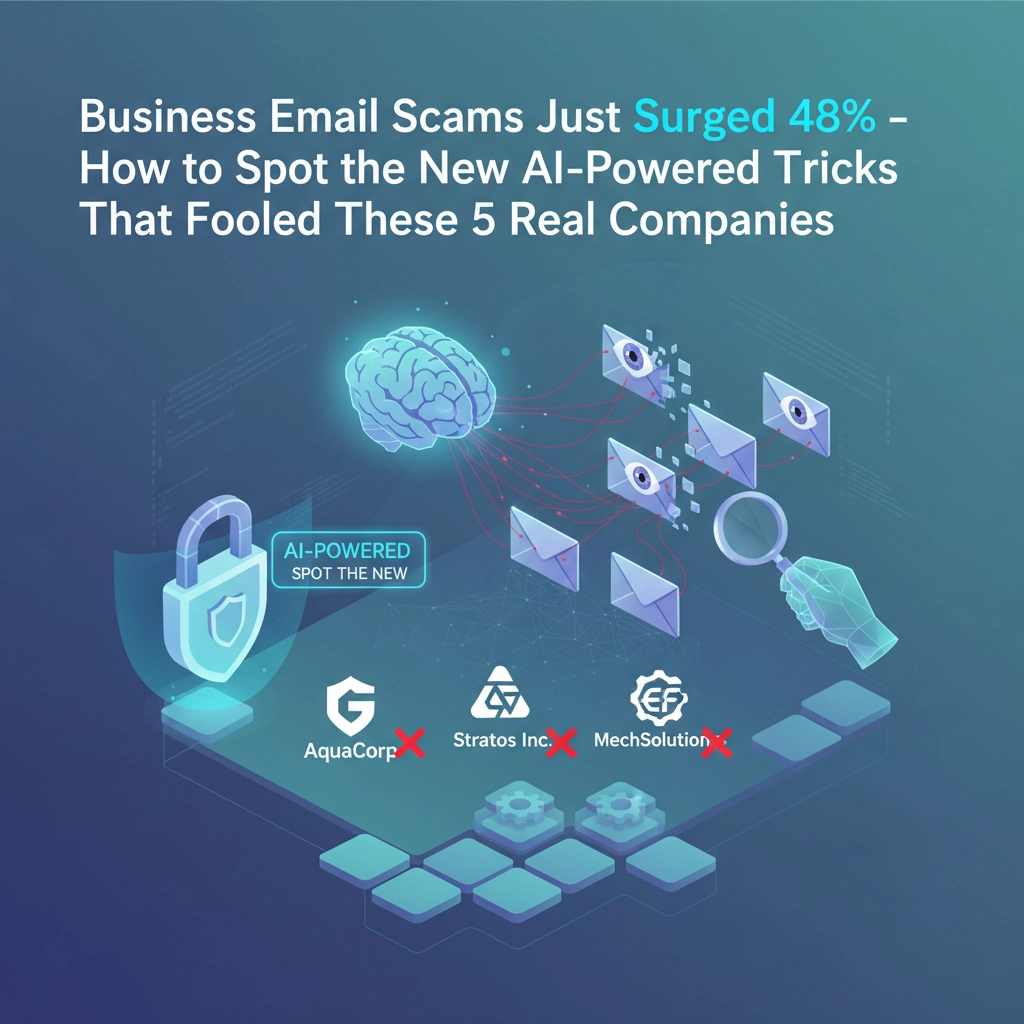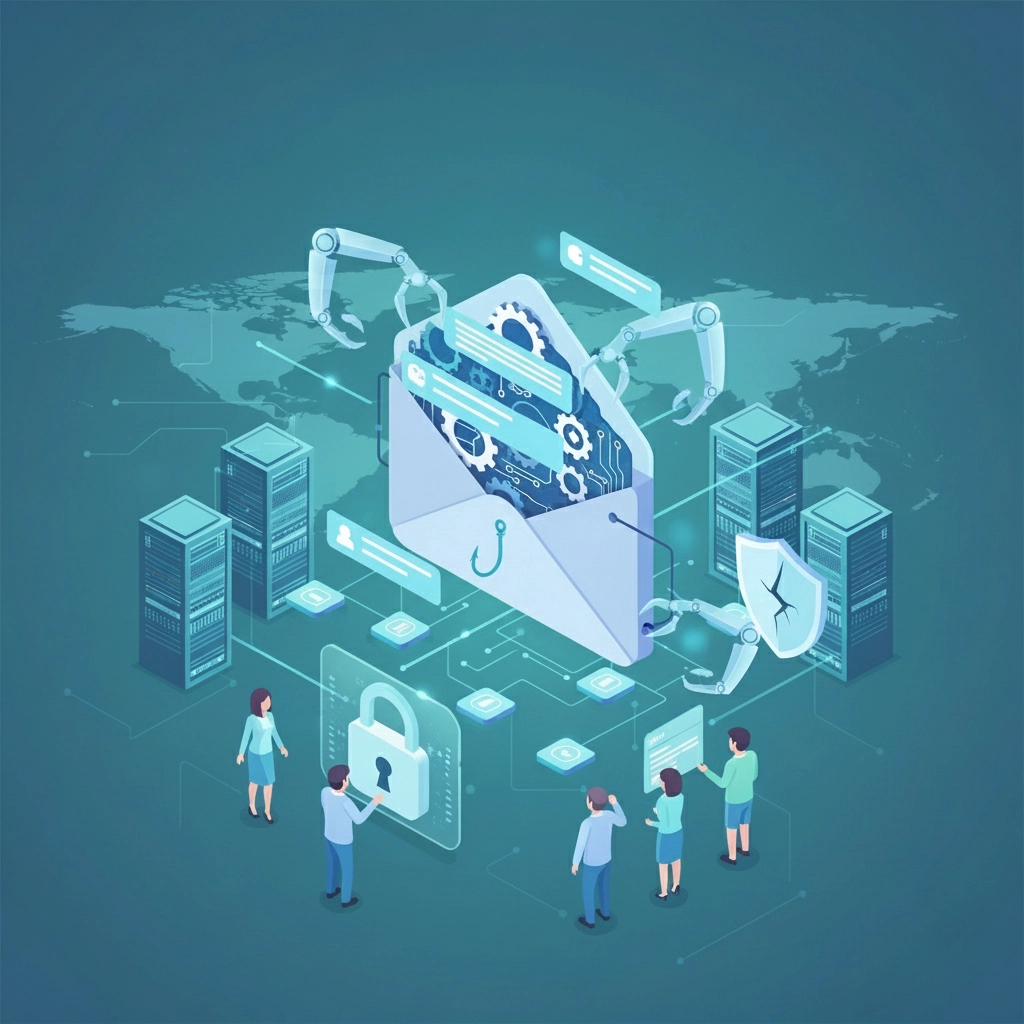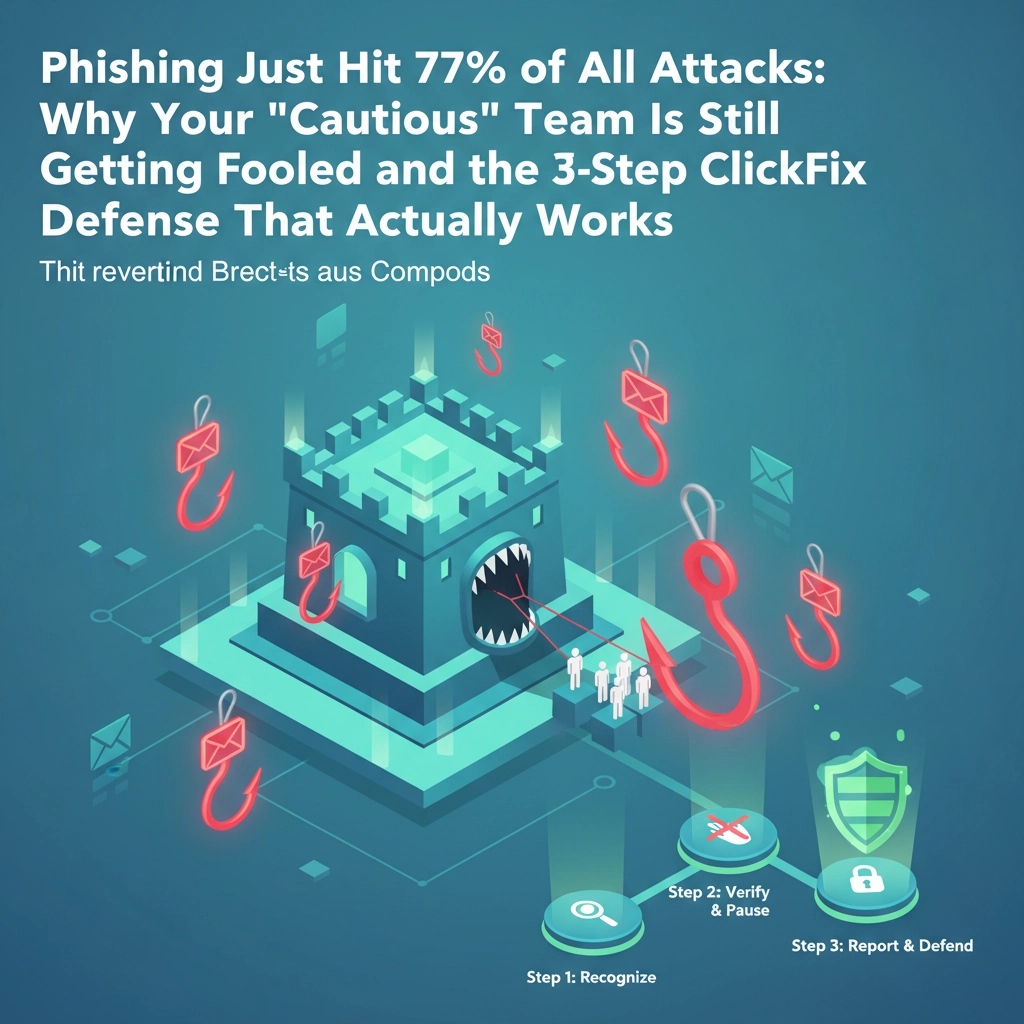
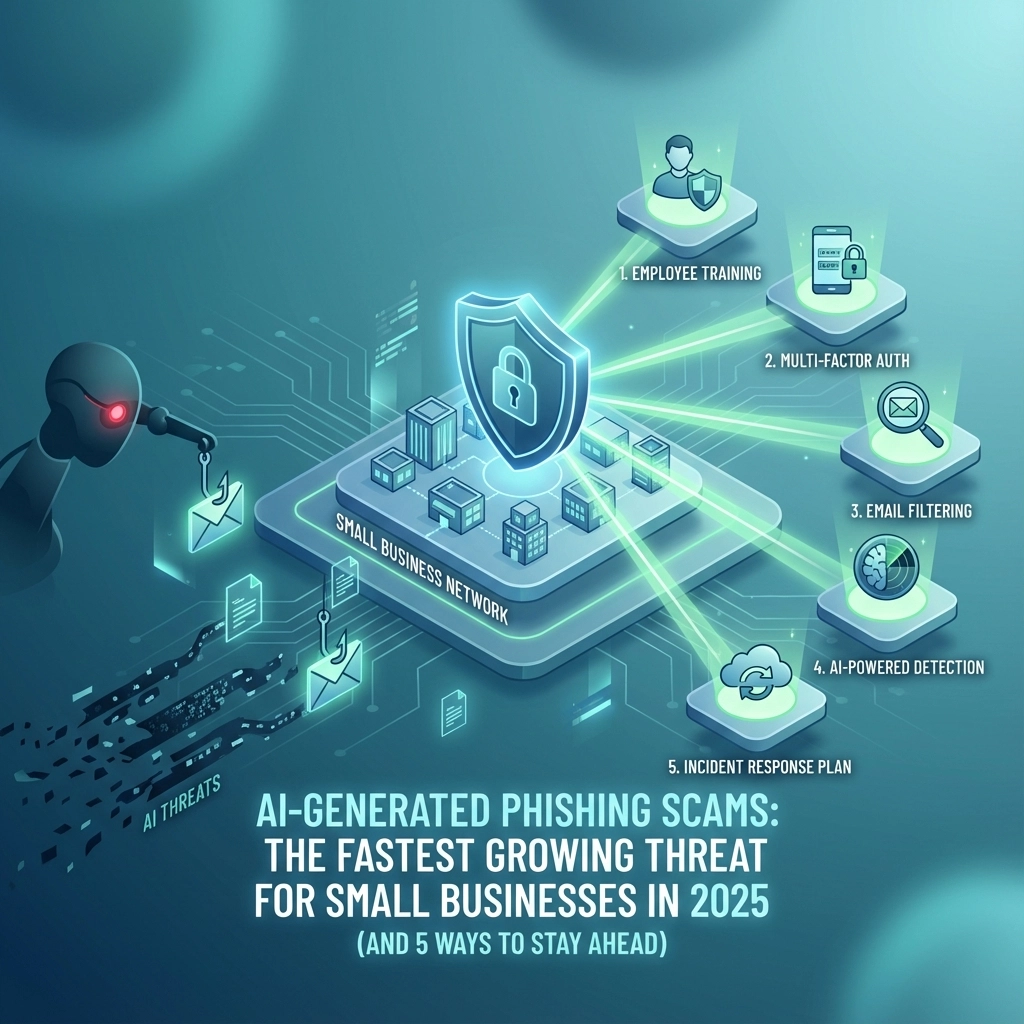
AI-generated phishing has emerged as the most dangerous cybersecurity threat facing small businesses in 2025. The numbers are staggering: over 82% of phishing emails are now created with AI assistance, allowing cybercriminals to craft convincing attacks up to 40% faster than traditional methods. More alarming still, phishing reports increased 466% in the first quarter of 2025 alone.
This isn't just another cybersecurity trend to monitor: it's a fundamental shift that's putting small businesses squarely in the crosshairs of increasingly sophisticated attackers. The convergence of AI technology and criminal intent has created a perfect storm that demands immediate action.
The Scale of the AI Phishing Crisis
The statistics paint a clear picture of an escalating threat landscape. Breached personal data surged 186% in Q1 2025, with GenAI-enabled scams rising by 456% between May 2024 and April 2025. What makes this particularly dangerous is the speed and scale at which these attacks can now be deployed.
Traditional phishing required manual effort to craft believable emails, limiting the volume and personalization criminals could achieve. AI has eliminated these constraints. Cybercriminals can now generate thousands of highly personalized phishing emails in minutes, each tailored to specific industries, companies, or even individual employees.
The financial impact is equally devastating. The average phishing-related data breach now costs organizations $4.88 million, with U.S. businesses facing even higher average costs of $10.22 million. For small businesses operating on tight margins, these figures represent an existential threat.
Why Small Businesses Are Prime Targets
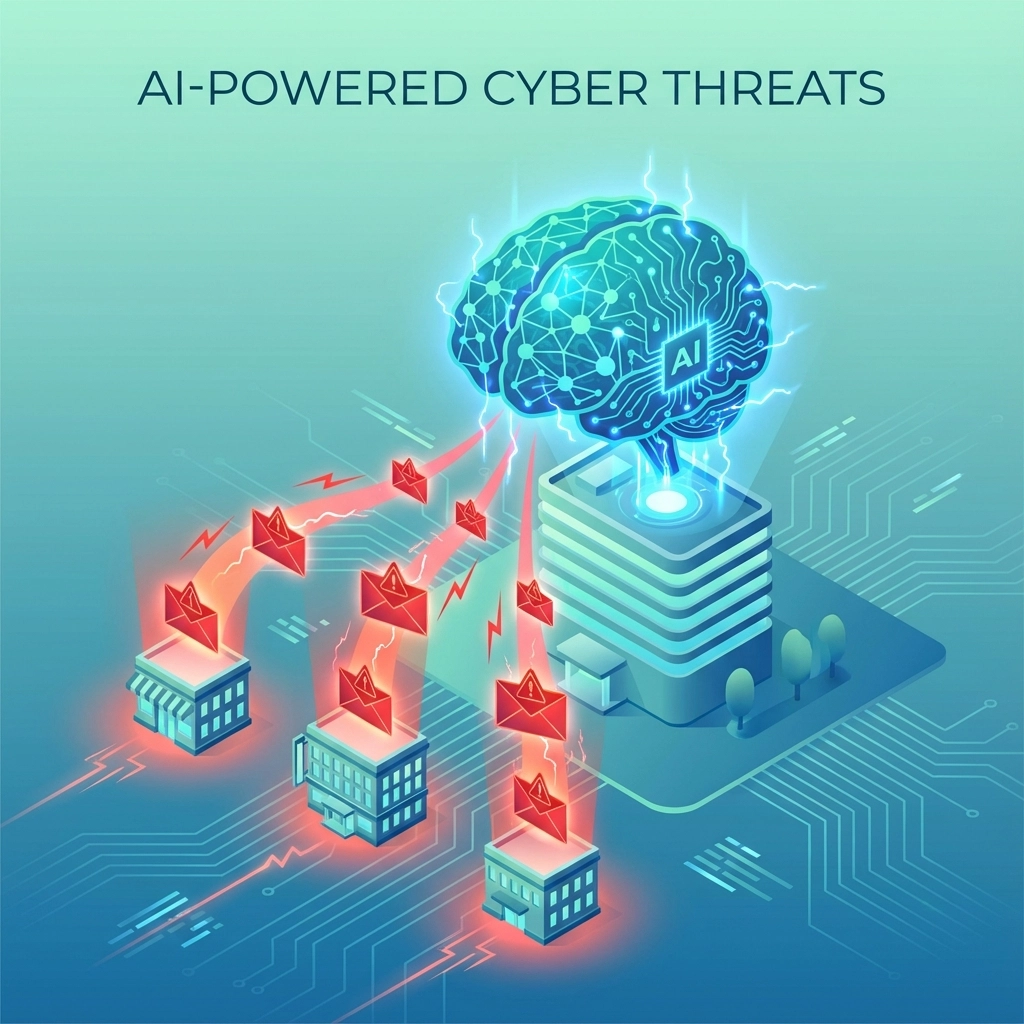
Small businesses face a perfect storm of vulnerability that makes them disproportionately attractive to cybercriminals. The data is sobering: small businesses receive the highest rate of targeted malicious emails at one in 323 emails. Given that the average office worker receives 121 emails per day, this represents a constant barrage of potential threats.
Even more concerning, employees at small businesses experience 350% more social engineering attacks than those at larger enterprises. This targeting isn't accidental: it reflects the reality that small businesses often lack the sophisticated security infrastructure and dedicated IT resources of larger organizations.
The vulnerability extends beyond just technology gaps. Eighty-seven percent of small businesses store customer data that could be compromised in an attack, yet many lack the security measures to protect it adequately. Nearly 40% of small businesses have already lost crucial data from cyberattacks, highlighting the immediate and present danger.
How AI Has Weaponized Phishing
Artificial intelligence has fundamentally transformed phishing from a volume-based numbers game to a precision-targeted operation. Modern AI-powered phishing attacks demonstrate several key advancements that make them particularly dangerous:
Enhanced Personalization: AI can analyze vast amounts of publicly available information about companies and individuals to create highly targeted messages that reference specific details, recent events, or industry trends.
Multi-Channel Coordination: Around 40% of phishing campaigns now extend beyond email to platforms like Slack, Microsoft Teams, and social media, creating coordinated attacks across multiple touchpoints.
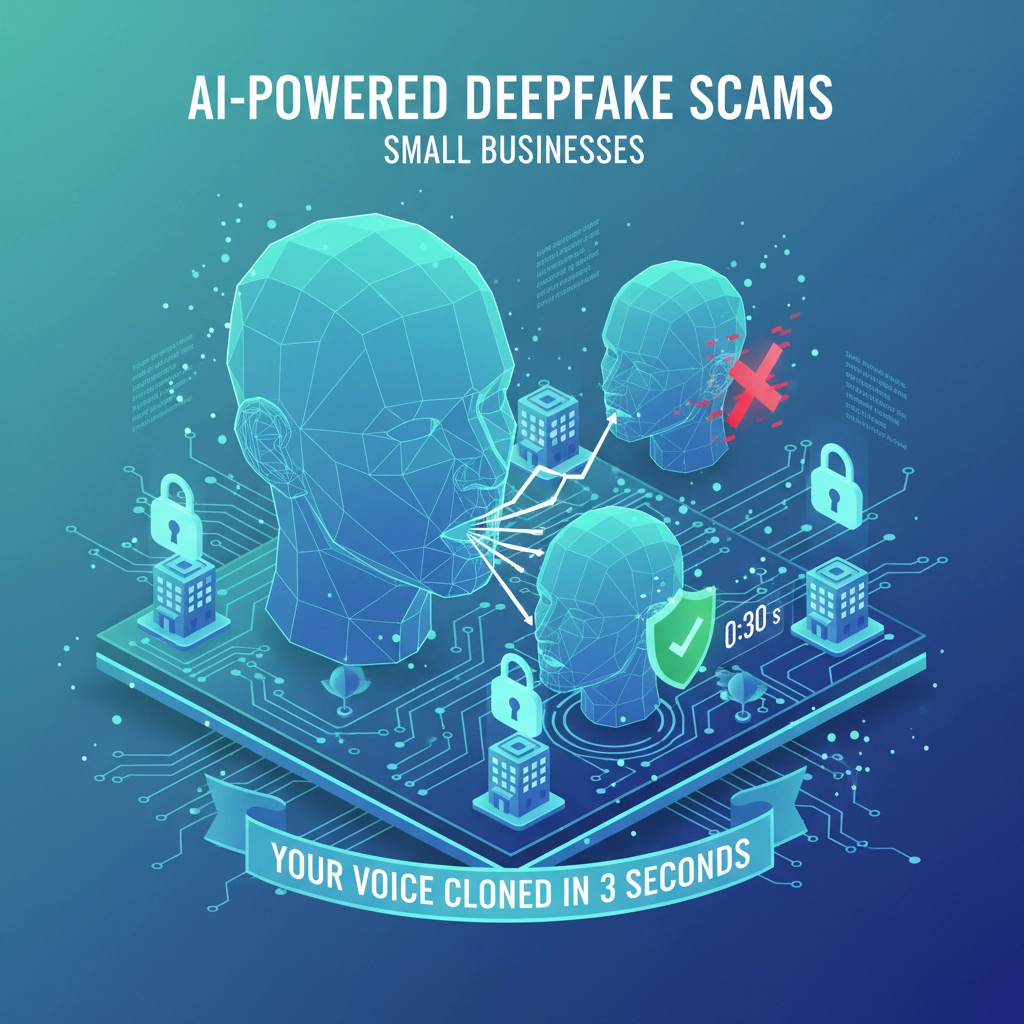
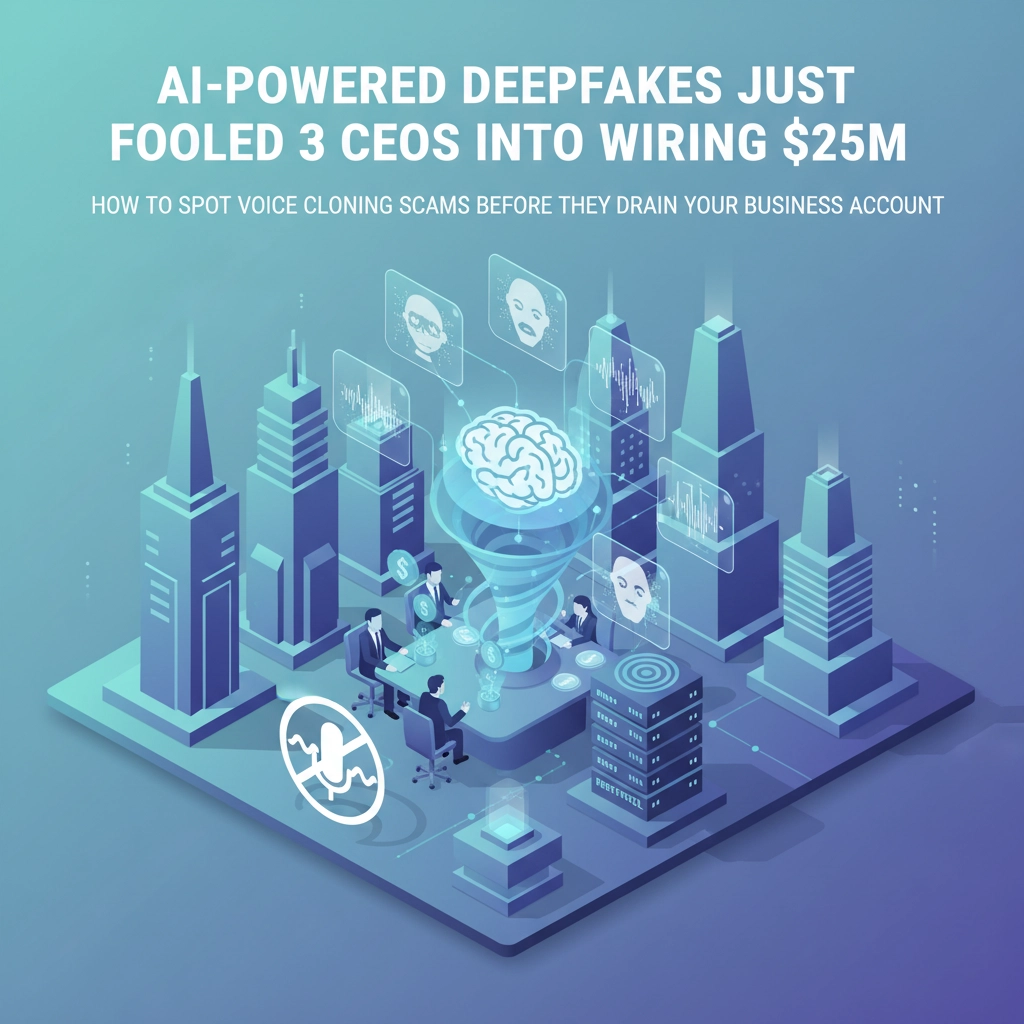
Voice Impersonation: AI-powered vishing (voice phishing) uses deepfake technology to create audio impersonations that are increasingly difficult to distinguish from authentic communications.
Real-Time Adaptation: AI systems can adjust their approaches based on initial responses, making attacks more persistent and harder to detect.
The sophistication gap is evident in employee preparedness. Only 48% of employees understand how threat actors use AI for phishing, while 86% of organizations have already encountered at least one AI-related phishing or social engineering incident.
5 Critical Ways Small Businesses Can Stay Ahead
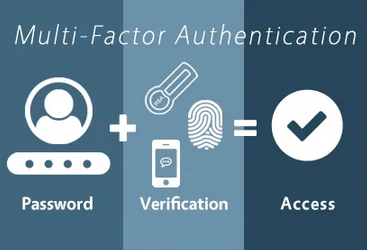
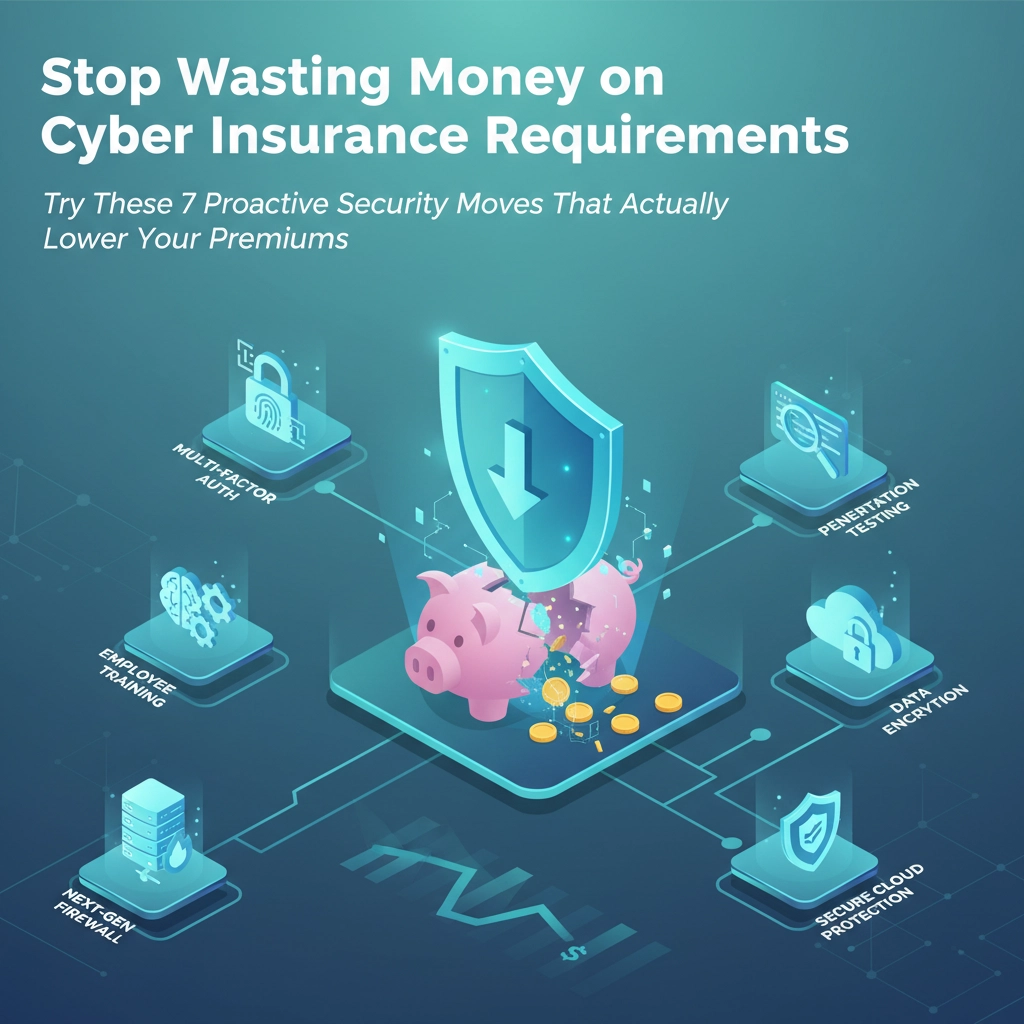
1. Implement Multi-Factor Authentication Across All Critical Systems
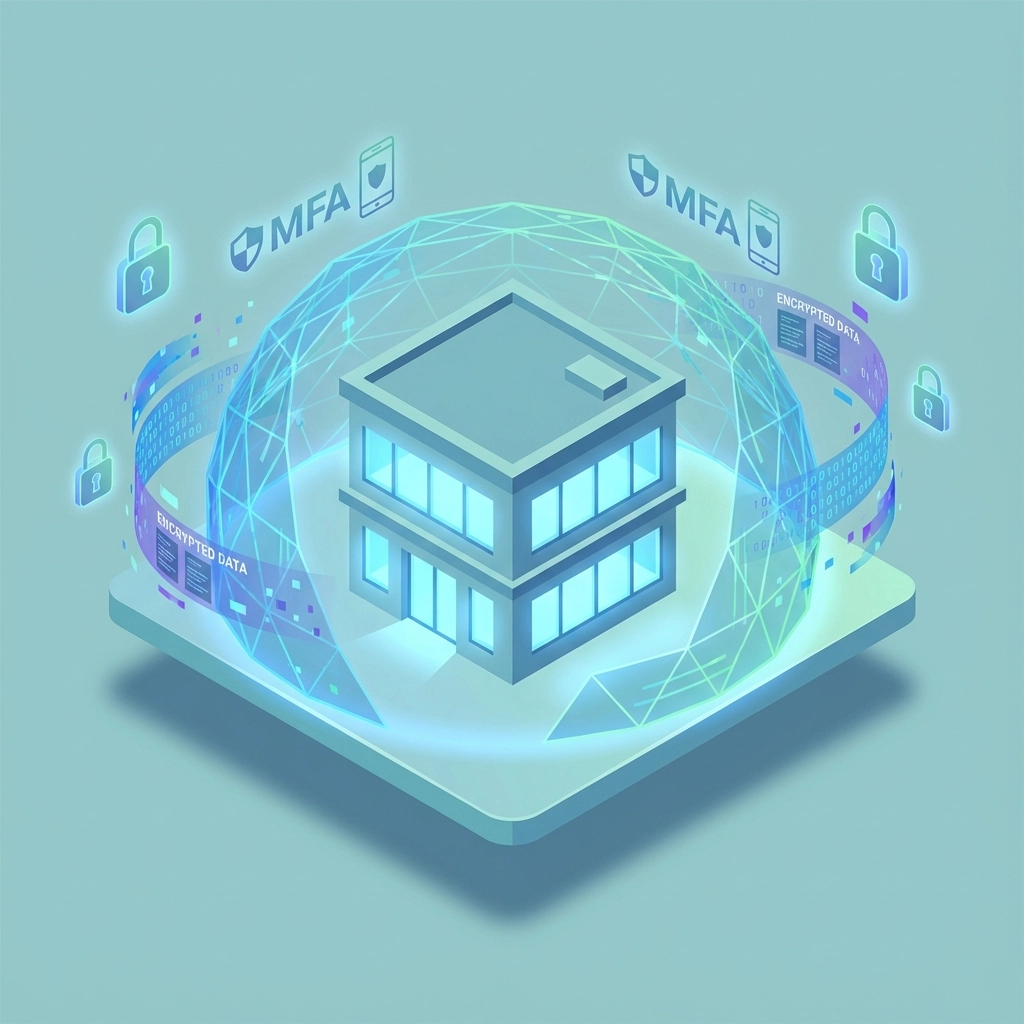
Multi-factor authentication represents one of the most effective defenses against credential-based attacks, yet adoption among small businesses remains dangerously low at just 20%. This represents a massive gap in basic security hygiene, especially considering that 80% of hacking incidents involve compromised credentials.
MFA should be deployed immediately on:
- Email accounts and cloud services
- Financial systems and banking platforms
- Administrative tools and databases
- Customer management systems
The investment in MFA is minimal compared to breach costs, and it creates a critical second verification barrier that dramatically reduces successful account takeovers even when passwords are stolen.
2. Deploy Comprehensive Data Encryption
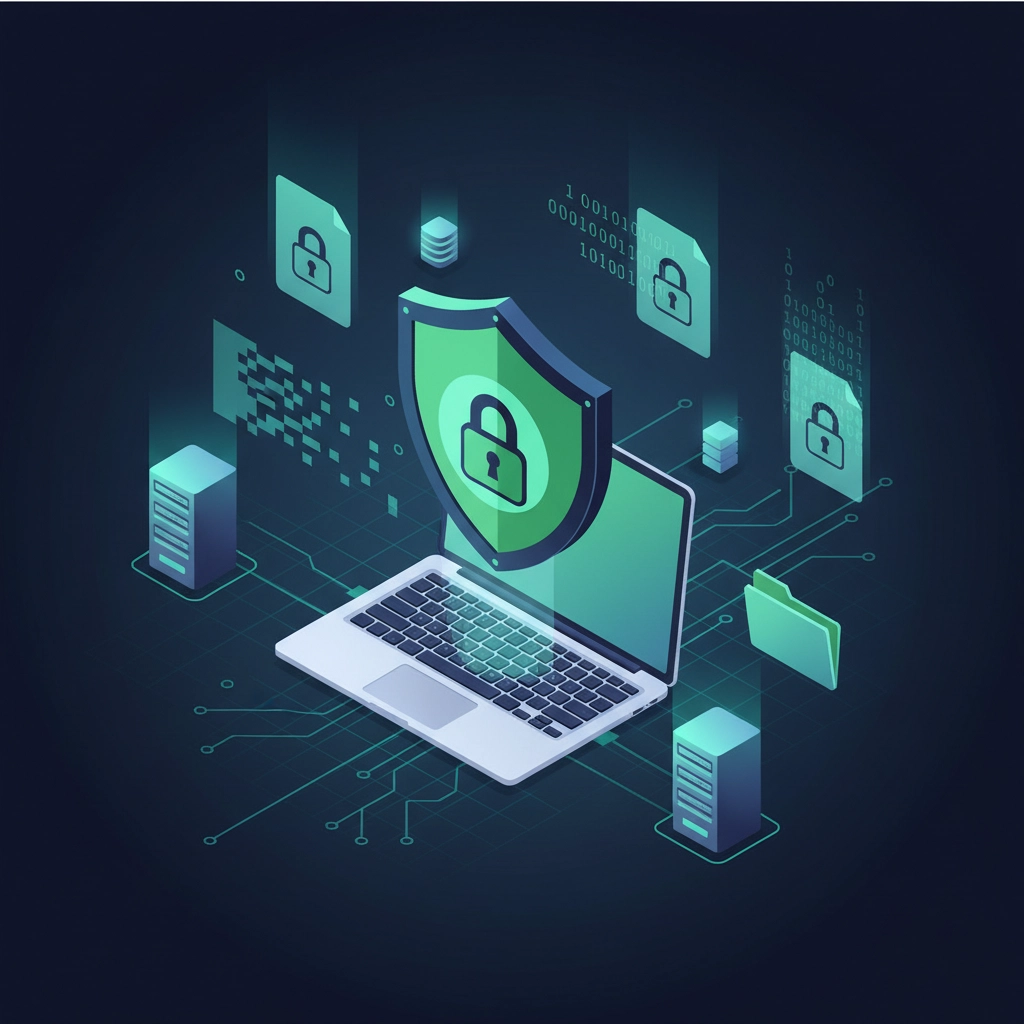
With 87% of small businesses storing vulnerable customer data, encryption is non-negotiable. Currently, only 17% of small businesses encrypt their data, leaving the vast majority exposed to catastrophic loss if systems are breached.
Encryption should extend across:
- Email communications containing sensitive information
- Cloud storage repositories
- Customer databases and financial records
- Data transmitted between systems
Modern encryption solutions are more accessible and affordable than ever, making this a critical investment for any business handling customer information.
3. Establish Ongoing Security Awareness Training
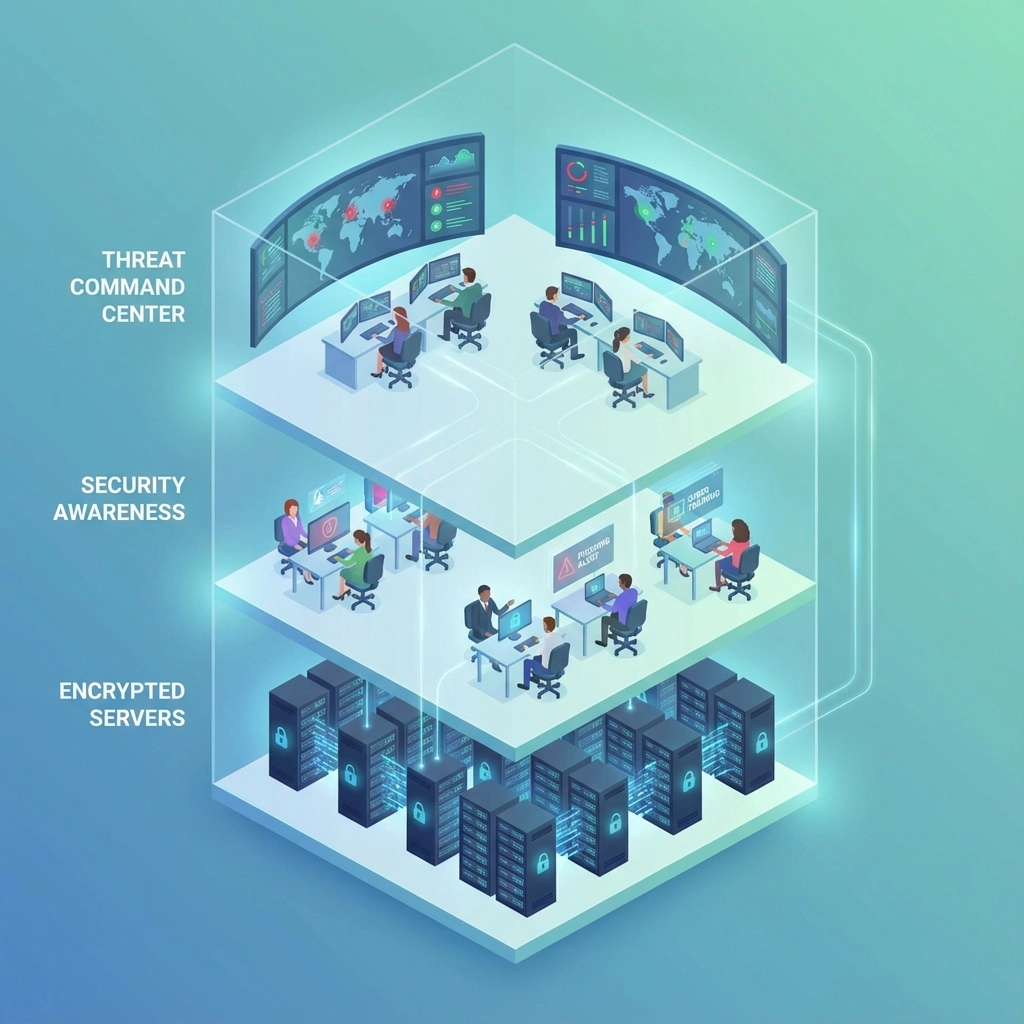
Given that only 48% of employees understand AI's role in modern phishing attacks, comprehensive and ongoing security training is essential. Small business employees face 350% more social engineering attacks, making education a cost-effective defense against an outsized threat.
Training programs should specifically address:
- How AI-generated emails appear more authentic than previous generations
- Recognition of deepfake audio in voice-based attacks
- The importance of verifying requests through secondary channels
- Specific threats targeting your industry or role
Training isn't a one-time event: it requires regular updates as attack methods evolve.
4. Upgrade Email Filtering and Detection Systems
Many small businesses rely on free, consumer-grade email security that wasn't designed to handle sophisticated AI-generated attacks. Professional-grade email security solutions can detect patterns and anomalies that basic filters miss.
Advanced email protection should include:
- Analysis of email metadata and sender patterns
- Detection of AI-generated content signatures
- Quarantine systems for suspicious messages
- Real-time threat intelligence integration
The cost of upgrading email security is insignificant compared to the potential cost of a successful phishing attack.
5. Implement Strict Payment Authorization Protocols
Finance departments and executives are targeted in 43% of phishing emails with payment-related lures, making Business Email Compromise (BEC) attacks particularly dangerous. BEC resulted in $2.77 billion in losses in 2024 alone.
Critical payment protocols include:
- Dual-approval requirements for wire transfers and unusual payment requests
- Verification of payment changes through secondary communication channels
- Phone confirmation using previously known numbers, not contact information from suspicious emails
- Specific training for finance staff on BEC tactics
These procedural changes can prevent the most costly variant of phishing attacks with minimal operational impact.
The Critical Reality Check
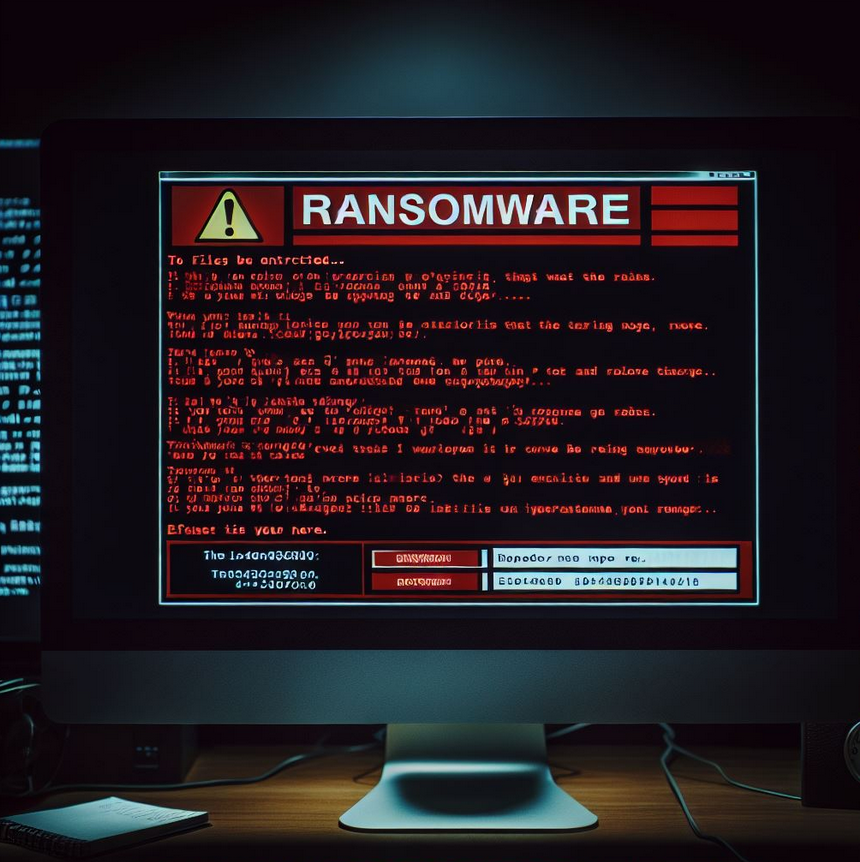
The data reveals a sobering truth: 75% of small businesses could not continue operating if hit with ransomware, and phishing is the primary entry point for most ransomware attacks. Yet only 17% of small businesses have cyber insurance, leaving most completely unprotected against catastrophic loss.
This vulnerability isn't theoretical. Phishing now represents over 22% of reported internet crimes, resulting in $70 million in documented financial losses. The businesses that survive and thrive will be those that recognize the urgency of the threat and take immediate action.
The investment required for basic security measures is minimal compared to the average $4.88 million breach cost, yet adoption rates remain concerningly low. Small business owners can no longer assume their size provides protection: the data clearly shows they are among the most heavily targeted organizations today.
Take Action Now
The AI-powered phishing threat will only intensify as technology continues to advance. Every day of delay increases your exposure to attacks that are becoming more sophisticated and harder to detect.
If you're ready to move beyond acknowledgment to action, B&R Computers can help assess your current vulnerabilities and implement the critical security measures your business needs. Our customized risk assessments identify specific gaps in your defenses and provide a clear roadmap for protection.
Don't wait for an attack to reveal your weaknesses. Contact B&R Computers today to schedule your comprehensive cybersecurity risk assessment and take the first step toward protecting your business from the fastest-growing threat in cybersecurity.